
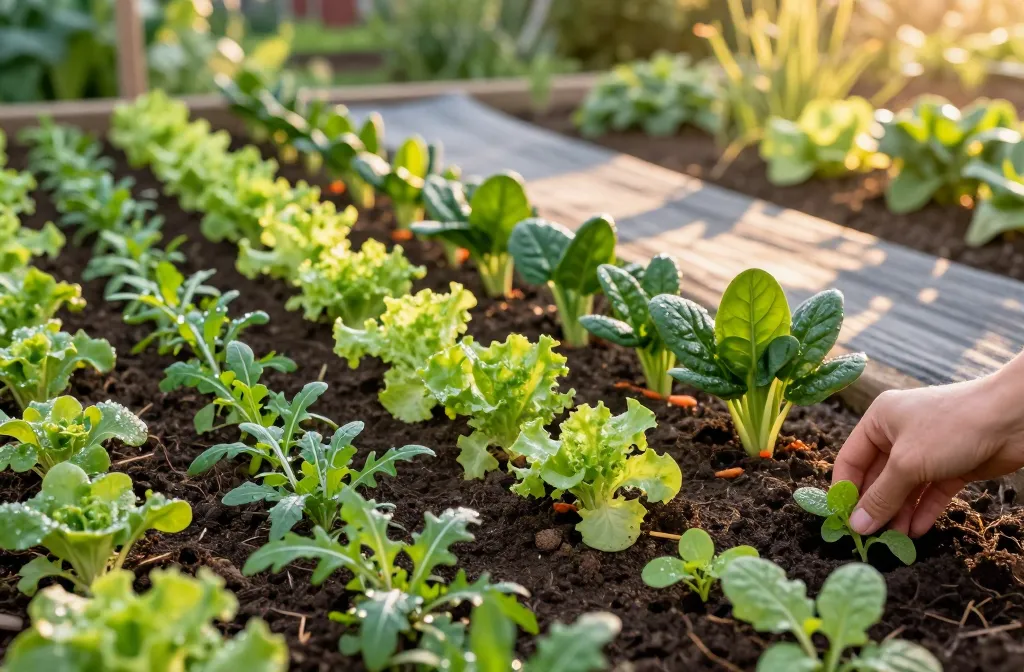
July isn’t “too late” for gardening—it’s your secret door to fall abundance. While everyone else gives up on the heat, you’ll be sowing a second wave of greens, roots, and crunchy pods. These 15 July-friendly crops love warm soil, sprint toward maturity, and slide smoothly into cooler fall days. Ready to turn a “meh” mid-season into a harvest parade?
1. Fast Greens, Big Wins: Arugula, Lettuce, Spinach
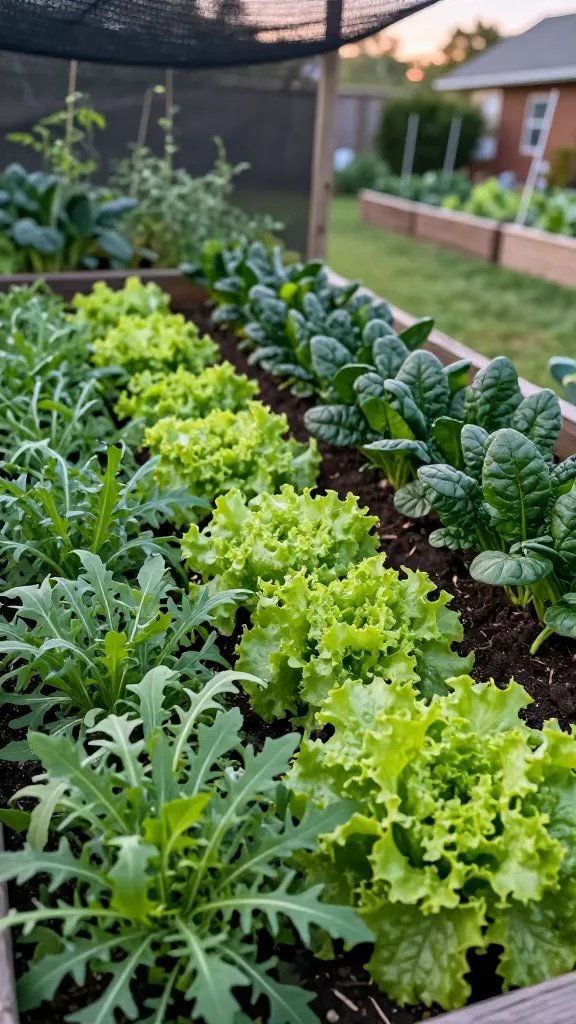
Greens in July? Absolutely. Warm soil wakes them up fast, and cooler late-summer nights keep them sweet. You’ll stack harvests for weeks with repeat sowings and some light shade—hello, nonstop salads.
Key Picks:
- Arugula (20–35 days): Peppery leaves, super quick, bolt-resistant types do best.
- Looseleaf Lettuce (35–50 days): Choose heat-tolerant, bolt-resistant varieties like ‘Salad Bowl’ or ‘Nevada.’
- Spinach (30–45 days): Go for bolt-resistant types; germinate in partial shade if your days roast.
Tips:
- Succession sow every 10–14 days through late August for continuous picking.
- Provide afternoon shade with shade cloth (30–40%) or tuck greens behind taller crops.
- Water lightly and often to keep soil evenly moist and temps down. Think sprinkles, not storms.
Use these for quick salads, sandwiches, and pizza toppings. Benefits: lightning-fast turnaround and huge flavor for minimal effort.
2. Root Riot: Radishes, Turnips, Beets, Carrots
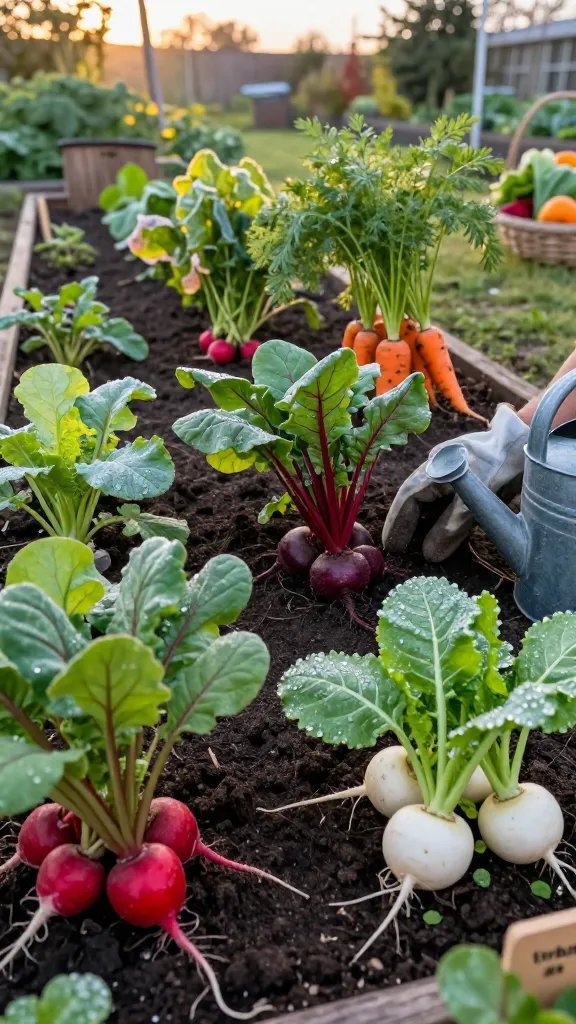
Root crops thrive when you sow in warm soil, then mature as temps cool—prime fall flavor. They store well, taste sweeter after a light frost, and keep your beds productive right up to winter.
What To Plant & When It’s Ready:
- Radishes (20–30 days): Snack size in three weeks if you stay on watering.
- Hakurei/Salad Turnips (35–45 days): Crisp, juicy, and shockingly addictive raw.
- Beets (50–65 days): Sow thick, thin later; greens are a bonus harvest.
- Carrots (60–80 days): Choose shorter, faster types like ‘Nantes’ or ‘Parisian.’
Pro Moves:
- Keep the seedbed cool and moist for germination. Lay a board or burlap over rows for 2–4 days, then remove once sprouted.
- Thin aggressively—crowding = spindly roots. Aim for 1 inch for radish/turnips, 2–3 inches for beets, 1 inch for carrots.
- Mulch lightly after emergence to lock moisture and prevent cracking.
Pull these roots for roasts, slaws, and snack plates. Frost-sweetened roots taste like you cheated with sugar—seriously.
3. Heat-Loving Workhorses: Bush Beans, Pole Beans, Zucchini
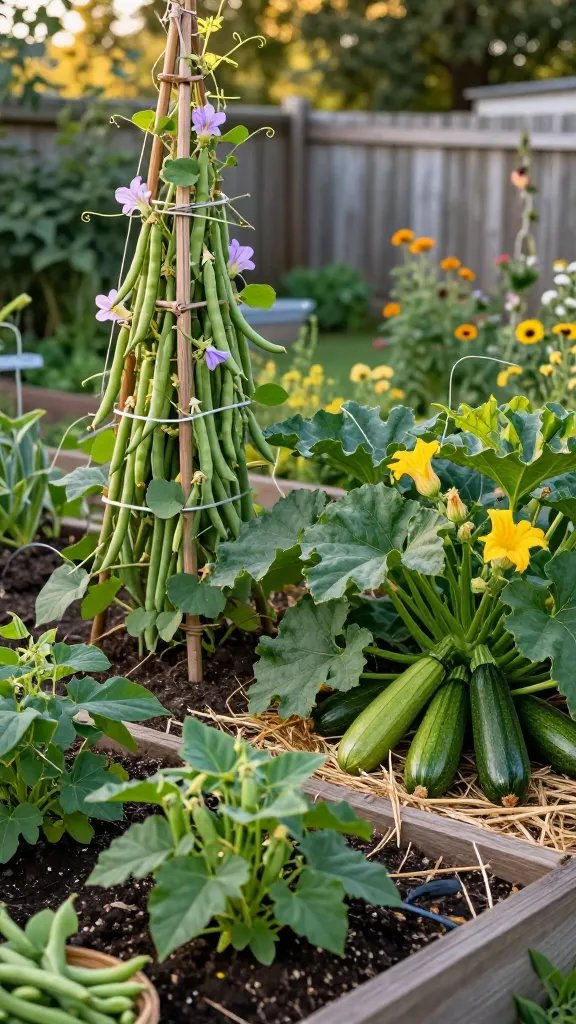
July belongs to beans and squash. They adore warm soil, race to production, and keep cranking until frost. If spring plantings fizzled, these mid-season backups deliver big.
Crops That Love July:
- Bush Beans (50–60 days): Fast, compact, great for quick fall batches.
- Pole Beans (60–75 days): Climb high and keep producing—maximize vertical space.
- Zucchini/Summer Squash (45–55 days): Sow seeds directly for a fresh fall wave, less pest pressure later in the season.
Tips:
- Inoculate beans with rhizobium (optional) for better nitrogen-fixing and yields.
- Space matters: Bush beans 4–6 inches apart; pole beans on sturdy trellis; zucchini 2–3 feet apart.
- Pick often to keep plants productive. Miss a harvest and you get baseball bats instead of dinner.
Beans and squash round out meals fast—sauteed, grilled, or tossed into salads. Benefits: huge yield per square foot and amazing for quick weeknight cooking.
4. Brassica Power Players: Kale, Collards, Broccoli Rabe, Pak Choi
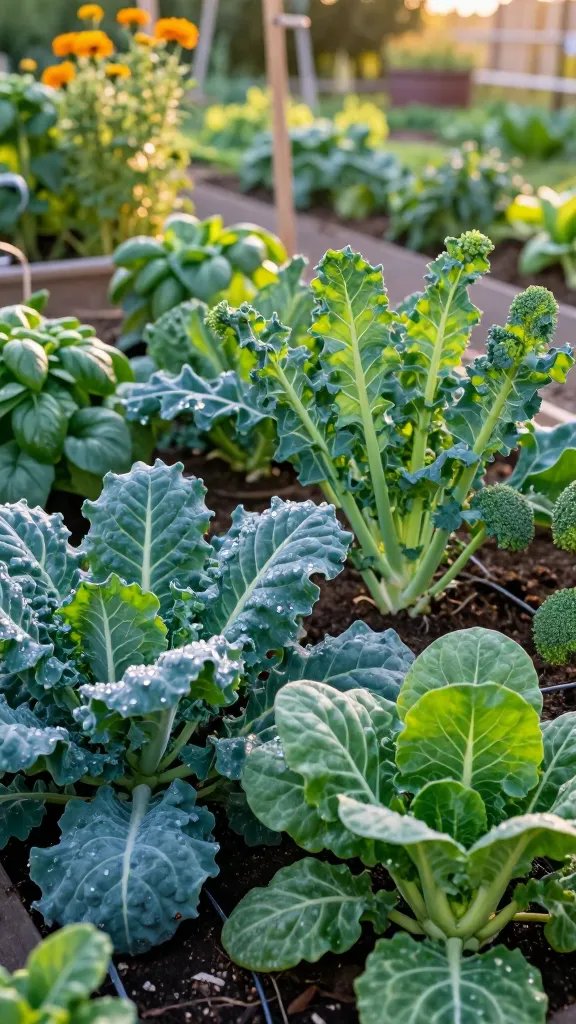
Brassicas love the July start/September finish combo. Warmth speeds growth, and cool nights bring out that signature sweetness. Plus, pests ease up as you roll into fall—FYI, your kale will finally get a break.
Top July Sows/Transplants:
- Kale (50–70 days): Sow directly or transplant starts; handles heat and laughs at frost.
- Collards (60–85 days): Big, buttery leaves; an autumn staple.
- Broccoli Rabe/Raab (40–60 days): Quick, leafy, and nutty with tender buds—don’t overthink it, just grow it.
- Pak Choi/Bok Choy (30–50 days): Fast and succulent; choose bolt-resistant baby varieties for July.
How To Win With Brassicas:
- Start in cell trays for neat transplants if your garden bakes—less slug and heat drama.
- Use row cover or netting the first few weeks to dodge cabbage moths and flea beetles.
- Feed lightly with nitrogen to keep steady leaf growth; don’t drown them in fertilizer.
Cook into stir-fries, soups, and sheet-pan dinners. Benefits: reliable cold tolerance and steady harvests right into early winter.
5. Flavor Bombs For Fall: Cilantro, Dill, Scallions, Swiss Chard, Daikon
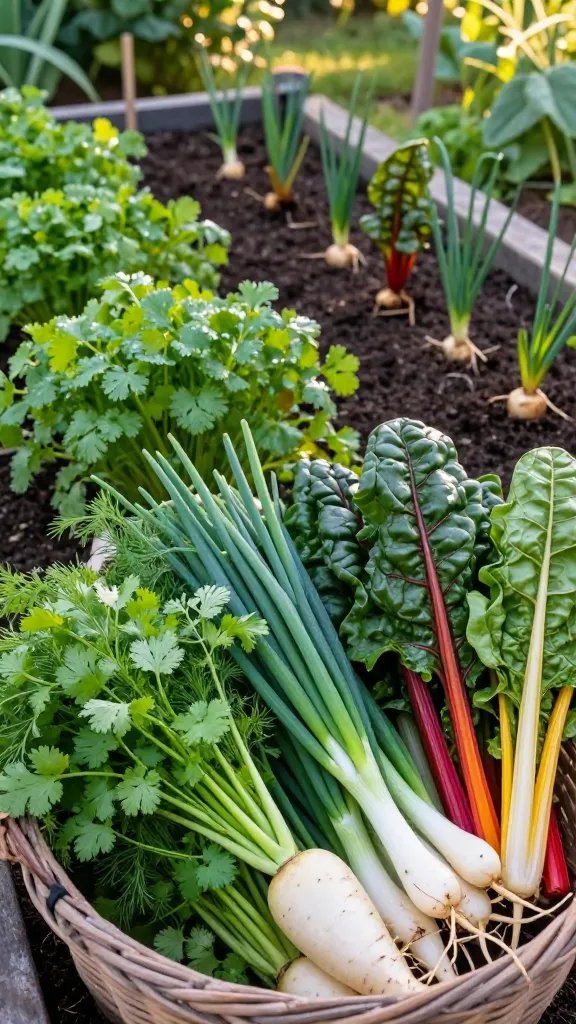
July isn’t just about volume—it’s about flavor. These herbs and specialty crops bring freshness and crunch to late-season meals and keep your garden interesting.
Must-Grow Picks:
- Cilantro (25–40 days for leaves): Bolts in spring, thrives with late-summer sowings. Sow thick, cut often.
- Dill (30–45 days leaf, 60–80 for heads): Great for pickling your bean and cucumber hauls.
- Scallions/Green Onions (55–75 days): Multi-sow clumps (6–10 seeds per hole) and harvest as bunches.
- Swiss Chard (50–60 days): Heat-tolerant leaves now, vibrant stems into winter with protection.
- Daikon/Asian Radishes (50–70 days): Big, crisp roots that love cooling weather; amazing in slaws and soups.
Planting Notes:
- Sow cilantro and dill in partial shade or under taller crops to slow bolting.
- Keep scallion beds moist for steady growth; trim tops once to encourage girth.
- For daikon, loosen soil deeply; thin to 4–6 inches to avoid forked roots.
Use these to brighten everything—tacos, bowls, broths, you name it. IMO, nothing upgrades home cooking faster than fresh herbs and crisp alliums.
Quick Reference: 15 Crops To Start In July
- Arugula
- Lettuce
- Spinach
- Radishes
- Hakurei/Salad Turnips
- Beets
- Carrots
- Bush Beans
- Pole Beans
- Zucchini/Summer Squash
- Kale
- Collards
- Broccoli Rabe
- Pak Choi/Bok Choy
- Cilantro, Dill, Scallions, Swiss Chard, Daikon (pick your favorites to hit 15 total)
General July Sowing Playbook
- Work with the heat: Water in the morning, mulch right after planting, and use shade cloth during heatwaves.
- Stagger plantings: Sow every 1–2 weeks to stretch harvests into fall.
- Mind your frost date: Count backward from first frost and choose varieties that mature 10–14 days sooner than your calendar says—shorter days slow growth.
- Flip spent beds fast: Clear spring crops, top up compost, and plant the same day. Momentum matters.
- Protect late: Keep row cover or low tunnels ready for early frosts—you’ll earn extra weeks of harvest, trust me.
Ready to squeeze a bonus season out of your garden? July plantings bring you crisp greens, sweet roots, and piles of beans just as the weather turns cozy. Grab some seeds, water deeply, and start your fall feast now—future you will be very, very happy.