
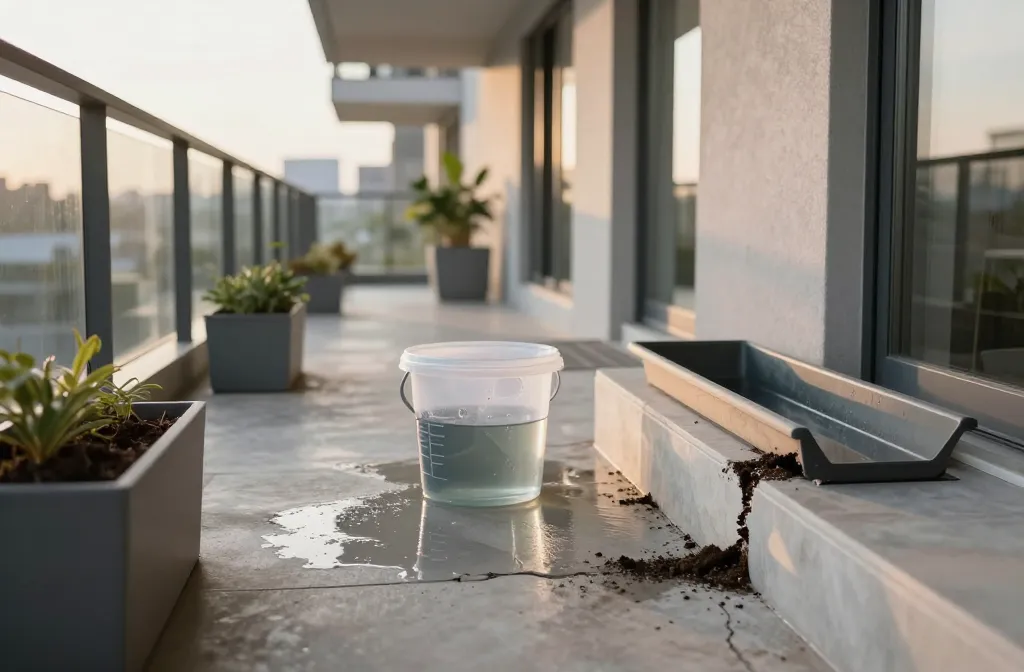
I’ve helped neighbors turn bare balconies into green retreats, then watched one panic when hairline cracks appeared under a row of waterlogged planters. The cause wasn’t wind or bad luck — it was weight, and it added up far faster than anyone expected. In this guide I’ll show you exactly how balcony loads work in real life and how to size planters, soil, and water so you stay safely under limits. You’ll learn quick checks, simple math with household measures, and practical setups you can buy at any garden centre.
The Real Problem: Water Weight, Not Just Pots
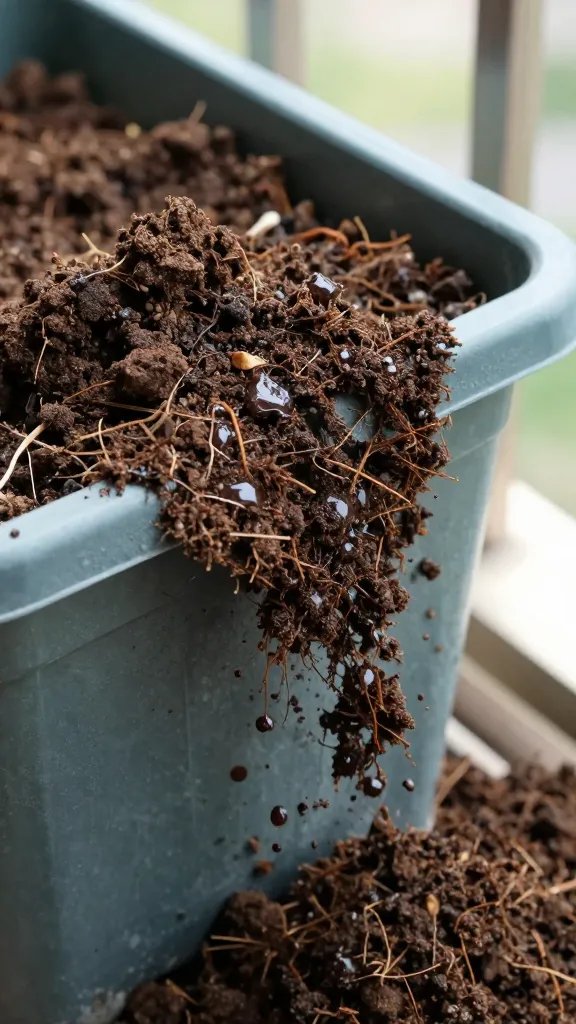
Most people count the pots and forget the water. Water weighs about 1 kg per litre, and a typical large planter can hold 20–60 litres when saturated.
So that “light” plastic trough? Dry, it’s nothing. After watering, it may add the weight of a grown adult to your railing. Multiply by three or four planters and you’ve loaded a small sofa onto a narrow edge.
Action today: Pick your heaviest planter and fill a household bucket with the amount of water it takes to fully soak it. Count the litres. That’s the hidden weight you add every watering day.
How Balcony Loads Work: Concentrated vs. Distributed
Balconies handle weight best when it spreads across the slab. Lining heavy planters on a narrow strip concentrates load, which stresses a small area and the edge beam.
Even if a building allows a safe total load, stacking weight in one corner or on the outer lip defeats that safety. You want planters set back from the edge and spaced so their “footprints” don’t overlap.
Step-by-Step: Spread the Load
- Measure from the railing back 30–45 cm and mark a line with painter’s tape — place heavy planters inside that line, not on the lip.
- Keep at least one hand’s width (10–12 cm) between large planters.
- Use wide-footprint saucers or trays to spread pressure; avoid narrow stands or tiny feet that create point loads.
Action today: Move your heaviest pot 30 cm away from the railing and place it on a wide saucer or tray to spread the load.
The “Light” Soil Myth: Potting Mix Gets Heavy When Wet
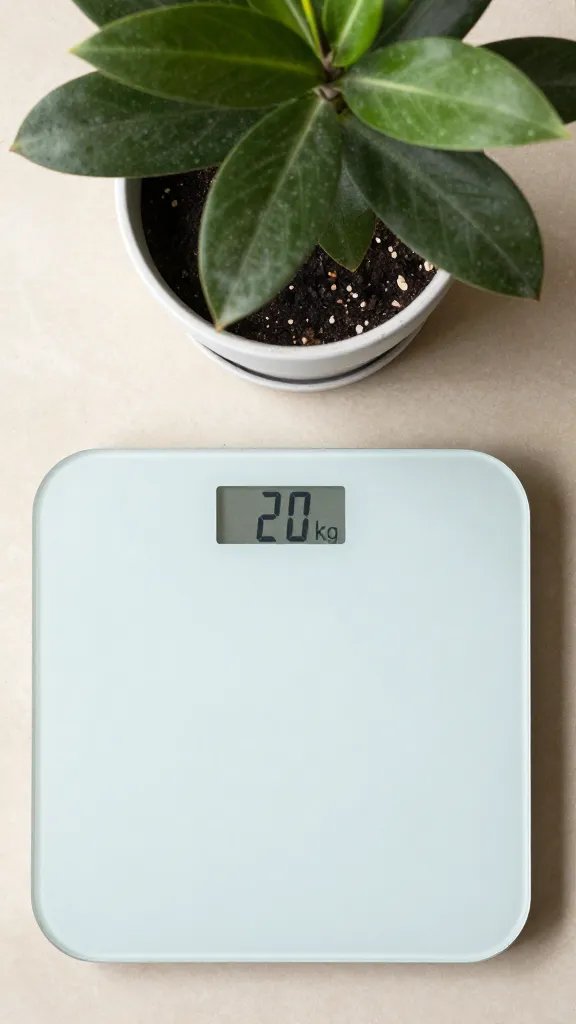
Dry potting mix feels featherlight because it’s full of air. Once saturated, a 50-litre bag weighs roughly 20–30 kg, and that’s before the pot, plants, and saucer water.
Add stones at the bottom and you add even more. “Drainage rocks” do not make pots lighter or drain better than a proper mix; they only reduce soil volume and raise water to the root zone.
Material Choices That Keep Weight Down
- Use plastic, fibreglass, or fabric planters instead of ceramic or concrete.
- Skip rocks; fill with a good quality potting mix from the garden centre.
- Add perlite or bark chips to large planters to improve drainage without much weight (mix roughly 1 part perlite to 3 parts potting mix).
Action today: Weigh a full 10-litre watering can in your hands; that’s about 10 kg. Picture that weight stored in each large pot after watering and adjust pot size accordingly.
Simple Math You Can Trust: A Quick Load Check
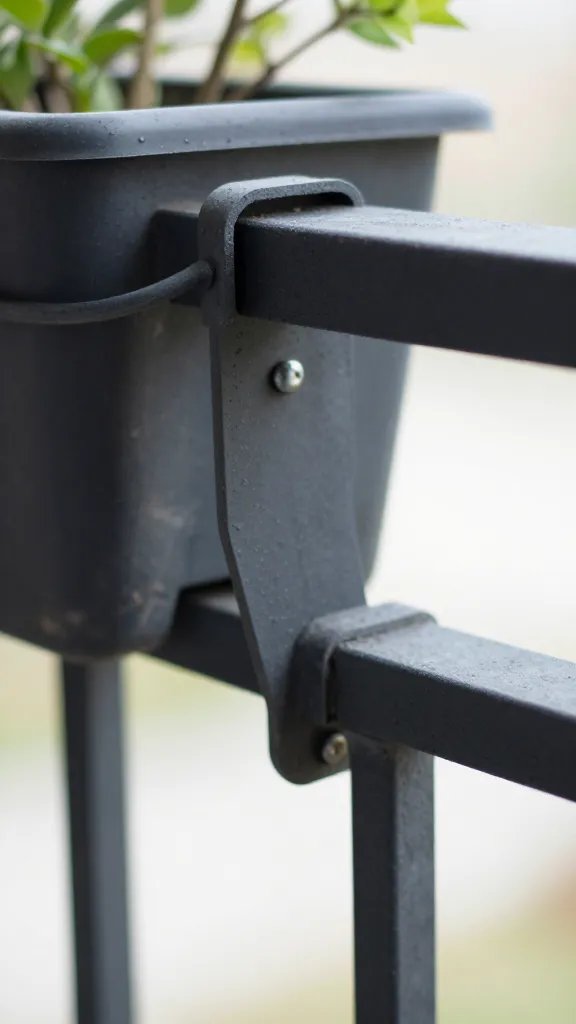
You don’t need engineering drawings, just consistent household measures. Estimate each planter’s wet weight and add them up; then keep a generous buffer.
Quick Estimator
- Planter volume: Measure inside length × width × depth in centimetres. Multiply and divide by 1000 for litres. For round pots, measure diameter and depth; volume ≈ 0.8 × diameter² × depth ÷ 1000.
- Wet mix weight: Use 0.4–0.6 kg per litre of potting mix when fully watered.
- Water held: Most mixes hold 20–30% water by volume after draining. So a 40 L planter carries about 8–12 L of water (8–12 kg).
- Pot weight: Plastic: 1–3 kg large; ceramic: 8–25 kg large.
Example: A 60 cm plastic trough (about 20 L of mix) weighs 8–12 kg for soil, 4–6 kg water, plus 2 kg pot = roughly 14–20 kg each. Three in a row can top 60 kg concentrated along the rail.
Action today: Choose one planter, estimate litres, multiply by 0.5 for wet soil weight, add 0.25 × litres for water, then add the pot’s weight. Write the number on masking tape under the pot.
Planting Strategies That Stay Under Safe Limits
You can grow plenty without maxing the scale. Prioritize more, smaller containers over a few massive ones, and plant lighter species that don’t need deep, always-wet soil.
Space-Smart, Weight-Smart Ideas
- Use railing planters only if they clamp securely and you keep them small (under 10 L each) and well-spaced. Never hang ceramic.
- Grow herbs and leafy greens like basil, parsley, thyme, lettuce, and arugula in 15–20 cm deep planters. They thrive with less soil.
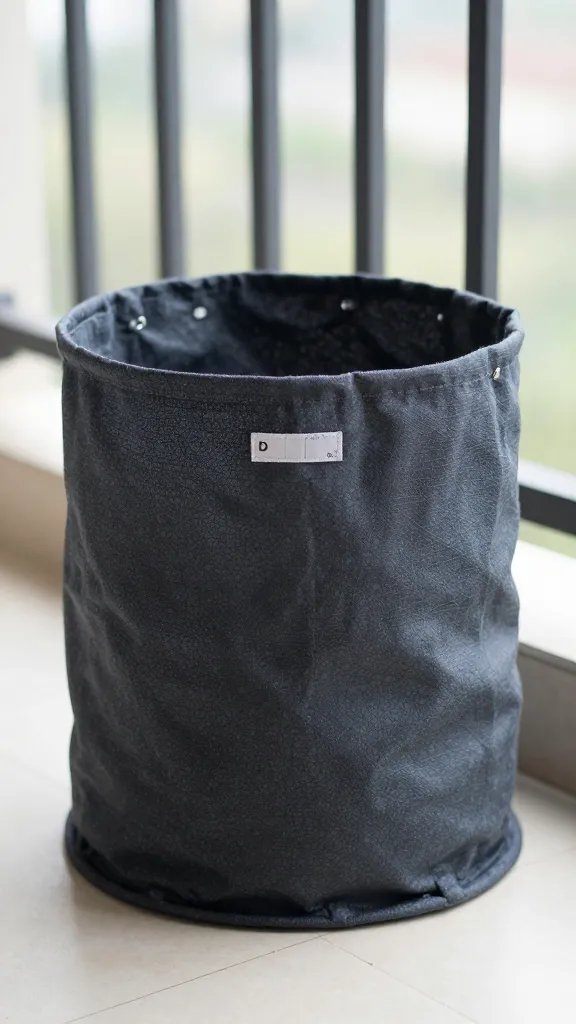
- Choose dwarf tomatoes or peppers in fabric grow bags (20–30 L) instead of giant ceramic tubs.
- Swap big shrubs for trellised climbers like peas or pole beans in medium containers with light frames.
Action today: Replace one oversized pot with two medium fabric grow bags placed 30 cm apart to spread weight and reduce total mass.
Watering Habits That Prevent Sudden Weight Spikes
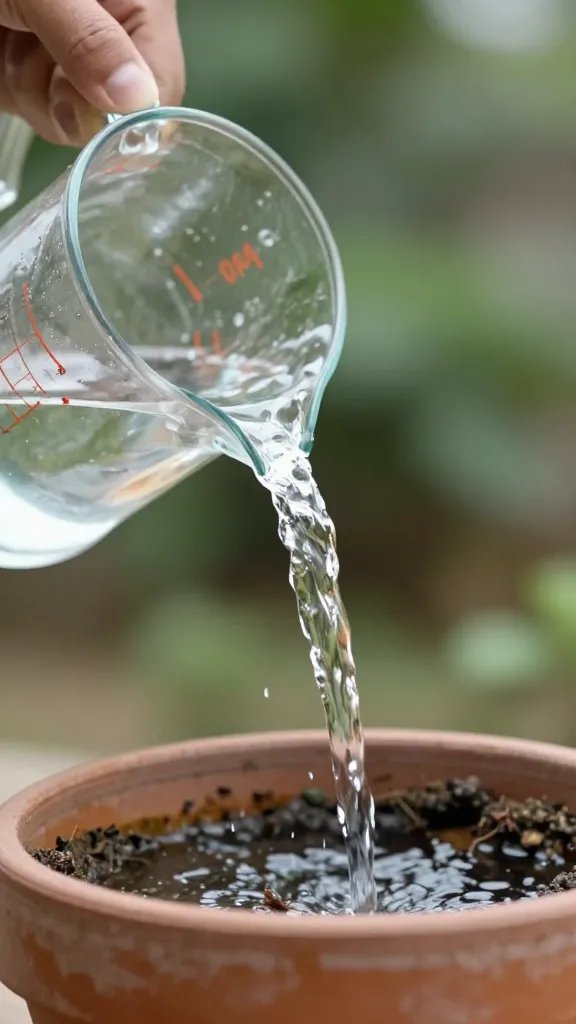
Most load “failures” happen right after a deep soak. Avoid saturating every pot at once and avoid water pooling in saucers.
Step-by-Step: Light, Even Watering
- Water in two passes 10 minutes apart so the first pass hydrates evenly and the second tops up without flooding.
- Stop when you see the first drops enter the saucer; empty saucers after 15 minutes.
- Use a basic drip kit from the garden centre on a timer for steady, smaller doses instead of one heavy soak.
Action today: After your next watering, tip each saucer to pour off standing water — you remove several kilos instantly and protect roots.
Red Flags: When Weight Is Already Hurting The Structure
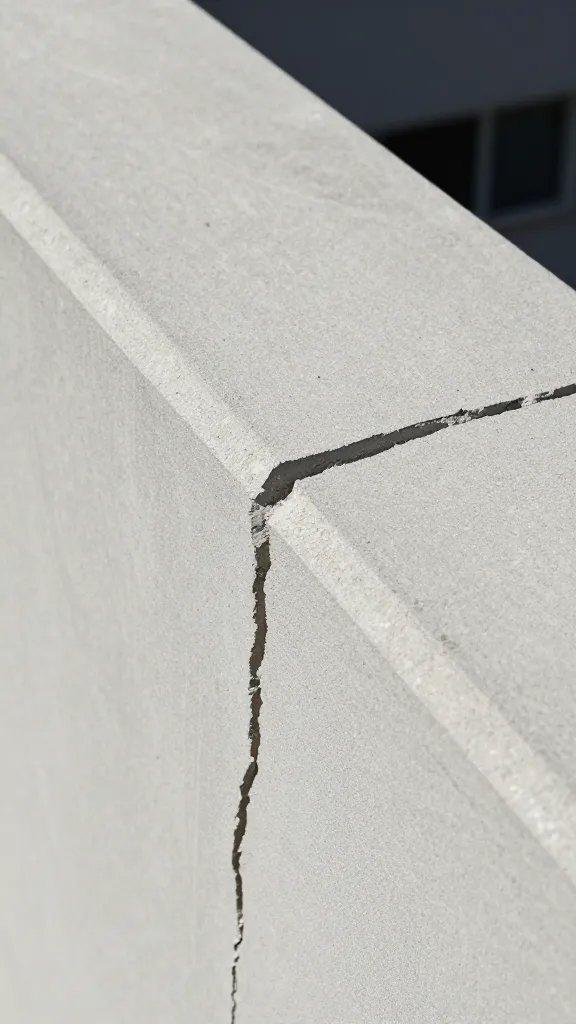
Most balconies give you small warnings before serious trouble. Take them seriously and reduce load the same day.
Warning Signs
- New hairline cracks radiating from beneath planters or along the outer edge.
- Metal railing looseness or a new creak when you lean on it.
- Persistent ponding in areas that used to drain — sagging concentrates water and weight.
- Spalling concrete (flaking) or rust stains near supports.
Action today: If you see any sign above, remove the heaviest pot first, redistribute the rest inward, and contact your building manager to inspect.
Frequently Asked Questions
How do I know my balcony’s weight limit without technical plans?
Start by asking your building manager or strata for the stated balcony load allowance. If you can’t get a number, act conservatively: keep any single planter under what you can comfortably lift with both hands (roughly 15–20 kg) and avoid lining heavy items on the edge. Spread pots and keep a clear buffer from the railing. When in doubt, go smaller and lighter.
Are ceramic pots a bad idea on balconies?
They look great but they’re heavy even before watering. A large ceramic pot can weigh 10–25 kg empty, then double when filled and watered. If you love the look, use one as a focal point set well back from the edge, and balance the rest with plastic or fibreglass. Always use a wide saucer to spread the load.
Do railing planters stress the structure?
They add a concentrated load directly to the rail, which isn’t designed as a shelf. Use only small, clamp-on plastic planters, spaced at least a forearm’s length apart. Keep them shallow, and never water until it pours out — light, frequent watering is safer. If the railing wobbles at all, remove them immediately.
What’s the safest way to grow tomatoes on a balcony?
Choose compact or dwarf varieties and plant in a 20–30 L fabric grow bag. Place the bag 30–45 cm back from the edge on a tray and use a lightweight stake or small cage. Water in two passes and empty saucers so you don’t carry extra litres. One sturdy plant per bag stays productive without a massive, soggy pot.
How do I reduce weight without sacrificing plants?
Split big arrangements into multiple medium containers and switch to lighter materials. Mix in perlite, use fabric or plastic pots, and choose plants with modest root depth. Replace constantly wet, large thirsties with herbs and greens that thrive in smaller volumes. Set up a basic drip kit to avoid heavy soakings.
Conclusion
You don’t need engineering gear to keep a balcony garden safe — just respect where the weight comes from and spread it wisely. Start by downsizing one heavy pot, moving weight off the edge, and watering in lighter passes. If you want a next step, map your balcony with tape lines and weight estimates under each pot; that 20-minute task keeps your garden thriving and your building sound.