
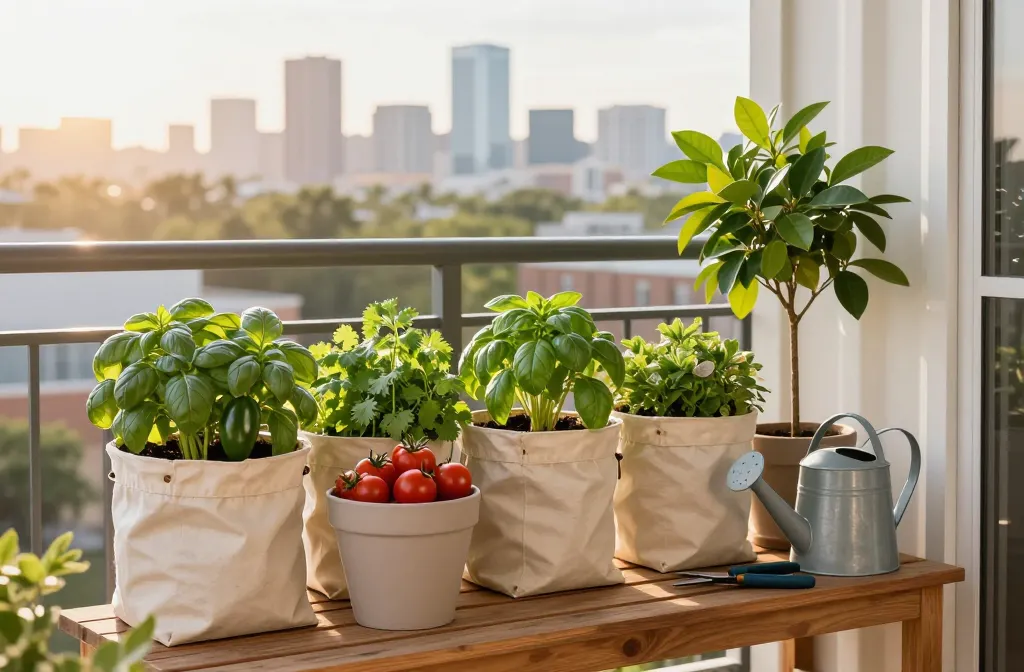
Texas sunshine gives apartment gardeners a secret superpower: you can grow food almost every month. You just need the right plants, the right containers, and a smart seasonal plan. This guide breaks down exactly what to plant and when, even if your “yard” is a 4×8 balcony or a bright window. Ready to snip salsa ingredients in July and harvest greens in January?
1. Map Your Microclimate Like a Garden Detective
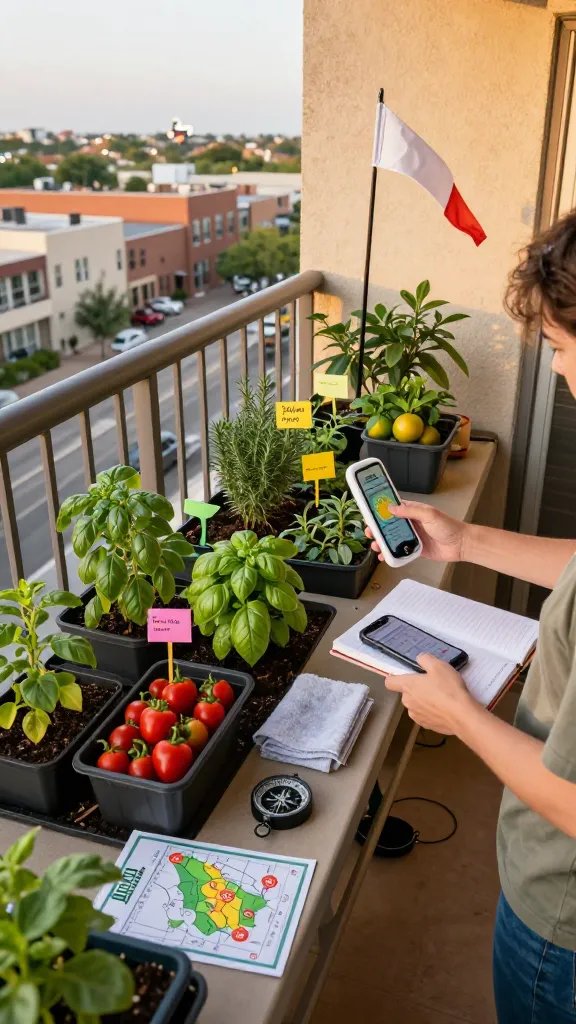
Before you buy a single seed, figure out what your apartment can actually support. Different Texas zones and balcony exposures change what thrives. Dial this in once and your garden stops guessing and starts producing.
Quick Recon Checklist
- USDA Zone: Most of Texas ranges from Zone 7b to 10a. North Texas (Dallas/Fort Worth) sits around 8a, Central (Austin/San Antonio) 8b–9a, Gulf Coast (Houston) 9a–9b, West Texas (El Paso) 8a, and the Valley 9b–10a. This decides frost timing.
- Sun Hours: Track your balcony/light for two days. Veggies need 6–8 hours of direct sun. Less sun? Prioritize greens and herbs.
- Exposure: South/west balconies roast; east gets gentle morning light; north needs shade lovers.
- Wind & Heat: High floors get gusty. Concrete reflects heat that can cook roots in July.
Smart Gear For Texas Heat
- Light-colored containers (plastic, fabric, or glazed ceramic) to keep roots cooler.
- Self-watering planters or fabric grow bags for airflow and hydration stability.
- Shade cloth (30–40%) for August afternoons, plus a cheap thermometer to spot hot zones.
- Drip spikes or a simple timer drip kit if you travel. Trust me, August will not forgive you.
Dialing in your microclimate helps you pick plants that won’t sulk, bolt, or fry. It’s the difference between limp herbs and a smug, year-round harvest.
2. The Texas Apartment Planting Calendar (No Yard Required)
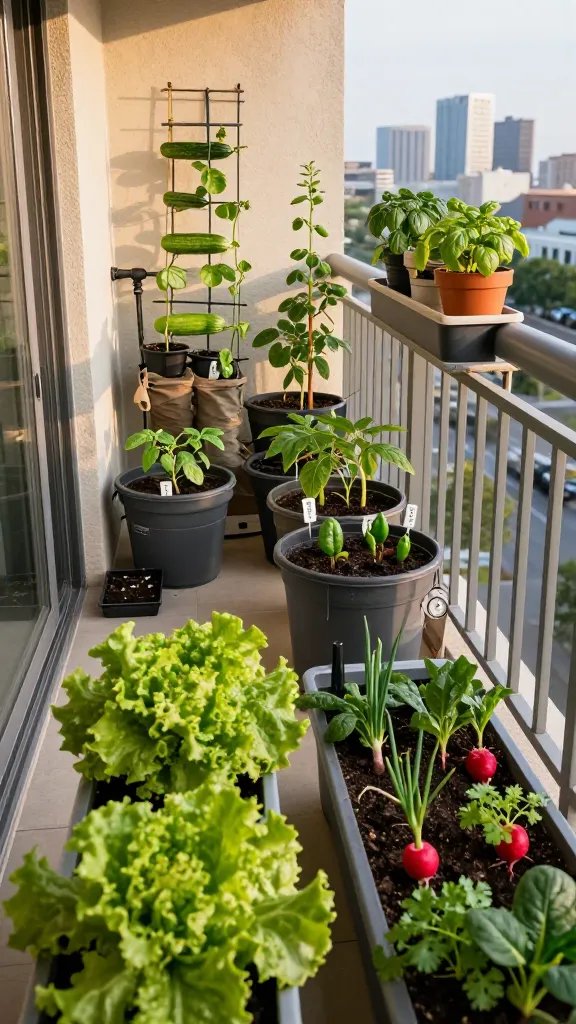
Timing makes or breaks a Texas garden. Plant cool-season crops early and heat lovers once nights warm up. You’ll rotate small containers every few months and harvest nonstop.
North & Central Texas (Zones 8a–9a) Timing
- January–February: Start greens (lettuce, spinach), peas, radishes, green onions, cilantro, parsley. Seed indoors if frosty nights persist.
- March–April: Transplant tomatoes and peppers after last frost. Direct sow basil, zucchini, cucumbers, bush beans.
- May–June: Lean into okra, sweet potatoes (slips), eggplant, Malabar spinach (heat-loving vine), roselle hibiscus (tea leaves and calyces).
- July–August: Maintain heat lovers. Start fall tomato seedlings in shade. Sow cowpeas (black-eyed peas) and hot peppers.
- September–October: Plant fall greens (kale, arugula, lettuce), broccoli in larger containers, carrots in deep pots, beets, dill.
- November–December: Keep harvesting greens and herbs. Protect with row cover on cold snaps.
Gulf Coast & South Texas (Zones 9a–10a) Tweaks
- Plant cool-season crops October–February. You basically get a salad buffet all winter.
- Start summer crops earlier (February–March). Watch humidity; choose disease-resistant tomatoes.
- Skip midsummer lettuces—save your sanity and plant them in fall.
Container-Friendly All-Stars
- Greens: Lettuce, arugula, kale, Swiss chard, mustard greens (partial shade friendly).
- Fruits/Veg: Patio/bush tomatoes, peppers, eggplant, okra, cucumbers (bush or trellised), zucchini (compact varieties), bush beans.
- Roots: Radishes (fast!), carrots (deep pot), beets, green onions.
- Herbs: Basil, rosemary, thyme, oregano, mint (pot alone), chives, cilantro (cool weather champ).
When you plant by season, you harvest more with less drama. FYI, nothing humbles a gardener like July lettuce—plant it in October instead.
3. Containers, Soil, And Watering: The Apartment Trifecta
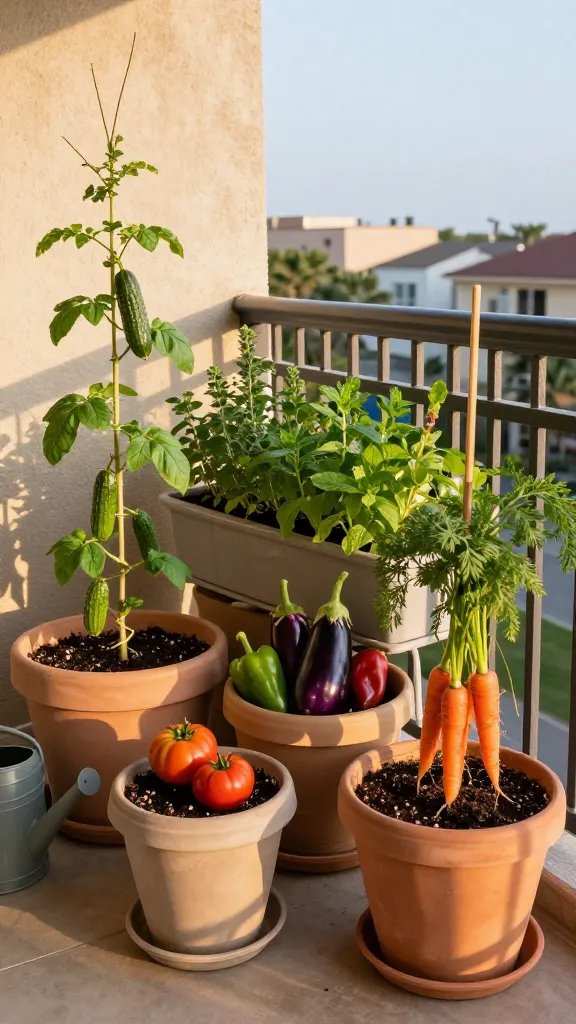
Containers do the heavy lifting in small spaces. Pair the right pot with the right soil and a simple watering routine and you’ll sidestep 90% of problems. Bad combo? Hello, crispy leaves and sad tomatoes.
Right-Size Your Pots
- Herbs & greens: 1–3 gallon pots or 10–12 inch wide planters. Window boxes work.
- Tomatoes: 10–20 gallons. Dwarf or determinate types can do 10; bigger needs 15–20.
- Peppers/eggplant: 5–10 gallons each.
- Cucumbers/zucchini: 10–15 gallons with a trellis.
- Carrots/beets: At least 12 inches deep; carrots love tall fabric bags.
Soil That Actually Drains
- Use a high-quality potting mix (not garden soil). Look for peat or coco coir, perlite/pumice, compost.
- Mix in slow-release organic fertilizer at planting. Top up every 6–8 weeks.
- For heat, add 1–2 inches of mulch (shredded bark, straw, or pine needles) to cool roots and cut watering.
Watering Without The Guesswork
- Stick a finger 2 inches into the soil. Dry? Water thoroughly until runoff.
- In summer, expect daily watering for small pots and every 1–2 days for large ones.
- Morning watering beats evening in humid areas. It deters fungal issues.
- Use self-watering planters for tomatoes and cucumbers to reduce blossom end rot.
Compact Supports And Trellises
- Tomatoes: Sturdy cage or 5–6 ft stake. Prune lightly to keep airflow.
- Cucumbers: A-frame or vertical net along the railing. Saves serious space.
- Beans/peas: Bamboo teepee or balcony netting.
Nail this trifecta and your containers become tiny powerhouses. Your neighbors will wonder if you’re hiding a greenhouse in there.
4. Heat Hacks, Cold Snaps, And Pest Control (The Texas Reality Check)
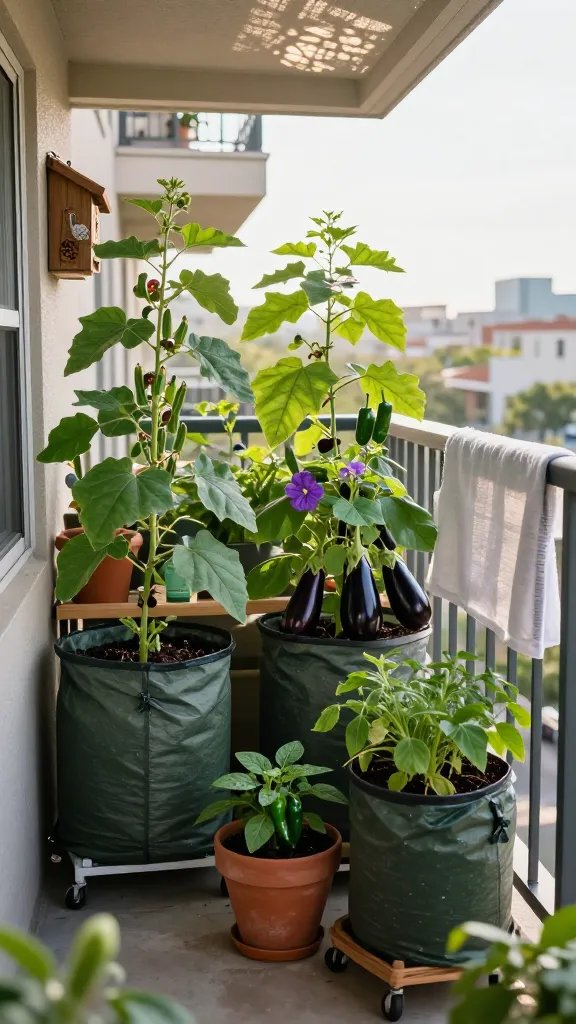
Texas weather swings hard: 105°F in August, surprise freezes in February. You can still harvest year-round with a few simple protections. Pest pressure? Manageable when you stay proactive.
Surviving Summer Heat
- Shade cloth from 1–5 pm on west-facing balconies. Even 30% shade keeps plants producing.
- Elevate pots off concrete with plant caddies to cool root zones.
- Hydration boost: Add a teaspoon of kelp extract or compost tea monthly to help stress tolerance.
- Choose heat lovers: Okra, eggplant, hot peppers, sweet potatoes, basil, Malabar spinach. These thrive while tomatoes complain.
Handling Cold Snaps
- Keep frost cloth or old sheets handy. Drape over cages and clip. Remove in the morning.
- Cluster pots near walls before freezes for radiant heat.
- Grow cool-season champs: kale, spinach, lettuce, peas, cilantro, parsley, dill—these shrug off chilly nights with minimal cover.
Pest Patrol Without Chemicals
- Aphids/whiteflies: Blast with water, then spray insecticidal soap or neem weekly until gone.
- Spider mites: Common in heat. Boost humidity with a morning mist; use neem or miticide soap.
- Caterpillars: Handpick or use BT (Bacillus thuringiensis) on brassicas.
- Fungal issues: Water soil, not leaves; ensure airflow. Trim crowded growth.
- Critter-proofing: Use mesh or bird netting if squirrels or birds get curious.
With a tiny stash of cloth, clips, and soap, you’ll glide through weather mood swings and uninvited bug parties. Seriously, it’s easier than it looks.
When To Pivot
- If tomatoes stop setting fruit above 95°F, stop forcing it. Harvest, prune lightly, and prep for a fall tomato run.
- If cilantro bolts in heat, replace it with basil and plant cilantro again in fall.
Flexibility keeps your garden productive year-round. IMO, the fall rebound tastes even better.
5. Small-Space Layouts And Crop Combos That Keep Producing
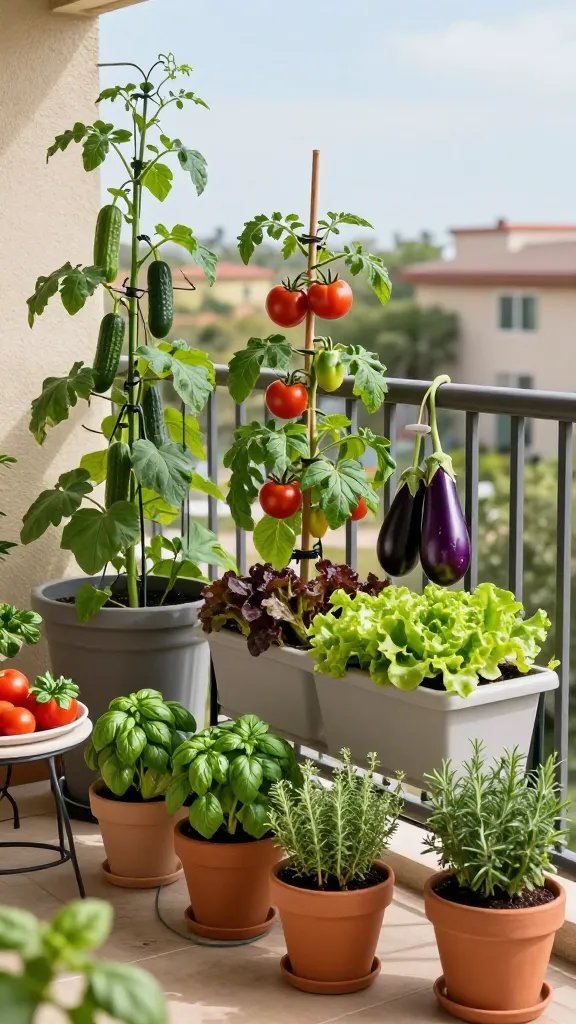
You don’t need a farm to eat like one. Smart layouts and plant pairings help you harvest constantly without cluttering your balcony. Think vertical, think succession, and think salad bowl.
Space-Savvy Layouts
- One Sunny Balcony (6×8): Two 15–20 gallon planters for tomatoes or peppers; two 10–15 gallon for cucumbers/eggplant; a vertical trellis; three 10-inch pots for basil, thyme, rosemary; one rectangular box for lettuces.
- East-Facing Patio: Prioritize greens and herbs; one compact tomato, one pepper, lots of leafy mixes.
- Window-Only Setup: Herbs, microgreens, green onions regrown from scraps, and dwarf peppers in the brightest window.
Year-Round Crop Combos
- Spring Salsa Kit: Patio tomato + jalapeño + cilantro + green onions. Harvest by early summer.
- Summer Heat Squad: Okra + eggplant + basil + Malabar spinach (trellis). Bulletproof in 100°F.
- Fall Comfort Set: Kale + lettuce + radish + dill + carrots (deep pot). Endless salads.
- Winter Herb Box: Parsley + cilantro + chives + thyme in a long planter with light frost cover.
Succession Planting Made Simple
- Every 2–3 weeks sow a new batch of lettuce, arugula, or radishes. Never run out.
- After spring peas finish, replace with bush beans. After summer cucumbers fade, switch to spinach.
- Start fall tomatoes from seed in July shade, transplant in late August for October–November fruit.
Compact Varieties Worth Hunting Down
- Tomatoes: ‘Celebrity’ (determinate), ‘Juliet’, ‘Patio Choice Yellow’, ‘Husky Cherry Red’, or any dwarf tomato series.
- Peppers: ‘Cayenne’, ‘Jalapeño M’, ‘Shishito’, ‘Lunchbox’ sweet minis.
- Cucumbers: ‘Patio Snacker’, ‘Bush Champion’, ‘Spacemaster’.
- Zucchini: ‘Astia’, ‘Eight Ball’, ‘Raven’ (compact habit).
- Greens: Cut-and-come-again mixes; ‘Lacinato’ kale; ‘Bright Lights’ chard.
- Heat lovers: Malabar spinach, roselle, okra ‘Cajun Delight’.
Quick Harvest Timeline (From Planting To Plate)
- Radishes: 25–35 days. Instant gratification.
- Lettuce/Arugula: 30–45 days; harvest outer leaves weekly.
- Bush Beans: 50–60 days; pick often for more pods.
- Cucumbers: 50–65 days; train vines early.
- Tomatoes/Peppers: 60–85 days depending on variety and heat.
These layouts and combos keep your balcony tidy and your harvest steady. You’ll feel like a produce wizard with a very small wand.
Ready to turn that balcony into a buffet? Start with two or three containers, plant for the season you’re in, and keep the water game strong. You’ll learn fast, eat better, and—bonus—your place will smell like fresh basil all summer. Now go grow something delicious!