
If you are short on space but big on berry cravings, a strawberry vertical garden kit is one of the easiest ways to grow a lot of fruit in a tiny footprint. Vertical farming can be up to 170 times more productive per square foot than traditional outdoor farming, which is exactly why home strawberry towers and wall kits are getting so popular.
Key Takeaways
| Question | Short Answer |
|---|---|
| What is a strawberry vertical garden kit? | It is a stacked or wall-mounted planter system that lets you grow multiple strawberry plants vertically instead of spreading them across the ground, like the setups we describe in our strawberry vertical garden guide . . |
| How many strawberries can I grow in a small kit? | Home containers typically yield about 1–2 pounds per plant per season, so a 20–30 pocket tower can comfortably supply a family through the season. |
| Do I really save space with vertical strawberry kits? | Yes, setups similar to the systems in our self watering vertical garden article can pack dozens of plants into a patio corner or balcony. |
| Are self watering strawberry vertical garden kits worth it? | If you travel or forget to water, a kit with drip irrigation and a reservoir pays for itself in saved plants and higher yields over the season. |
| Can I use a general vertical garden tower as a strawberry kit? | Yes, multi-tier systems like the 5 tier towers we cover in our vertical garden tower overview are ideal for turning into strawberry-only setups. |
| Do vertical strawberry gardens need special soil or fertilizer? | You will get better results with a high quality potting mix, slow release fertilizer, and good drainage as we explain in our soil preparation tips for vertical systems. |
1. What Exactly Is a Strawberry Vertical Garden Kit?
When we talk about a strawberry vertical garden kit, we mean a ready-to-assemble setup that lets you stack, hang, or mount strawberry plants in tiers instead of lining them up in a ground bed. Think towers, wall panels, or freestanding frames with multiple planting pockets, plus irrigation parts if you go for a self watering option.
These kits borrow a lot from the same vertical systems we use in edible gardens, just scaled to strawberry size and spacing. Many of the ideas come straight from commercial-style approaches where farms stack berries floor to ceiling for maximum yield.
Quick definition: A strawberry vertical garden kit is a compact system that gives each plant its own pocket or cup, shares water across levels, and fits where a regular raised bed never would.
We like to break these kits into three basic types.
- Stacked pots / towers for patios and balconies.
- Wall-mounted panels for fences and apartment walls.
- Hydroponic columns for soil-free berry growing.
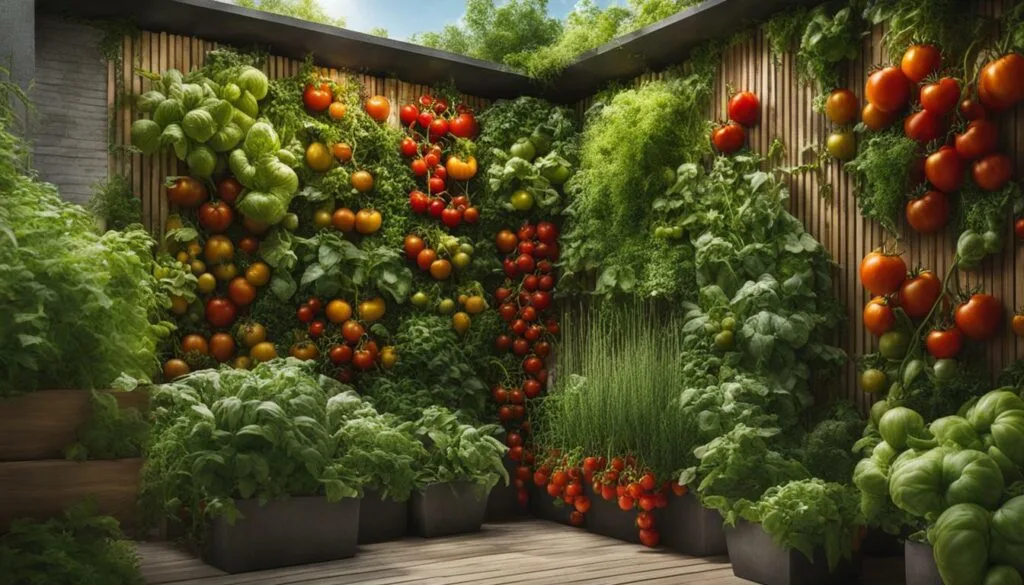
2. Why Grow Strawberries Vertically Instead Of In Beds?
We see three main reasons people reach for a strawberry vertical garden kit instead of digging a traditional patch. First, space, because most of us are trying to grow food on patios, balconies, or awkward side yards.
Second, cleaner fruit and fewer pests, since berries hang off the ground and get more airflow. Third, harvest convenience, because nobody likes crawling on their knees hunting for ripe berries under leaves.
- Space saving: Vertical strawberry stacks can accommodate 9 or more plants in a footprint that would normally hold just a couple in the ground.
- Healthier plants: Better airflow, quicker drying leaves, and less slug pressure.
- Easier irrigation: Many kits share water down through each level.
“Growing strawberries vertically has several advantages, including increased yield, better pest management, and improved soil health.” We designed our content and kits around this exact idea.
For apartment and condo growers, the biggest win is simply that you can finally say yes to strawberries without needing a backyard.

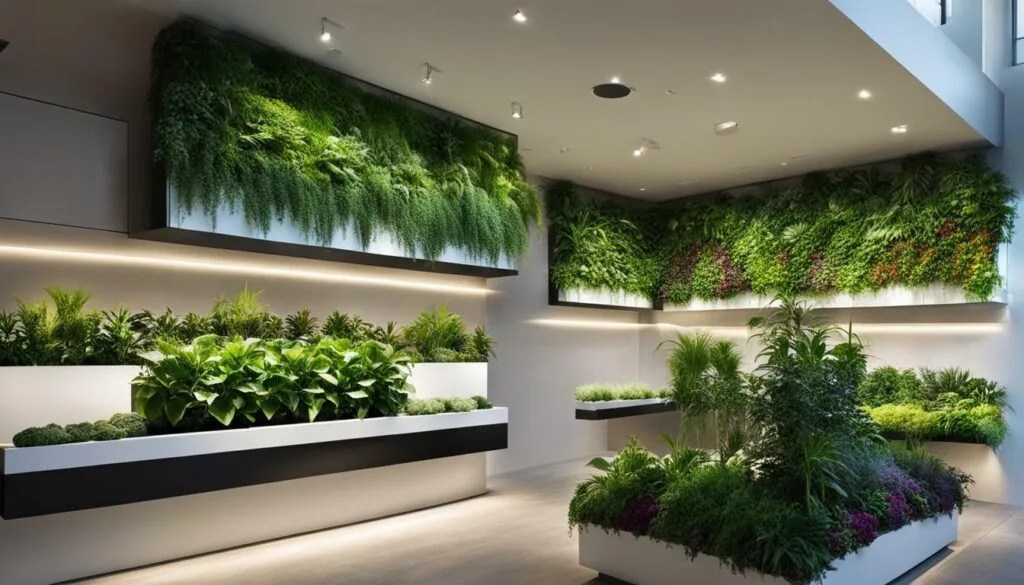
3. Core Components Every Good Strawberry Vertical Garden Kit Should Include
Not all kits are built the same, so we always look for a few non‑negotiable parts before we recommend anything as “strawberry-ready.” The structure is obvious, but water movement, drainage, and plant spacing matter just as much.
Here is a simple breakdown you can use as a mini checklist when you shop.
| Component | Why It Matters For Strawberries |
|---|---|
| Tiered or pocketed structure | Gives each crown room while keeping fruit exposed to light. |
| Water reservoir or top watering tray | Lets water trickle down so upper plants do not dry out first. |
| Sturdy frame or base | Prevents tipping when plants get heavy with fruit and water. |
| Drainage holes | Stops root rot and keeps berries from getting waterlogged. |
| Optional drip lines | Makes consistent watering easier, especially for busy growers. |
We like to think of a strawberry vertical garden kit in layers, just like the plants grow. Water starts at the top, then gravity does the rest, so the kit design needs to support that flow.
If you already own a vertical planter for herbs or flowers, you can often repurpose it as a strawberry kit by adjusting soil, spacing, and irrigation.
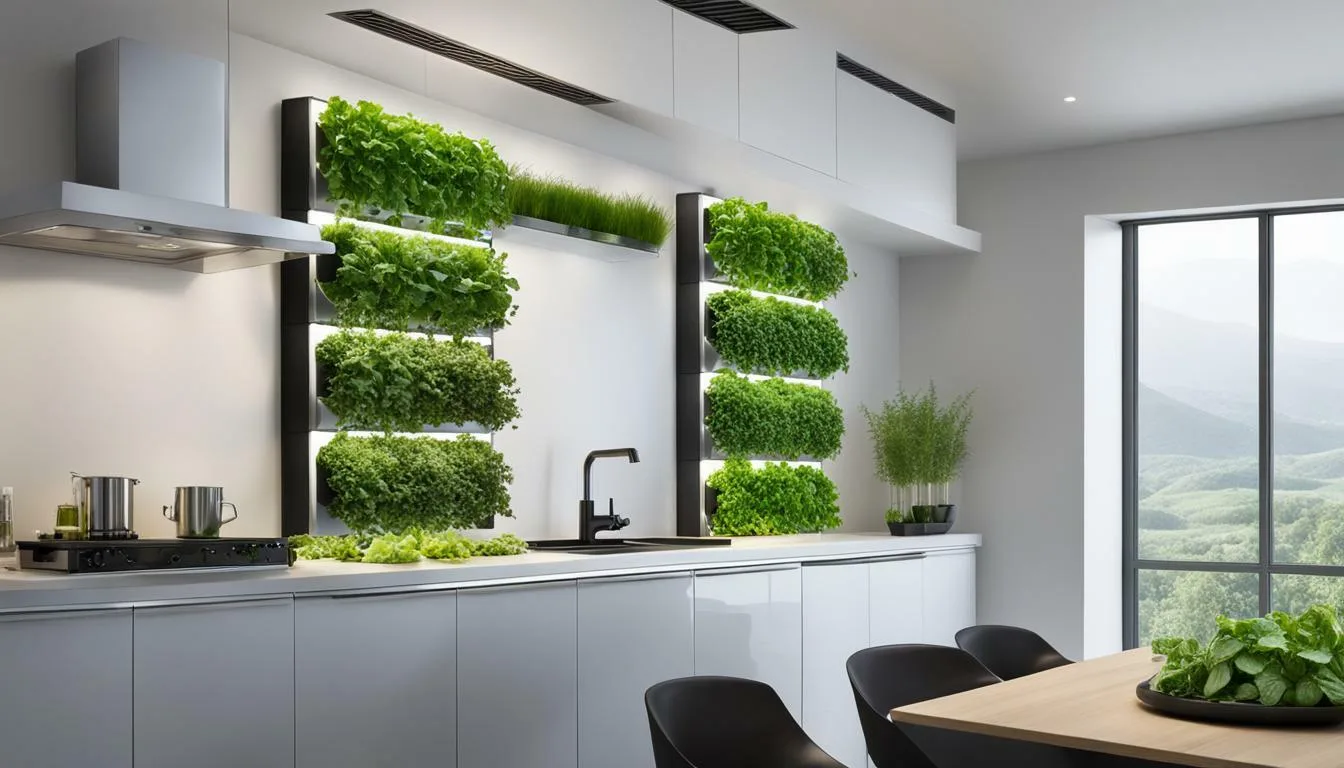
Discover the 5 key benefits of a strawberry vertical garden kit. This infographic highlights how a vertical setup saves space and simplifies growing strawberries.
Did You Know?
Vertical farming can be 170x more productive per square foot than outdoor farming.
Source: Forbes
4. Turning a 5 Tier Vertical Garden Tower Into a Strawberry Kit
5 Tier Vertical Garden Tower For Strawberries
One of our favorite base structures for a DIY strawberry vertical garden kit is a 5 tier tower with multiple pockets. A design like the 5 Tier Vertical Garden Tower we discuss in detail offers up to 30 planting spots in one compact footprint.
For strawberries, that kind of density is perfect, as long as each pocket is deep enough for roots and wide enough for the crown to sit at the surface.
- Plant 1 strawberry per pocket to avoid overcrowding.
- Use a high quality potting mix instead of garden soil.
- Water from the top tier and let gravity hydrate the rest.
If you treat the tower as a strawberry-only kit, you can stagger varieties, for example early types up top and everbearers on lower tiers to stretch your harvest season.

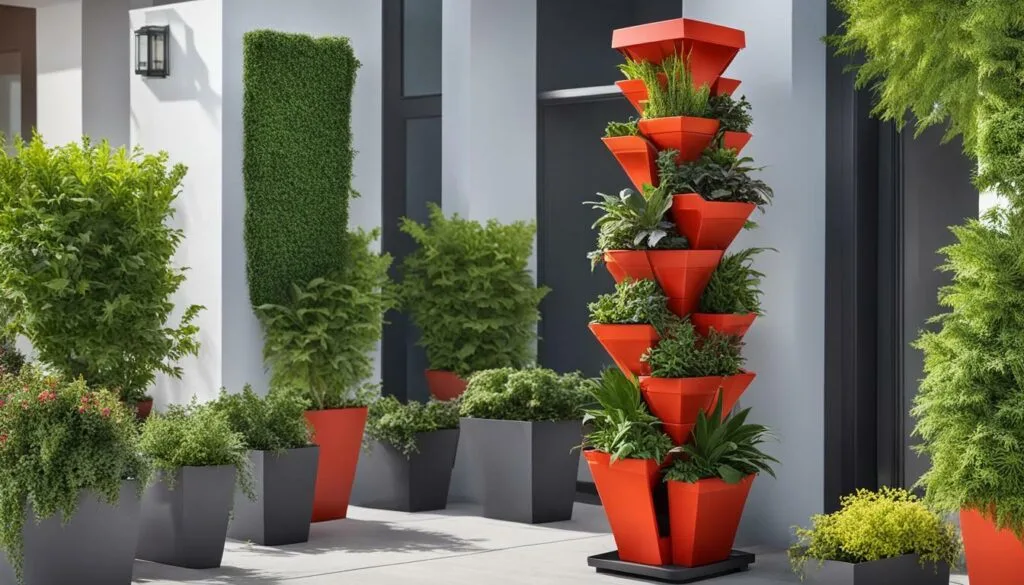
5. Self Watering Strawberry Vertical Garden Kits: Less Work, More Berries
How Self Watering Systems Help Strawberries
Strawberries hate drying out, especially in vertical planters where the top tier gets the most sun. This is where a self watering strawberry vertical garden kit really earns its keep.
We like systems built around drip irrigation and reservoirs, similar to the setups we describe in our self watering vertical garden overview.
- Drip lines deliver water directly to roots in each pocket.
- Timers keep the schedule consistent on hot days.
- Reservoirs save you from daily watering chores.
“One of the key features of our self watering vertical garden is the drip irrigation system. This system delivers water directly to the roots of the plants, minimizing water waste.” This is exactly what strawberries need in stacked systems.
If you already own a non‑self watering tower, you can often add a simple drip kit and small reservoir to turn it into a semi-automatic strawberry system.


6. Soil, Fertilizer, And Varieties For Your Strawberry Vertical Garden Kit
Even the best strawberry vertical garden kit will disappoint if the soil mix or varieties are off. In vertical pockets, soil dries faster and nutrients flush out quicker, so we always start with a high quality, peat or coir based potting mix and add compost for structure.
Slow release fertilizer in the mix plus a light liquid feed every few weeks keeps fruit production strong all season.
- Day neutral varieties work especially well in vertical setups because they fruit over a long season instead of in one flush.
- Everbearing types are perfect if you want smaller but steady harvests.
- Short day (June bearing) can work too if you are after one big early crop.
In terms of layout, we usually plant the most vigorous varieties in the middle tiers where moisture stays more consistent, and tuck more delicate types in slightly shadier or lower pockets.
That way, your strawberry vertical garden kit stays productive from top to bottom without stressing plants on exposed tiers.

7. Hydroponic Strawberry Vertical Garden Kits For Soil-Free Growing
Vertical Hydroponic Herb Systems Repurposed For Strawberries
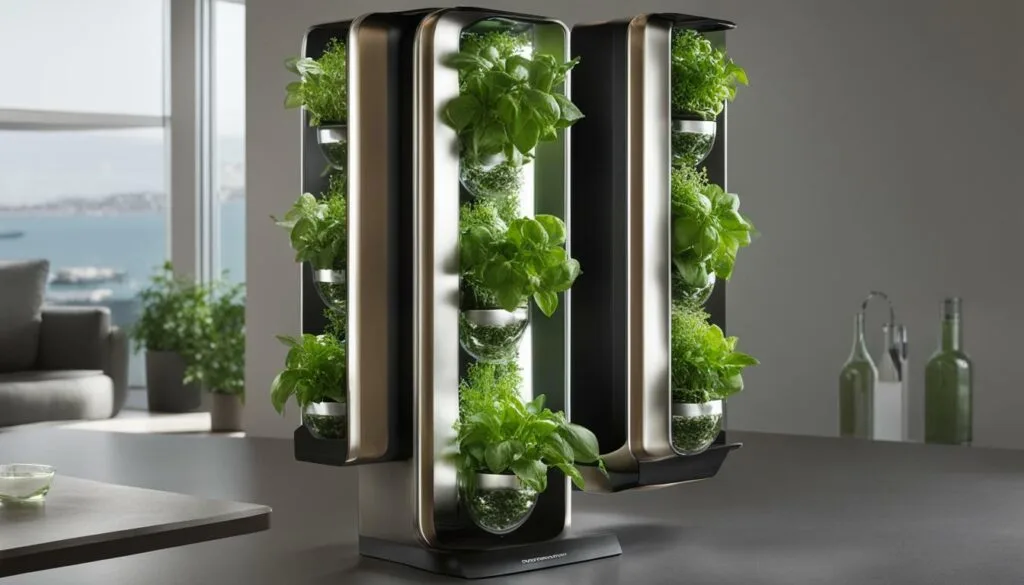
If you like the idea of skipping soil altogether, a vertical hydroponic strawberry garden kit is worth a look. Many home systems originally marketed for herbs, like the vertical hydroponic herb garden styles we cover, adapt nicely to strawberries.
Hydroponics replaces soil with a nutrient solution, which flows through channels or tubes and feeds roots directly.
- Net cups hold each strawberry plant in vertical columns.
- Pumps and timers keep the solution circulating.
- Nutrient blends designed for fruiting plants boost yields.
Day neutral strawberries are especially good candidates, since they can fruit nearly year round under stable hydroponic conditions.
If you go this route, your “kit” will include plumbing parts, a reservoir, pump, and growing cups instead of potting mix and bulky pots.
Did You Know?
Vertical strawberry stacks can accommodate 9 plants in a 3′ x 3′ footprint.
Source: Scenic Valley Farm (USDA VGSP project)
8. Outdoor Strawberry Vertical Garden Kit Ideas For Balconies And Patios
Most people imagine their strawberry vertical garden kit outdoors, and that is usually easiest for light and airflow. Outdoor herb towers and wall systems translate directly into strawberry kits with a few tweaks.
If you have a balcony, a tall tower in one corner plus a narrow wall unit along the railing can easily hold 20 to 40 plants.
- Place sun hungry strawberries on the brightest side of your space.
- Use wind breaks if you are on a high floor with strong gusts.
- Add a simple trellis around the base to keep fruit from brushing walls or railings.
For patios and ground level decks, you can go a bit larger, stacking multiple strawberry vertical garden kits or arranging towers in clusters for easier irrigation.
If your climate runs hot, light colored or wooden structures, like some of the Gronomics style vertical frames, help keep roots cooler than dark plastic alone.
9. How Much Fruit To Expect From Your Strawberry Vertical Garden Kit
We always encourage people to set realistic expectations with strawberry vertical garden kits. In containers and towers, typical strawberries will give around 1 to 2 pounds of fruit per plant per season under good care.
That means a 20‑plant tower can easily put out 20 to 40 pounds of berries over the season, which is a lot of breakfasts and desserts from a very small space.
- More sun plus regular feeding usually equals better yields.
- Day neutral varieties spread yield through the season instead of one surge.
- Hydroponic setups may sit slightly lower per plant in some trials, but can run almost year round.
Remember that the first year is often a “setup” year for strawberries, especially if you start from bare root plants. Yields in year two are usually noticeably better in the same kit.
If you want consistent production, plan to refresh or rotate plants every 2 to 3 years so your vertical garden stays vigorous.
10. Simple Maintenance, Pests, And Irrigation Tips For Strawberry Kits
Once your strawberry vertical garden kit is planted, most of the work is about small, regular habits instead of big weekend projects. We focus on three things: water, pruning, and pest checks.
Vertical systems can dry out faster than beds, so even with a self watering kit, we get in the habit of quickly feeling the top tier soil every day or two during heat waves.
- Pinch runners you do not need so energy goes into fruit instead of new plants.
- Remove dead leaves to improve airflow and reduce disease pressure.
- Check undersides of leaves for aphids, mites, or other pests early.
If your kit uses drip irrigation, flush lines a couple of times per season to prevent clogs, especially if your water has a lot of minerals. For soil based towers, top up compost or potting mix as it settles to keep crowns at the proper height.
A few minutes of quick checks each week will keep your strawberry vertical garden kit on track for years instead of just one good season.
11. Interactive Checklist: Is A Strawberry Vertical Garden Kit Right For You?
To wrap things up before the conclusion, here is a quick interactive style checklist you can walk through. Mentally tick off each item, and if you hit most of them, a strawberry vertical garden kit will probably fit your life pretty well.
- [ ] I have at least 4 to 6 hours of sun on a balcony, patio, or bright wall.
- [ ] I can water or check a reservoir at least a few times per week.
- [ ] I am OK refreshing soil or nutrient mix a couple of times per season.
- [ ] I prefer cleaner, raised fruit over ground grown berries.
- [ ] I like the idea of growing 10 to 30 plants in a very small space.
If you only checked a couple of boxes, you might start smaller, maybe with a single short tower or wall panel as a trial. You can always stack on more tiers or add a second strawberry vertical garden kit later once you know how it behaves in your space.
The nice thing is that these systems are flexible, so as your confidence grows, your wall of strawberries can grow right along with it.
Conclusion
A strawberry vertical garden kit is basically a shortcut to growing a lot of berries in a small, tidy space, whether that is a balcony, patio, or tiny backyard. By combining a smart vertical structure, consistent irrigation, good soil or nutrients, and the right strawberry varieties, you turn a bare wall or corner into a steady source of fresh fruit.
As you compare towers, wall systems, and hydroponic options, look for the simple things first, strong tiers, good drainage, and an irrigation plan that fits how you actually live. From there, you can scale up as your confidence and appetite for homegrown strawberries both grow.