
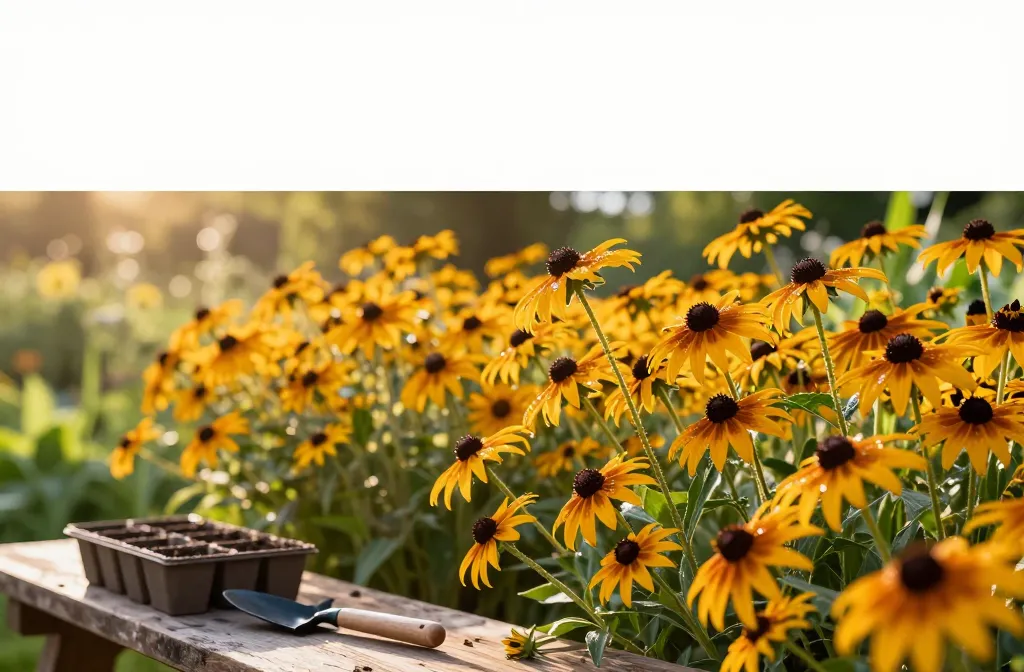
Want those golden Rudbeckia blooms flaunting color before summer even RSVPs? You can absolutely nudge them into an early show. These fast, friendly hints help your black-eyed Susans pop sooner, look fuller, and keep the party going. Let’s pull the curtain early on your brightest summer stars.
1. Start Seeds Extra Early (Without Getting Leggy)
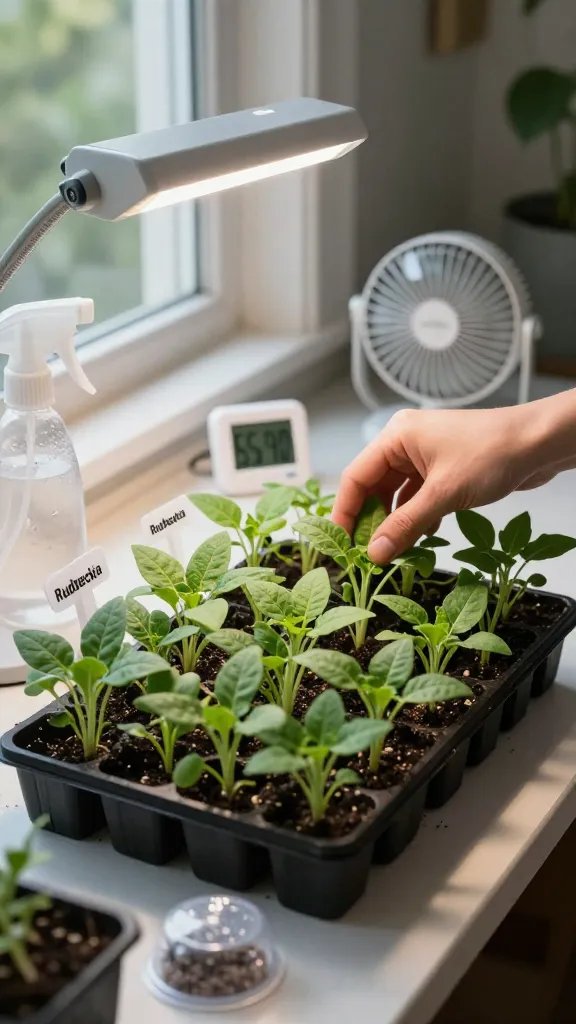
Rudbeckia from seed feels like a cheat code if you start right. Begin 8–10 weeks before your last frost so they’re ready to sprint when temps warm up.
Tips:
- Use bright light right after germination—grow lights 2–3 inches above seedlings.
- Keep temps around 65–70°F for sturdy growth.
- Brush your hand over seedlings daily to strengthen stems—yes, really.
Early starts mean earlier buds, which means earlier bragging rights. Seriously, sow once and you’ll never go back.
2. Cold Stratify For Faster, Even Germination
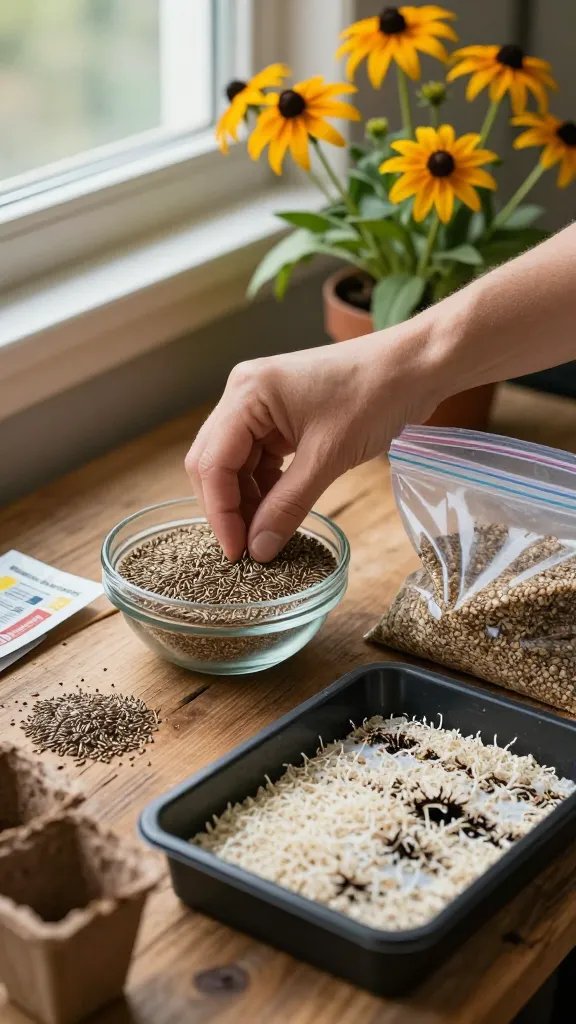
Some Rudbeckia, especially hirta mixes, wake up faster if you mimic winter first. It sounds fancy, but it’s just a chill nap for the seeds.
How-To:
- Mix seeds with moist (not soggy) vermiculite or sand in a zip bag.
- Refrigerate for 2–3 weeks.
- Sow on the surface—they need light to germinate.
This jump-start gives you uniform seedlings and a tighter bloom window for that early-summer “wow.”
3. Give Them A Sunny Launch Pad
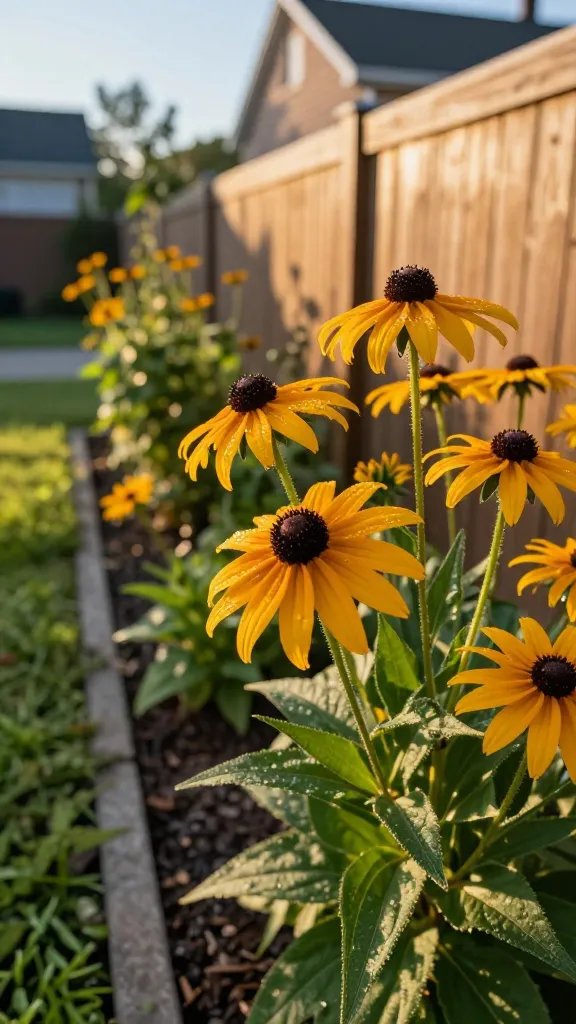
Rudbeckia lives for sun. If you want sneak-peek flowers, plant them where sunrise hits and lingers.
Key Points:
- Aim for 6–8 hours of direct sun (more if your summer runs cool).
- Morning sun dries dew fast, which reduces mildew later.
- South or west exposures boost early warmth and earlier buds.
Bright light translates directly to earlier blooms and stronger stems—no drama, just daisies.
4. Warm The Soil, Win The Race
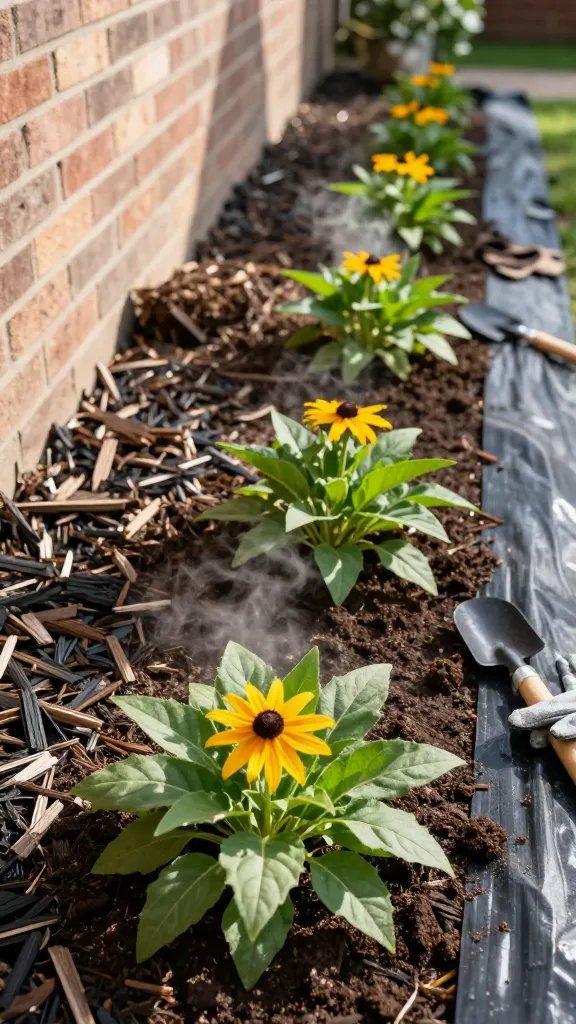
Soil warmth flips Rudbeckia into growth mode. You can hack the season by sneaking a little heat into the ground.
Quick Tricks:
- Lay black landscape fabric or plastic 1–2 weeks pre-planting.
- Use dark mulch after transplanting to hold that heat.
- Plant near a south-facing wall for bonus radiance.
Warmer roots equal earlier buds—like giving them a hot latte on a cold morning.
5. Harden Off Like You Mean It
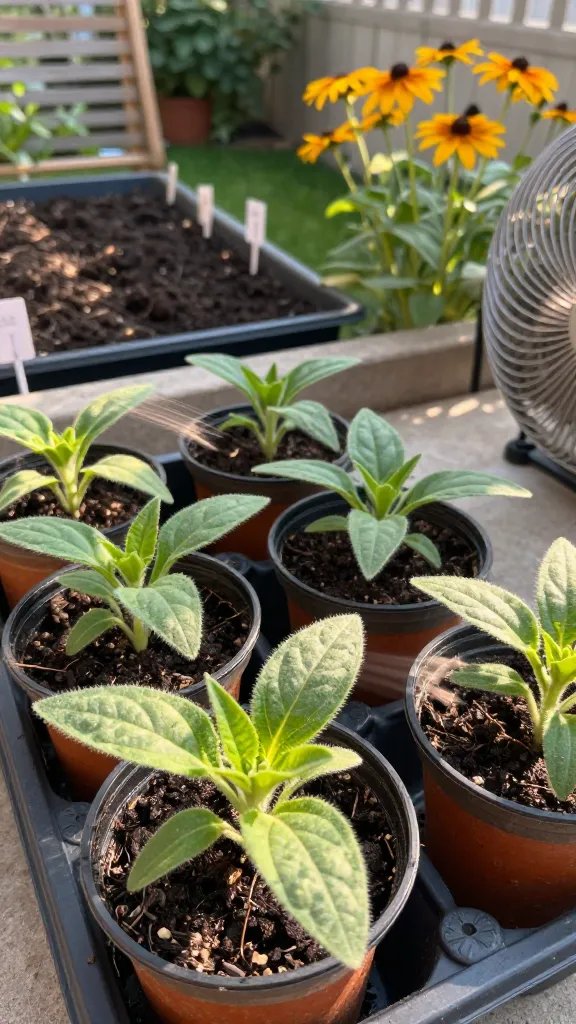
Baby plants need training before the outdoors. Skip it and you’ll stall growth, which delays bloom—boo.
Schedule:
- Days 1–2: Shade outdoors for 2–3 hours.
- Days 3–5: Partial sun, add light breeze exposure.
- Days 6–7: Full sun, full days, then plant.
A solid hardening-off week prevents transplant sulks and keeps your early-bloom timeline intact.
6. Feed Light And Right (No Leafy Overkill)
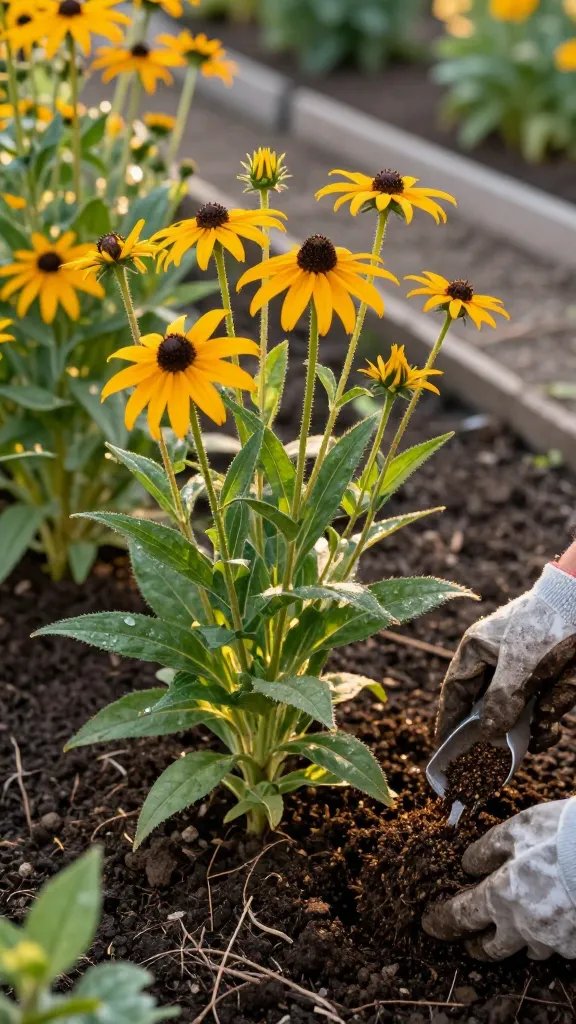
Rudbeckia loves fertility, but too much nitrogen makes salad, not flowers. Balanced and slow equals earlier buds.
What Works:
- Mix compost into planting holes—one spadeful per plant.
- Use a balanced granular (like 5-5-5) at half-strength at planting.
- Top-dress with compost midseason for stamina.
Controlled feeding cues them to bloom early without turning into gym bros of foliage.
7. Choose Early-Blooming Cultivars (Secret Sauce)
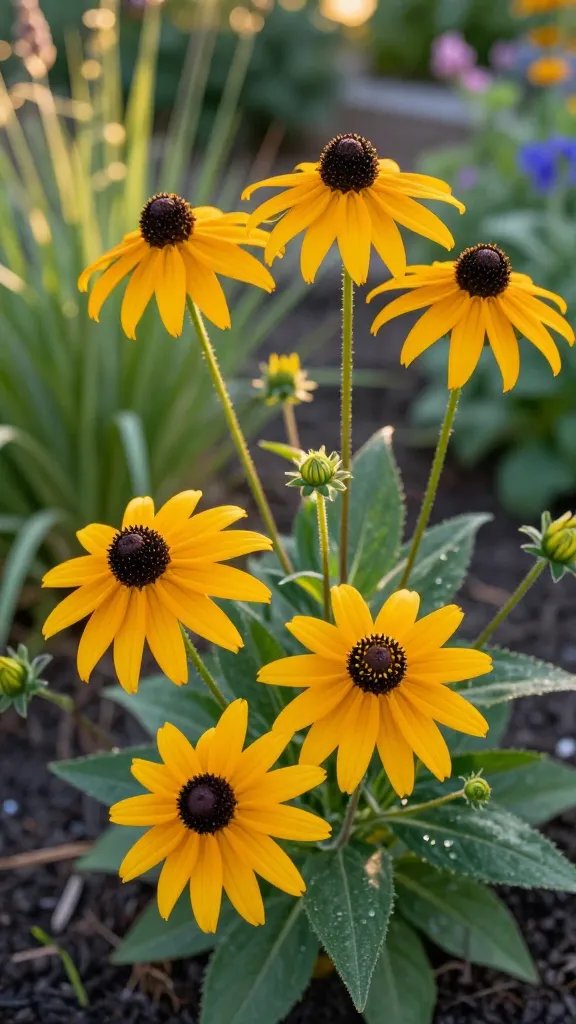
Some varieties sprint; others jog. Pick the speed demons for those summer sneak peeks.
Standouts:
- Rudbeckia hirta (many mixes) – often first to flower from seed.
- ‘Irish Eyes’ – chartreuse centers, quick to color up.
- ‘Goldsturm’ (R. fulgida) – reliable perennial, early with a warm spring.
Choosing genetics that flower early saves you weeks—IMO the easiest win on this list.
8. Pinch And Plant Dense For Bushier First Acts
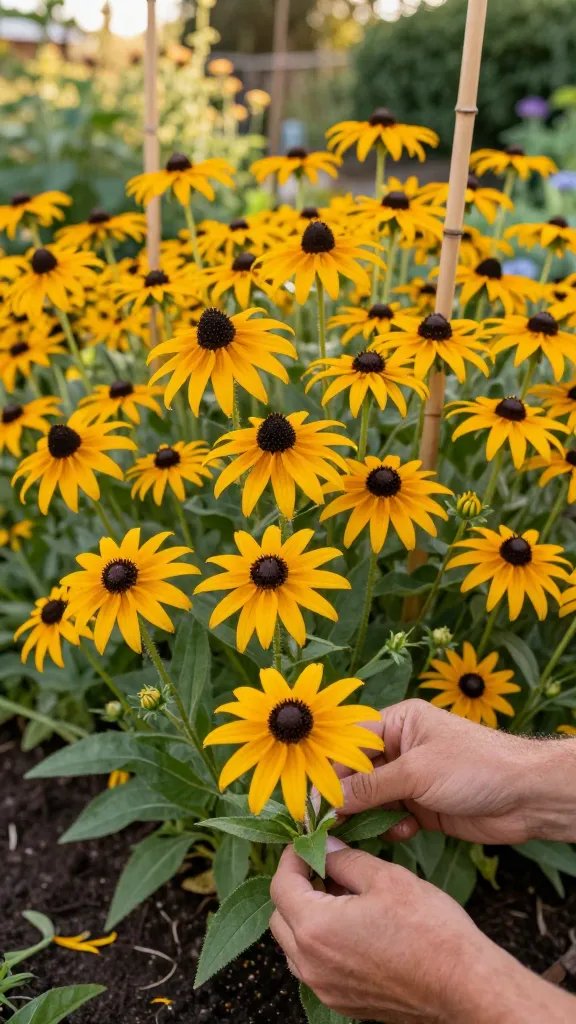
One soft pinch can give you more stems and earlier side buds. Combine with closer spacing for a full-on gold rush.
How-To:
- When seedlings hit 6–8 inches, pinch the top 1 inch.
- Space 12–15 inches apart for R. fulgida; 10–12 for R. hirta mass plantings.
- Stake invisible bamboo early if wind is spicy.
More stems = more buds = more early color. Math never looked so sunny.
9. Water Deep, Then Back Off
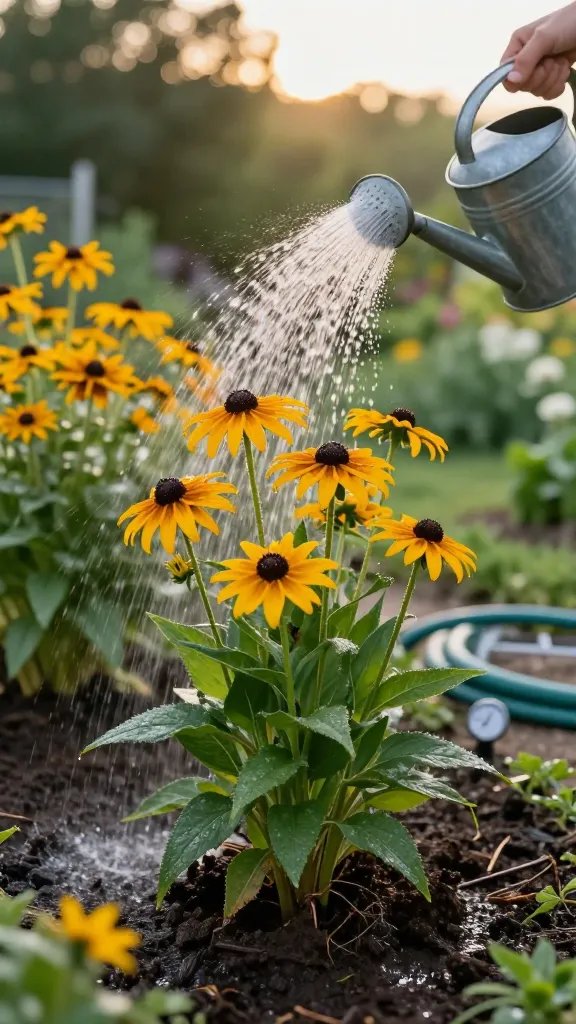
Early-season overwatering makes floppy plants and delayed blooms. Think fewer, deeper sips.
Guidelines:
- Water 1 inch per week, including rain, during establishment.
- Switch to deep soakings every 5–7 days once rooted.
- Morning watering keeps leaves dry and happy.
Deep roots handle heat waves and keep early flowers from stalling out.
10. Mulch Smart To Speed Spring
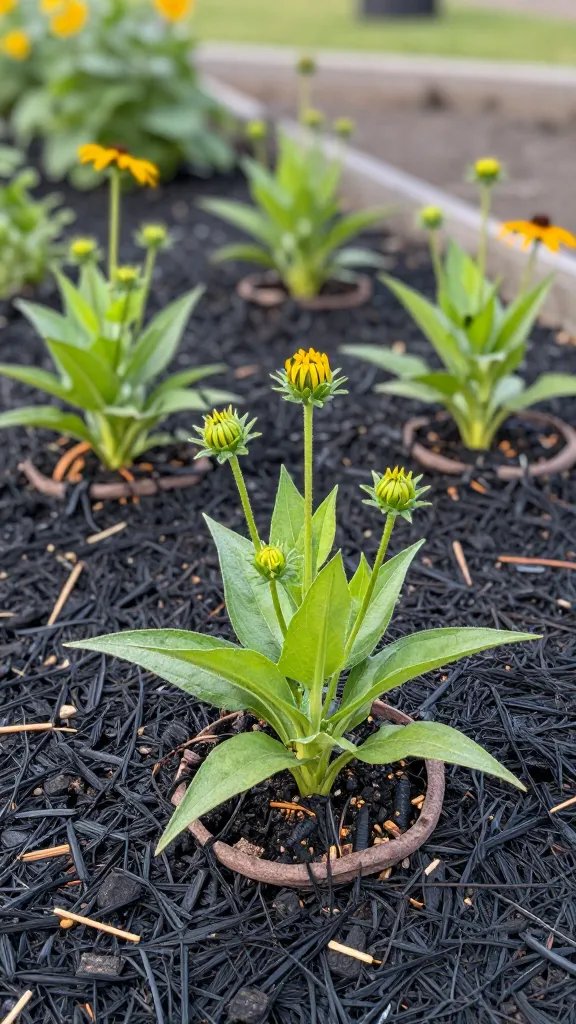
Mulch helps, but timing matters if you want an early show. Use it to manage warmth, not smother momentum.
Do This:
- Apply a light 1–2 inch layer after the soil warms.
- Pull mulch back from crowns by an inch to prevent rot.
- Choose dark, fine mulch to hold heat in spring.
Smart mulch keeps moisture steady and pushes buds to form sooner, not later.
11. Deadhead Ruthlessly For Waves Of Color
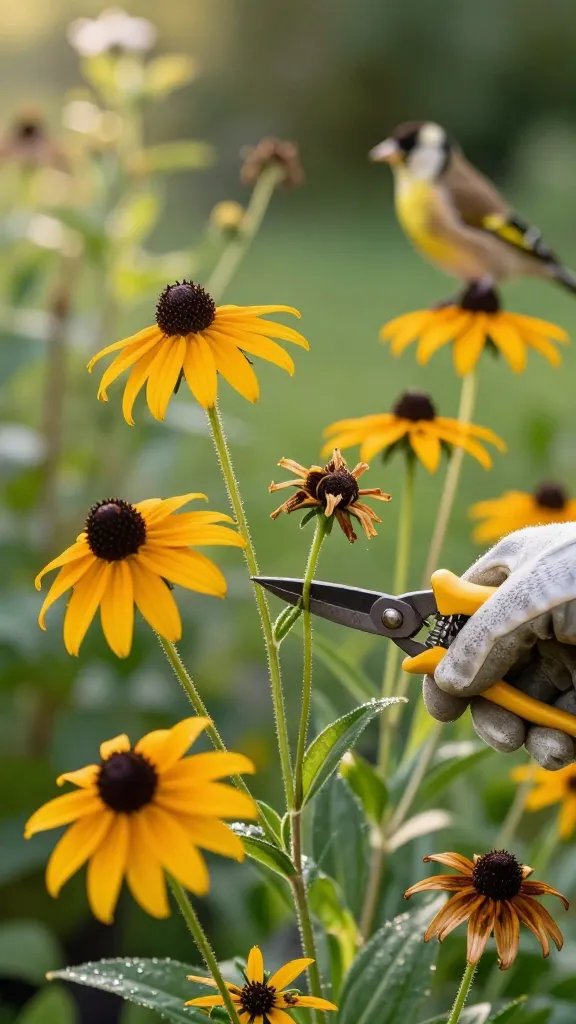
Spent blooms hog energy. Snip them and your plants re-route power to fresh buds fast.
Technique:
- Cut back to the next side branch, not just the cone.
- Once a flush finishes, shear lightly by one-third.
- Leave a few late blooms for birds in fall—seed buffet.
Regular deadheading means repeat blooms and that early-summer-to-fall marathon we all love.
12. Use Containers For An Early Heat Boost
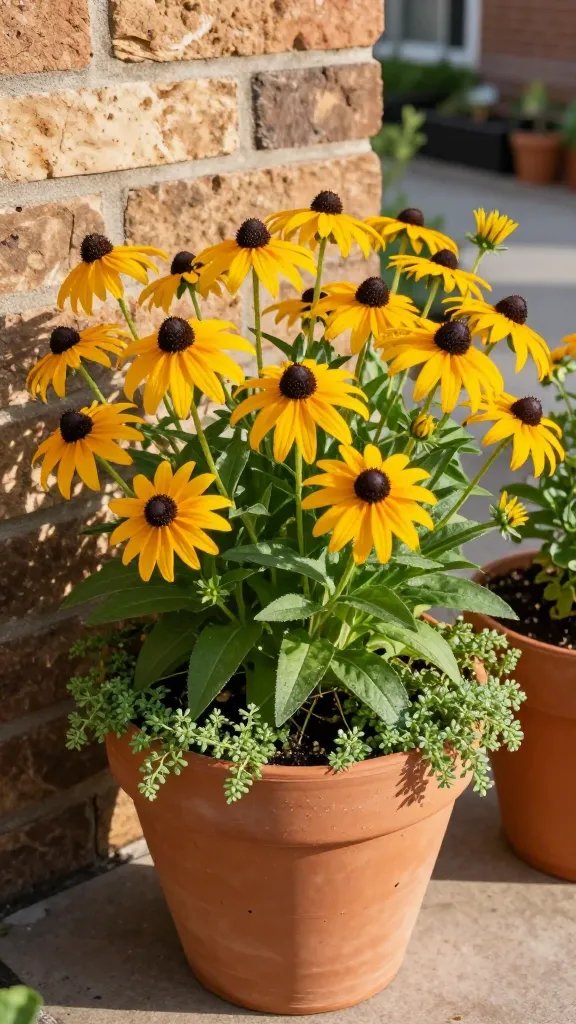
Containers warm up way faster than beds, so they’re perfect for early color. Plus, you can chase the sun like a plant paparazzi.
Container Basics:
- Choose 12–16 inch pots with great drainage.
- Use a chunky potting mix with compost added.
- Tuck in low fillers like creeping thyme for a finished look.
Move pots against a sunny wall for extra warmth and flowers that show up before your neighbor’s even notices buds.
13. Companion-Plant For Microclimate Magic
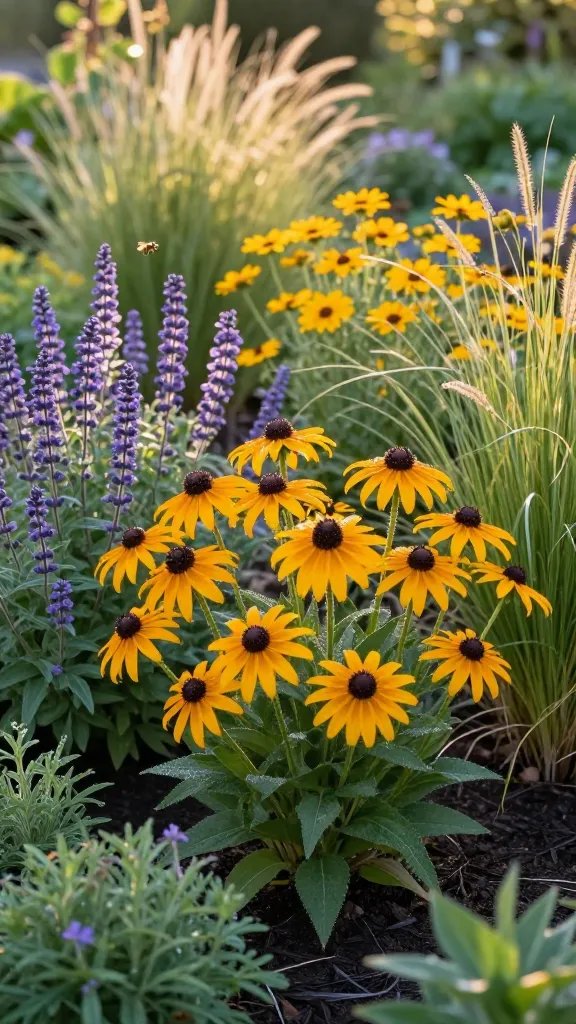
Strategic neighbors act like bodyguards and hype crew. They block wind, trap warmth, and lure pollinators early.
Great Pairings:
- Salvia or catmint for early bees and contrast.
- Coreopsis for a yellow-on-yellow burst, slightly earlier timing.
- Ornamental grasses (short types) to buffer wind and add texture.
Companions help Rudbeckia stay stress-free, which translates directly into earlier, longer color.
14. Protect From Late Chills Without Babying
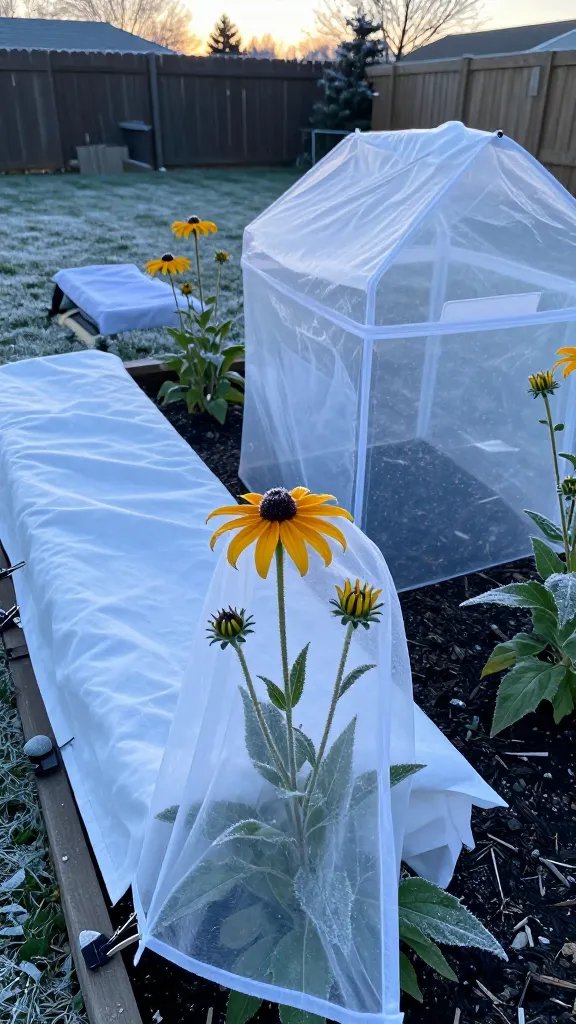
One surprise cold snap can pause the show. Keep a few simple covers on standby and your timeline stays intact.
Fast Shields:
- Light frost cloth or old bed sheets overnight (remove by morning).
- Cloche or clear tote over singles—instant mini greenhouse.
- Skip plastic touching leaves—condensation plus cold equals trouble.
Minimal protection keeps growth steady, so you don’t lose two weeks to weather drama. FYI, it’s worth the five-minute scramble.
15. Stagger Plantings For Rolling Sneak Peeks
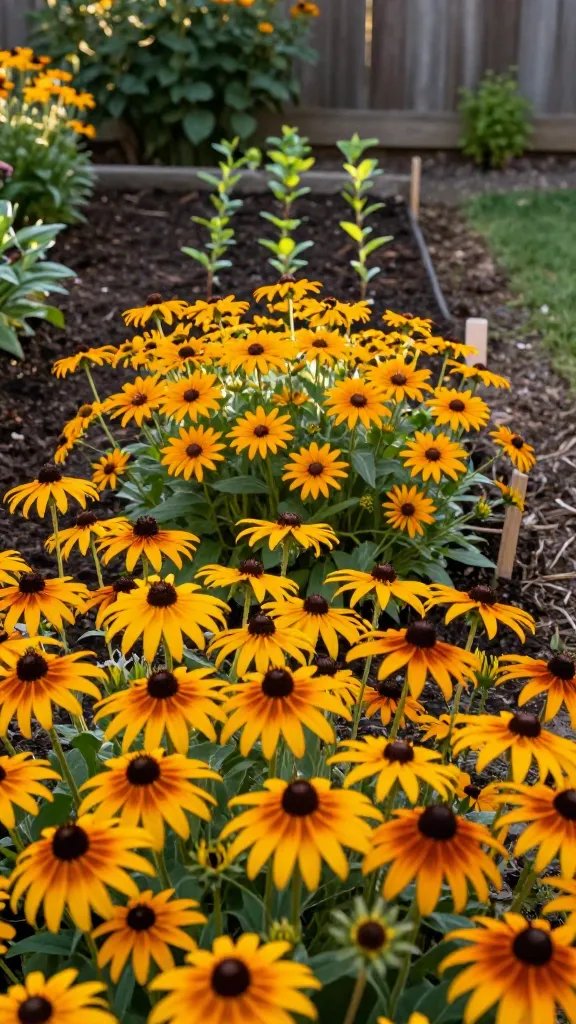
Want the earliest color and zero gaps? Plant in waves so the show opens early and never stops.
Game Plan:
- Start a seed batch every two weeks for 4–6 weeks.
- Mix fast hirta with steady fulgida cultivars.
- Add a few nursery starts to leapfrog into instant blooms.
This staggered strategy gives you previews in late spring, a main event in early summer, and encores into fall—trust me, it’s garden theater.
Ready to pull the curtains on summer before summer even shows up? With a little planning and a few sneaky tricks, your Rudbeckia will beat the heat to the headline. Go plant, pinch, and brag—your golden hour starts early this year.