
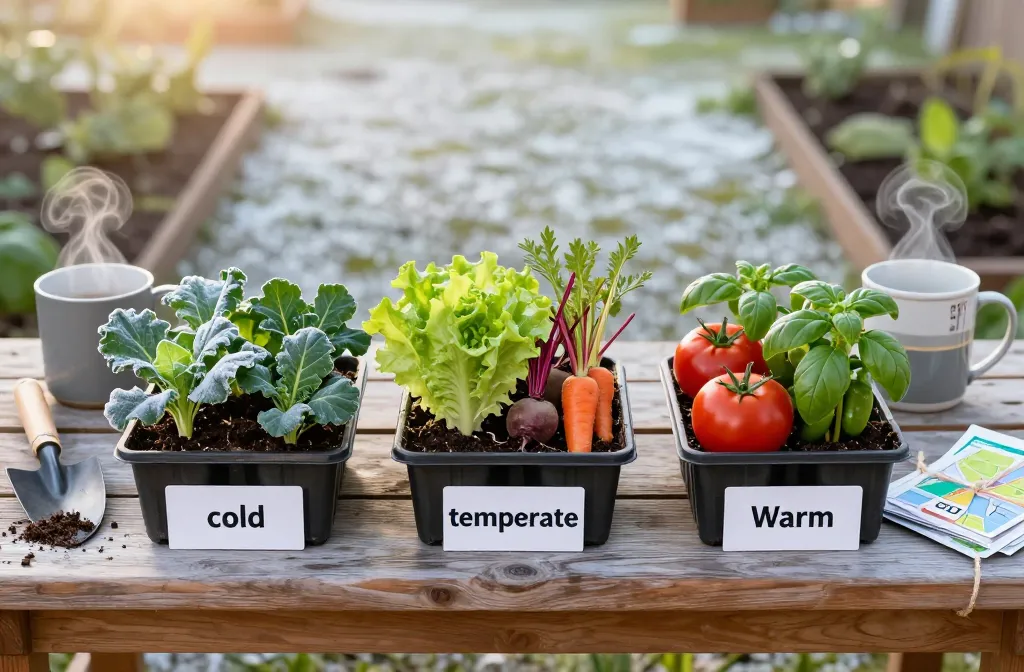
Ready to turn March into your garden’s launchpad? This is the month when seeds wake up, soil thaws (mostly), and you finally get to play in the dirt again. We’ll break down exactly what to plant in cold, temperate, and warm zones—without the guesswork. Grab a trowel and your favorite mug; it’s garden time.
1. Read Your Climate Like A Pro (And Stop Guessing)
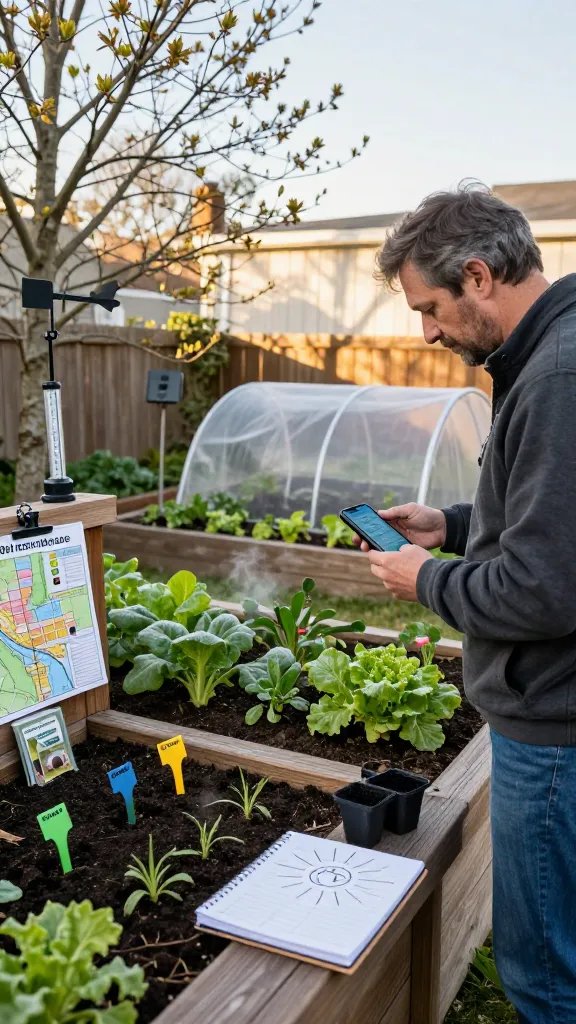
Planting in March works best when you match crops to your climate. Your microclimate, frost dates, and sunlight patterns matter way more than a generic calendar. Nail this, and your seedlings go from meh to magnificent.
Key Moves:
- Find your last frost date: Search your zip/postal code + “last frost date” and note it.
- Map your zone: USDA Hardiness Zone (US) or your country’s equivalent helps pick varieties.
- Clock your sun: Track sun hours where you’ll plant—6+ for fruiting crops, 4–5 for leafy greens.
- Know your soil temp: A cheap soil thermometer beats guesswork. Many seeds need 45–60°F (7–16°C) to sprout well.
Why it rocks? You time crops by frost, not vibes—so seeds germinate faster, transplants thrive, and you skip sad-plant syndrome.
2. Cold Climates: Seed Now, Feast Sooner (Zones ~3–5)
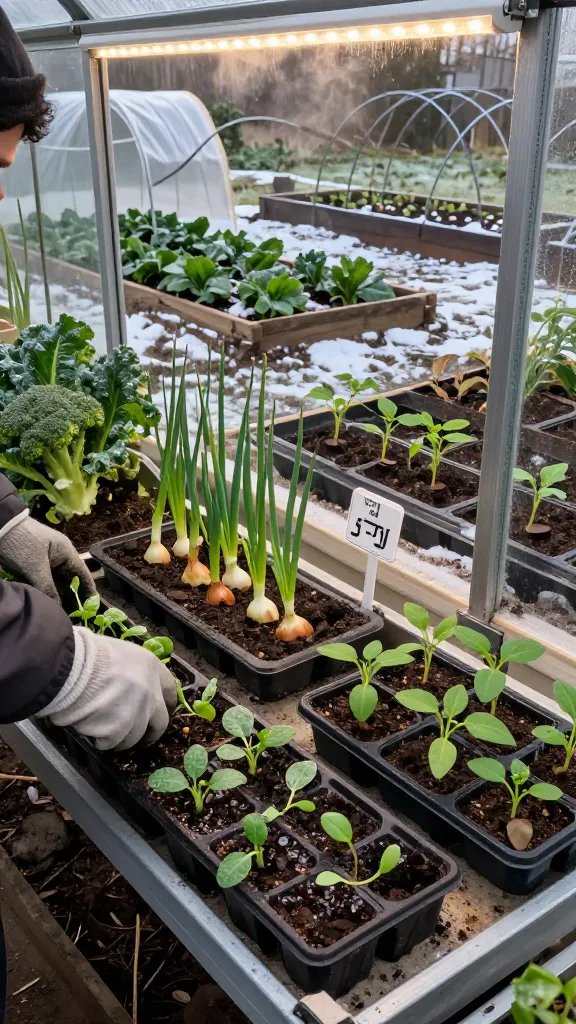
Still frosty? No problem. March is prime time to start cool-weather heroes indoors and direct sow a few hardy champs outside. Think leafy greens that love crisp air and roots that shrug at snow flurries.
Start Indoors (Under Lights If You Can):
- Brassicas: Broccoli, cabbage, cauliflower, kale, collards (6–8 weeks before last frost)
- Alliums: Onions, leeks (if you didn’t start in winter, start now—no shame)
- Nightshades (early birds): Peppers and eggplants (10–12 weeks before last frost), tomatoes (6–8 weeks before last frost)
- Herbs: Parsley, chives, thyme (slow growers, start ASAP)
Direct Sow Outdoors (As Soon As Soil Is Workable):
- Hardy Greens: Spinach, mache/corn salad, arugula
- Roots: Radishes, turnips, beets, carrots (cover with row fabric for warmth)
- Peas: Sugar snaps, shelling peas (they love chilly soil; aim for 40–45°F+ / 4–7°C)
Setup Tips:
- Use row cover or low tunnels: Adds 2–6°F and blocks wind—huge difference.
- Bottom heat for starts: Heat mats speed germination for peppers/tomatoes, FYI.
- Seedling schedule: Fertilize lightly every 10–14 days with a diluted organic feed.
End game? You harvest greens in April–May and put in transplants right as frost exits. Your neighbors will wonder how you did it. Magic? No. Timing.
3. Temperate Climates: Double-Dip With Cool Crops Now, Warm Crops Soon (Zones ~6–8)
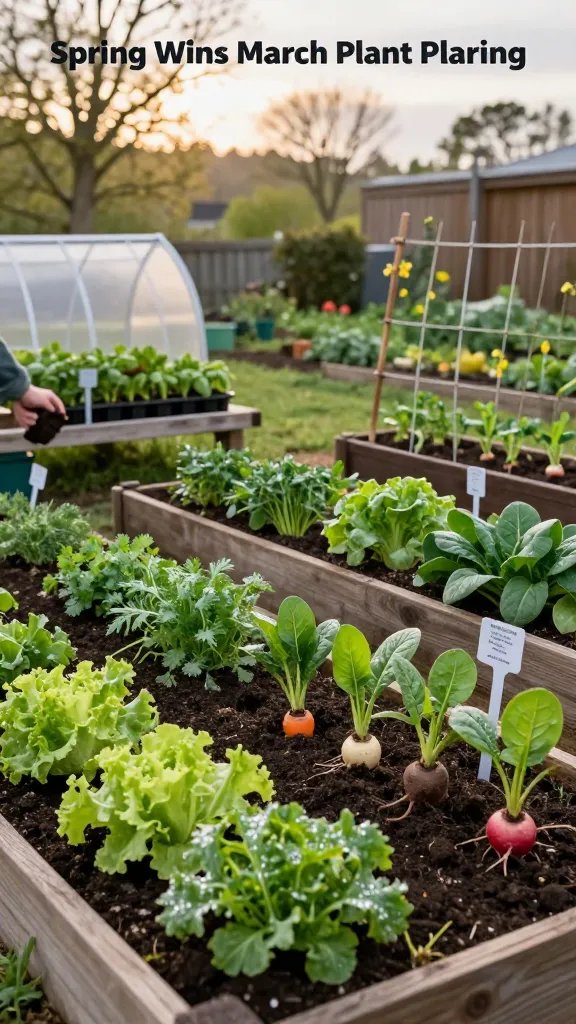
Temperate gardeners get the best of both worlds. March delivers direct-sown cool crops while you prep heat-lovers indoors. You basically run two seasons at once—efficient and a little bit extra, IMO.
Direct Sow Outdoors (Now Through Late March):
- Salad Bar: Lettuce mixes, arugula, spinach, Asian greens (pak choi, mizuna)
- Roots: Carrots, beets, radishes, turnips, parsnips
- Legumes: Peas and fava beans
- Hardy Herbs: Cilantro, dill (succession sow every 2–3 weeks)
Transplant Outdoors (Late March If Frost Risk Is Low):
- Onions (seedlings or sets), shallots, garlic greens (for scapes/green garlic)
- Brassicas: Broccoli, cauliflower, cabbage, kale (use row cover to dodge cabbage moths early)
Start Indoors (Warm-Weather Stars):
- Tomatoes: Start now for late April/May transplant
- Peppers & Eggplants: Need warmth and patience—give them 10–12 weeks
- Basil: Start late March so it’s ready post-frost
Pro Tips:
- Succession plan: Re-sow fast crops (radish, lettuce) every 2 weeks for steady harvests.
- Mulch lightly: Straw or leaf mold moderates spring swings and protects seedlings.
- Harden off: Acclimate seedlings for 5–7 days before planting out—no exceptions.
The payoff? Crisp salads now, heavy hitters later. You’ll eat your garden from spring through fall without a gap.
4. Warm Climates: Go Big And Plant The Heat Lovers (Zones ~9–11)
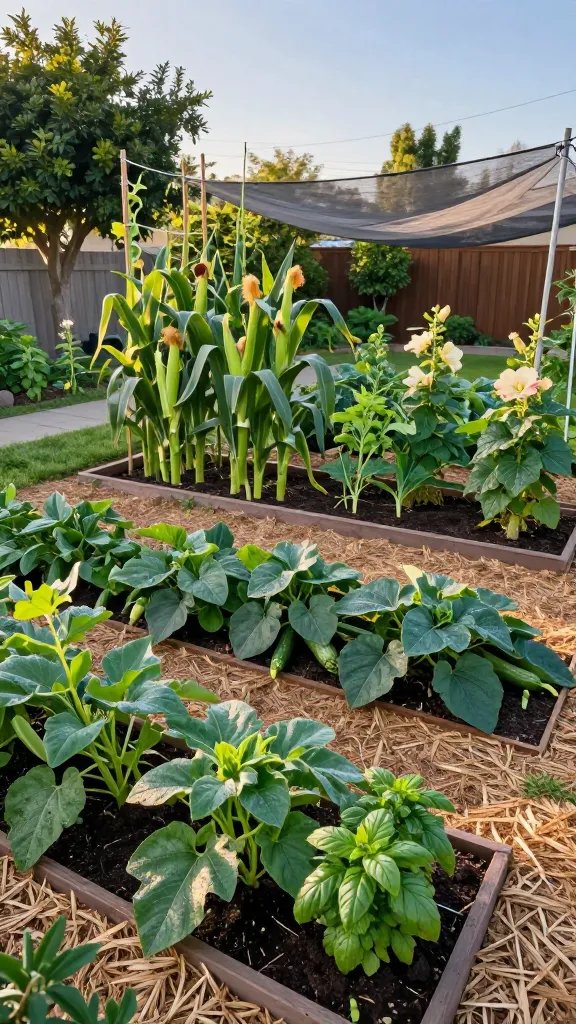
If your winters feel like other people’s spring, March is your green light. You can direct sow a ton, transplant almost everything, and stack harvests like a pro. Shade cloth and mulch will be your best friends as temps climb.
Direct Sow Outdoors (March = Prime Time):
- Beans: Bush and pole varieties
- Corn: Block plant in squares for pollination
- Cucurbits: Cucumbers, zucchini, squash, melons (watch for vine borers)
- Okra: Heat lover that thrives as days warm
- Herbs: Basil, cilantro (bolts fast—succession sow), dill
Transplant Outdoors (All The Classics):
- Tomatoes: Choose heat-tolerant varieties if summers scorch
- Peppers: Bell, jalapeño, shishito, habanero—go wild
- Eggplants: Asian and Italian types do great
- Sweet Potatoes: Slips go in once soil warms above 65°F/18°C
Smart Strategies:
- Mulch early: Retain water and cool roots—use straw, shredded leaves, or compost.
- Shade cloth (30–40%): Prevents transplant shock and blossom drop on tomatoes/peppers.
- Drip irrigation: Keeps foliage dry and saves water. Your future self says thanks.
- Pest watch: Harlequin bugs, aphids, and whiteflies wake up now—blast with water, use neem or insecticidal soap.
Best part? You harvest sooner, ride the heat wave, and beat peak pest pressure with strong, established plants.
5. The March Master Plan: What To Plant, Week By Week
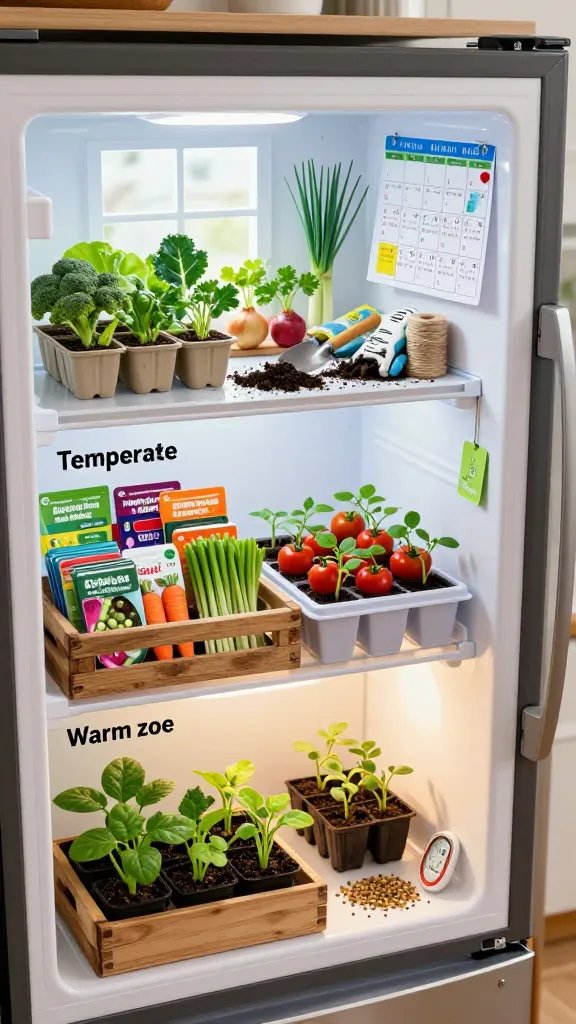
Need the TL;DR you can stick on the fridge? Here’s your scannable March playbook for cold, temperate, and warm zones. Adjust a week or two based on your exact frost date—trust me, that buffer saves heartache.
Week 1 (Early March):
- Cold: Start broccoli, cabbage, kale, onions, leeks, parsley indoors; direct sow spinach and peas if soil workable.
- Temperate: Direct sow peas, spinach, radish, carrots; start tomatoes and peppers indoors.
- Warm: Transplant tomatoes, peppers, eggplant; direct sow beans, cucumbers, zucchini; start basil in cells.
Week 2:
- Cold: Start tomatoes indoors; direct sow radish, arugula under row cover.
- Temperate: Transplant onions and brassicas under cover; succession sow lettuce and cilantro.
- Warm: Direct sow corn and melons; lay drip lines; mulch beds.
Week 3:
- Cold: Sow beets and carrots if soil hits 45–50°F/7–10°C; up-pot tomatoes and peppers.
- Temperate: Direct sow beets, turnips, Asian greens; start basil indoors; harden off early brassicas.
- Warm: Plant sweet potato slips if soil is warm; add shade cloth to tender transplants.
Week 4 (Late March):
- Cold: Transplant hardy brassicas under tunnels; sow more peas; start herbs like thyme indoors.
- Temperate: Direct sow parsnips and more carrots; transplant kale and cabbage; start cucumbers/squash indoors for April set-out.
- Warm: Succession sow beans and corn; start a second round of cucumbers; prune tomatoes to single or double leaders if that’s your style.
Quick Gear Check:
- Must-haves: Row cover, compost, mulch, seed starting mix, heat mat (for divas like peppers), trays and domes, labels you won’t lose in the wind.
- Nice-to-haves: Soil thermometer, drip kit, shade cloth, timer, floating row cover clips.
Use this cadence and you’ll stagger harvests, dodge late frosts, and keep the garden humming without burnout.
Ready to get those hands dirty? March gives you a head start no matter your climate, and the payoff tastes incredible. Plant a little each week, keep it fun, and seriously—don’t skip the row cover. Your April self will be high-fiving you from the salad bowl.