
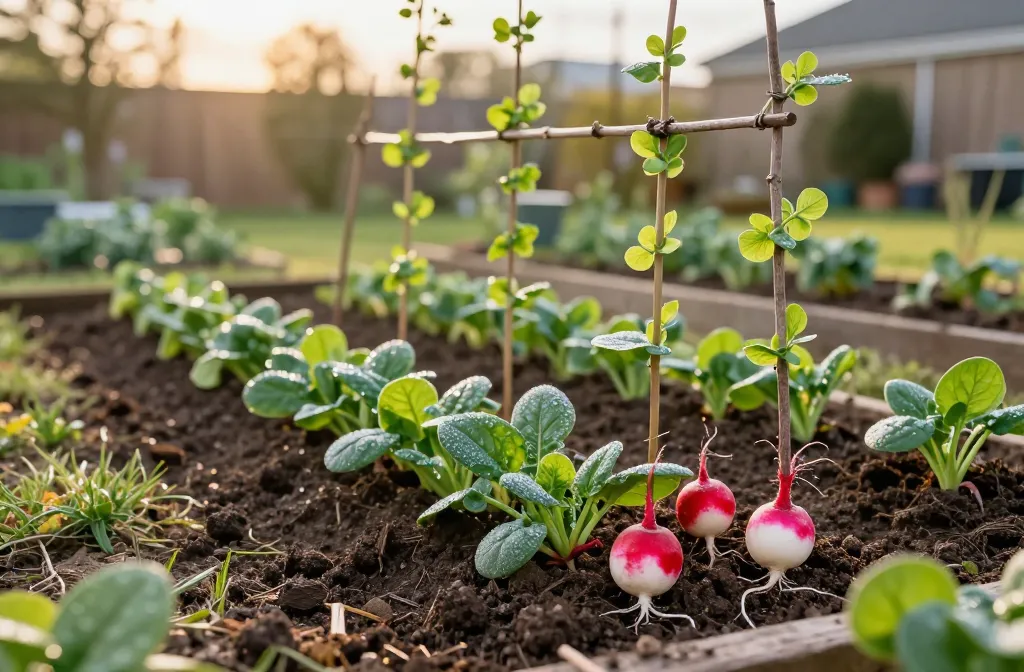
Ready to turn your yard into a produce aisle? April’s sneaky window between frost scares and true spring lets you plant a surprising number of hardy veggies outside. Start now and you’ll beat summer heat, dodge pests, and harvest earlier than your neighbors. Gloves on, seeds ready—let’s make your garden pop.
1. The Frost-Dodgers: Peas, Spinach, And Radishes That Laugh At Cold
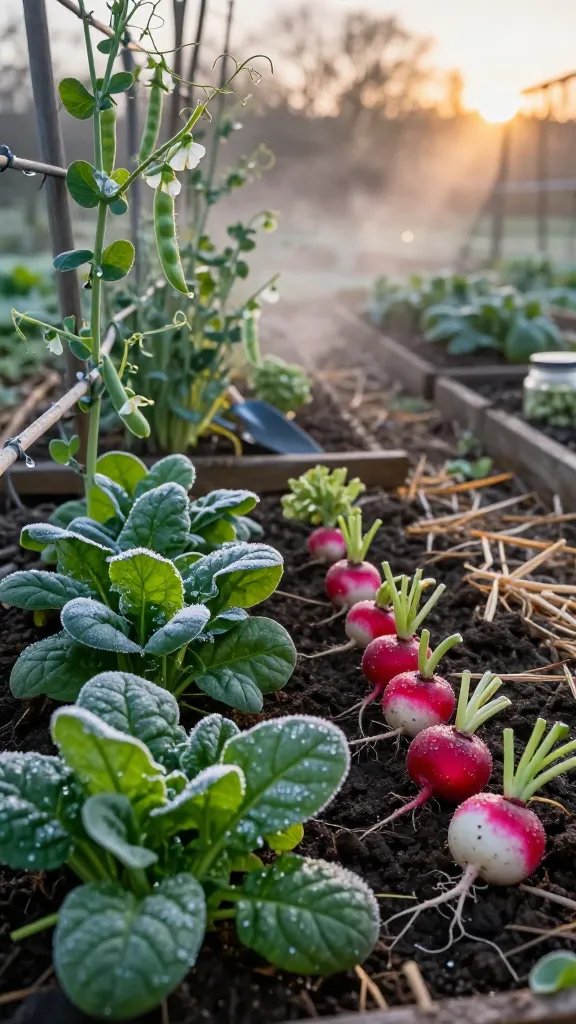
Some vegetables adore a chilly start. They sprout fast, shrug at cold nights, and taste even sweeter after a nip of frost. If you want quick wins and early harvests, start with these MVPs.
What To Plant
- Peas (shelling, snap, snow): Soak seeds 4–6 hours to speed germination.
- Spinach: Choose bolt-resistant types like ‘Bloomsdale’ or ‘Space’.
- Radishes: ‘French Breakfast’ or ‘Cherry Belle’ for fast 25-day crunch.
Peas thrive in cool soil around 45–60°F and anchor your trellis game early. Spinach germinates in chilly beds and delivers continuous baby leaves. Radishes fill gaps between slower crops and keep you snacking while you wait.
Tips For Fast Success
- Sow deep enough: Peas 1–1.5 inches; spinach 0.5 inch; radishes 0.5 inch.
- Spacing: Peas 2 inches apart; spinach 2–4 inches; radishes 1 inch, thin to 2 inches.
- Support peas: Install netting or twigs at sowing. Don’t wait.
- Moist soil, not soggy: Cold soil stays wet longer—water lightly but consistently.
- Stagger sowings: Re-seed radishes and spinach every 10–14 days for steady harvests.
Use these when soil thaws, day temps hit 45–60°F, and nights hover above 25°F. You’ll harvest radishes in weeks, spinach in a month, and peas in early summer. Early bragging rights included.
2. Root-For-The-Underdogs: Carrots, Beets, And Turnips That Crave Cool Soil
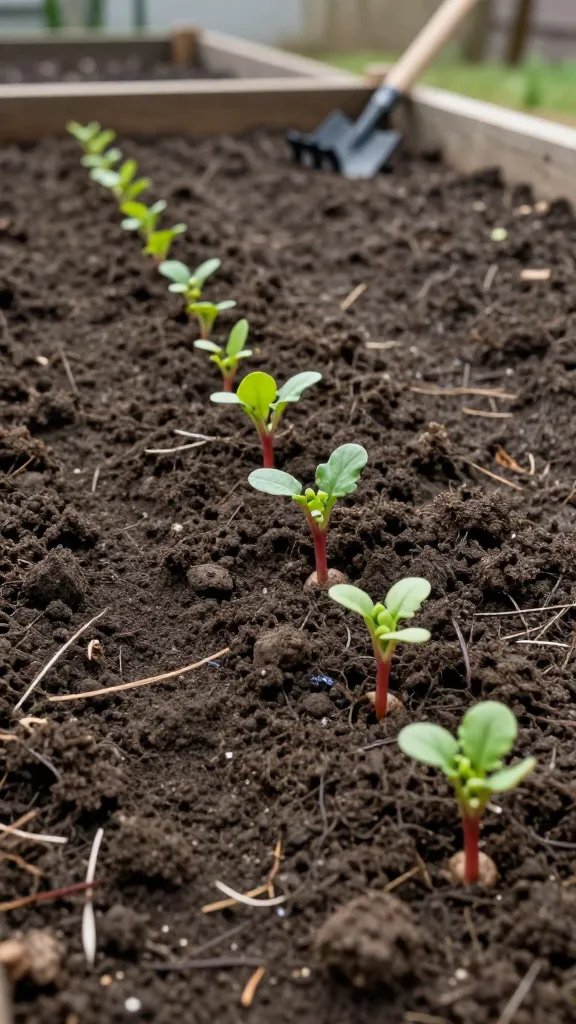
Root crops love April because cool soil builds flavor and keeps them from bolting. They need fine, loose beds and steady moisture. Nail those two and they’ll do the rest.
Soil Prep Matters (Like, A Lot)
- Loosen 10–12 inches and remove rocks. Roots fork when they hit obstacles.
- No fresh manure: It causes hairy, split roots. Compost is fine.
- Rake smooth: Seeds are tiny and need close soil contact.
Seed And Spacing Basics
- Carrots: Sow 0.25 inch deep; thin to 2 inches. Try ‘Nantes’ or ‘Scarlet Nantes’.
- Beets: Sow 0.5–0.75 inch; thin clusters to 3–4 inches. Eat the thinnings, FYI.
- Turnips: Sow 0.5 inch; thin to 3–4 inches. ‘Hakurei’ = sweet and crisp.
Carrots germinate slowly in cool temps—cover rows with boards for 5–7 days to keep moisture, then remove. Beets and turnips germinate faster and can handle late frosts without drama.
Pro Moves
- Pre-water furrows before seeding, then cover lightly and press.
- Mulch lightly with fine straw once seedlings establish to keep moisture even.
- Mark rows with a fast sprouter like radish so you don’t “weed” your carrots accidentally.
Grow these when the soil crumbles in your hand and daytime highs sit in the 50s–60s. Expect sweet, well-shaped roots and tender greens that make killer salads.
3. Brassica Brigade: Cabbage, Broccoli, Cauliflower, Kale, And Kohlrabi
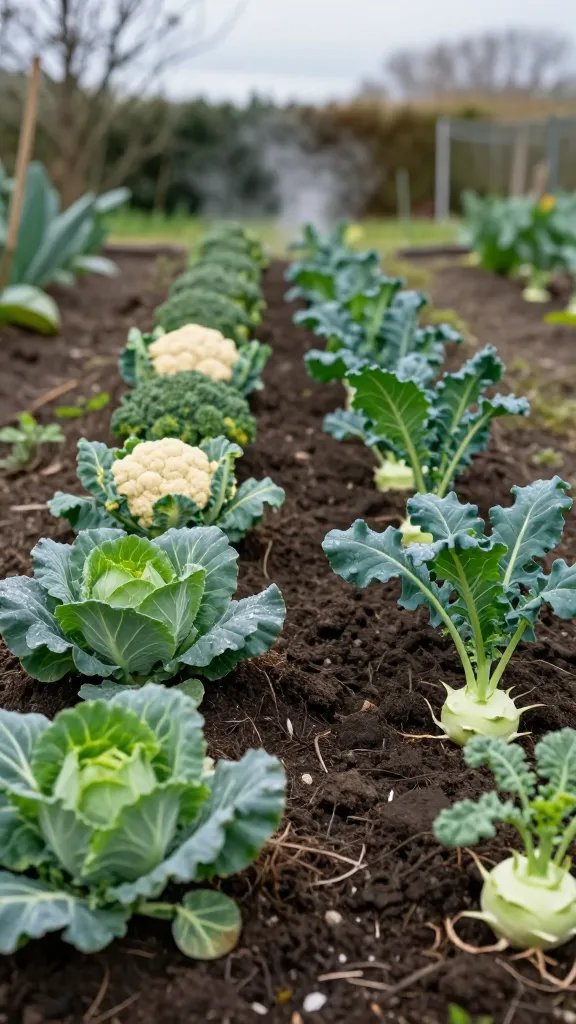
These cold-loving powerhouses adore April. They bulk up in cool air, set tight heads, and deliver rich flavor before the heat tries to ruin the party. Start with sturdy transplants or direct sow the tougher ones.
Who To Transplant Vs. Direct Sow
- Transplant: Cabbage, broccoli, cauliflower for stronger starts and tighter timing.
- Direct sow: Kale and kohlrabi can handle it, but transplants still jump ahead.
Planting And Spacing
- Cabbage: 18 inches apart, rows 24–30 inches. Firm soil around stems.
- Broccoli: 18 inches; harvest main head, then side shoots keep coming.
- Cauliflower: 18–24 inches; blanch white heads by tying outer leaves if needed.
- Kale: 12–18 inches; pick baby leaves nonstop.
- Kohlrabi: 8–10 inches; harvest at tennis-ball size for best texture.
Cold And Pest Hacks
- Row cover does double duty: frost insurance and pest shield.
- Slugs love brassicas—use beer traps or iron phosphate bait.
- Feed lightly with nitrogen early; switch to balanced fertilizer as heads form.
Plant these when your last frost is 2–4 weeks away and soil sits above 45°F. You’ll get dense heads, sweet leaves, and a steady supply of greens—seriously, kale just won’t quit.
4. Aromatic Anchors: Onions, Shallots, And Garlic To Set The Stage
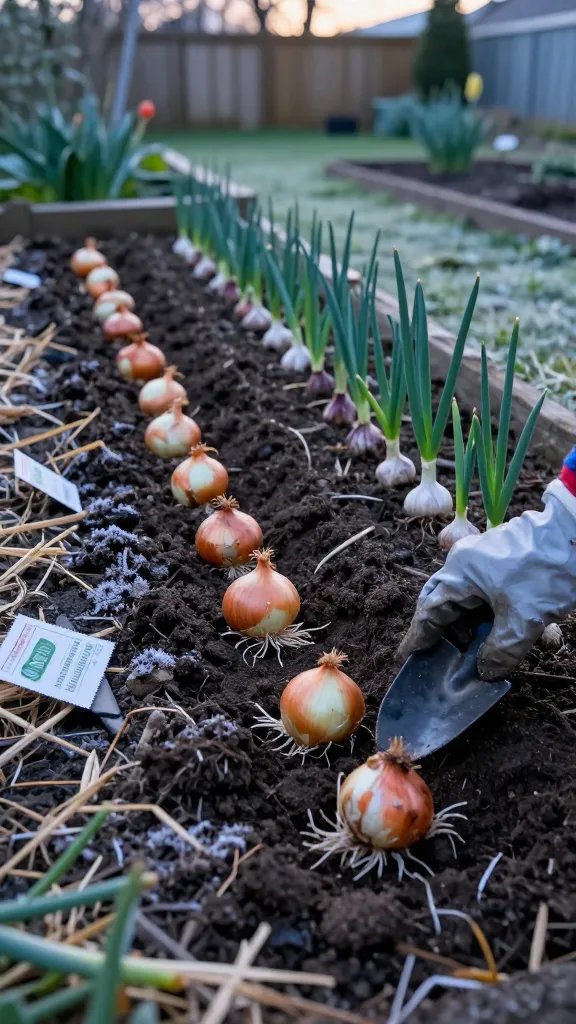
Want your future soups to taste like magic? Start your alliums now. They handle chilly nights, need time, and reward you with bulbs that store for months.
What To Plant In April
- Onion sets: Foolproof for beginners; choose day-length types that fit your region.
- Onion transplants: Great for big bulbs and specific varieties.
- Shallot sets: Multiply into clusters with mild, elegant flavor.
- Garlic: Best in fall, but in cold zones you can still plant spring garlic for smaller bulbs and scapes.
How To Plant
- Spacing: Onions 4–6 inches; shallots 6–8 inches; rows 12 inches.
- Depth: Just deep enough to cover the base; don’t bury necks too far.
- Weed control: Keep beds immaculate—onions hate competition.
Feed with a nitrogen source every few weeks until bulbs start swelling, then ease up. Water consistently—dry spells stunt bulbs, and you can’t fix that later, IMO.
Bonus: Scapes And Greens
- Garlic scapes in early summer = pesto gold.
- Green onions from crowded sets—harvest early to thin for bulbs.
Use this section when you want long-game crops that anchor meals and boost garden structure. You’ll thank yourself during fall chili season.
5. Salad-For-Days: Lettuce, Arugula, Swiss Chard, And Pak Choi
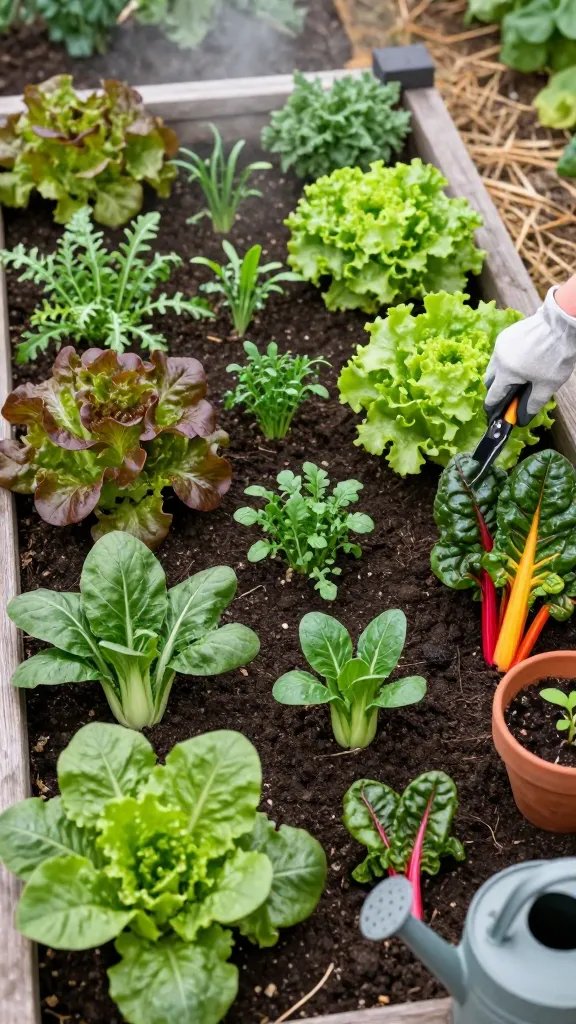
April is salad paradise. These leafy legends pop quickly, forgive a light frost, and keep producing if you harvest smart. Mix textures, colors, and flavors for bowls that taste like a farmers market haul.
Speedy Sowers
- Lettuce: Looseleaf mixes (‘Salad Bowl’, ‘Red Oakleaf’) for cut-and-come-again magic.
- Arugula: Peppery and fast; sow every 2 weeks to avoid bitter bolting.
- Pak choi (bok choy): Cool-loving, tender stems perfect for stir-fries.
- Swiss chard: Slower but steady; rainbow stems look like garden confetti.
Planting Notes
- Depth: Tiny seeds = shallow sowing, about 0.25 inch.
- Spacing: Lettuce 8–10 inches (or dense for baby leaves); arugula broadcast and thin; pak choi 8–10 inches; chard 10–12 inches.
- Shade hack: Use a lightweight row cover or shade cloth if days jump over 75°F.
Water And Harvest
- Keep it even: Fluctuating moisture makes bitter leaves and split stems.
- Morning harvest for crisp, sweet greens.
- Cut-and-come-again: Snip outer leaves, leave centers to regrow.
Use these when you want fast gratification and colorful plates. From breakfast omelets to dinner bowls, these greens deliver daily.
Ready to plant like a frost-whisperer? Start with the cold-hardy champs, keep soil moist, and toss a row cover on nights that feel sketchy—trust me, it’s cheap insurance. You’ll snack on radishes in weeks, peas soon after, and a parade of greens and roots all spring. Now get out there and make April your garden’s opening act.