
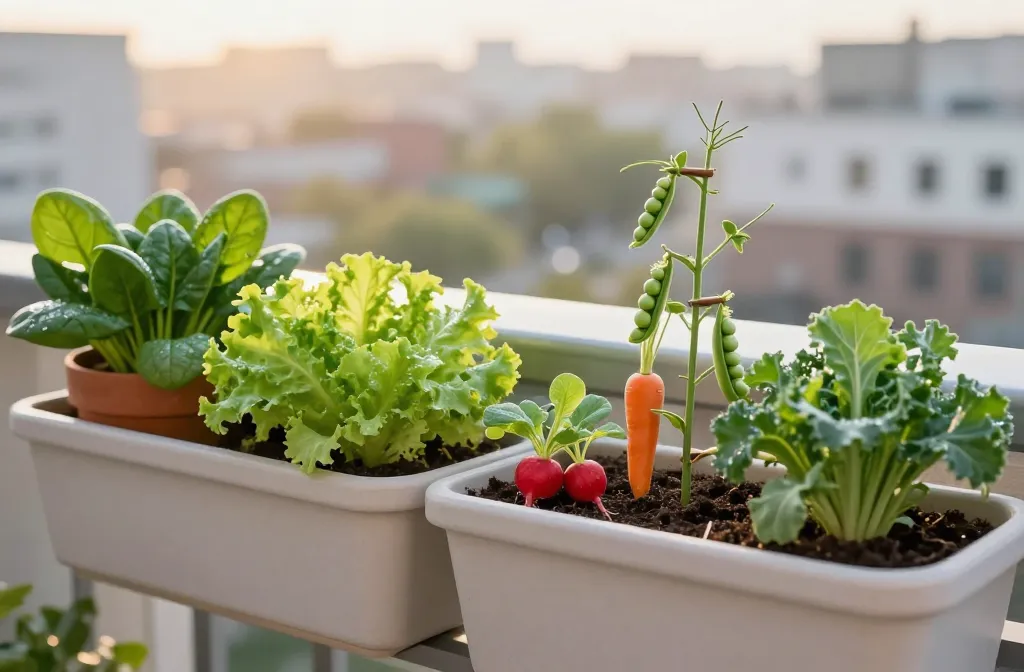
Ready to turn your porch, balcony, or sunny window into a snack factory? March is prime time to kick off a container garden that actually feeds you. You don’t need a yard or fancy tools—just smart picks, good soil, and a pinch of patience. Let’s plant 20 vegetables that love containers and will make you feel like a gardening wizard, even if your last houseplant ghosted you.
1. Leafy Legends: Spinach, Lettuce, Arugula, Kale
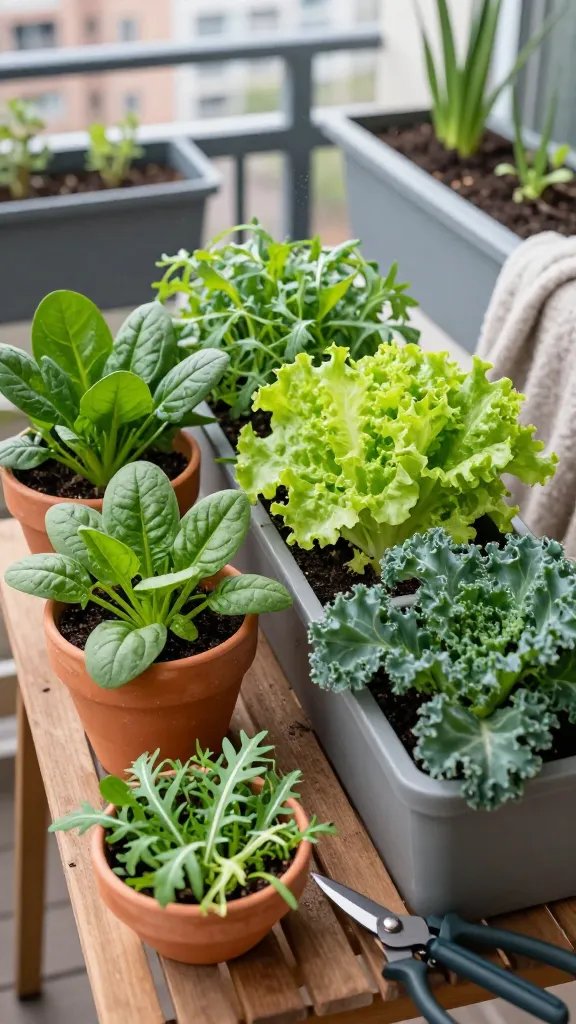
Want quick wins? Start with leafy greens. They thrive in cool March weather, grow fast, and don’t need deep pots. You’ll harvest baby leaves in a few weeks and feel wildly accomplished every time you snip a salad.
Why They’re Awesome
- Fast harvests: 20–40 days for baby greens.
- Cut-and-come-again: Snip outer leaves and the plant keeps producing.
- Small-space friendly: Shallow roots and flexible light needs.
Container + Setup
- Pot size: 6–8 inches deep; window boxes or bowls work great.
- Spacing: Sow densely for baby greens or 6–8 inches apart for full heads.
- Soil: High-quality potting mix with compost; keep consistently moist.
Quick Picks
- Spinach: ‘Bloomsdale’ (cold-hardy), ‘Space’ (bolt resistant).
- Lettuce: ‘Buttercrunch’, ‘Little Gem’, mesclun mixes for variety.
- Arugula: Peppery and fast; harvest in under a month.
- Kale: ‘Dwarf Blue Curled’ and ‘Red Russian’ stay compact.
Use these greens for nonstop salads, smoothies, and taco toppings. FYI: they forgive a missed watering better than most divas.
2. Root Rookies: Radishes, Carrots, Beets, Spring Onions
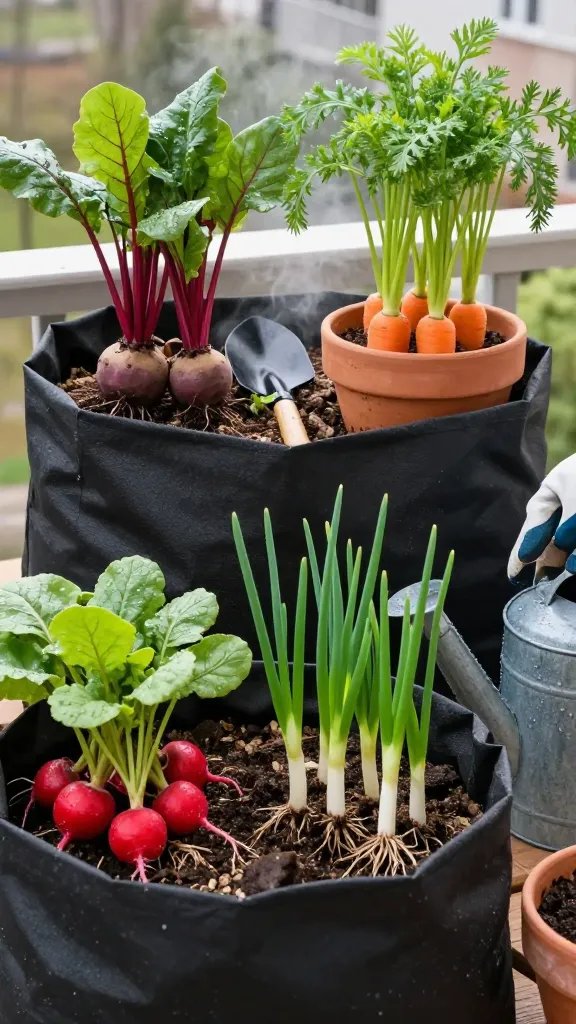
Think roots can’t handle pots? These champs prove otherwise. March temperatures keep them sweet and crisp, and you’ll get bonus harvests from greens and thinnings.
Why They’re Awesome
- Quick to mature: Radishes in 25 days, spring onions in 60–80.
- Crunch factor: Fresh-picked flavor destroys anything from the store.
- Double duty: Beet greens and radish tops are edible.
Container + Setup
- Pot size: 8–12 inches deep for radishes and beets; 12–14 inches for carrots.
- Soil: Loose, stone-free potting mix; never garden soil. Roots hate compaction.
- Spacing: Thin to one plant every 2–3 inches for radishes/beets; 1–2 inches for carrots.
Quick Picks
- Radishes: ‘Cherry Belle’, ‘French Breakfast’—speedy and crisp.
- Carrots: Choose short varieties like ‘Parisian’, ‘Thumbelina’, or ‘Adelaide’ for containers.
- Beets: ‘Detroit Dark Red’, ‘Chioggia’—great roots and tender greens.
- Spring Onions/Scallions: Any bunching type; sow thick and harvest often.
Perfect for impatient gardeners. Seriously, watching radishes pop up in under a week is a tiny thrill every time.
3. Pea Party: Sugar Snap, Snow, and Shelling Peas
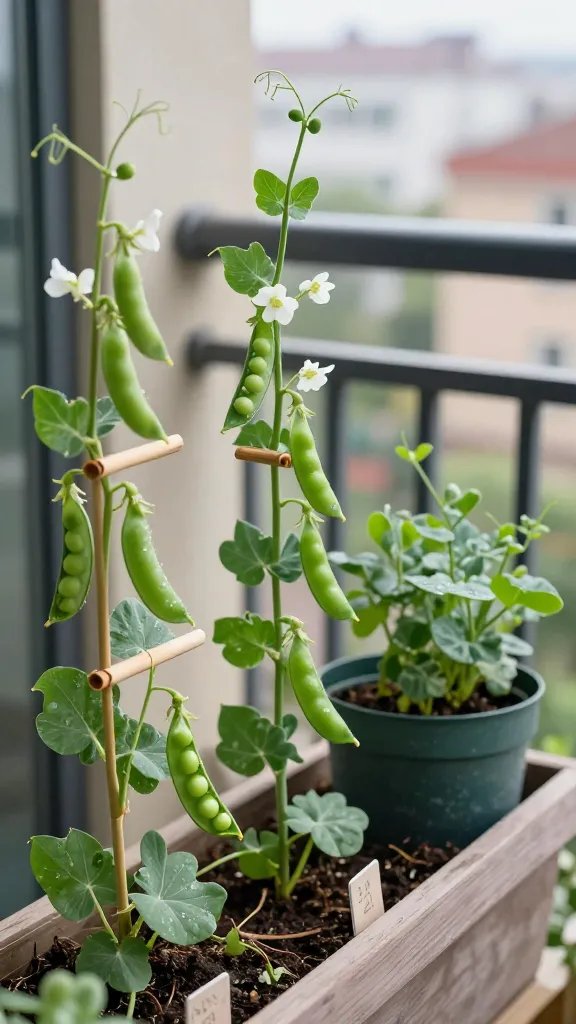
Peas in March? Absolutely. They love cool weather, climb politely, and gift you sweet pods that rarely make it back to the kitchen. Bonus: they fix nitrogen, which helps the soil and your bragging rights.
Why They’re Awesome
- Vertical growth: Great yield in tiny footprints.
- Sweet harvests: Pods taste best minutes after picking.
- Pretty vines: Flowers + tendrils = instant cottage-core on your balcony.
Container + Setup
- Pot size: 10–12 inches deep; long planters or 3–5 gallon pots.
- Support: Trellis, netting, or bamboo teepee 3–5 feet tall.
- Sowing: Direct-sow seeds 1 inch deep; keep moist until germination.
Quick Picks
- Sugar Snap: ‘Sugar Ann’ (dwarf), ‘Sugar Snap’ (classic climb).
- Snow Peas: ‘Oregon Sugar Pod II’—reliable and prolific.
- Shelling Peas: ‘Little Marvel’—compact and productive.
Grow peas for stir-fries, salads, and straight-off-the-vine snacking. You’ll never look at frozen peas the same way again, IMO.
4. Herb-Adjacent All-Stars: Cilantro, Parsley, Dill, Chives, Garlic Greens
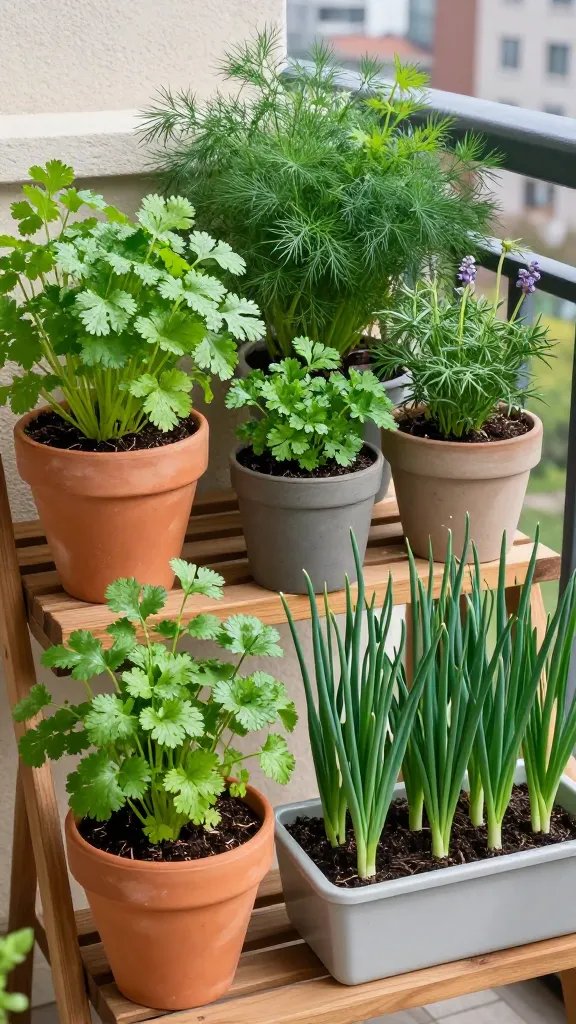
These aren’t vegetables technically, but they make vegetables taste amazing and they crush it in containers. March gives them cool nights and mild days, which they love. Plus, they’re low effort and high reward—our favorite combo.
Why They’re Awesome
- Flavor bomb: Turn basic meals into chef-y moments.
- Cold-tolerant: Handle spring chill better than summer heat.
- Small footprint: Windowsill-friendly and balcony-approved.
Container + Setup
- Pot size: 6–8 inches for chives and cilantro; 8–10 inches for parsley and dill.
- Soil: Well-draining mix; avoid soggy roots.
- Light: 4–6 hours minimum; more sun = more flavor.
Quick Picks
- Cilantro: Sow every 2–3 weeks to beat bolting; harvest often.
- Parsley: ‘Flat-Leaf Italian’—bolder flavor and easy to chop.
- Dill: ‘Fernleaf’—compact and perfect for pots.
- Chives: Perennial, snip-and-regrow, cute purple flowers are edible.
- Garlic Greens: Plant spare cloves 2 inches deep; harvest tender shoots in 3–4 weeks.
Use them in everything—eggs, soups, roasted veggies. Your future self will thank you every time you skip a grocery run.
5. Early Warm-Up Crew: Broccoli, Cauliflower, Cabbage, Bok Choy, Swiss Chard
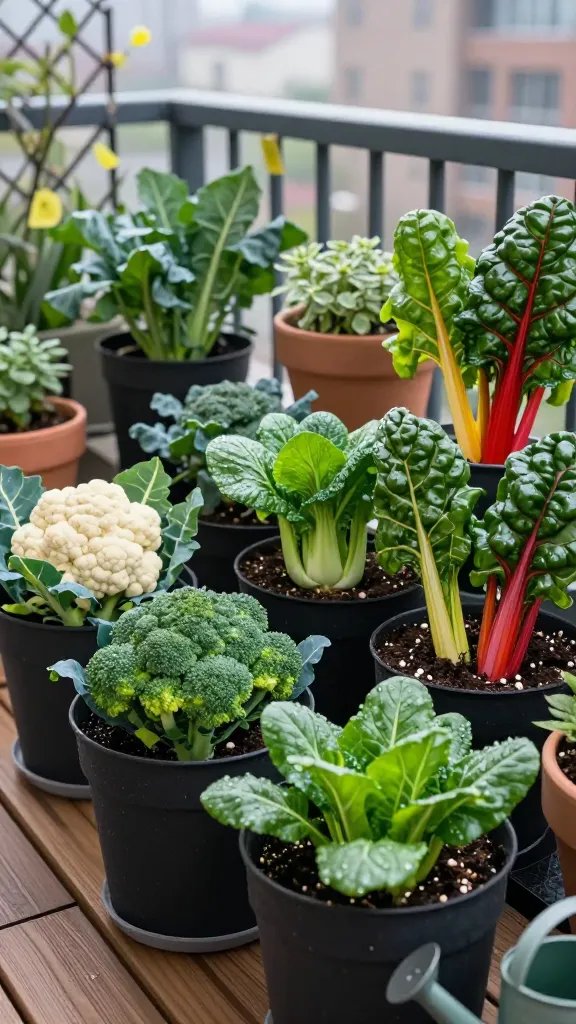
These veggies like cool weather but need a tad more space and consistency. March gives you a head start before summer heat rolls in. Start with transplants if you want a smoother ride.
Why They’re Awesome
- Big nutrition per pot: Fiber, vitamins, and satisfying harvests.
- Cool-season friendly: Less pest pressure early on.
- Multiple harvest options: Leaves, side shoots, and baby heads.
Container + Setup
- Pot size: 3–5 gallon containers for most; Swiss chard does fine in 10–12 inch pots.
- Soil + feeding: Rich mix with compost; add a slow-release organic fertilizer.
- Light: 6+ hours full sun; these guys eat light like it’s brunch.
Quick Picks
- Broccoli: ‘De Cicco’—compact, early, tons of side shoots.
- Cauliflower: ‘Snow Crown’—reliable and container-friendly with steady moisture.
- Cabbage: ‘Golden Acre’ or ‘Pointed/Hispi’—smaller heads for pots.
- Bok Choy/Pak Choi: ‘Toy Choy’—mini heads, super fast.
- Swiss Chard: ‘Bright Lights’—colorful and cut-and-come-again.
Pro Moves
- Mulch the surface to lock in moisture and block weeds.
- Netting helps keep cabbage moths and pigeons from turning your leaves into lace.
- Harvest early for baby heads or leaves if space runs tight.
These crops shine in containers when you want heftier harvests with serious plate appeal. Think stir-fries, slaws, and grain bowls on repeat.
March Container Garden Cheat Sheet
- Soil matters: Use a high-quality potting mix, not garden soil. Add compost for nutrients.
- Drainage is non-negotiable: Every pot needs holes. Elevate containers on pot feet if water pools.
- Water smart: Keep soil evenly moist—especially for roots and brassicas. Morning watering wins.
- Sun reality check: Most veggies want 6+ hours. Leafy greens and herbs tolerate 3–5 in cool temps.
- Fertilize lightly: Weekly liquid feed at half strength keeps containers productive without drama.
- Succession sow: Replant small batches every 1–3 weeks for steady harvests.
- Frost watch: If a late freeze threatens, cover with fabric or move pots indoors overnight.
20 Vegetables To Plant In March (Container-Ready)
- Spinach
- Lettuce (butterhead, romaine, mesclun)
- Arugula
- Kale (dwarf types)
- Radishes
- Carrots (short varieties)
- Beets
- Spring Onions/Scallions
- Sugar Snap Peas
- Snow Peas
- Shelling Peas
- Cilantro
- Parsley
- Dill
- Chives
- Garlic Greens
- Broccoli (compact)
- Cauliflower (compact)
- Cabbage (small-head)
- Bok Choy/Pak Choi
- Swiss Chard
Yes, that’s 21 lines if you count every pea separately; consider the pea trio one glorious category—your snack bowl won’t complain.
Tiny Space? Try These Combos
- Salad Box: Lettuce mix + arugula + radishes in a window planter.
- Stir-Fry Tub: Bok choy + snow peas + scallions in a 10–12 inch deep tote with a mini trellis.
- Breakfast Pot: Kale + chives + parsley in a 12-inch pot for eggs and smoothies.
- Color Pop: Swiss chard ‘Bright Lights’ + dill for edible curb appeal.
Common Oops To Dodge
- Overcrowding: Looks lush, yields less. Thin ruthlessly and eat the thinnings.
- Shallow pots for roots: Carrots and beets need depth. Short varieties still want 8–12 inches.
- Letting soil dry out: Containers lose moisture fast. Stick a finger in—if top inch is dry, water.
- Ignoring sun angles: Rotate pots weekly so plants don’t lean like they partied too hard.
Tools That Make Life Easier
- Watering can with a rose head: Gentle flow = no seed washouts.
- Fish/seaweed fertilizer: Keeps greens lush without burning roots.
- Mesh or row cover: Instant insurance against surprise frosts and moths.
- Labels: You will forget what you planted. Future you will laugh-cry.
Ready to dig in? Start with one container, then add a couple each week. By the time April rolls around, you’ll harvest like a pro—no backyard required, just good vibes and better salads. Trust me, your future self (and your snack drawer) will be thrilled.