
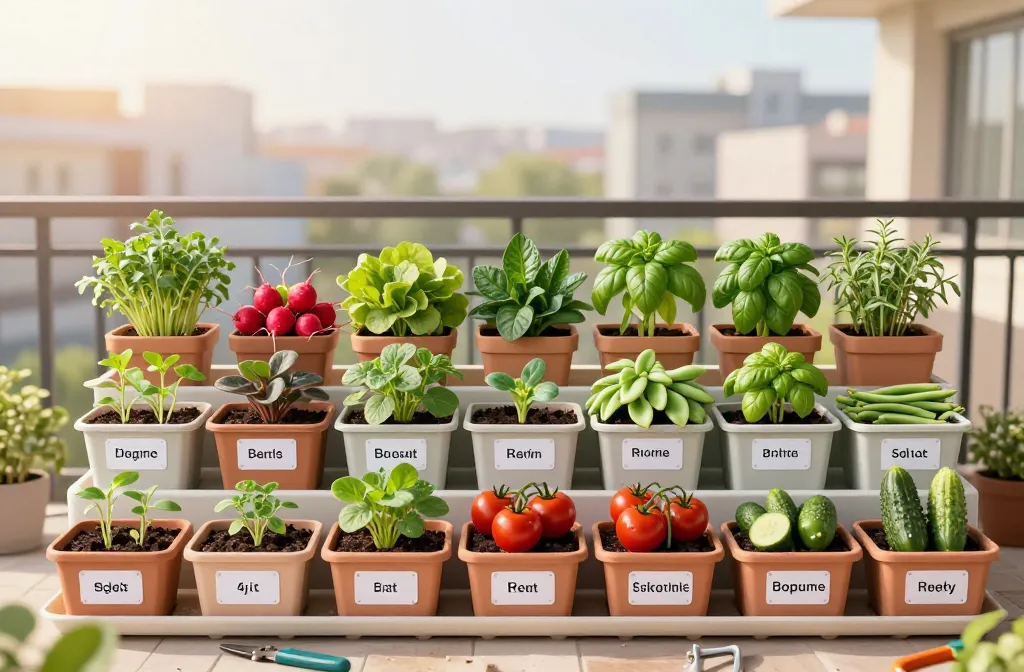
You don’t need a backyard to eat like a farmer. With a smart succession planting calendar, your containers can pump out greens, herbs, and veggies nonstop. We’ll map out what to plant, when to replant, and how to keep every inch of pot space hustling. Ready to harvest more with less? Let’s play Tetris with plants—delicious, crunchy, brag-worthy Tetris.
1. Start With A 12-Month Container Game Plan
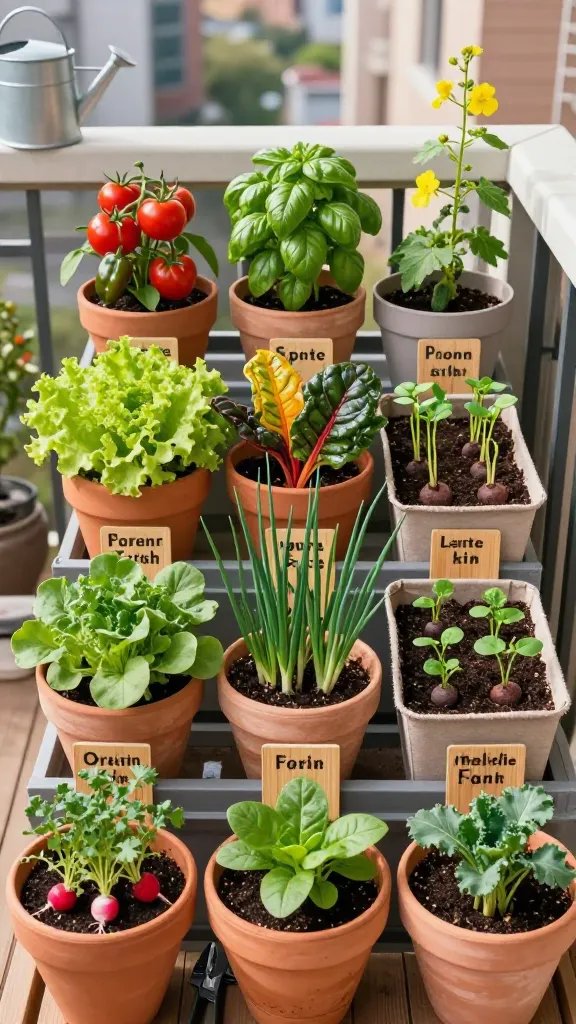
Most people treat containers like one-and-done pots. You’re not most people. With a year-round plan, you’ll layer fast growers, swap in seasonal stars, and never stare at sad, empty soil again.
Seasonal Rhythm (Simple Version)
- Early Spring: Arugula, radishes, spinach, peas, cilantro.
- Late Spring: Lettuce, chard, green onions, bush beans.
- Summer: Tomatoes (dwarf/compact), peppers, basil, cucumbers (bush), okra.
- Late Summer: More beans, quick greens, fall carrots, beets.
- Fall: Kale, mache, spinach, mustard, radishes, dill.
- Winter (mild climates or protected setups): Parsley, scallions, hardy spinach, claytonia.
Container Sizing Cheat Sheet
- 6–8 inches: Radishes, baby lettuce, cilantro, dwarf basil.
- 10–12 inches: Bush beans, chard, spinach, scallions, compact cucumbers.
- 5-gallon: Tomatoes (determinate or dwarf), peppers, eggplant.
- Window boxes: Cut-and-come-again lettuce blends, arugula, thyme, oregano.
Think of this as your calendar backbone. It guides your replanting cadence and tells you which pot sizes to prep for which crops.
2. Plant In Waves (AKA Staggering = Constant Harvests)
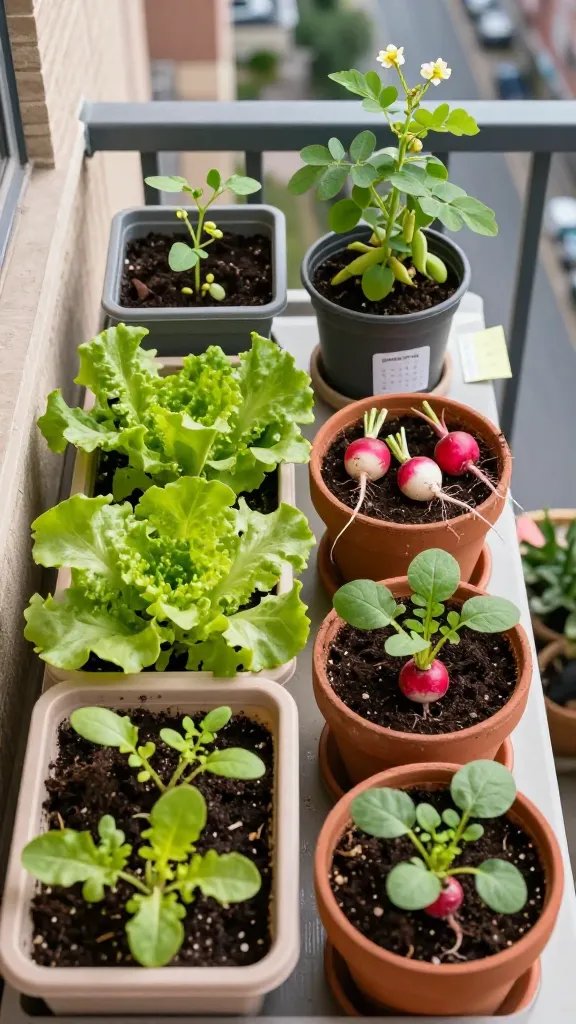
Succession planting means sowing small batches repeatedly. You’ll dodge feast-or-famine harvests and keep salads, stir-fries, and salsa coming weekly. No more 27 radishes on a Tuesday and nothing for two weeks.
Staggering Schedules That Actually Work
- Leafy Greens: Sow every 10–14 days in cool seasons; every 7–10 days in heat with heat-tolerant varieties.
- Radishes: Every 10–14 days until temps hit consistent 80s, then pause and resume in fall.
- Bush Beans: Plant a new pot every 2–3 weeks from late spring to midsummer.
- Cilantro: Every 2 weeks (bolts fast in heat, so give it shade in summer).
- Basil: Start one pot early summer, another mid-summer for a late-season flush.
Mini Calendar Example (Zone-Flexible)
- Week 1: Pot A: lettuce mix; Pot B: radishes; Pot C: peas.
- Week 3: Pot D: lettuce mix; Pot E: cilantro.
- Week 5: Pot F: bush beans; Pot A: re-sow lettuce after first cut.
- Week 7: Pot B: re-sow radishes; Pot E: cilantro again.
Use reminders on your phone. Seriously, future you will forget, and future you loves salad.
Tips
- Sow small amounts often rather than huge plantings you can’t eat in time.
- Mix days-to-maturity varieties (early + mid + late) for steady-hand harvests.
- Keep backup seedlings in small cell trays to plug gaps instantly.
Bottom line: Staggering turns your containers into a reliable grocery aisle—minus the fluorescent lighting.
3. Swap Smart: Crop Rotation For Pots (Yes, It Matters)
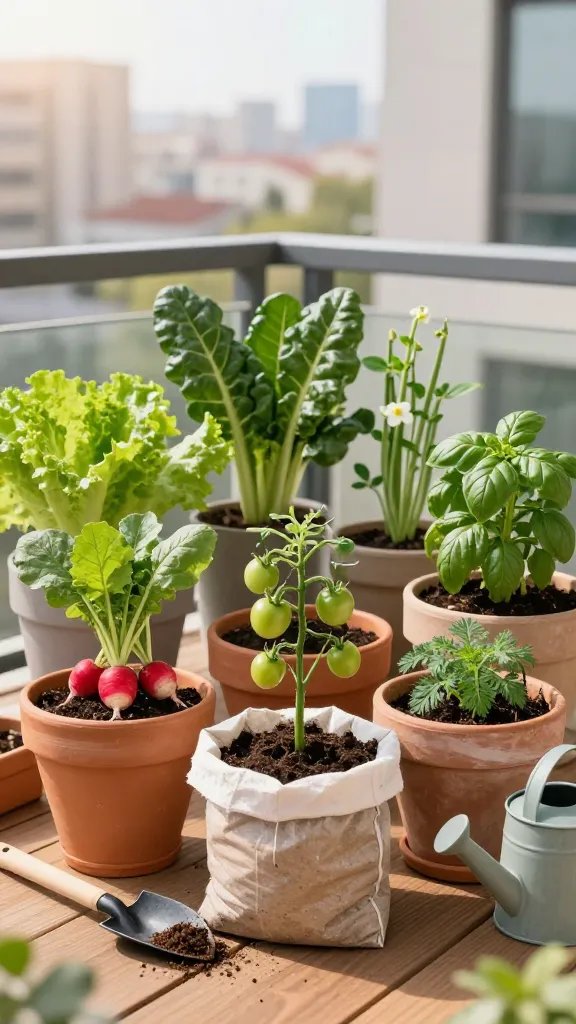
Even in containers, rotating crops reduces pests, diseases, and nutrient drain. Different crops crave different nutrients and leave the soil in different shape. Your pots will stay healthier, and yields will jump.
Easy Rotation Families
- Leafy Greens: Lettuce, spinach, arugula, chard.
- Roots: Radish, beet, carrot.
- Legumes: Peas, bush beans (nitrogen-fixers = soil boost).
- Fruit Crops: Tomatoes, peppers, eggplant, cucumbers.
- Herbs: Basil, cilantro, dill, parsley (floats; rotate around freely).
Rotation Templates
- Spring: Leafy greens → Early Summer: Bush beans → Late Summer/Fall: Spinach/chard.
- Spring: Radish → Summer: Basil → Fall: Carrots.
- Spring: Peas (trellis) → Summer: Cucumbers (bush) → Fall: Lettuce.
Soil TLC Between Swaps
- Top-dress 1–2 inches of high-quality compost after each crop.
- Refresh nutrients with a balanced organic fertilizer or worm castings.
- Fluff and re-wet old potting mix before replanting; remove gnarly roots.
- Solarize if needed: If you had disease issues, empty into a black bag, set in sun for a few days, then amend.
Rotating keeps pests guessing and soil thriving. It’s the plant equivalent of cross-training—stronger and more resilient over time.
4. Pair And Layer: Interplanting For Max Yield In Small Spaces
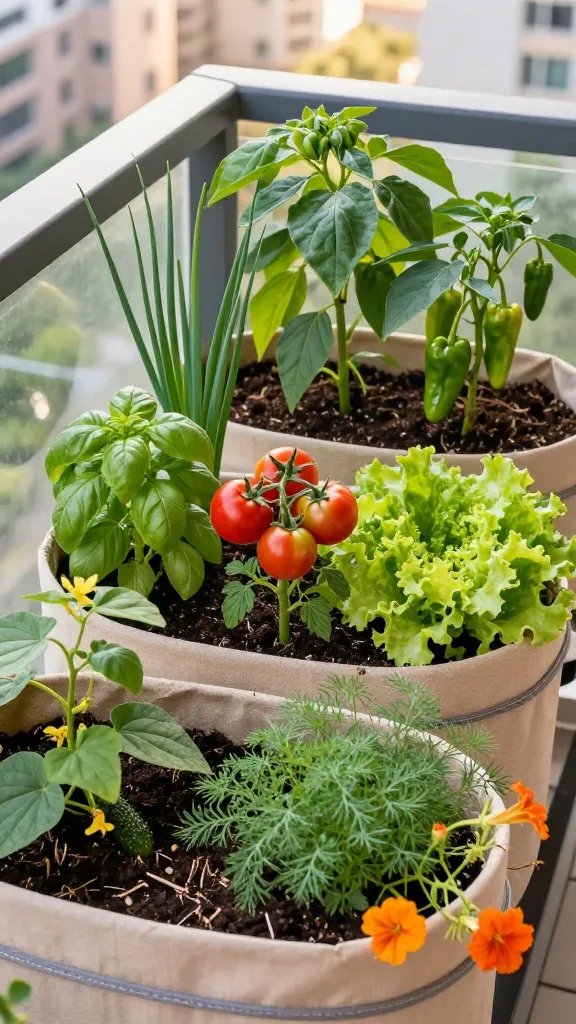
Containers shine when you stack growth habits. Pair fast sprouts with slow growers, shallow roots with deep roots, and shade-lovers under taller plants. It looks lush and tastes even better.
Winning Combos
- Tomato + Basil + Green Onion: Basil boosts flavor, scallions fill gaps. Use a 5–7 gallon pot with a dwarf tomato.
- Peppers + Baby Lettuce Edging: Lettuce matures before peppers dominate. Harvest lettuce, give peppers the spotlight.
- Cucumber (bush) + Dill + Nasturtium: Dill attracts beneficials, nasturtium trails and offers edible flowers.
- Carrots + Radishes: Radishes pop in 25 days, carrots follow and take the room.
- Peas + Spinach: Peas climb; spinach chills in the shade at the base.
Spacing + Timing
- Center the diva (tomato/pepper), ring with quickies (lettuce, basil, scallions).
- Harvest early greens before the main crop needs the elbow room.
- Use vertical trellises, obelisks, or balcony rails for peas and cucumbers.
Soil + Water Considerations
- Use big pots for combos: 12–16 inches for most pairs, 5–10 gallons for fruiting crops.
- Moisture matters: Interplanted pots dry faster—mulch with straw or shredded leaves.
- Fertilize lightly and often during heavy-feeding phases (tomato/pepper fruit set).
Interplanting gives you early and late harvests from the same pot. It’s efficient, pretty, and, IMO, way more fun.
5. The Actual Calendar: Month-By-Month Succession Cheatsheet
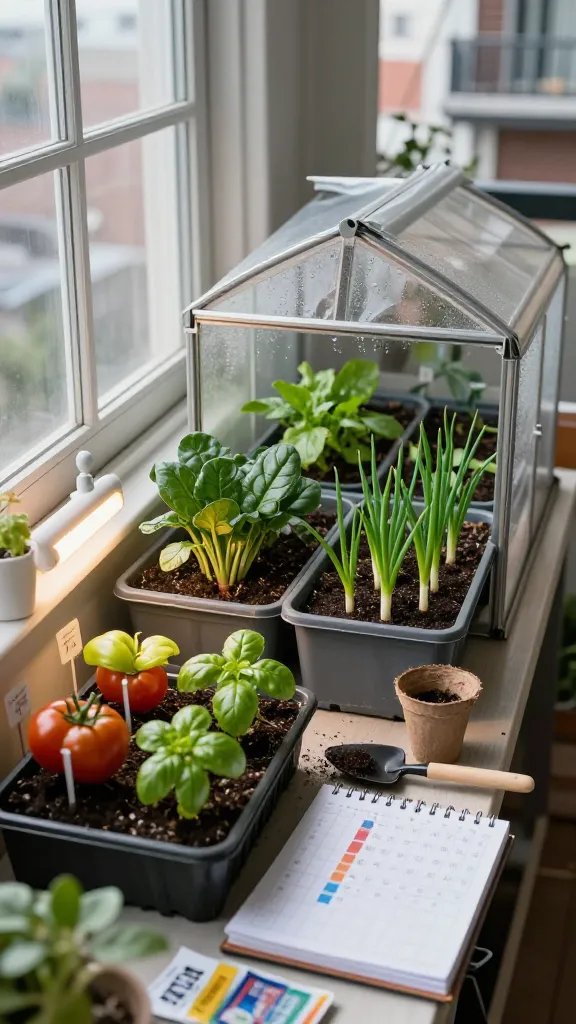
You wanted the playbook—here it is. Adjust a month earlier in warm zones and a month later in cooler zones, and use row covers or a sunny window to flex the edges of your season. FYI, exact dates shift with your frost schedule, but the rhythm stays the same.
Late Winter (Pre-Spring)
- Indoors: Start dwarf tomatoes, peppers, and basil under lights for container varieties.
- Outdoors (protected): Sow spinach, mache, claytonia, and green onions in cold frames or with covers.
- Every 10–14 days: Succession sow salad mixes in window boxes.
Early Spring
- Sow: Arugula, radishes, peas, cilantro, dill, lettuce mixes.
- Interplant: Peas with spinach at the base; harvest spinach first.
- Refresh soil: Add compost and slow-release organic fertilizer before each new sowing.
Mid To Late Spring
- Keep sowing every 10–14 days: Lettuce and radishes.
- Start bush beans in 10–12 inch pots; repeat in 2–3 weeks.
- Pot up seedlings: Dwarf tomatoes and peppers into 5-gallon containers after frost.
Early Summer
- Swap peas → cucumbers (bush) in the same pot; add dill and nasturtium.
- Edge pepper pots with baby lettuce or basil; harvest greens early.
- Sow heat-tolerant greens: Malabar spinach, New Zealand spinach, or bolt-resistant lettuces in partial shade.
Mid Summer
- Keep bush bean successions going every 2–3 weeks.
- Restart basil in a fresh pot for a late-season surge.
- Direct sow carrots and beets for fall if temps allow; keep evenly moist.
Late Summer
- Final bean sowing for a fall flush.
- Begin fall greens: Kale, mustards, spinach, arugula; sow every 10–14 days.
- Tomato tired? Underplant with cilantro and chives for fall herb action.
Early Fall
- Transition fruit pots to greens as summer crops wind down.
- Plant radishes every 10–14 days; pair with carrots one last time.
- Keep mulch to stabilize moisture and soil temps.
Late Fall
- Cold-hardy set: Spinach, mache, claytonia, parsley, scallions.
- Use covers on chilly nights to extend harvests.
- Top-dress compost and reduce watering as growth slows.
Winter (Mild/Warm Zones Or Protected)
- Harvest sparingly from hardy greens; growth is slow but steady.
- Sow microgreens indoors for quick gratification.
- Prep next season: Order seeds, refresh potting mix, clean containers, sharpen pruners.
Quick Varieties To Bookmark
- Fast (20–35 days): Radish, baby lettuce, arugula, microgreens.
- Medium (40–60 days): Bush beans, cilantro, dill, beets, carrots (baby stage).
- Long (60–90+ days): Tomatoes (dwarf), peppers, eggplant, cucumbers.
This calendar keeps your containers in production all year. Tweak based on your frost dates, and you’ll always have something ready to eat.
Ready to turn your balcony or patio into a snack factory? Start with two or three pots, plant in waves, and rotate like a boss. Keep the soil fed, the calendar rolling, and—trust me—you’ll be harvesting more than you thought possible from a few humble containers. Happy planting and happier munching!