
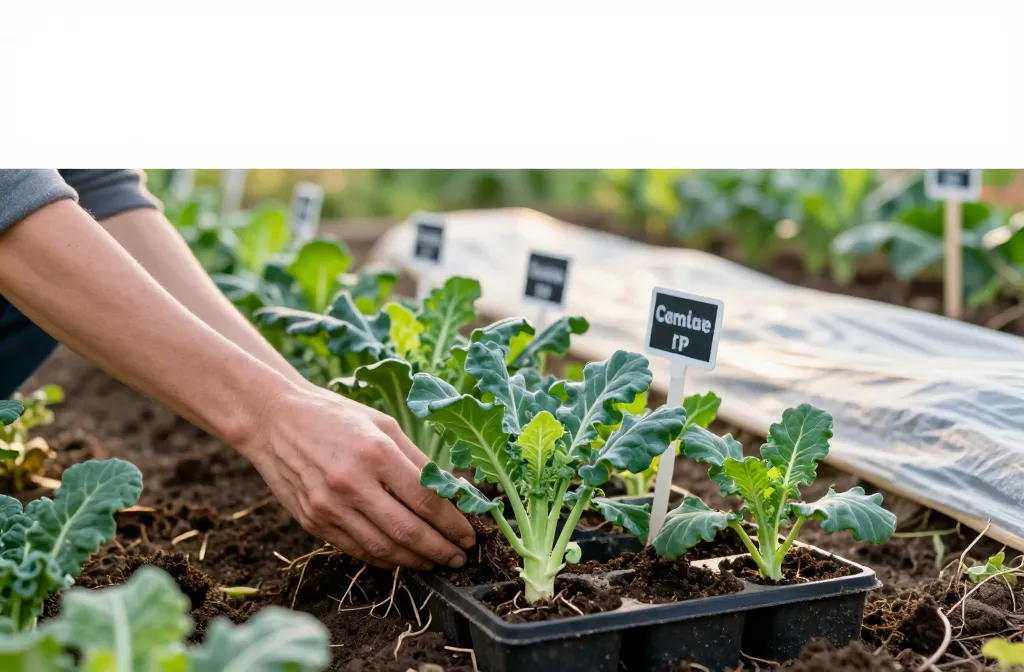
Ready to graduate your seedlings from the windowsill to the big leagues? Spring transplanting can make or break your harvest, and timing matters more than fancy tools. This guide gives you exact cues for when to move 15 popular veggies, plus tricks to help them settle fast. Let’s get those roots happy and your harvests rolling, shall we?
1. Tough-As-Nails Cool-Season Crew: Broccoli, Cabbage, Cauliflower, Kale
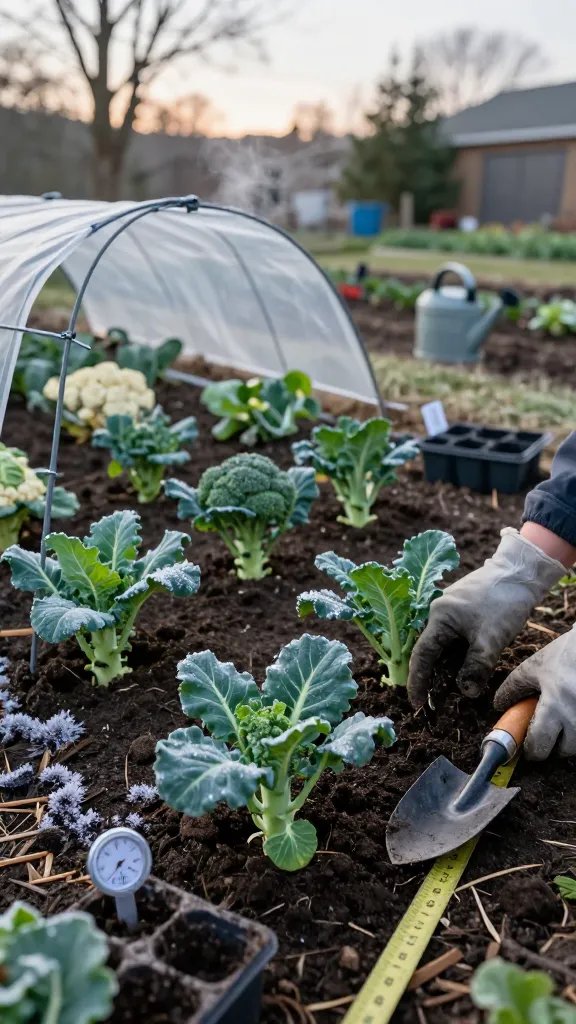
These brassicas love cool soil and crisp mornings. Move them early and they’ll bulk up before heat and pests crash the party. They handle light frost like champs, so you can plant sooner than your gut might allow.
When To Transplant
- Soil temperature: 45–60°F (7–16°C), ideally 50°F+
- Air temperature: Days 50–70°F; nights above 28–30°F
- Seedling age: 4–6 weeks old with 4–6 true leaves
- Frost tolerance: Light frost okay; hard freeze needs row cover
Prep And Spacing
- Hardening off: 7–10 days outdoors, increasing time and sun exposure
- Spacing: Broccoli/Cauliflower 18–24″, Cabbage 18–24″, Kale 12–18″
- Soil: Fertile, well-drained; add compost and a handful of balanced fertilizer
- Depth: Plant at same depth as pot; firm soil to remove air pockets
Protect with floating row cover to block cabbage worms from day one. Bonus: a little shade cloth during sudden heat waves prevents buttoning and bitterness. Transplant early, harvest earlier, and enjoy sweet, dense heads.
2. Leafy Greens That Thrive In Chill: Lettuce, Spinach, Swiss Chard
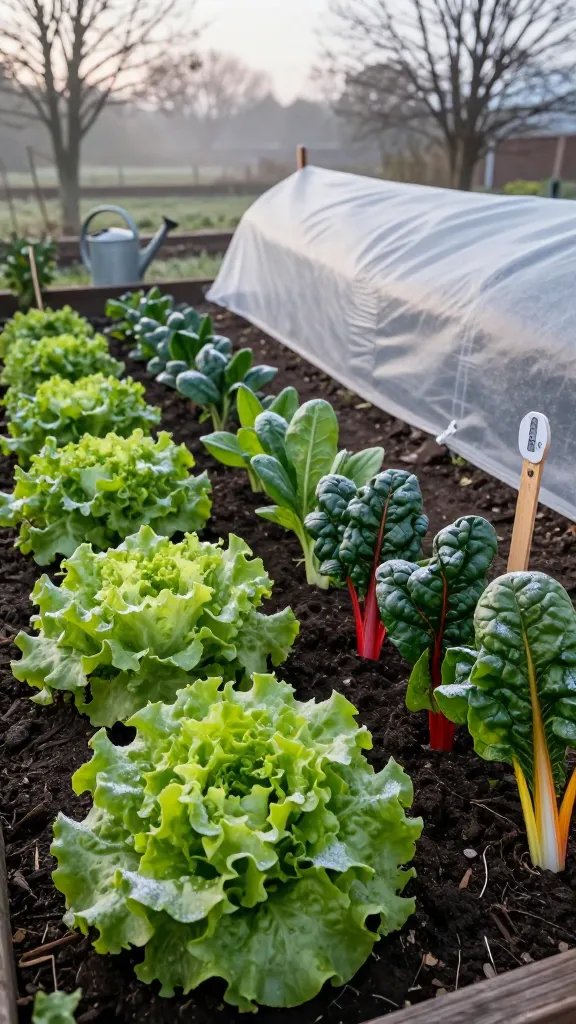
These leafy legends prefer cool temps and quick transplants. Get them in early to avoid bolting when heat hits. You’ll snack on salads weeks before your neighbors even uncover their grill.
When To Transplant
- Soil temperature: 40–60°F (4–16°C) for spinach; 45–65°F for lettuce and chard
- Air temperature: Days 45–70°F; nights above 28–30°F
- Seedling age: 3–4 weeks with 2–4 true leaves
- Frost tolerance: Spinach and chard handle frost well; lettuce needs cover below 30°F
Transplant Tips
- Spacing: Lettuce heads 10–12″, leaf lettuce 6–8″; spinach 4–6″; chard 10–12″
- Mulch: Light organic mulch to keep roots cool and moist
- Water: Daily light water for the first week, then 1″ per week
- Shade: Afternoon shade or 30% cloth during sudden heat spikes
Harvest outer leaves to keep plants producing. FYI: a quick diluted seaweed drench post-transplant reduces shock and perks up color.
3. The Tender Divas: Tomatoes, Peppers, Eggplant
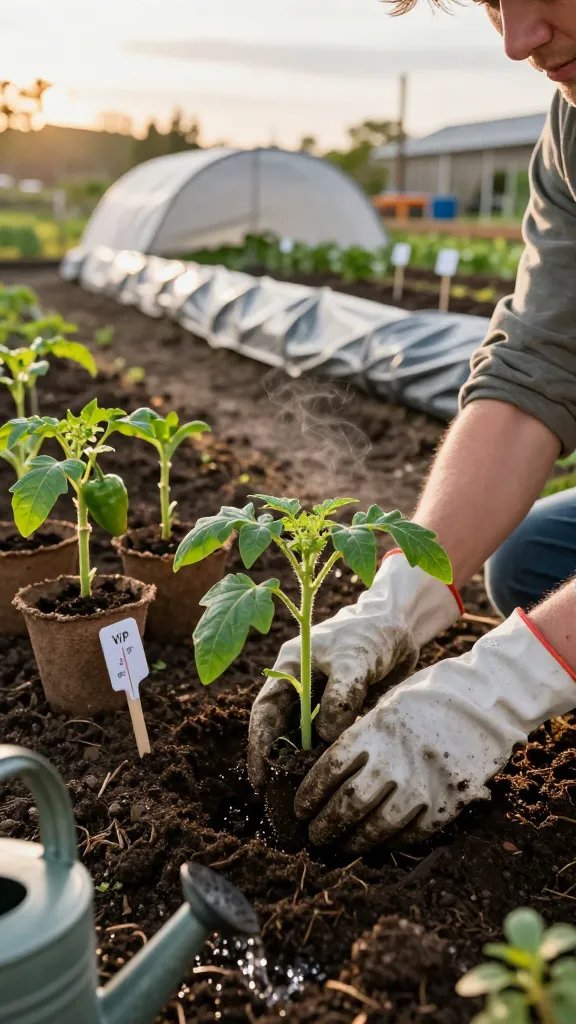
Heat-lovers with zero patience for cold feet. Rush them and you’ll stunt them for weeks; wait for warm soil and they’ll rocket upward. Treat them like VIPs and they’ll pay you back in juicy glory.
When To Transplant
- Soil temperature: Tomatoes 60°F+; Peppers/Eggplant 65°F+
- Air temperature: Days 70–85°F; nights consistently 55°F+
- Frost risk: Completely gone; keep row cover handy for surprise dips
- Seedling age: 6–8 weeks with stout stems; avoid leggy plants
Planting Technique
- Depth: Tomatoes can be planted deep or laid sideways to root along the stem; peppers/eggplant at same depth as pot
- Spacing: Tomatoes 24–36″ (indeterminate) or 18–24″ (determinate); peppers 14–18″; eggplant 18–24″
- Support: Install cages/stakes at planting to avoid root damage later
- Mulch: Black plastic or thick organic mulch to warm soil and retain moisture
Shock-Proofing
- Harden off 7–10 days; start in bright shade, end with full sun and light breeze
- Water with a phosphorus-forward starter solution (root booster) at planting
- Use walls-of-water or cloches for early plant-outs in borderline climates
Wait for warmth, then plant. IMO, patience here wins you bigger yields and fewer pest issues—seriously.
4. Fast And Frost-Tender Vines: Cucumbers, Zucchini, Summer Squash
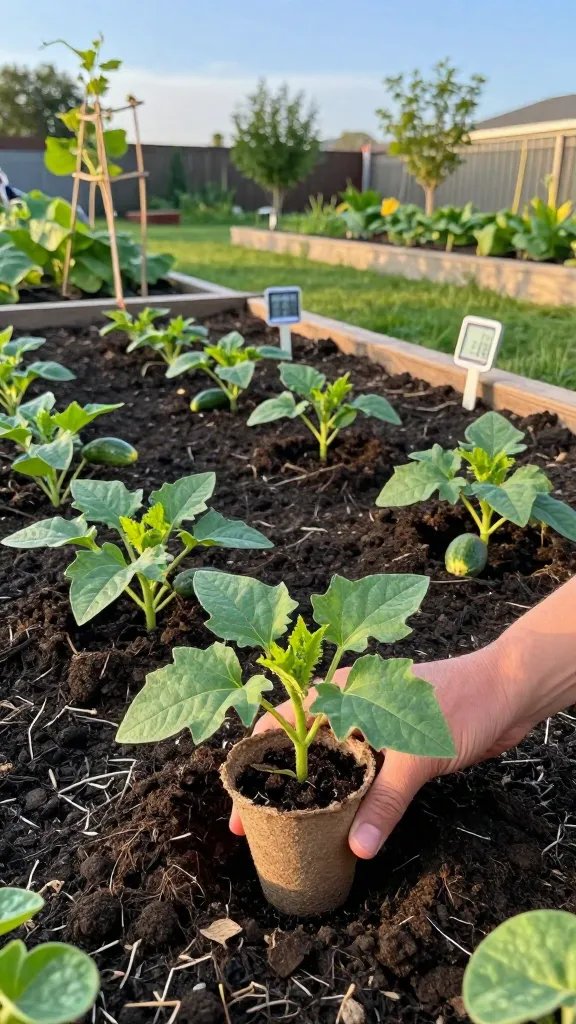
These sprint once warm weather arrives. Transplant too early and they sulk; nail the timing and they explode with growth. They dislike root disturbance, so care beats speed.
When To Transplant
- Soil temperature: 65–70°F+
- Air temperature: Days 70–90°F; nights 55°F+
- Frost risk: Zero; even a light frost wipes them out
- Seedling age: 2–3 weeks, with 1–2 true leaves and a tight rootball
Smart Moves
- Start in biodegradable pots (peat, paper) to avoid root shock—plant pot and all
- Spacing: Bush zucchini/squash 36–48″; cucumbers 12–18″ on trellis, 36″+ if sprawling
- Warmth: Black plastic or dark mulch boosts soil temp and speeds growth
- Protection: Row cover for first 2–3 weeks to block cucumber beetles and vine borers; remove at flowering
Transplant on a warm, overcast afternoon and water deeply. You’ll see visible growth within days when you get the temps right—trust me.
5. Big Roots, Big Payoff: Onions, Leeks, Celery, And Bonus Basil
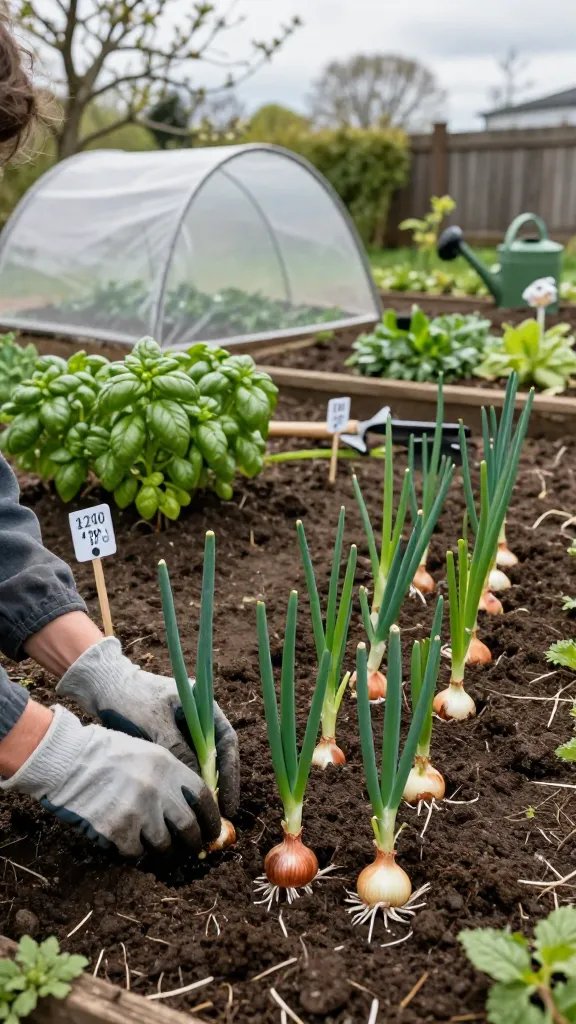
Root-builders prefer steady moisture and careful handling. Onions and leeks like cool starts, while celery needs consistent water and a gentle transition. Basil? It’s your frost-averse buddy that loves heat and hates cold toes.
Onions & Leeks
- When: Transplant when soil hits 45–55°F; nights above 28–30°F
- Seedling age: 8–10 weeks; pencil-thin is perfect
- Spacing: Onions 4–6″ apart in rows 12–18″ apart; leeks 6–8″ apart
- Technique (leeks): Plant in 6–8″ deep dibbled holes; don’t backfill—rain will settle soil and blanch stems
- Nitrogen: Side-dress monthly for fat bulbs and thick shanks
Celery
- When: Transplant after danger of hard frost; soil 55°F+; nights 40–45°F+
- Spacing: 8–10″ apart; keep consistently moist with thick mulch
- Shade: Light afternoon shade helps prevent bitterness and bolting
- Feed: High-organic-matter soil; frequent light fertilizing
Basil (Bonus)
- When: Soil 60–65°F+; nights 55°F+ consistently
- Spacing: 10–12″ for bush types; pinch early for branching
- Tip: Plant basil near tomatoes for easy harvesting and a little wind shelter
These crops reward patience and steady care. Get the timing and moisture right and you’ll harvest thick leeks, crisp celery, sweet onions, and basil that perfumes the whole garden.
Quick Reference: 15 Popular Veggies And Timing Cues
- Broccoli: Soil 45–60°F, nights 28–30°F+
- Cabbage: Soil 45–60°F, nights 28–30°F+
- Cauliflower: Soil 50–60°F, avoid heat stress
- Kale: Soil 45–60°F, very frost tolerant
- Lettuce: Soil 45–65°F, protect below 30°F
- Spinach: Soil 40–60°F, frost tolerant
- Swiss Chard: Soil 45–65°F, handles light frost
- Tomatoes: Soil 60°F+, nights 55°F+
- Peppers: Soil 65°F+, nights 55°F+
- Eggplant: Soil 65°F+, needs warmth
- Cucumbers: Soil 65–70°F+, frost-tender
- Zucchini: Soil 65–70°F+, frost-tender
- Summer Squash: Soil 65–70°F+, frost-tender
- Onions: Soil 45–55°F, cool tolerant
- Leeks: Soil 45–55°F, cool tolerant
- Celery: Soil 55°F+, steady moisture
- Basil: Soil 60–65°F+, no cold nights
Universal Transplanting Playbook
- Hardening Off: 7–10 days. Start 1–2 hours in shade, end with full-day sun and breeze. Don’t skip this—sunscald is real.
- Planting Day: Choose overcast afternoon or early evening. Water seedlings an hour before you plant.
- Hole Prep: Mix in compost and a pinch of balanced fertilizer. Moisten the hole before setting the plant.
- Water In: Use a kelp/seaweed or microbial inoculant solution to reduce shock.
- Mulch: Apply 1–2″ after soil warms for cool crops; 2–3″ for heat lovers once soil is warm.
- Wind/Cold Protection: Row cover, cloches, or low tunnels are cheap insurance for surprise weather.
- Pest Patrol: Cover brassicas from day one; remove covers when plants need pollination (cucurbits) or outgrow space.
Common Mistakes To Dodge
- Planting into cold, soggy soil: Roots suffocate and stall. Wait a few dry days after heavy rain.
- Skipping hardening off: Leaves burn, growth stalls. Slow and steady, friend.
- Over-fertilizing at transplant: Excess nitrogen fries roots. Go gentle upfront; feed later.
- Burying crowns/leaves: Especially for peppers/eggplant/lettuce—keep original soil line.
- Under-watering the first week: Keep the root zone evenly moist until established.
Succession And Zone-Savvy Tips
- Cold zones (3–5): Use low tunnels to plant cool crops 2–3 weeks earlier; wait for real warmth for tomatoes and friends.
- Mid zones (6–7): Stagger plantings every 2 weeks for lettuce and brassicas to outpace bolting.
- Warm zones (8–10): Push cool crops late winter; shift to heat lovers early. Shade cloth becomes your bestie.
- Coastal/mountain areas: Watch microclimates—windbreaks and heat-holding walls change timing by a week or more.
Spring transplanting doesn’t need drama. Use soil temps, night lows, and a solid hardening routine, and your plants will thank you with fast growth and earlier harvests. Ready to move those seedlings out? Your garden just called—it saved you a sunny seat and a basket for the first big haul.