
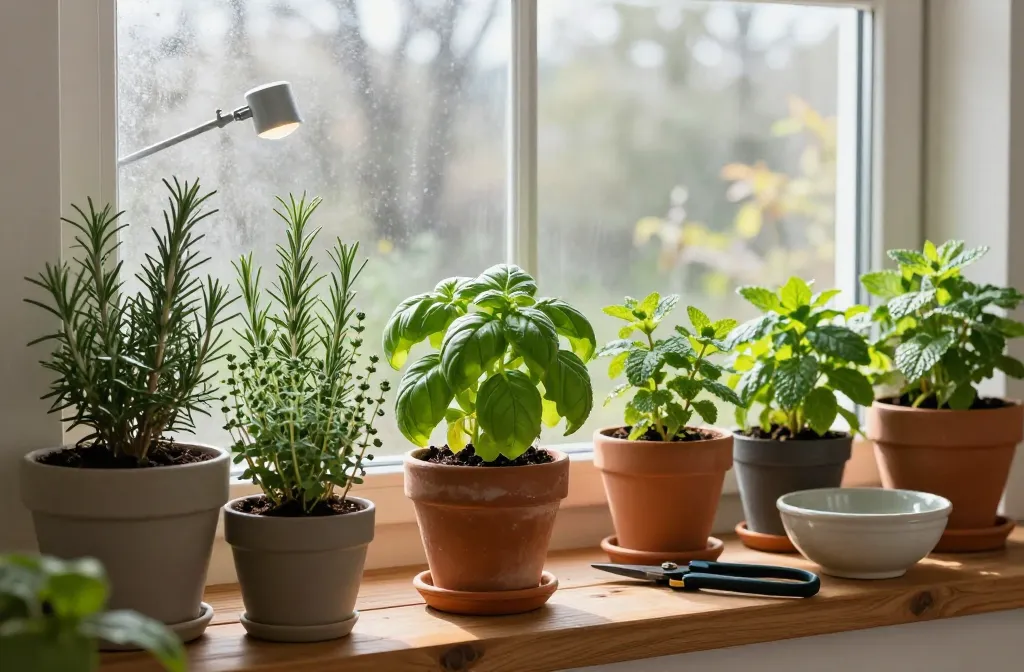
Cold weather doesn’t have to mean bland dinners. These eight herbs thrive indoors, love sunny windows, and turn weeknight meals into something you brag about. We’ll cover which varieties behave best in pots, how to keep them from going leggy, and the tiny care tweaks that make a huge difference. Ready to build a mini herb jungle that actually survives till spring?
1. Basil, But Make It Cozy
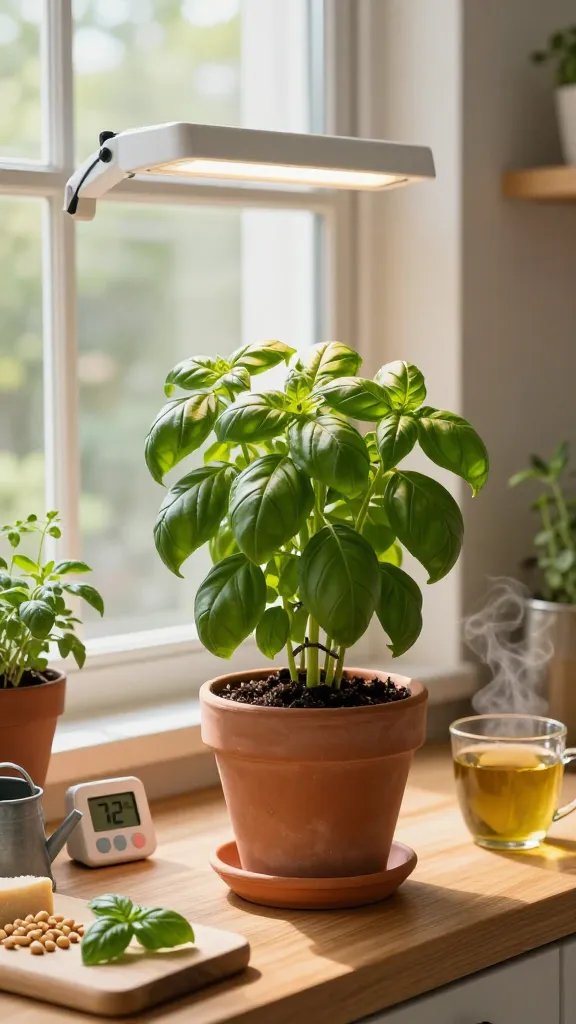
Basil screams summer, but you can keep it happy indoors with the right setup. Give it strong light, steady warmth, and a pot that drains like a champ. It rewards you with fragrant leaves for pesto, pizza, and that last-minute “wow” on soups.
Tips For Happy Indoor Basil
- Light: 6–8 hours of bright light. South-facing window or a full-spectrum grow light 6–8 inches above the plant.
- Heat: Basil hates cold drafts. Keep it above 65°F, ideally 70–75°F.
- Water: Keep soil slightly moist, never soggy. Let the top inch dry between waterings.
- Pruning: Pinch above leaf pairs often. Remove flower buds immediately to keep flavor strong.
- Varieties: Try Genovese for classic flavor or Greek basil for compact growth indoors.
Use basil when you want instant freshness—toss into omelets, blend into pesto, or pair with tomatoes and mozzarella. It’s basically summer in leaf form, even when it’s snowing.
2. Mint That Won’t Take Over Your House
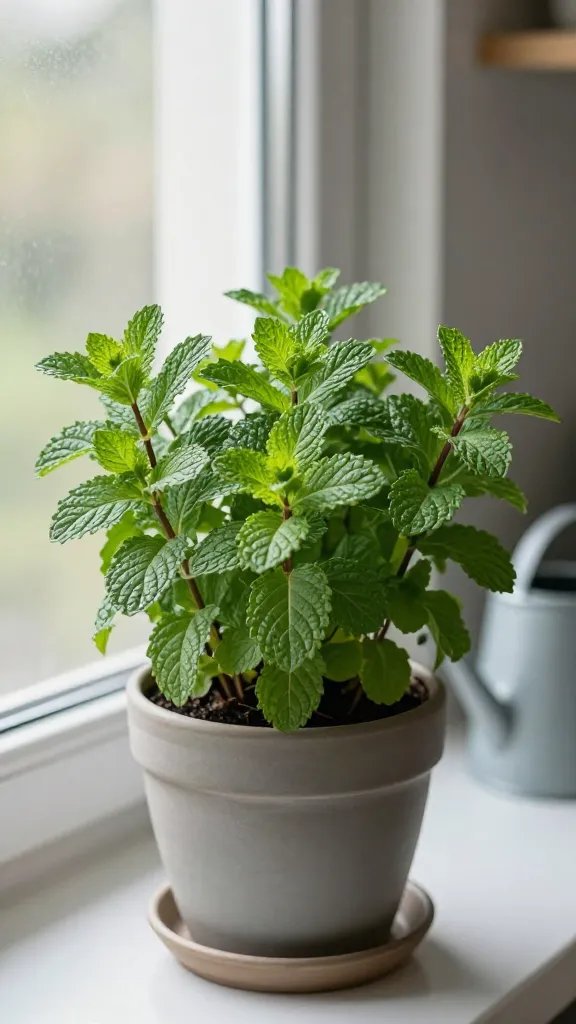
Mint grows fast and forgives your occasional neglect. It loves cool air, moderate light, and regular nips. Keep it contained, because mint behaves like that friend who invites three dozen guests to your quiet night in.
Key Moves
- Container Only: Always pot mint solo. It spreads aggressively via runners.
- Light: Bright indirect light or morning sun. Too much harsh sun can crisp the edges.
- Water: Even moisture. Mint wilts dramatically when thirsty, then rebounds after a drink—drama queen status.
- Feeding: Light feed every 4–6 weeks with a balanced liquid fertilizer.
- Varieties: Peppermint for tea, Spearmint for mojitos and salads, Chocolate mint for dessert vibes.
Mint shines in teas, cocktails, yogurt sauces, and fruit salads. Grow it if you love refreshing flavors and want a plant that forgives missed watering—seriously, it’s chill.
3. Thyme That Actually Thrives Indoors
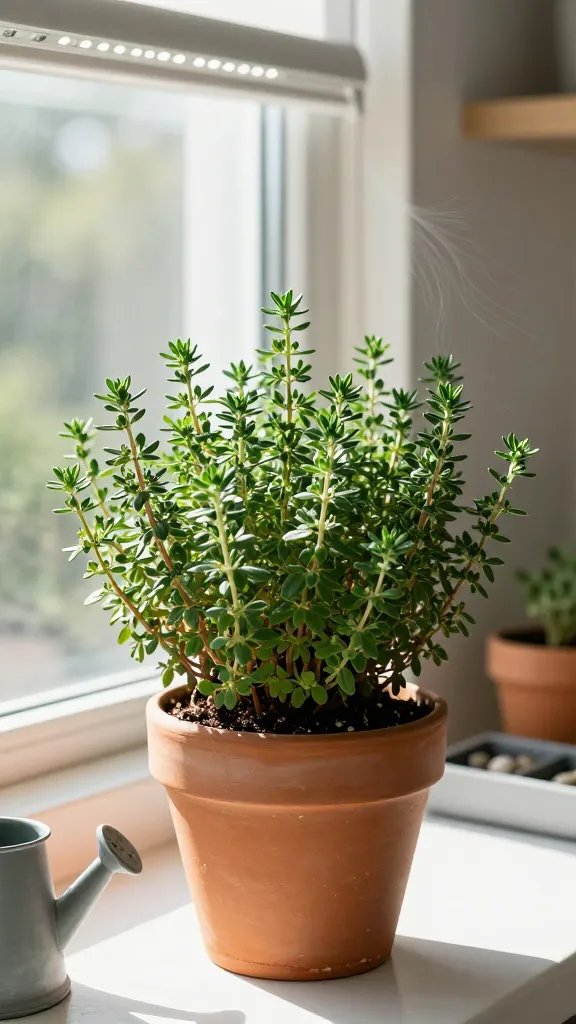
Thyme brings deep, savory flavor with minimal fuss. It stays compact, tolerates a bit of dryness, and packs a punch in tiny leaves. If you “forget” to water sometimes, thyme doesn’t take it personally.
How To Nail It
- Light: 6+ hours of direct sun or a bright grow light. Without it, thyme gets leggy fast.
- Soil: Sandy, well-draining mix. Add perlite or coarse sand to regular potting soil.
- Water: Let it dry out between waterings. Soggy roots = bye-bye thyme.
- Airflow: Gentle airflow reduces mildew. An oscillating fan on low works.
- Varieties: English thyme for all-purpose, Lemon thyme for citrusy brightness with roasted veggies and fish.
Use thyme in roasted potatoes, pan sauces, and slow-cooked dishes. It’s your winter comfort-food MVP.
4. Chives For That Restaurant-Level Finish
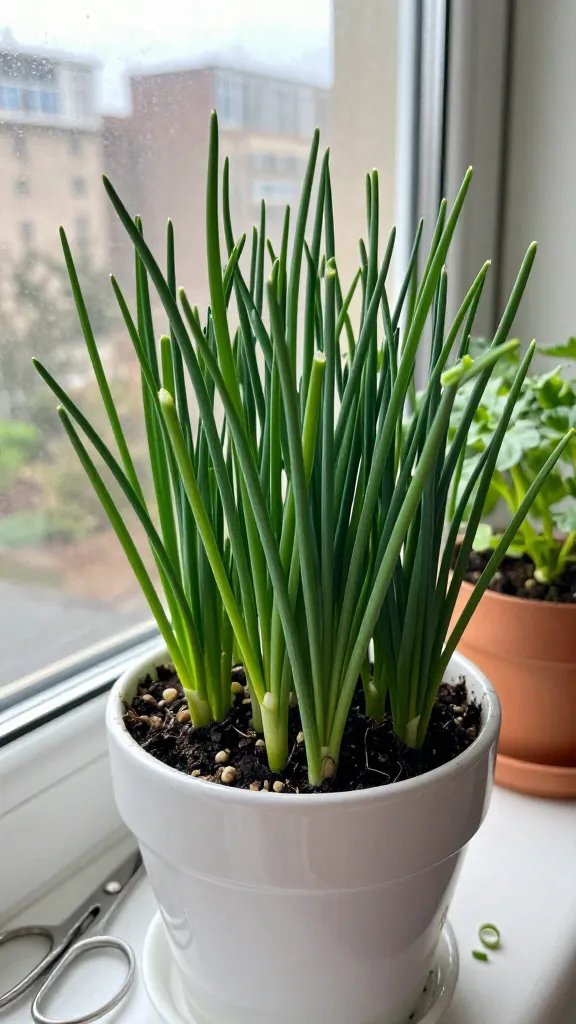
Chives act like the confetti of the culinary world—sprinkle them on and everything looks and tastes better. They grow like a tuft of grass, regenerate quickly, and handle windowsill life like pros.
Grower Notes
- Light: 4–6 hours of bright light. They tolerate a bit less light than most herbs.
- Water: Keep evenly moist. Never let them sit in waterlogged soil.
- Cut Right: Snip leaves to 1–2 inches above the soil. They’ll regrow repeatedly.
- Divide & Refresh: If the clump feels crowded, split it into two pots in late winter.
- Bonus: Garlic chives add mild garlicky notes—amazing on dumplings and noodles.
Toss chives on eggs, baked potatoes, ramen, and creamy soups. They deliver fresh oniony pop without the tears—IMO, that’s a win.
5. Rosemary, Your Woody Winter Warrior
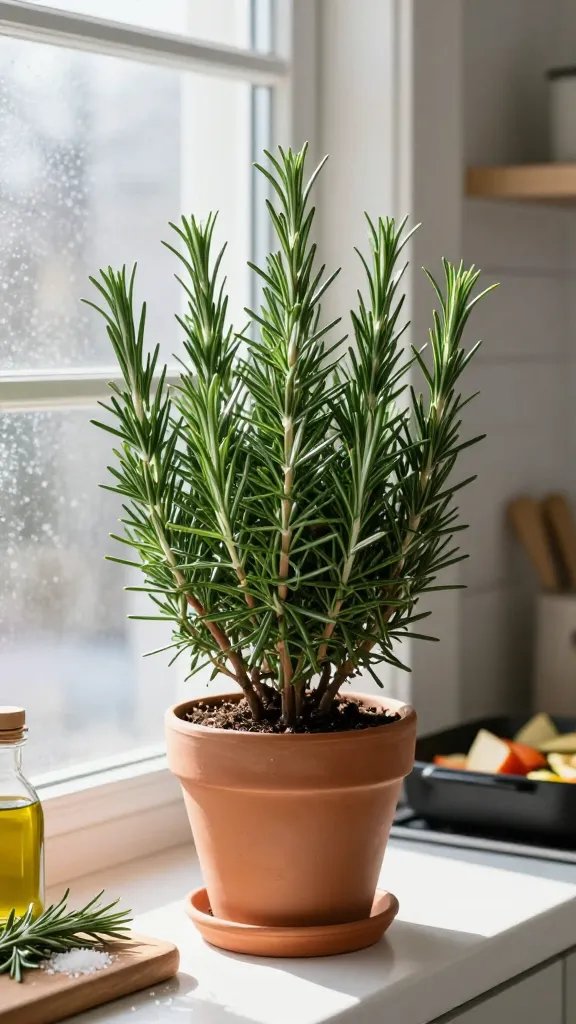
Rosemary brings big flavor and a piney aroma that feels like a holiday candle—except edible. It prefers cooler indoor temps, strong light, and a “don’t smother me” watering schedule. Treat it like a tiny tree and it’ll treat you to incredible roasts.
Care Essentials
- Light: 6–8 hours of strong sun or a high-output grow light.
- Temperature: 55–65°F nights are fine. Avoid heat vents and dry blasts.
- Water: Deep soak, then let the top 2 inches dry. Rosemary hates wet feet.
- Potting: Use a terra-cotta pot with gritty, fast-draining soil.
- Pruning: Lightly trim tips to keep it bushy. Don’t cut into old woody stems.
Use rosemary in focaccia, roasted chicken, skillet potatoes, and infused olive oil. It’s the herb that makes your kitchen smell like you really know what you’re doing—FYI, you do.
Ready to build your own cold-weather flavor factory? Start with two or three herbs you use most, then add more as you get the hang of it. With smart light, a watering rhythm, and a bit of pruning, your September indoor garden will keep the good stuff coming straight through winter. Trust me, your future soups are already grateful.