
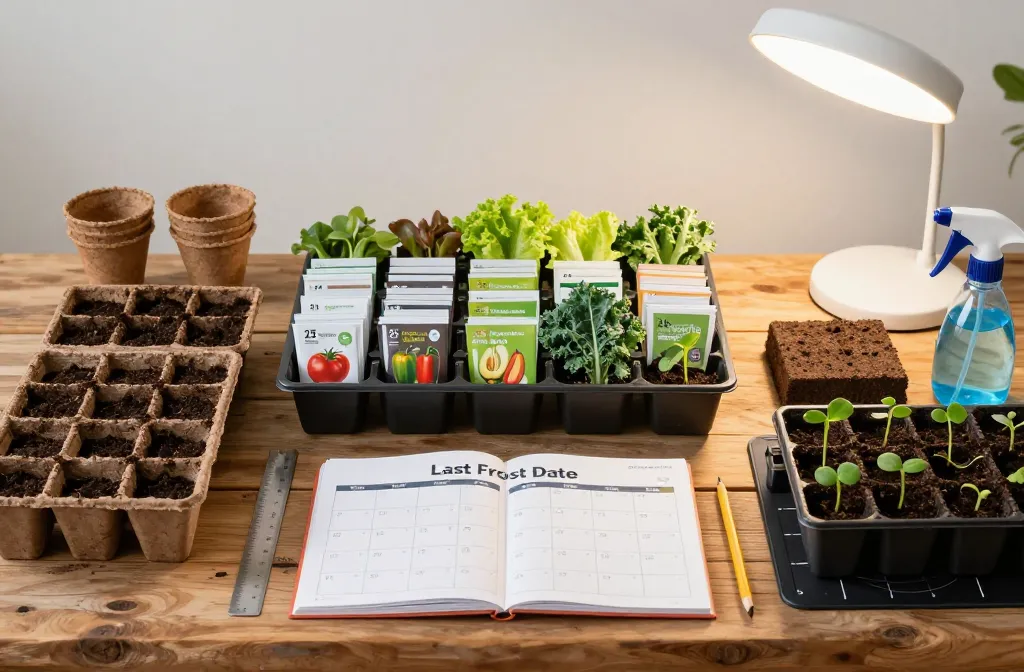
Dreaming of a garden that actually produces more than three cherry tomatoes and a life lesson? You need timing. A dialed-in seed starting schedule turns your windowsill into a powerhouse and your last frost date into a cheat code. We’ll break down exactly when to start 25 common veggies, how to pace your sowing, and what tools make it painless. Ready to plant smarter, not harder?
1. Know Your Frost Date (And Make It Your North Star)
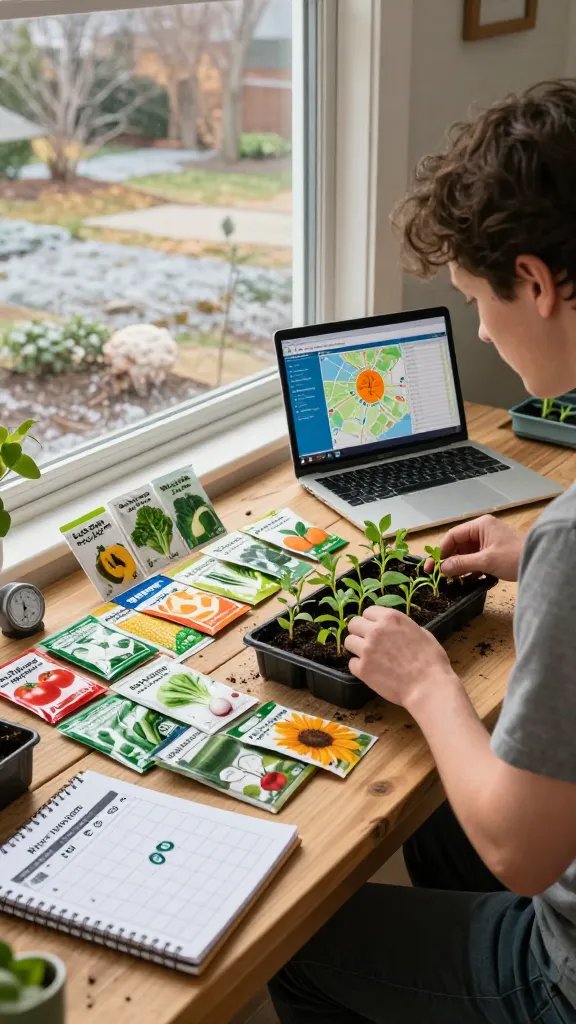
Your entire seed plan revolves around your local last spring frost date. That single date tells you when to start seeds indoors, when to transplant, and when to direct sow outside. Think of it like your GPS—ignore it and you’ll end up lost with leggy seedlings.
How To Find It Fast
- Use your zip code on reputable frost date tools (NOAA, local extension, Almanac).
- Note your average last frost date (spring) and first frost date (fall).
- Track microclimates: urban heat islands run warmer, valleys run cooler.
Once you’ve got the date, everything counts backward or forward in weeks. Simple, clean, and powerful.
Key Timing Terms
- Start Indoors X Weeks Before Last Frost: Count backward to your sow date.
- Transplant After Frost: Move tender crops out once danger passes.
- Direct Sow: Plant seeds straight in the garden—no indoor start needed.
Get this right and you’ll avoid frost-bitten tomatoes and bolted lettuce. FYI, a little calendar math now saves a lot of tears later.
2. Warm-Season All-Stars: Start Indoors, Love The Heat
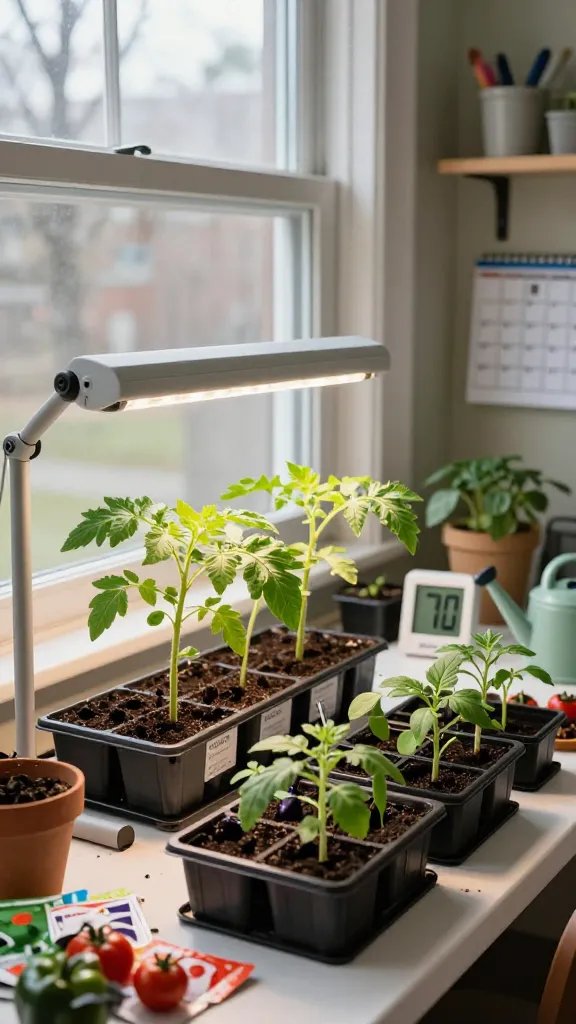
Warm-season crops hate cold feet. They demand cozy indoor starts and balmy soil for transplanting. Nail the timing and you’ll get earlier harvests and sturdier plants.
Start Indoors (6–10 Weeks Before Last Frost)
- Tomatoes: 6–8 weeks before; transplant 1–2 weeks after frost when nights stay above 50°F.
- Peppers (sweet & hot): 8–10 weeks before; transplant 2 weeks after frost, soil 65–70°F.
- Eggplant: 8–10 weeks before; likes it hot—transplant after frost when nights are warm.
- Tomatillos: 6–8 weeks before; transplant after frost, similar to tomatoes.
Direct Sow After Soil Warms
- Corn: Sow 1–2 weeks after frost when soil hits 60°F+. Succession sow every 2 weeks for 6 weeks.
- Beans (bush & pole): Sow after frost, soil 60°F+. Resow monthly for continuous harvest.
- Cucumbers: Direct sow 1–2 weeks after frost; or start indoors 3–4 weeks before in biodegradable pots.
- Squash (summer & winter): Direct sow 1–2 weeks after frost; or start 3–4 weeks before in roomy cells.
- Melons (cantaloupe, watermelon): Start 3–4 weeks before or direct sow 2–3 weeks after frost in very warm soil (70°F+).
- Okra: Direct sow 2–3 weeks after frost; pre-warm soil or use black mulch.
Tips
- Use a heat mat for peppers and eggplant. Germination skyrockets.
- Pot up tomatoes once before transplanting; bury stems deep for stronger roots.
- Harden off all warm-season starts for 5–7 days before planting out.
These heat lovers pay you back with big yields—just give them warmth, patience, and zero frost exposure. Seriously, zero.
3. Cool-Season Crunch: Sow Early And Often
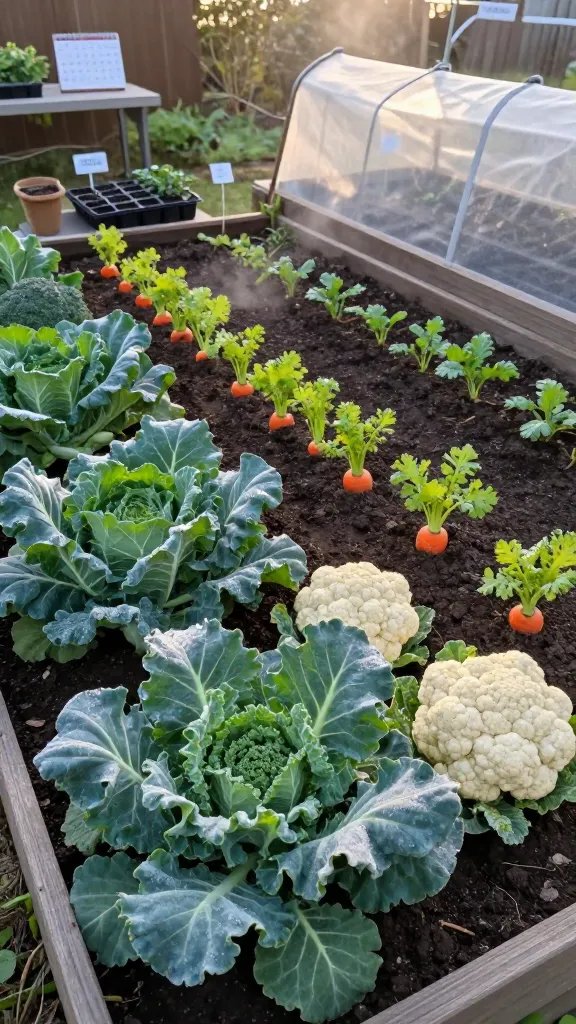
Cool-season crops thrive in mild temps and don’t mind a light frost. Start them early, harvest spring into early summer, then sow again for fall. Hello, crispy salads and sweet carrots.
Start Indoors Early (4–8 Weeks Before Last Frost)
- Brassicas (broccoli, cabbage, cauliflower, Brussels sprouts): Start 6–8 weeks before; transplant 2–4 weeks before last frost.
- Kale: Start 4–6 weeks before; transplant 2–4 weeks before frost or direct sow.
- Celery: Start 10–12 weeks before; transplant after frost or when nights warm a bit.
- Onions (bulb): Start 10–12 weeks before; transplant 4–6 weeks before frost.
Direct Sow As Soon As Soil Is Workable
- Peas: Direct sow 4–6 weeks before frost; trellis early, succession sow every 2 weeks.
- Spinach: Sow 4–6 weeks before frost; bolts in heat, so start early and again for fall.
- Lettuce: Sow 4–6 weeks before; also start indoors 3–4 weeks before for transplants.
- Carrots: Direct sow 2–4 weeks before frost; keep surface damp for germination.
- Beets: Direct sow 2–4 weeks before frost; thin early for tender roots.
- Radishes: Direct sow 4 weeks before frost; fast! Succession every 1–2 weeks.
- Arugula: Direct sow 4 weeks before frost; repeat often for peppery greens.
- Swiss Chard: Direct sow 2–4 weeks before frost; or start 3–4 weeks before for transplants.
Fall Crop Reboot
- Count backward from your first fall frost using “days to maturity,” then add 2 weeks for shorter days.
- Resow broccoli, kale, carrots, and lettuce for amazingly sweet fall harvests.
Plant early, harvest often, and replant for fall. Cool-season veggies make you feel like a garden genius with minimal drama.
4. The 25-Veg Master List: Who Starts When
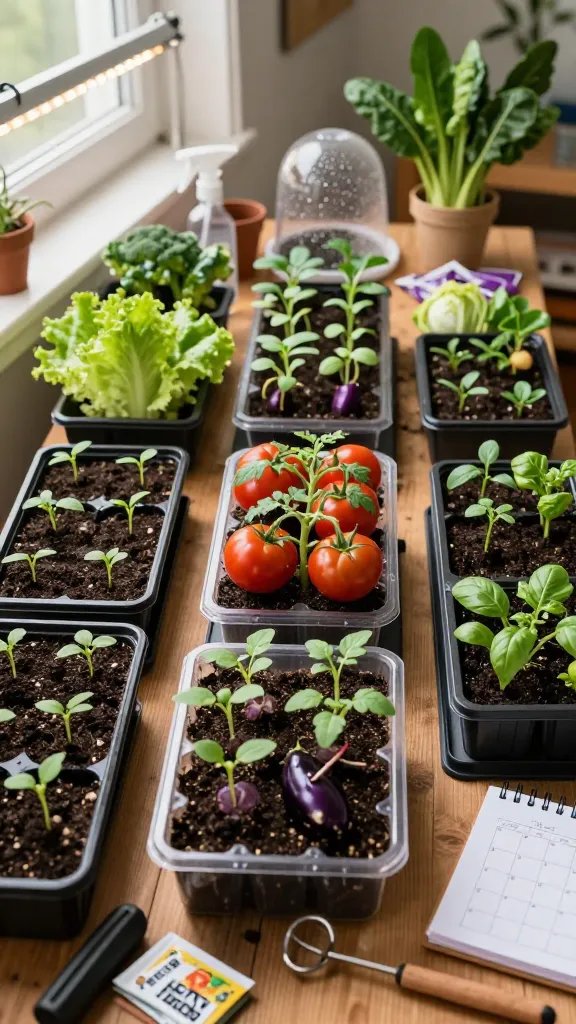
Want the snapshot? Here’s the quick-hit timing for 25 common vegetables. Use it with your frost date and you’re golden. IMO, bookmark this.
Start Indoors (Then Transplant)
- Tomatoes: Start 6–8 weeks before; transplant after frost.
- Peppers: Start 8–10 weeks before; transplant well after frost.
- Eggplant: Start 8–10 weeks before; transplant after frost.
- Tomatillos: Start 6–8 weeks before; transplant after frost.
- Broccoli: Start 6–8 weeks before; transplant 2–4 weeks before frost.
- Cabbage: Start 6–8 weeks before; transplant 2–4 weeks before frost.
- Cauliflower: Start 6–8 weeks before; transplant 2–4 weeks before frost.
- Brussels Sprouts: Start 6–8 weeks before; transplant 2–4 weeks before frost.
- Kale: Start 4–6 weeks before; transplant 2–4 weeks before frost.
- Celery: Start 10–12 weeks before; transplant after frost.
- Onions (from seed): Start 10–12 weeks before; transplant 4–6 weeks before frost.
Direct Sow (Outdoor)
- Peas: 4–6 weeks before frost.
- Spinach: 4–6 weeks before frost; repeat late summer.
- Lettuce: 4–6 weeks before frost; also start indoors for transplants.
- Carrots: 2–4 weeks before frost.
- Beets: 2–4 weeks before frost.
- Radishes: 4 weeks before frost.
- Arugula: 4 weeks before frost.
- Swiss Chard: 2–4 weeks before frost.
- Potatoes: 2–4 weeks before frost (seed potatoes in cool soil).
- Corn: 1–2 weeks after frost, soil 60°F+.
- Beans: After frost, soil 60°F+.
- Cucumbers: 1–2 weeks after frost (or start indoors 3–4 weeks prior).
- Summer Squash (zucchini): 1–2 weeks after frost (or start indoors 3–4 weeks prior).
- Winter Squash/Pumpkins: 1–2 weeks after frost (or start indoors 3–4 weeks prior).
- Melons: 2–3 weeks after frost or start indoors 3–4 weeks prior.
- Okra: 2–3 weeks after frost.
Use this as your master reference. Blend starts and direct sows for steady harvests without panic sowing in June.
Starter Gear (Optional But Clutch)
- Seedling trays and domes: Hold moisture steady.
- LED grow lights: Prevent leggy, weak seedlings.
- Heat mat + thermostat: Especially for peppers and eggplant.
- Fan for airflow: Strengthens stems and cuts disease risk.
Right tools = fewer failures. Trust me, a basic light setup pays for itself in one season.
5. Pro Moves: Succession, Hardening Off, And Transplant Timing
You’ve got the dates. Now level up with a few techniques that turn good gardens into overachievers. Small tweaks, big harvests.
Succession Sowing (Steady Harvests, Zero Gluts)
- Every 1–2 weeks: Radish, arugula, lettuce, spinach, bush beans.
- Every 2–3 weeks: Beets, carrots (keep the seed bed moist).
- Staggered blocks: Corn in 2–3 plantings to avoid a one-week corn party.
This keeps produce flowing and your sanity intact. No more “all the lettuce, all at once” chaos.
Hardening Off (Don’t Skip This)
- Start 7 days before transplanting.
- Day 1–2: Bright shade outdoors, 2–3 hours.
- Day 3–4: Partial sun, 4–6 hours, light breeze.
- Day 5–6: Full sun, most of the day; bring in at night if chilly.
- Day 7: Leave out overnight if above 50°F.
Hardening prevents transplant shock. Skipping it turns perfect seedlings into crispy heartbreaks. Seriously.
Transplanting Windows (Hit The Sweet Spot)
- Cool crops: Plant 2–4 weeks before last frost; aim for cloudy days or late afternoon.
- Warm crops: Plant after frost and warm nights; soil temps matter more than calendar dates.
- Depth: Tomatoes can be buried deeper; peppers and others at the same depth.
Soil And Feeding Basics
- Soil prep: Add compost before planting; aim for loose, well-drained beds.
- Starter feed: Half-strength balanced fertilizer 1–2 weeks after transplant.
- Mulch: Straw or shredded leaves to regulate moisture and temperature.
Dial these in and you’ll gain resilience against weather mood swings and busy weeks. Your future self will thank you with salsa.
Ready to grow like you mean it? Grab your frost date, set a few calendar alerts, and start those seeds with confidence. With a smart schedule and a little consistency, your garden will go from “hopeful” to “harvest basket” fast. Now get planting—your best season yet is totally within reach.