
If you grow food vertically, energy use quickly becomes part of the season puzzle, especially when lighting can account for approximately 80% of a vertical farm’s annual electricity use. So if we want steady harvests of herbs, salads, and veggies all year, we need a clear seasonal plan, not just a nice-looking tower on the patio.
Key Takeaways
| Question | Short Answer |
|---|---|
| How do I plan a full year of vertical edibles? | Think in four seasons, match crops to temperature and light, and use systems like a self watering vertical garden for consistency. for consistency. |
| What crops work best for vertical systems? | Leafy greens, herbs, strawberries, and compact vine crops all do well in towers or on frames, which you can see in options like the Gronomics Vertical Garden. |
| How does seasonal light change my plan? | In winter and low light, you either slow production or add artificial light, especially for systems like a vertical hydroponic herb garden. |
| Can I grow vertical edibles in tiny urban spaces? | Yes, fence-mounted setups and wall frames are perfect, and guides like creating a vibrant vertical garden on a fence walk through the basics. |
| What about larger or shared spaces? | Larger patios, courtyards, or commercial areas can use a commercial vertical garden system to schedule plantings for continuous harvests. |
| Do I need special frames for seasonal planning? | A sturdy structure like a vertical garden frame makes it easy to swap crops as the seasons change. |
1. Start With Your Vertical Edibles Goal For The Year
Before we talk spring peas or winter kale, we like to start with one simple question, what do you actually want to harvest, and when. A year of basil and lettuce for salads looks very different from a plan focused on summer tomatoes and cucumbers.
Think in weekly harvests instead of just plant counts. For example, if you want two family salads a week, plan staggered lettuce and herb plantings across your panels or towers.
- Spring focus Cool greens, peas, radishes, cilantro.
- Summer focus Tomatoes, cucumbers, beans, basil.
- Fall focus Leafy greens again, chard, beets, late strawberries.
- Winter focus Slow but steady herbs and cut-and-come-again greens, often indoors or under cover.
Once that harvest picture is clear, we match it to the right vertical system and the conditions you actually have, not the ones we wish we had.
2. Match Vertical Systems To Seasonal Conditions
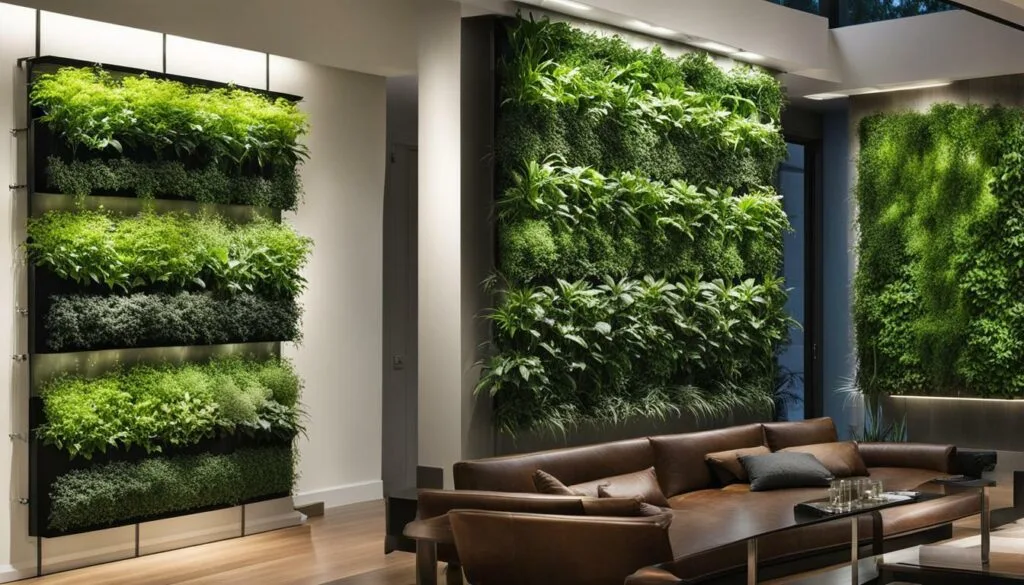
Different vertical setups behave differently across the seasons, especially when you factor in watering, wind, and heat. We like to treat system choice as part of seasonal planning, not an afterthought.
Self watering vertical gardens for steady moisture
A self watering panel or tower handles summer heat better than a basic pot wall, because roots do not swing as wildly between wet and bone dry. Our self watering vertical garden kits include irrigation lines and a timer so you can set consistent cycles for hot months or long weekends away.
Wooden frame systems for classic soil growing
Systems like the Gronomics Vertical Garden, usually around $699.99, give you deep soil pockets and a sturdy structure that works outdoors almost year round with the right crop choices. Wood holds moisture and buffers temperature, which is handy in spring and fall shoulder seasons.
3. Spring Planning: Waking Up Your Vertical Edibles
Spring is when we reset the whole system, refresh media, and start crops that like cool roots and increasing light. Vertical gardens warm up faster than beds, so we can often start greens a bit earlier, especially against a wall that catches morning sun.
Best spring crops for vertical growing
- Leafy greens, lettuce, spinach, arugula, Asian greens.
- Herbs, parsley, cilantro, chives, dill.
- Compact peas on trellised panels or fence gardens.
- Radishes and baby beets in deeper pockets or troughs.
We usually sow or transplant into lower rows first, since they stay cooler and moister, then fill the upper tiers as nights warm. This also staggers harvests so you are not drowning in lettuce all at once.
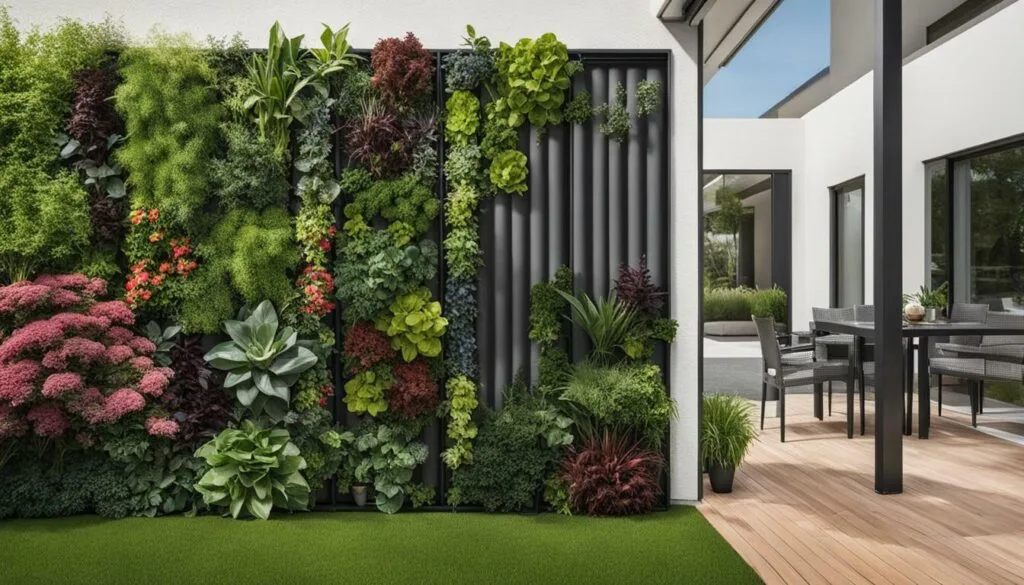
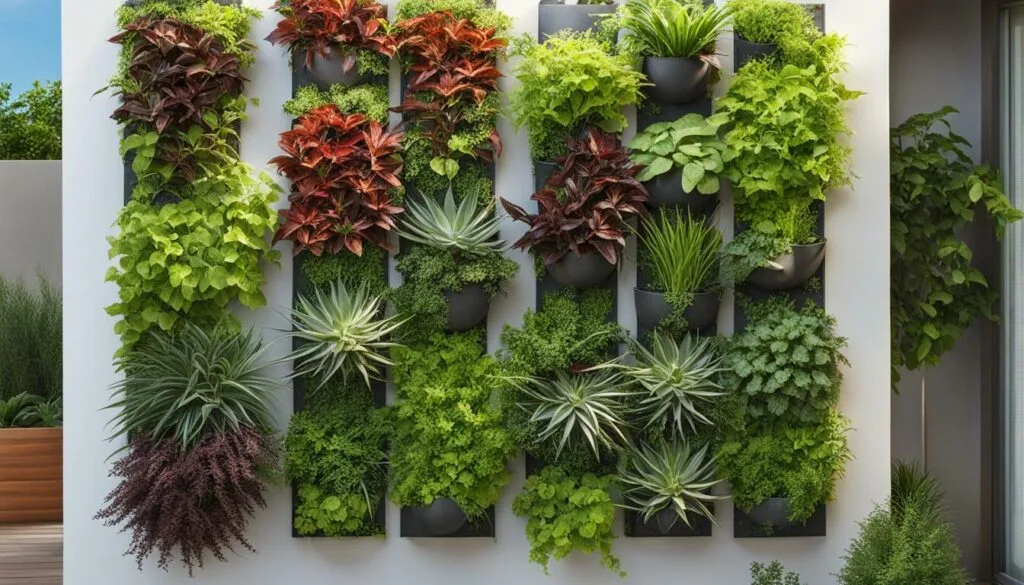
Plan your vertical edible garden through the four seasons with this quick, step-by-step guide. Learn the key seasonal actions to maximize yield and space.
Early in the season we keep watering lighter but more frequent, especially on windy balconies where pots dry fast. If we are using a self watering setup, we shorten the timer runs compared to summer, since plants are smaller and the sun is weaker.
Did You Know?
Vertical farms average about 38.8 kWh of energy per kilogram of produce, compared to roughly 5.4 kWh per kilogram in traditional greenhouses.
Source: Global CEA Census (Agritecture summary)
4. Summer Planning: Heat, Water, And Vertical Shade
Summer is where vertical edibles really earn their keep, because we can pack a lot of foliage into a tiny footprint. The flip side is heat stress, especially on upper tiers and on walls that get strong afternoon sun.
Summer crops that love vertical support
- Determinate or dwarf tomatoes in larger pockets and towers.
- Cucumbers, pole beans, and climbing squash on frames or fences.
- Heat tolerant greens, New Zealand spinach, Malabar spinach, certain lettuces.
- Herbs, basil, oregano, thyme, mint in contained pockets.
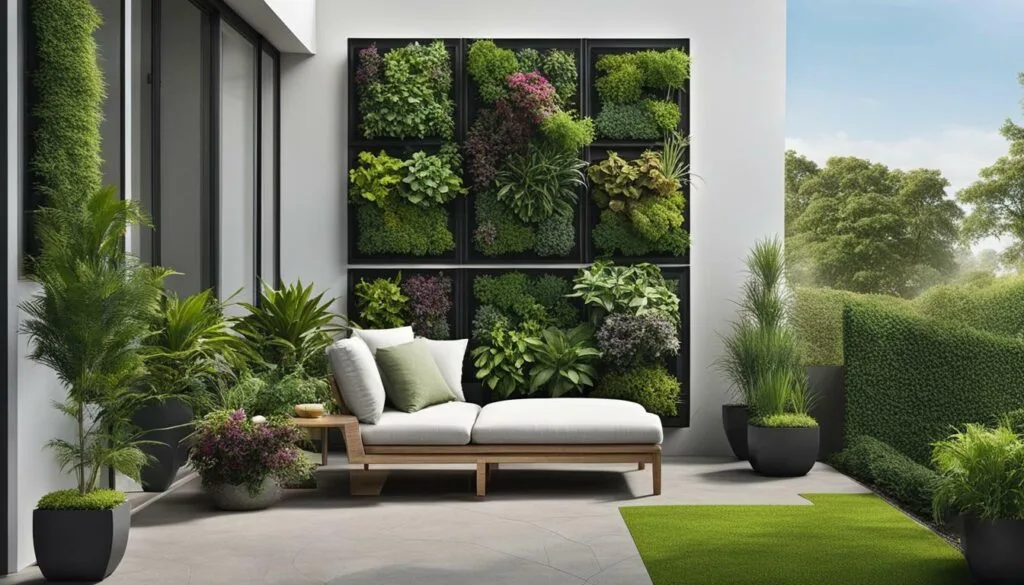
We usually tuck herbs and greens in lower or shaded tiers and run fruiting crops higher up where they get more light. In very hot spots, a dense summer wall of leaves can actually shade a patio or window and keep the area cooler.
Water planning in summer is simple, assume you need more than you think. A self watering system with drip irrigation and a timer takes a lot of guesswork out, you can lengthen watering cycles during heat waves instead of scrambling with watering cans.
5. Fall Planning: Transition From Fruiting To Greens
By late summer we start thinking about fall and winter food, even if tomatoes are still going strong. Vertical systems give us an advantage here, because we can tuck in fall seedlings behind or below summer crops and let them take over as vines decline.
Good fall vertical edibles
- Cut-and-come-again lettuces and salad mixes.
- Kale, chard, mustards, and other brassica greens.
- Compact carrots or beets in deeper pockets where frost is lighter.
- Perennial herbs like thyme and sage that shrug off cooler weather.
As sun angles drop, we often rotate towers or shift planters along a fence to chase the best light. On frames, we move heat lovers to the sunniest rows and give fall greens the positions that get a bit of afternoon shelter.
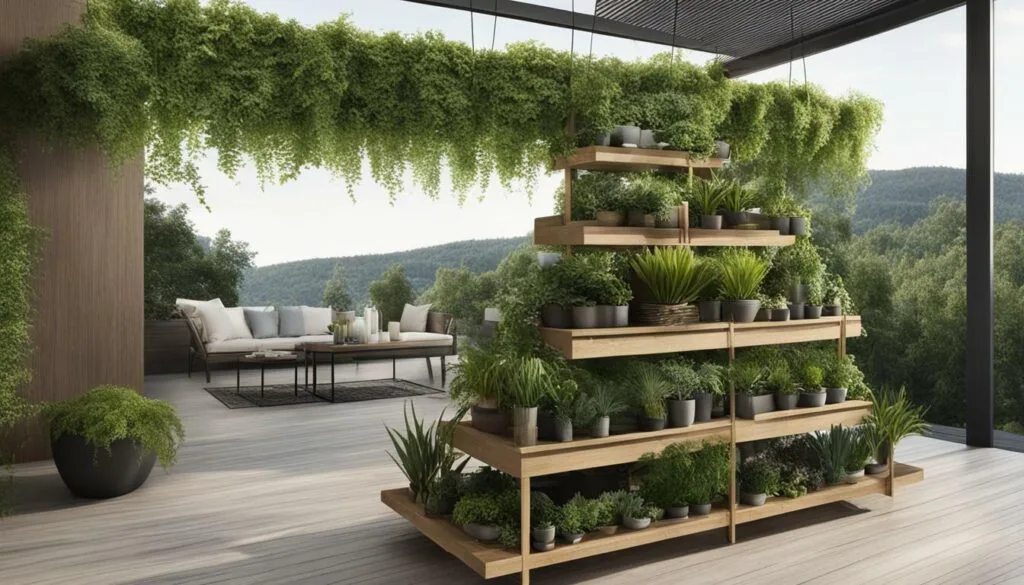
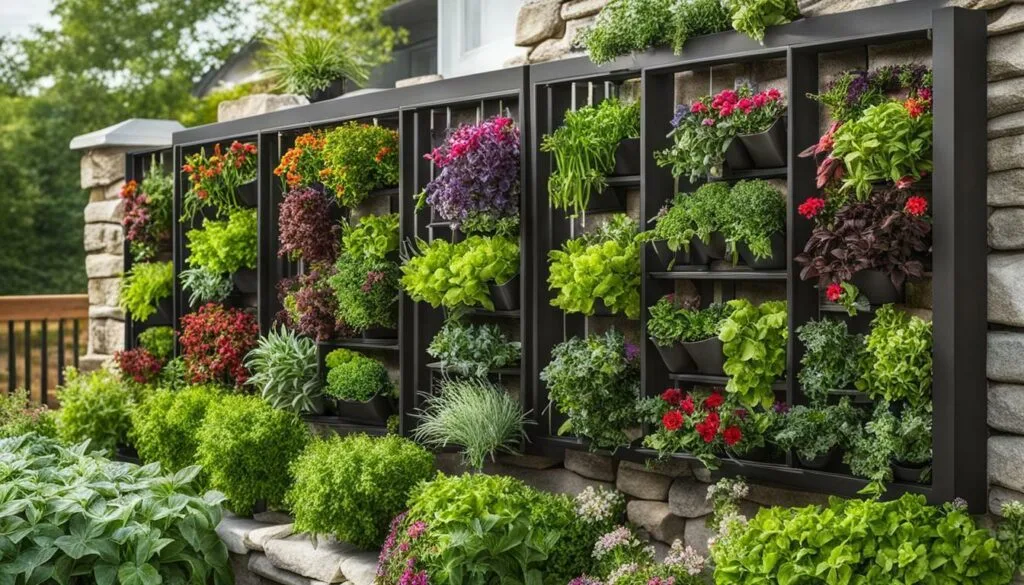
We also pull tired summer plants aggressively instead of nursing them. Space is prime real estate on a vertical system, and fall is when fresh young plants pay off fastest.
6. Winter Planning: Indoor, Hydroponic, Or Slow Mode
Winter is where planning really separates frustration from success with vertical edibles. You either move part of your garden indoors, switch to hydroponic or protected systems, or intentionally let production slow and focus on hardy crops.
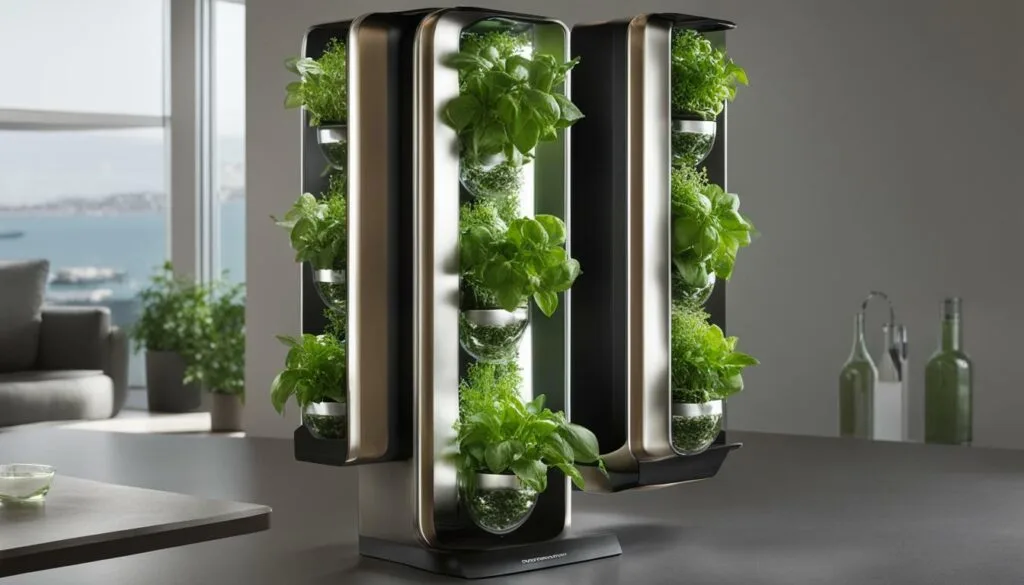
Hydroponic vertical herb gardens for winter
A vertical hydroponic herb garden is ideal if you want fresh herbs and greens when outdoor beds are frozen. These systems use a water based nutrient solution instead of soil, and they thrive under artificial light in a spare room or bright kitchen corner.
Because hydroponics removes soil from the equation, roots stay warmer and more stable in winter, especially if you place the reservoir away from cold drafts. You just plan nutrient changes and pruning as part of your winter gardening rhythm.
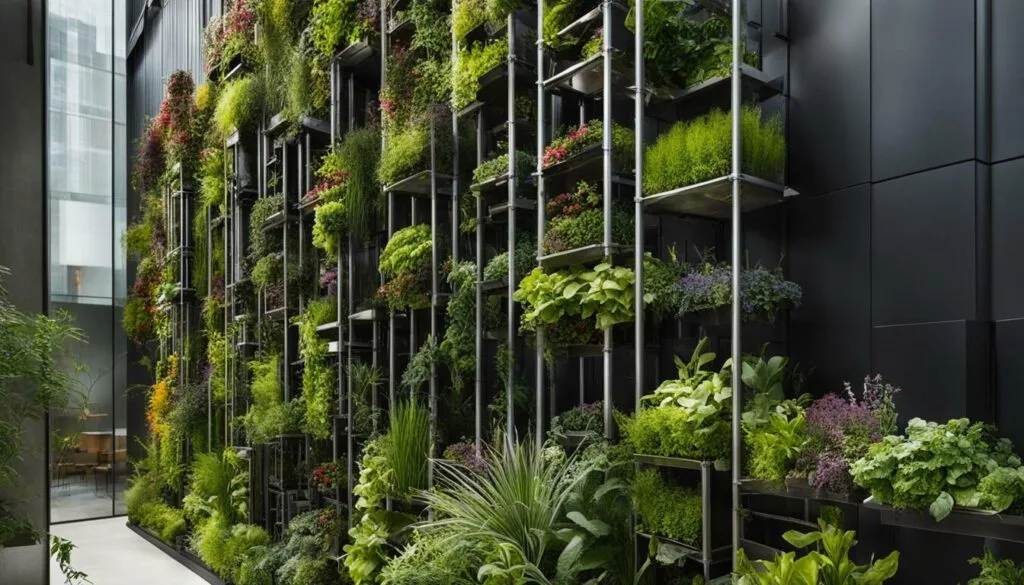
Outdoors, we focus on truly hardy perennials and greens close to the wall where they get a small heat boost. We do not chase summer level production, we treat winter edibles as a bonus and keep systems live for an easier spring restart.
Did You Know?
About 70% of a vertical farm’s total energy use is attributed to the lighting system alone.
Source: Ceccanti et al., Energy modeling study
7. Using Vertical Frames And Fences As Seasonal Tools
Frames, fences, and walls are not just places to hang pots, they are tools we use differently each season. In spring and fall we lean on sun traps, south or west facing structures that collect warmth, for early and late crops.
In summer we sometimes flip the script and use the same frames to create shade for tender greens or a sitting area. A high quality vertical garden frame with multiple tiers lets us move containers up or down as the sun shifts over the year.
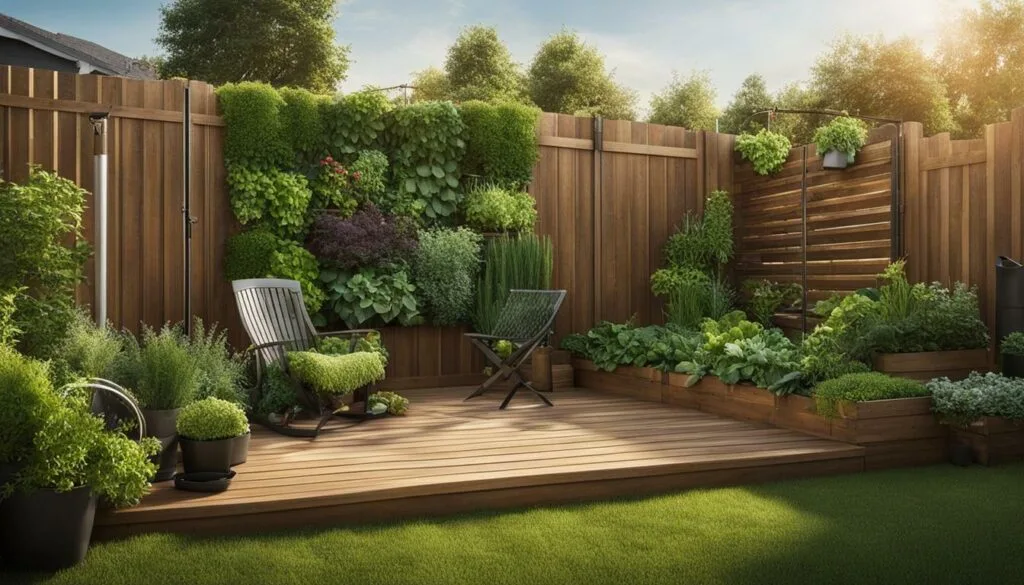
Fence gardens for tight urban spaces
If you are gardening on a balcony or tiny yard, a simple fence vertical garden can host edibles in recycled gutters or planters. You just plan summer crops on the top rail, like beans or cucumbers, and cooler crops lower where neighboring buildings give shade.
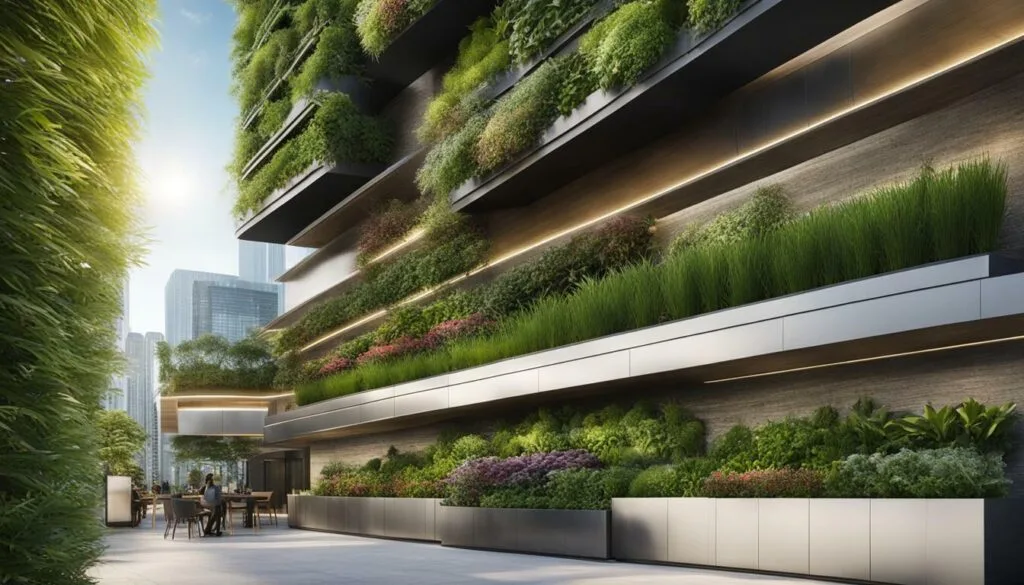
We also think about wind as a seasonal factor, in winter we place planters lower and closer to the structure to reduce exposure, especially on higher floors.
8. Scheduling Plantings For Continuous Vertical Harvests
Vertical systems are perfect for succession planting because each pocket or slot is its own little bed. For seasonal planning, we like to map out 2 or 3 successions per pocket for the growing year.
Example, spring lettuce, summer basil, fall spinach in the same pocket, with 2 to 3 week gaps between plantings for steady picking.
We also stage plantings vertically. Top rows may get an early flush of basil, mid rows stay in greens rotation longer, and bottom rows focus on herbs that handle a bit less light.
| Season | Upper Tiers | Middle Tiers | Lower Tiers |
|---|---|---|---|
| Spring | Early peas, vigorous greens | Lettuces, salad mixes | Herbs, cilantro, chives |
| Summer | Tomatoes, cucumbers, beans | Basil, peppers, chard | Mint (contained), oregano, shade greens |
| Fall | Kale, hardy greens | Lettuces, mustards | Perennial herbs |
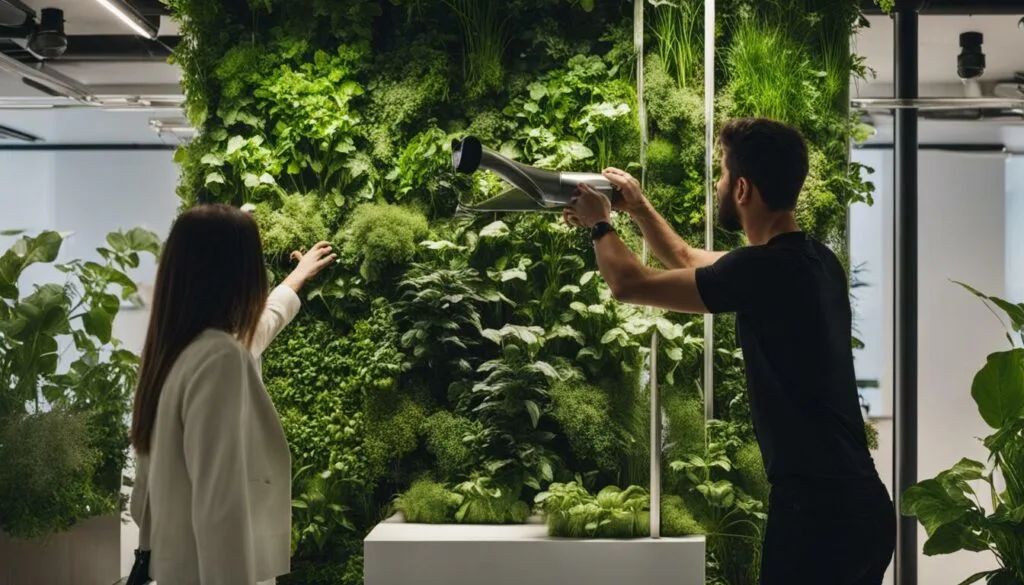
Hydroponic vertical systems let you tighten this schedule even more, since growth is faster and you are not waiting on soil to warm each spring.
9. Water, Nutrition, And Maintenance By Season
Seasonal planning for vertical edibles is not just about what you plant, it is also how you feed and maintain the system across the year. We find it easier to set a simple routine per season instead of tweaking endlessly.
- Spring Light feeding, focus on leafy growth, check all irrigation lines and timers after winter.
- Summer Heavier watering and feeding, extra calcium or potassium for fruiting crops, more frequent pruning.
- Fall Dial down nitrogen, favor balanced or mild feeds, remove plant debris to avoid overwintering pests.
- Winter Minimal feeding for dormant outdoor plants, regular but lighter nutrients for indoor hydroponic systems.
Self watering vertical gardens simplify a lot of this, since the water delivery is consistent and you mainly adjust timer duration and nutrient strength as the seasons change.
We also schedule one deeper seasonal check each quarter. Tighten hardware, refresh any tired media, and look for signs of salts buildup in hydroponic lines.
10. Scaling Up: Seasonal Planning For Larger Or Shared Vertical Systems
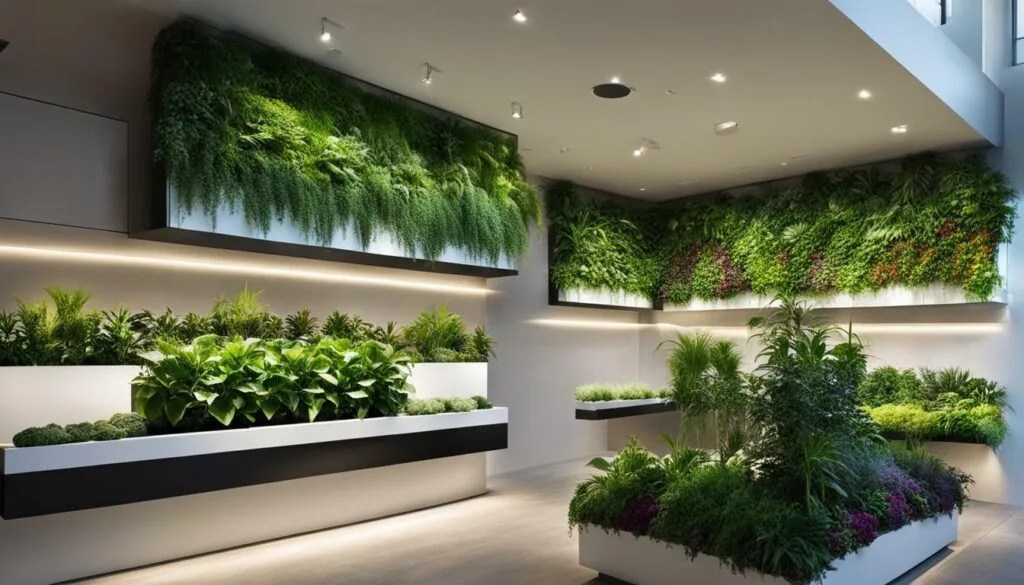
If you are feeding more than one household, or you are managing a shared courtyard or small commercial space, the same seasonal rules apply, you just plan on a bigger grid. A commercial vertical garden system lets you mix crops for different harvest windows across the wall.
We often dedicate whole panels or towers to one crop family per season. That makes rotation simpler and keeps disease pressure down, especially for things like tomatoes and cucumbers.
- Spring, greens and herbs wall, quick turnover, easy to replant.
- Summer, fruiting wall, tomatoes, peppers, cucumbers, with intensive feeding.
- Fall, mixed wall, greens plus roots or late strawberries for shoulder season picking.
- Winter, indoor hydroponic wall or hardy outdoor herbs close to buildings.
On bigger systems it really pays to keep a simple seasonal map, which crops are where each quarter. That way you can repeat what worked and avoid replanting the same heavy feeders in the same pockets year after year.
Conclusion
Seasonal planning for vertical edibles is really about respecting two things, your climate and your structure. Once you match crops, frames or towers, and watering style to the rhythm of your seasons, the whole system becomes easier to run and a lot more productive.
Whether you are working with a small fence garden, a self watering tower, or a full commercial wall, treat each season as its own mini project. Plan it on paper once, adjust after a year of real harvests, and your vertical garden will quietly keep you in fresh food almost every week of the year.