
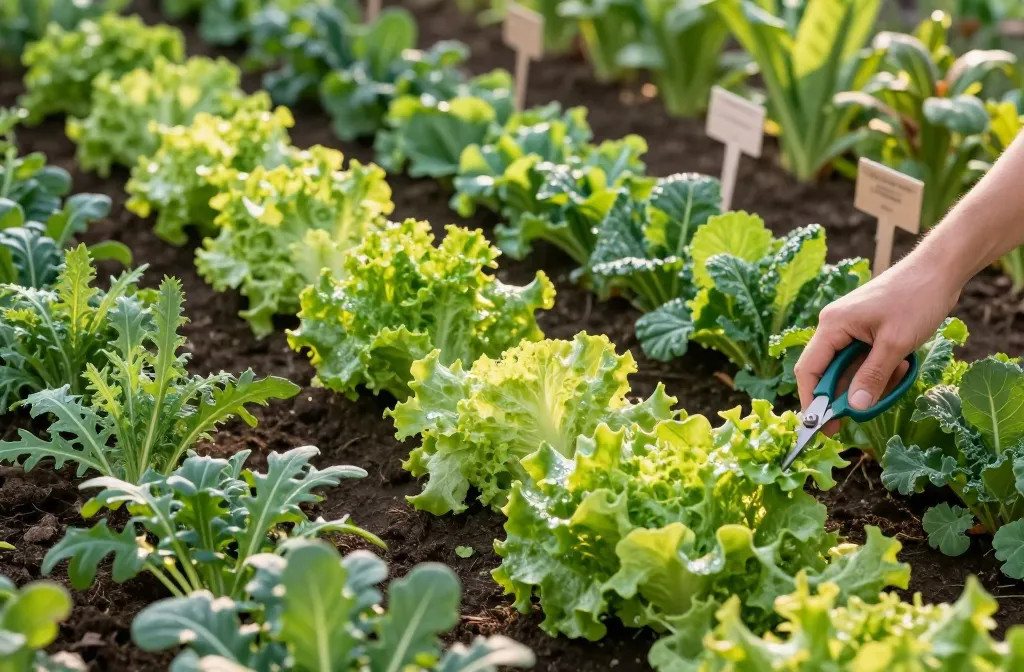
Your garden can pay rent in salads and stir-fries if you keep the sowing rolling. Replanting quick growers every two weeks means zero gaps, fewer regrets, and a constant supply of crisp, tender harvests. We’re skipping divas and spotlighting workhorse crops that sprout fast, grow faster, and taste best young. Ready to stack your beds like a sushi conveyor belt? Let’s go.
1. The Salad Bar: Lettuce, Arugula, and Baby Greens
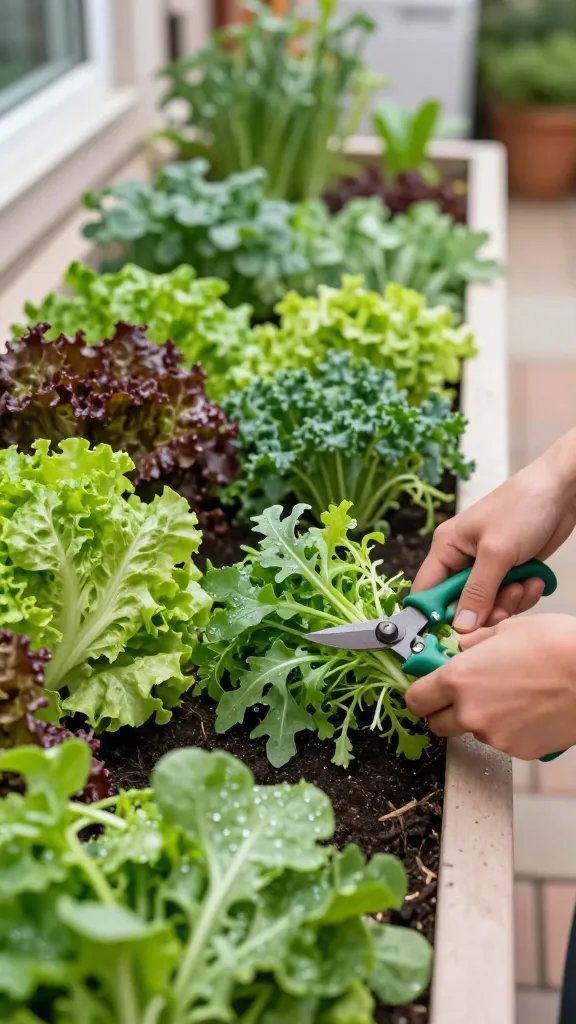
Want instant wins? Sow cut-and-come-again greens every two weeks and you’ll never run out of salads. These leafy legends germinate quickly, tolerate crowding, and give multiple cuts before they fade. Plus, you can grow them in beds, boxes, or neglected window boxes—seriously.
What To Sow
- Leaf Lettuce (looseleaf mixes, red/green blends)
- Arugula (rocket, wild varieties for spicier flavor)
- Baby Greens Mixes (mizuna, tatsoi, kale micros, mustard blends)
Sowing Tips
- Spacing: Broadcast seeds in a 4–6 inch wide band or thin to 4–6 inches for leaf lettuce.
- Shade & Heat: In hot weather, use 30% shade cloth to prevent bitter leaves and bolting.
- Water: Keep the top inch of soil evenly moist for fast germination.
- Cut Timing: Harvest baby leaves at 3–5 inches tall; use scissors and leave crowns to regrow.
Rotate varieties every sowing to beat boredom and pests. You’ll get tender greens in as little as 21 days, IMO the best ROI in the garden.
2. Speedy Crunch: Radishes, Spring Onions, and Baby Beets
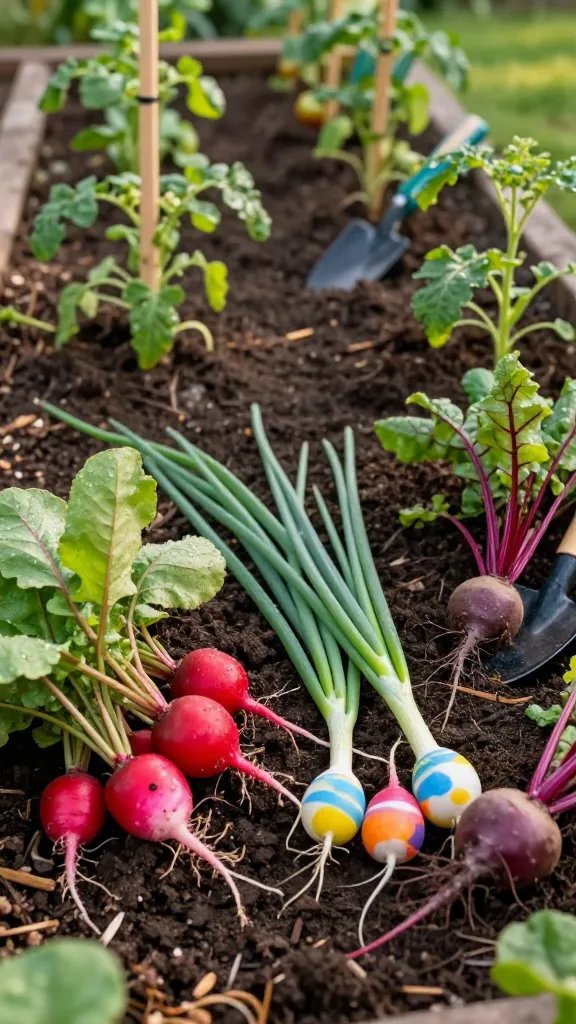
Need a plot that pays fast? Root crops like radishes and slim spring onions mature quickly and don’t hog space. They also fit between slower crops (hi, tomatoes) as a smart intercrop while you wait.
Top Picks
- Radishes: Cherry Belle, French Breakfast, Easter Egg for 21–30 day crunch.
- Spring Onions/Scallions: Evergreen bunching or White Lisbon for snippy salads.
- Baby Beets: Early Wonder or Detroit for greens and small, sweet roots.
How To Stagger
- Radishes: Sow thin rows every 2 weeks; keep soil evenly moist to avoid spongy roots.
- Scallions: Sow thickly and harvest as a bunch; succession every 2–3 weeks keeps supply steady.
- Beets: For baby beets, sow closer (1–2 inches) and harvest at golf-ball size.
These deliver crunch, color, and fast satisfaction. They also train you to harvest on time—wait too long and radishes turn spicy-sponge. You’ve been warned.
3. Stir-Fry Stars: Bok Choy, Tatsoi, and Baby Napa
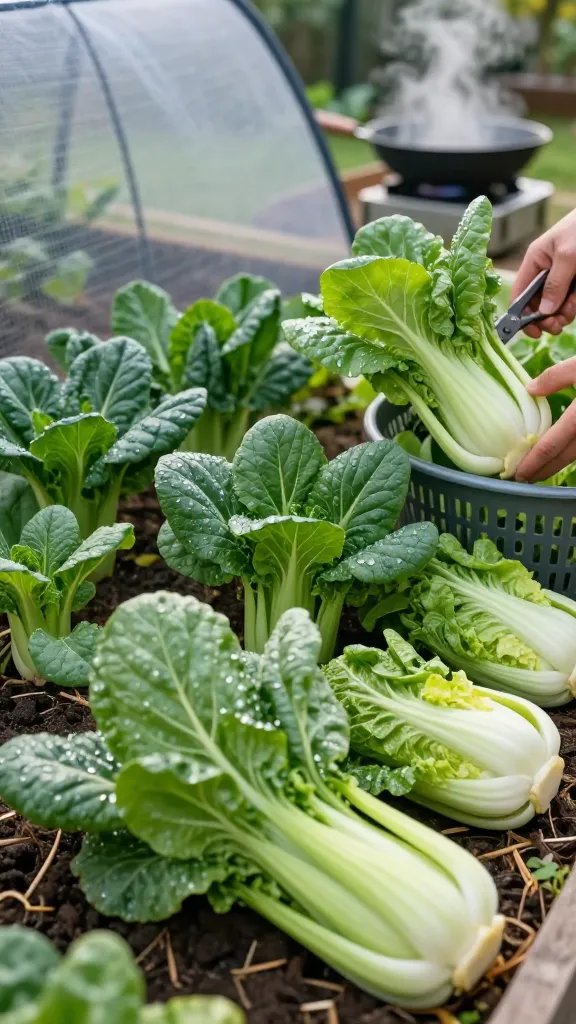
Asian greens are your weeknight dinner heroes. They germinate fast, tolerate cooler temps, and taste best young. Sow small amounts often and you’ll always have a fresh, glossy bundle ready for the skillet.
Varieties That Shine
- Bok Choy/Pak Choi: Toy Choi, Mei Qing Choi for compact, quick heads.
- Tatsoi: Rosette bundles perfect for soups and sautés.
- Baby Napa: Mini types mature quickly and don’t hog space.
Growing Notes
- Spacing: 6–8 inches for baby heads; 10–12 inches for bigger bok choy.
- Bugs: Flea beetles love them—use row cover right after sowing, FYI.
- Heat: Bolt-prone in hot weather; plant in early spring, late summer, and fall.
- Harvest: Cut whole at baby size or pick outer leaves for longer production.
These greens make you look like a meal-prep genius. Quick sauté with garlic, splash of soy, done. You’ll wonder why you ever bought limp store greens.
4. Herb Hustle: Cilantro, Dill, and Basil (Yes, Basil)
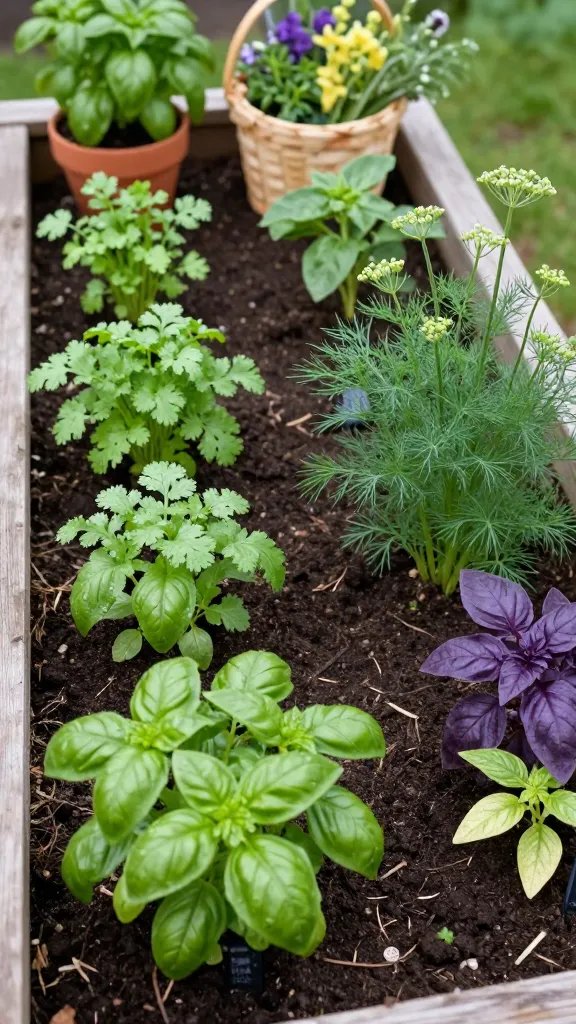
Herbs don’t store well, so grow what you’ll use and keep sowing fresh. Cilantro and dill love cooler weather and bolt fast—solve it by replanting every two weeks. Basil thrives in warmth and gives you pesto-level abundance with frequent sowing and ruthless harvesting.
Best Use Cases
- Cilantro: Salsas, curries, and garnishes; slow-bolt varieties buy you time.
- Dill: Pickles, salmon, and potato salad; you can also harvest dill weed and seed.
- Basil: Genovese for pesto, Thai for stir-fries, lemon basil for drinks and salads.
Sowing & Snipping
- Cilantro & Dill: Direct-sow in cool weather; partial shade helps delay bolting.
- Basil: Start inside or direct-sow once soil is warm; pinch tops early and often.
- Schedule: Sow cilantro and dill every 2 weeks spring through early summer, then again late summer; basil every 2–3 weeks all warm season.
Fresh herbs make every dish taste like you tried way harder than you did. Keep the conveyor belt going and you’ll always have tender, fragrant sprigs on standby.
5. Quick Protein & Snacks: Bush Beans, Peas, and Mini Cucumbers
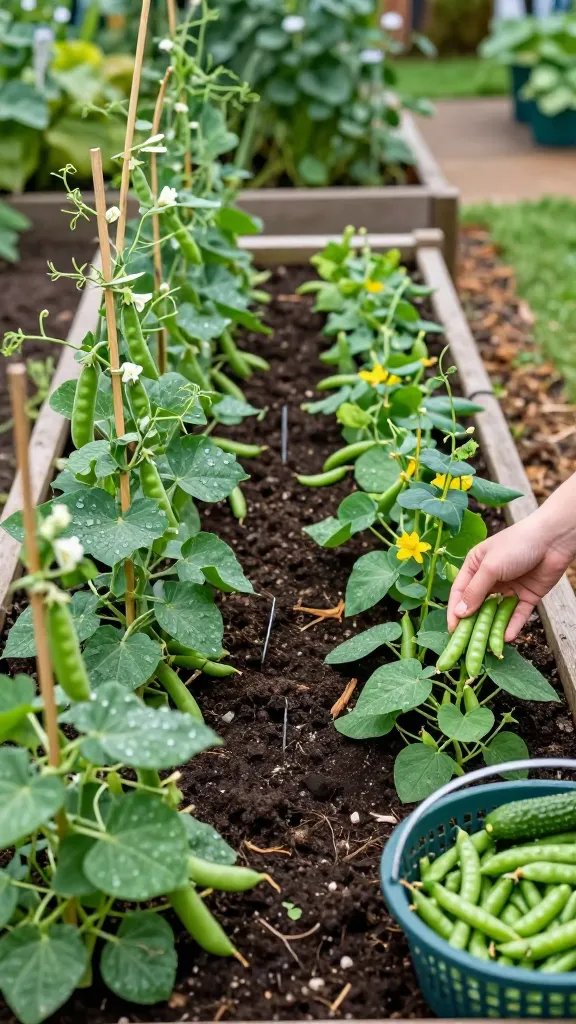
Okay, not all “fast” crops are 20-day wonders, but these repay the two-week rhythm with steady pods and snacks. Staggered sowings guarantee continuous picking rather than one sad glut. You’ll snack in the garden and still have extras for the kitchen—win-win.
What To Stagger
- Bush Beans: Provider, Jade, or Contender; 50–60 days, then heavy yields.
- Snap Peas/Snow Peas: Sugar Ann, Oregon Sugar Pod; cooler weather champs.
- Mini Cucumbers: Patio Snacker, Mini Munch; compact vines with early fruiting.
Planting Game Plan
- Bush Beans: Sow a short row every 2 weeks until midsummer; pick often to keep them producing.
- Peas: Succession-sow in early spring and again late summer; trellis lightly to speed drying and reduce mildew.
- Mini Cucumbers: Start one batch from seed, another from transplants two weeks later for earlier and later waves.
Pro Moves
- Soil Warmth: Beans and cukes like warm soil—don’t rush the first sowing.
- Mulch: Use straw or shredded leaves to lock in moisture and fend off splash-borne disease.
- Feeding: Side-dress beans and cukes with compost once they begin flowering.
These crops turn a quiet bed into a snack station. Staggered sowings mean you never drown in pods, and you get perfect, tender harvests more often. Trust me, it beats one giant picking and a week of bean guilt.
That’s your rapid-fire roadmap to a garden that never hits pause. Sow small, sow often, and enjoy fresher harvests with less waste. Go plant that next round—your future self (and your dinner plans) will be very, very grateful.