
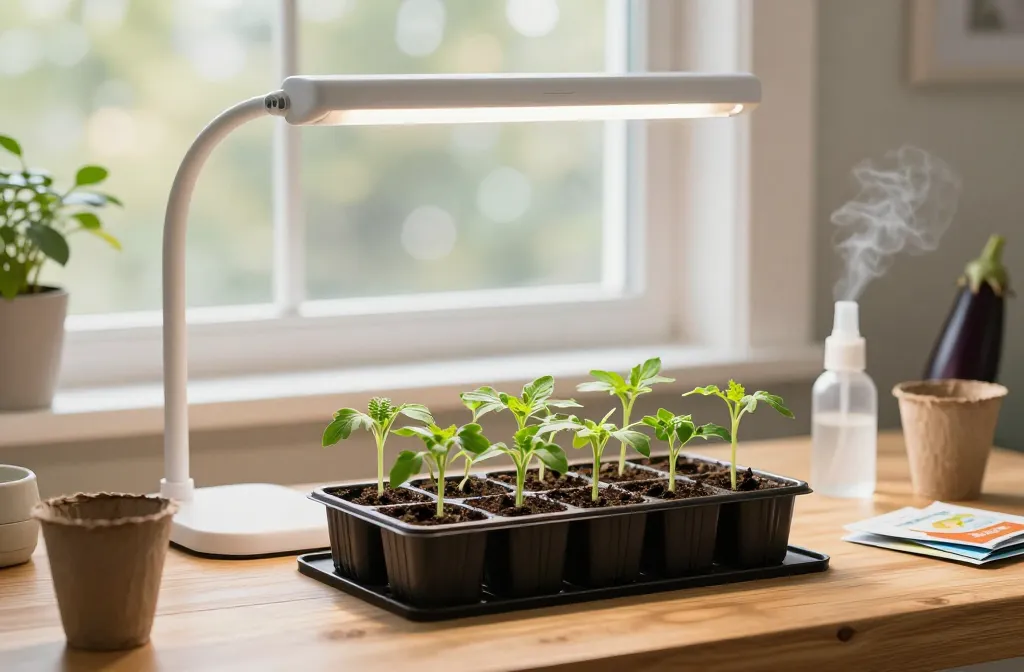
Ready to skip the seedling lottery and grow your own summer produce? Start these veggies indoors in March and you’ll beat the garden-center rush and the first heat wave. You’ll get stronger plants, earlier harvests, and way more variety. Let’s set you up with a fuss-free plan that actually works, even if your “grow light” is just a sunny window and vibes.
1. Tomatoes, Peppers, and Eggplant: The Heat-Lovers Dream Team
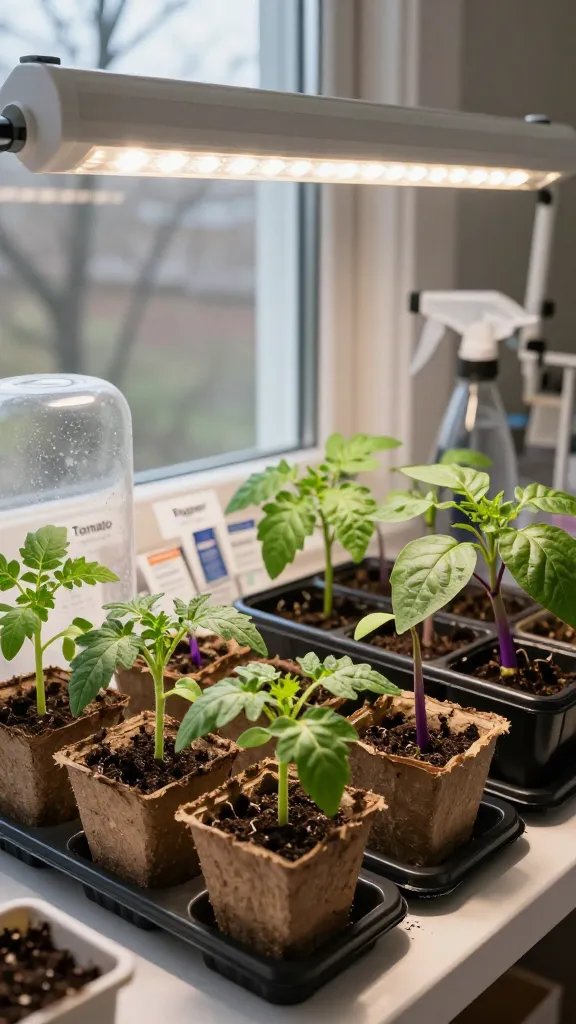
These three run the summer show, but they take their sweet time. Start them indoors now so they hit the garden with muscle once nights warm up. You’ll avoid the sad, stunted starts that show up at stores in May and get fruit weeks earlier.
Why They Shine
- Tomatoes: From slicers to cherries, you get endless flavors you’ll never find in a clamshell.
- Peppers: Sweet bells and spicy chilies need a long runway. March gives it to them.
- Eggplant: Loves heat and hates cold feet. Early indoor starts mean glossy fruits by midsummer.
Pro Tips
- Warmth matters: Use a heat mat if you can. Peppers and eggplant germinate best around 80–85°F.
- Light like you mean it: 14–16 hours under LEDs prevents leggy stems. Window light rarely cuts it.
- Pot up once: Move seedlings to 3–4 inch pots when they show their second set of leaves. Bury tomato stems deeper to encourage roots.
- Slow your roll: Fertilize lightly after the first pot-up. Overfeeding early = floppy plants.
Plant these when nights stay above 50°F (tomatoes/peppers) and closer to 60°F for eggplant. Result? Early BLTs, salsa, and grilled eggplant that tastes like summer bragging rights.
2. Cucumbers, Squash, and Melons: The Vines You Don’t Want Getting Cranky
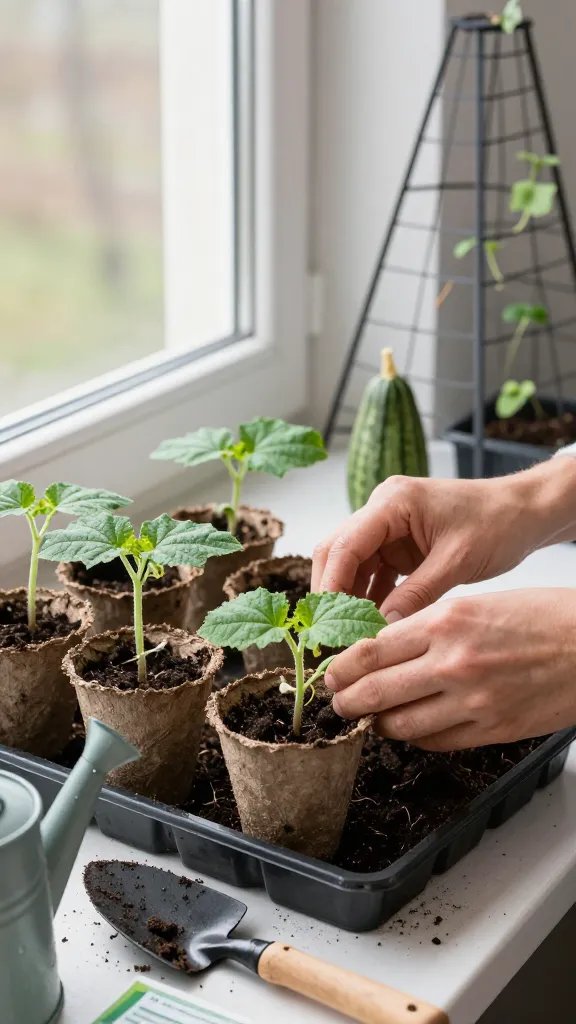
Vining crops grow fast and sulk if you handle their roots too much. Start them indoors later in March so they spend just 2–3 weeks inside. That short head start means earlier fruit without root drama.
Why They Shine
- Cucumbers: Crunchy, prolific, and perfect for pickles or snacking straight from the vine.
- Summer squash/zucchini: Basically garden overachievers. One plant can feed a neighborhood.
- Melons: Sweet, fragrant, and actually possible even in small spaces with trellising.
Tips That Save You Tears
- Use biodegradable pots: Plantable fiber pots or soil blocks keep roots undisturbed.
- Start late: Aim for 2–3 weeks before last frost. They outgrow trays fast, FYI.
- Bottom heat helps: Germination jumps with warm soil (75–85°F).
- Harden off well: These divas hate wind shock. Gradually introduce them to outdoor sun for 5–7 days.
Transplant after frost into warm, well-drained beds or big containers with a sturdy trellis. You’ll get earlier harvests and fewer sulks, IMO.
3. Brassica Bangers: Broccoli, Cauliflower, Kale, and Cabbage
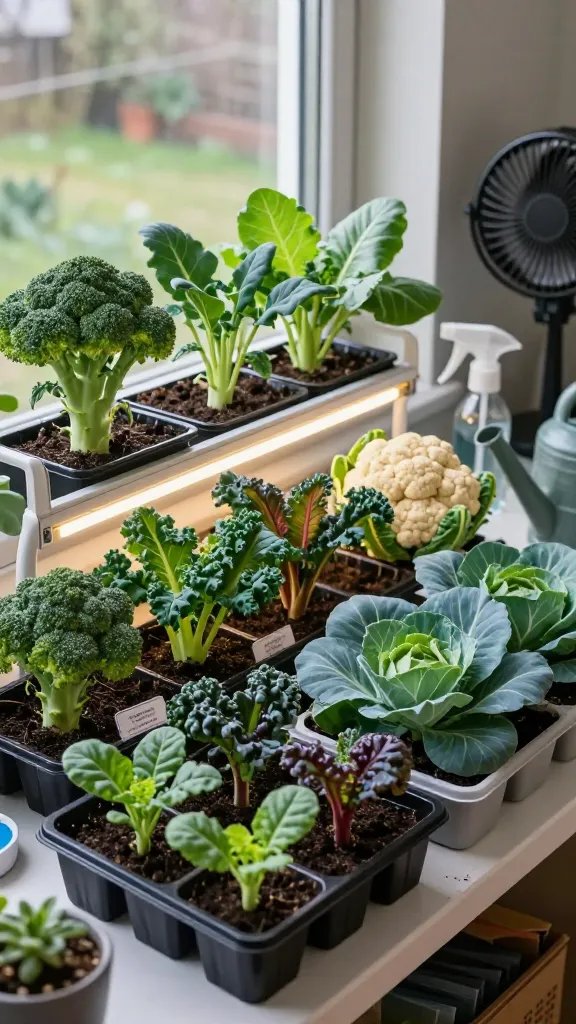
Cool-season champs love a March start. They leap ahead indoors, then settle outside before the real heat hits. Start them now and you’ll harvest in late spring to early summer, then replant for a fall encore.
What to Grow
- Broccoli: Choose side-shoot types for longer harvests.
- Cauliflower: Needs steady moisture; varieties with self-blanching leaves are clutch.
- Kale: Curly, Tuscan, red—kale stays productive and looks gorgeous.
- Cabbage: Green, red, or savoy—perfect for slaws and ferments.
Starter Strategy
- Cool and bright: Germinate around 70°F, then grow on at 55–65°F to keep them stocky.
- Don’t crowd: Space seedlings so air flows. Brassicas invite mildew if cramped.
- Timing: Start in early–mid March. Transplant 2–4 weeks before last frost once they’re hardened off.
- Protection: Use row cover against flea beetles and cabbage worms from day one outdoors.
Use these to fill beds early, then swap to heat-lovers later. Bonus: kale won’t quit on you, even in summer shade.
4. Herbs With Benefits: Basil, Cilantro, Parsley, and Dill
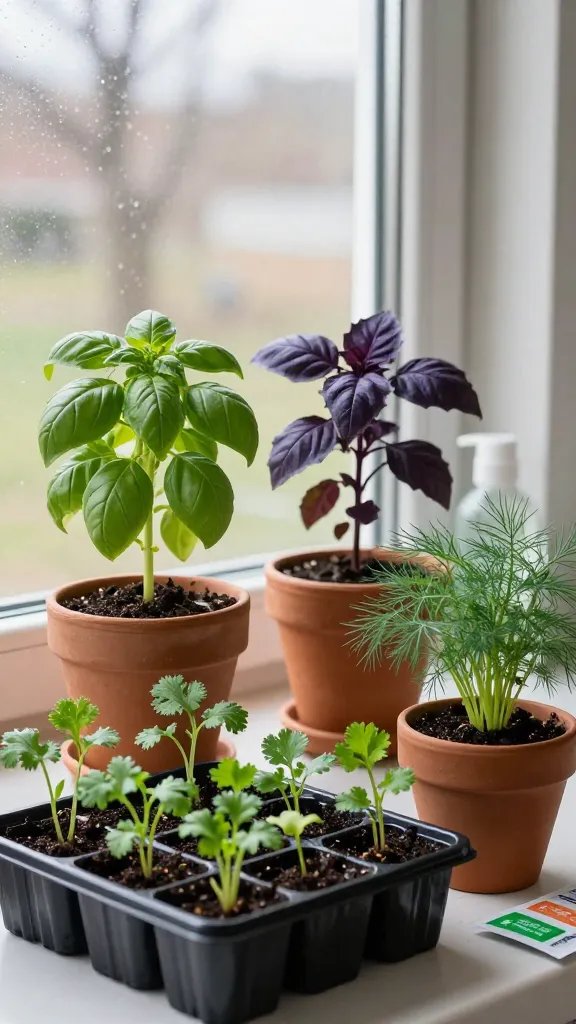
Technically not veggies, but your summer dishes need these like popcorn needs butter. Start them indoors in March for cut-and-come-again harvests. You’ll save a fortune and cook like you own a tiny restaurant garden.
Herb Highlights
- Basil: Sweet, Thai, purple—start several, pinch early, and enjoy bushy plants.
- Cilantro: Bolt-prone, so start small batches every 2–3 weeks. Cooler spots extend life.
- Parsley: Slow to germinate (seriously), but rock-solid once it gets going.
- Dill: Airy fronds for salads; later, seed heads for pickling cucumbers.
How to Nail It
- Light matters: 12–14 hours under LEDs keeps stems sturdy and flavors strong.
- Moisture, not swamps: Keep soil evenly damp. Soggy roots = sad herbs.
- Pinch early: Especially basil. Remove the top set once plants are 4–6 inches to double your leaves.
- Succession sow: Cilantro and dill love frequent re-seeding for a steady supply.
Grow these in windowsill pots or tuck them around your veggies to pull in pollinators. Pesto and pico on repeat all summer? Yes please.
5. Beans, Okra, and Corn: The Warm-Soil Speedsters (With Caveats)
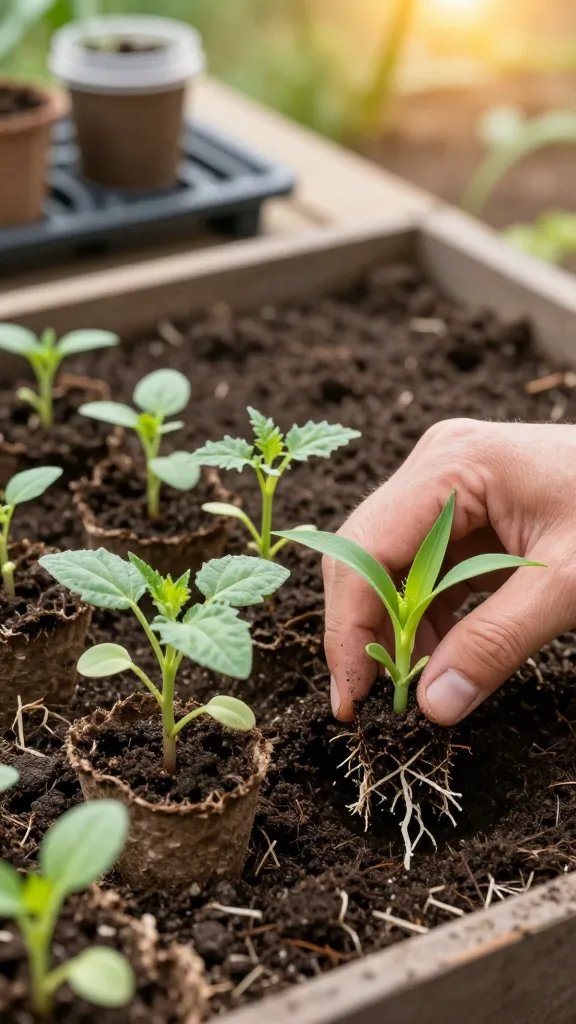
These guys sprint once soil warms, but indoor starts can shave a week or two off your first harvest. Treat them gently and plant out fast. Mess with their roots and they’ll throw shade.
What Works Indoors (Briefly)
- Bush or pole beans: Start 2–3 weeks before last frost in deep cells or fiber pots.
- Okra: Loves heat. Pre-soak seeds overnight and use a heat mat for quick sprouting.
- Corn: Possible in cells, but plant out very young and always in blocks for pollination.
Success Formula
- Go deep: Use tall cells or 3–4 inch pots so roots dive down.
- Fast turnaround: Transplant the moment roots fill the pot, before they circle.
- Warm garden bed: Plant when soil hits 60–65°F for beans and corn, 70°F+ for okra.
- Shelter from wind: Harden off carefully. A rough gust can snap tender stems.
Start these indoors only if your season runs short or you want that earliest flush. Otherwise, direct sowing works great once the ground finally stops pretending it’s January.
Quick Reference: The 12 Veggies To Start Indoors In March
- Tomatoes
- Peppers
- Eggplant
- Cucumbers
- Summer Squash/Zucchini
- Melons
- Broccoli
- Cauliflower
- Kale
- Cabbage
- Basil
- Cilantro/Parsley/Dill (pick two to hit twelve, or go wild—no garden police)
Starter Kit Essentials
- Seed-starting mix (not garden soil)
- Clean trays or soil blocks with drainage
- Grow light set 2–4 inches above seedlings
- Heat mat for peppers, eggplant, cucurbits, and okra
- Gentle fan for airflow and stronger stems
- Label everything or play “mystery plant” all summer
You’ve got this. Start a few trays now, and future-you will be swimming in tomatoes, crunching cukes, and tossing basil into literally everything. March moves fast—plant today, brag all summer.