
Green walls can reduce surface temperatures by up to 15°C and cut cooling loads by about 64.38%, which is huge if your apartment bakes in the sun all summer. An outdoor vertical garden for apartments lets you cool your space, grow food, and add privacy even when all you have is a tiny balcony or a bare wall.
Key Takeaways
| Question | Short Answer |
|---|---|
| 1. What is the best outdoor vertical garden option for small balconies? | For most renters, a modular frame like the ones in our guide on high-quality vertical garden frames is the easiest way to start. is the easiest way to start. |
| 2. Can I grow food in a vertical garden on my apartment balcony? | Yes, and very efficiently. Our list of 25 best plants for vertical edible gardens is a great place to choose crops. |
| 3. How do I design a balcony outdoor vertical garden that actually fits? | We recommend starting with simple hanging pots and slim planters like we show in our balcony outdoor vertical garden guide. |
| 4. Is a self watering vertical garden worth it for an apartment? | If you travel or forget to water, a kit like the one in our self watering vertical garden system saves a lot of stress. |
| 5. I only have a narrow wall. Can I still build a garden? | Yes, vertical wall setups work brilliantly in tight spots, as we explain in our outdoor vertical garden wall guide. |
| 6. Are vertical gardens practical for serious vegetable harvests? | Urban systems can be surprisingly productive, and our urban tomato vertical garden ideas show how to get big yields from a small wall. |
1. Why Outdoor Vertical Gardens Work So Well For Apartments
Most apartment balconies are long, narrow, and frustrating to furnish, but they almost always have unused wall or railing space. A vertical garden lets you turn those forgotten surfaces into a productive and good looking outdoor corner without clogging up the floor.
Studies show that 92% of urban residents have at least 7 to 12 m² of free area suitable for a vertical garden, which is more than enough for herbs, salad greens, and a few flowering plants. By stacking plants upward instead of spreading them out, you still have room for a chair, a small table, and maybe even a grill if your building allows it.
The EdenVert Vertical Garden Frame Concept
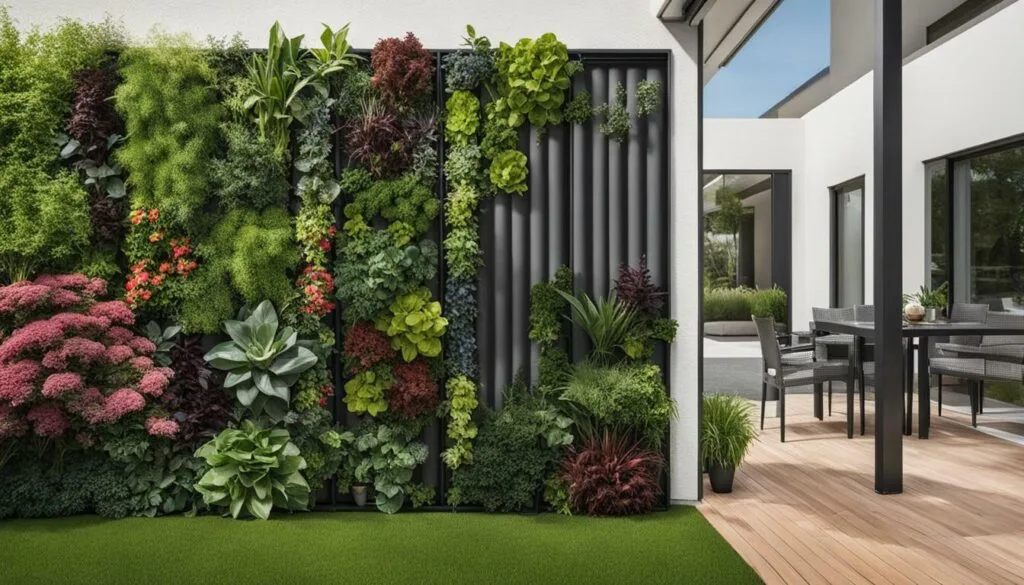
We like to think of vertical frames as the “backbone” of a balcony garden. A strong frame keeps pots, pockets, and planters organized and easy to manage.
Systems like the EdenVert style frame focus on UV stability and long life, which matters outdoors where sun and rain are constant. A simple snap-to-lock style frame lets you click panels or faux foliage into place and build a green wall that fits your balcony layout.
Benefits Specific To Apartment Balconies
An outdoor vertical garden for apartments does more than just look pretty. It can double as a privacy screen, a sound buffer, and a way to cool hot walls that face strong sun.
Green walls on external surfaces can drop the wall temperature by over 11°C in some tests, which means your balcony is more comfortable to sit on and your living room can stay cooler. That matters a lot in upper floor units where heat tends to build up.

2. Choosing The Right Vertical Garden Frame For A Balcony
The frame is usually the first decision for an outdoor vertical garden for apartments, because it sets the limits for weight, size, and plant layout. In a rental, we usually recommend a freestanding frame or something that hooks over balcony railings instead of drilling deep into structural walls.
When you look at frames similar to the EdenVert vertical garden frame, focus on three things: weather resistance, easy installation, and modularity. UV stabilized panels keep their color longer, snap-to-lock connectors make setup quick, and modular units let you expand later without replacing the whole thing.
Key Features To Look For
- Lightweight but sturdy: Keep within balcony weight limits while still supporting wet soil and plants.
- Simple mounting: Clips, brackets, or rails that work with existing balcony structures.
- Drainage control: So water does not run directly onto your downstairs neighbor.
- Flexible layout: Panels or rails you can rearrange as you experiment.
We always advise checking your building rules before installing anything heavy or permanent. Many landlords are fine with freestanding systems that do not require drilling or that only use small masonry anchors.
Frame Options Compared
| Frame Style | Best For | Pros | Considerations |
|---|---|---|---|
| Wall mounted panel | Solid balcony walls | Slim profile, neat look | Need landlord approval to drill |
| Freestanding frame | Renters, flexible layouts | No drilling, easy to move | Takes a bit of floor space |
| Rail-hanging system | Balconies with sturdy railings | Uses vertical drop outside the rail | Weight limits of railings apply |
3. Balcony Outdoor Vertical Garden Ideas That Actually Fit
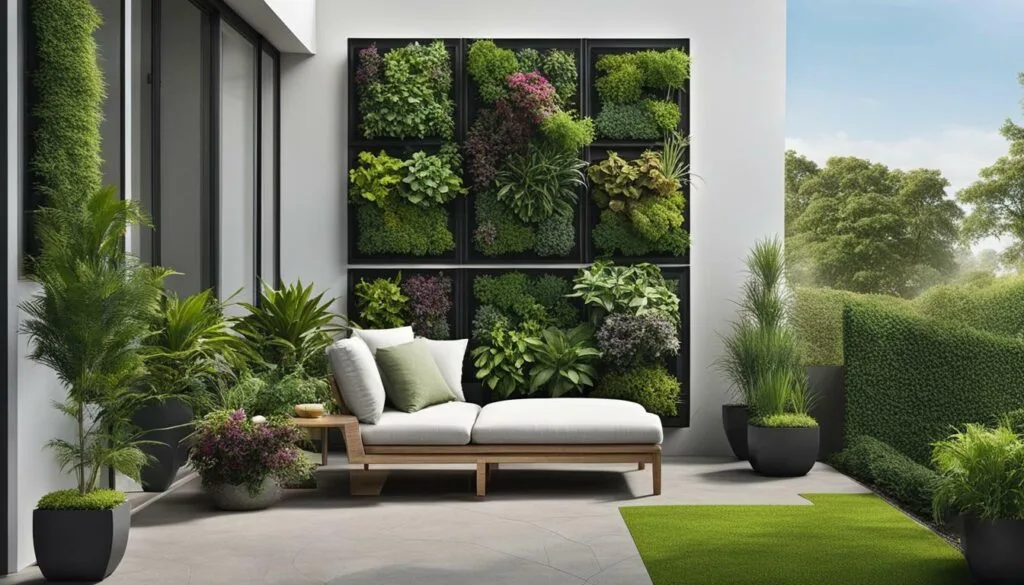
When people ask us about an outdoor vertical garden for apartments, they usually mean “How do I turn my boring balcony into something green without losing space for sitting?”. The answer is to work with the height of your railings and walls, not the center of the floor.
In our balcony outdoor vertical garden guide, we focus on three simple structures that work almost everywhere: hanging pots, vertical planters, and pallet-style planters. Each one can be scaled up or down to match a tiny Juliet balcony or a roomy corner terrace.
Hanging Pots Along The Balcony Rail
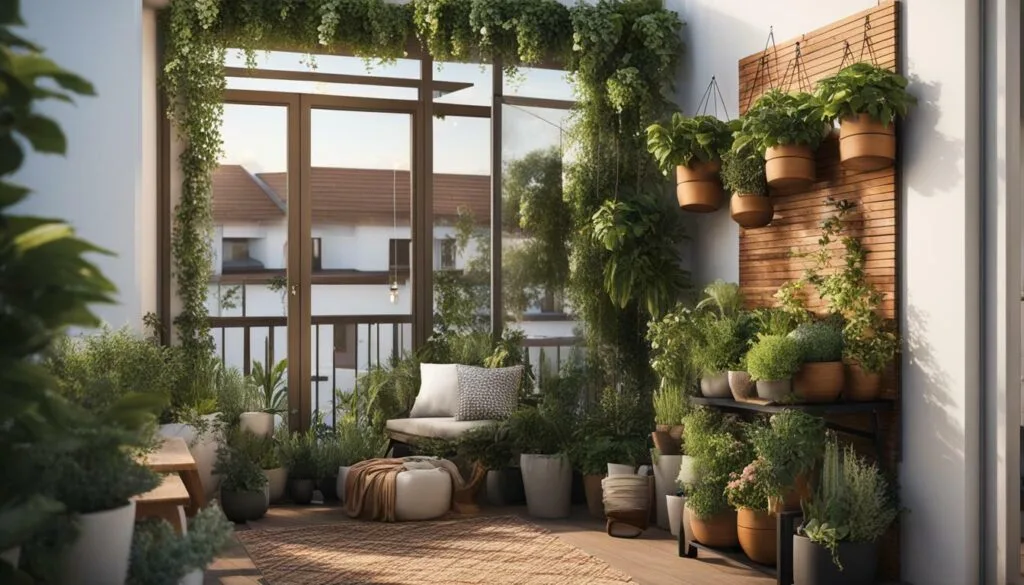
Hanging pots are probably the fastest way to get an outdoor vertical garden on a balcony, especially if drilling is not allowed. You can clip them over the top of the rail, hang them from hooks, or attach them to a light grid panel.
We like narrow, long trough-style pots for herbs and flowers, then deeper, individual pots for tomatoes or small peppers. Keep heavier pots closer to supporting posts on the railing so you do not overload thin sections.
Slender Vertical Planters For Tiny Balconies
Vertical tower or pocket planters tuck against a side wall, so even very small balconies can host a surprising number of plants. You can mount pockets on a frame or use a tiered shelf that climbs upward instead of outward.
These are perfect for lettuces, strawberries, and trailing herbs, since you do not need deep soil for those crops. Just remember that sun exposure changes with height, so keep shade tolerant plants on the lower levels.
Explore how outdoor vertical gardens can transform apartment balconies. This infographic highlights five key benefits for urban living.
Did You Know?
78% of urban residents are likely to adopt vertical gardening, which means most of your neighbors would probably love a balcony green wall too.
Source: Sustainable Futures (2025)
4. Self Watering Vertical Garden Systems For Busy Renters
The biggest reason apartment gardens fail is not lack of space, it is inconsistent watering. If you work long hours or travel, a self watering outdoor vertical garden for apartments takes care of most of the daily chores for you.
Self watering vertical garden kits usually combine a wire panel, planting socks or pockets, trays to catch drips, and built in irrigation lines. You connect them to a small pump or a water source, then they deliver water slowly and evenly across all levels.
What Comes In A Typical Self Watering Kit
- Wire support panel to hang or mount.
- Mesh “socks” or pockets that hold soil and plants.
- Trays or channels to guide excess water.
- Irrigation tubing with drippers or emitters.
- Mounting brackets suitable for walls or frames.
These systems are great for apartment balconies because they keep water contained and predictable. You avoid random overflow onto the downstairs balcony and reduce the risk of soil drying out too fast in hot or windy conditions.
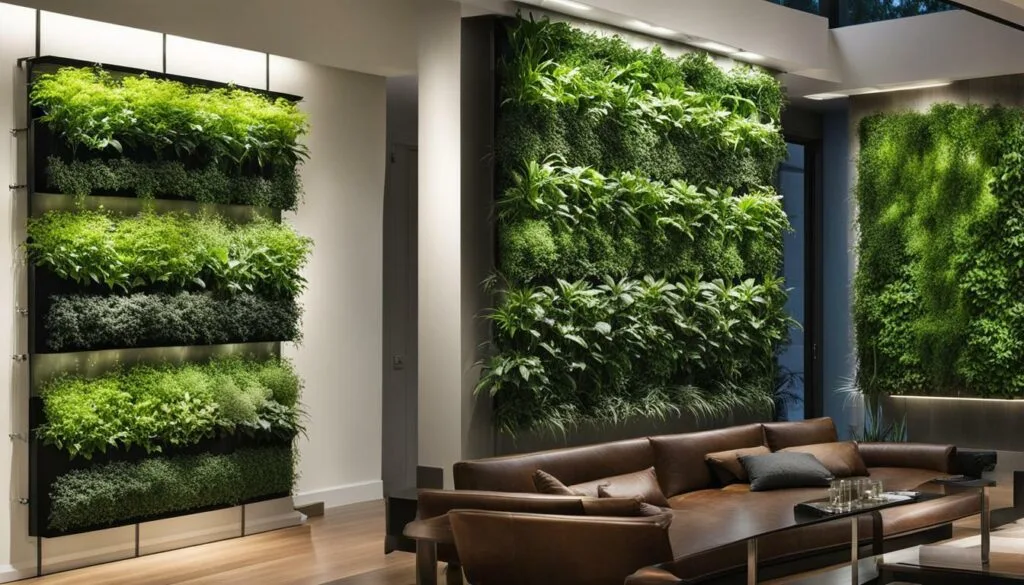
Is Self Watering Worth The Cost?
While we do not list prices for specific systems here, self watering kits usually cost more upfront than basic pots and rail planters. However, they pay off if you value reliability and want a lush wall without daily watering sessions.
For balconies in hot climates or for south and west facing walls that get intense afternoon sun, self watering is almost a necessity. Plants in shallow pockets dry out quickly, so a built in irrigation system keeps them alive with less effort from you.
5. Growing Food On Your Balcony: Vertical Edible Garden Essentials
An outdoor vertical garden for apartments is not just decorative. A 1.5 m² vertical garden can produce enough lettuce for typical household use, which means your balcony wall can replace a lot of grocery runs.
Edible vertical gardens focus on compact, fast growing, and high yielding plants. Think herbs, leafy greens, strawberries, dwarf tomatoes, and small peppers rather than full size corn or pumpkins.
Best Crops For Apartment Vertical Gardens
- Herbs: Basil, mint, thyme, oregano, parsley, chives.
- Leafy greens: Lettuce, spinach, kale, Asian greens.
- Fruit crops: Strawberries and dwarf cherry tomatoes.
- Vining veggies: Peas and pole beans on trellises or strings.
In our edible vertical garden guide, we show how some modern vertical systems can yield hundreds of times more food per square foot than traditional beds. For a balcony, that means even a simple pocket wall can supply salads and herbs nearly year round in mild climates.
How To Arrange Edibles Vertically
We usually suggest keeping the tallest or vining crops along one side of a balcony, then layering lower crops in front or below. Tomatoes and beans can climb trellises at the back, then leafy greens and herbs sit on shelves or hang in front.
This layout avoids blocking light from reaching smaller plants and makes harvesting easier. You can reach herbs at waist level, leaf pick lettuce in the middle, and handle tomatoes at eye level instead of bending over low pots.
6. Vertical Raised Garden Beds For Patios And Ground Floor Apartments
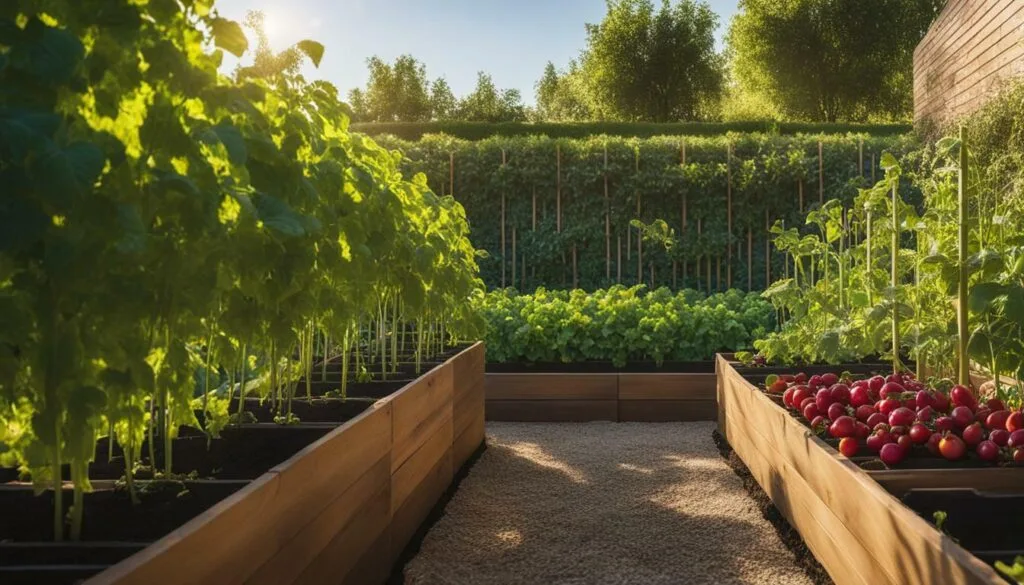
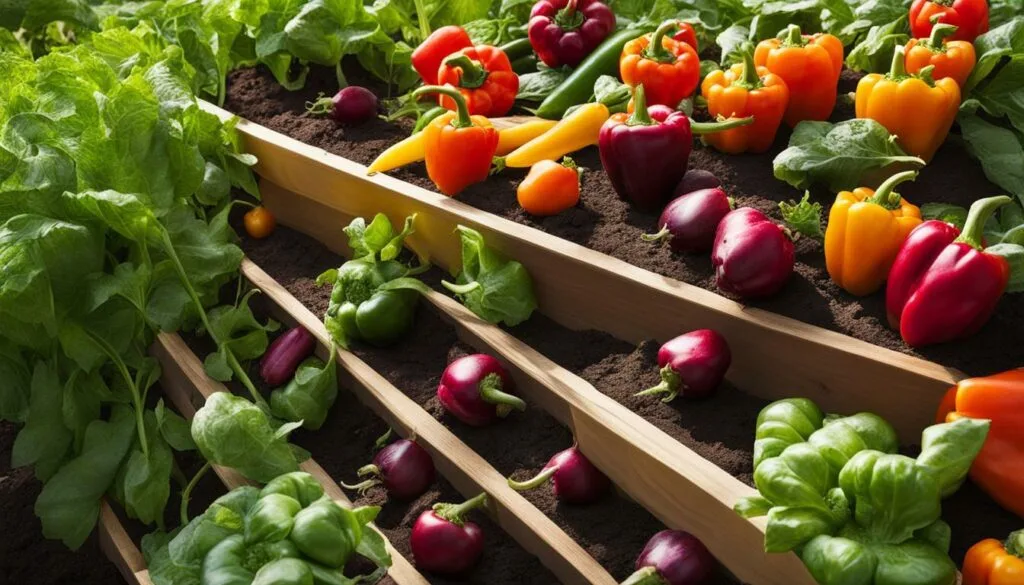
If you are on a ground floor or have a small patio instead of a balcony, vertical raised garden beds are a nice compromise between containers and full vertical walls. They stack planters in a staggered fashion so each level gets light.
These systems keep soil depth generous, which is better for root crops and larger plants, while still using minimal floor space. You get the feel of a raised bed garden in a footprint that fits next to a fence or against a wall.
Advantages Of Vertical Raised Beds
- More soil volume than pockets, so plants stay moist longer.
- Comfortable working height, good if you do not like bending.
- Flexible layouts, since units can be freestanding or on wheels.
- Great for families that want kids to help with gardening.
For an outdoor vertical garden for apartments on the ground floor, we often pair a vertical raised bed with a trellis or vertical frame behind it. That way climbing crops go up the frame and smaller herbs fill the tiered bed in front.
What To Grow In Vertical Raised Beds
With more soil depth, you can try root vegetables along with standard balcony crops. Radishes, baby carrots, and beets do well in the deeper tiers, while the upper levels can host herbs and flowers.
We usually recommend putting thirstier crops on the lower tiers, where water naturally collects more. Mediterranean herbs like rosemary or thyme prefer the upper, slightly drier tiers so they do not stay waterlogged.
Did You Know?
Green walls can reduce surface temperatures by up to 15°C and cut cooling loads by about 64.38% on building envelopes, which makes them a powerful tool for hot apartments.
Source: Energy and Buildings (2025)
7. Designing An Outdoor Vertical Garden Wall For Apartments
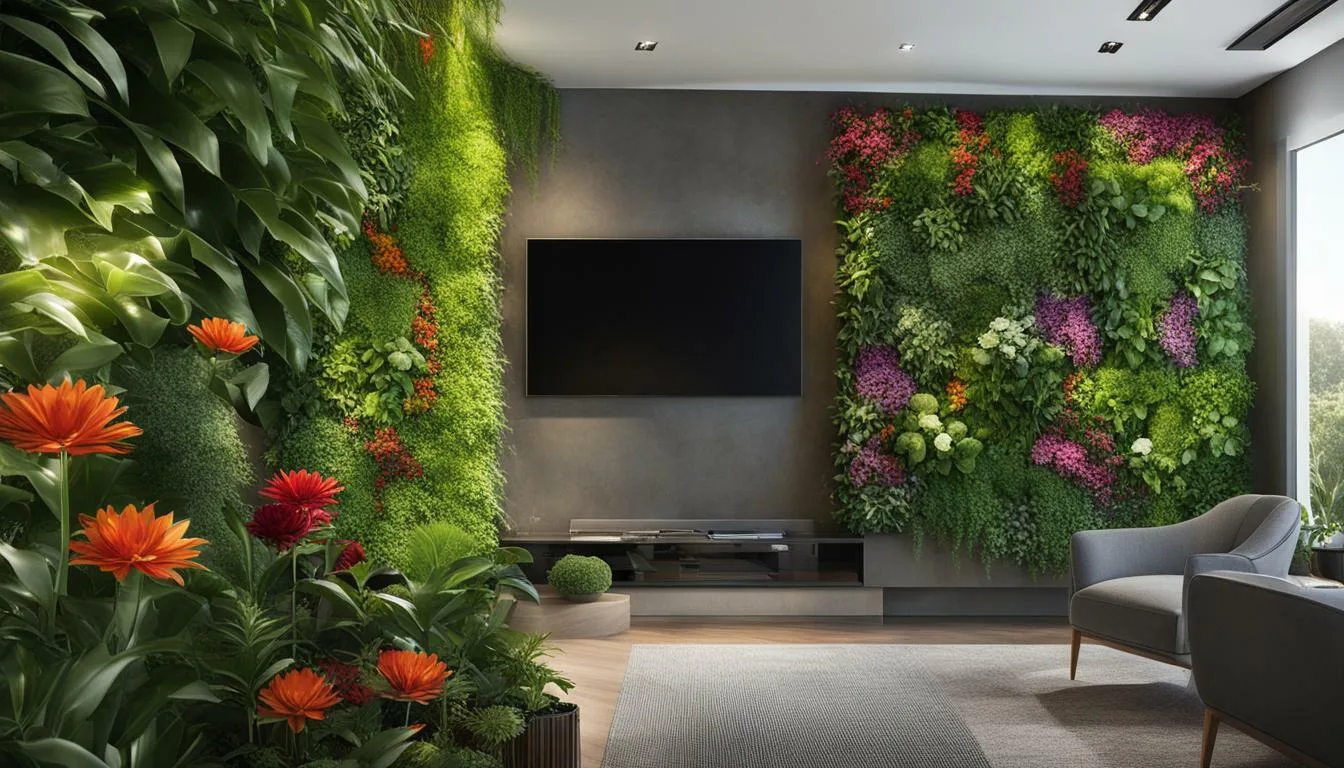
If your building rules allow, turning an entire balcony wall into a green surface is one of the most rewarding projects you can do. An outdoor vertical garden wall uses fixed panels, pockets, or modular tiles to cover a wall with living plants.
We like to plan these as a grid, then assign each section a plant type based on light, wind, and how easy it is to reach for trimming. Tuck drought tolerant plants into the edges where wind dries them faster, and keep thirstier plants near the center.
Layout Tips For Wall Gardens
- Start with a narrow section, not the entire wall, then expand later.
- Place irrigation lines where you can access and clear them.
- Include a drip tray at the bottom so runoff is easy to manage.
- Mix textures and colors for a more interesting living wall.
In apartments, we also pay attention to what is on the other side of the wall. If it is a bedroom, for example, avoid noisy pumps or systems that might hum at night.
Using Frames And Panels Together
One of our favorite apartment setups is a combination of a freestanding frame placed a few centimeters away from the wall and planted panels attached to that frame. This creates a “false wall” of plants without drilling into the building structure.
The gap between frame and wall helps airflow and reduces moisture against the real wall surface. It also makes maintenance easier, because you can remove panels or shift the whole frame if needed.
8. Simple Building Techniques For DIY Apartment Vertical Gardens
If you enjoy DIY, you do not have to buy a full kit to create an outdoor vertical garden for apartments. Using basic materials like stackable planters, timber battens, and wire mesh, you can build a custom setup that fits your space exactly.
In our vertical garden building techniques guide, we break projects into small steps: build a frame, add support surfaces, then attach pots or pockets. This approach keeps things modular and easier to modify later.
DIY Materials That Work Well Outdoors
- Treated timber or metal frames that resist moisture.
- Galvanized mesh panels for hanging pots or clips.
- Stackable plastic or fabric planters rated for UV exposure.
- Basic drip irrigation kits from hardware or garden stores.
We always suggest sealing any timber and using stainless or galvanized screws for outdoor use, especially on high balconies that catch more wind and rain. Strong fixings are more important at height, because falling pots are a genuine safety issue.
Common Mistakes To Avoid
The main DIY mistake we see is overloading lightweight materials with too many heavy pots. Always calculate the total weight with wet soil, water, and mature plants before finalizing your design.
Another common issue is forgetting about drainage and staining. Make sure water can escape into trays or saucers, not drip directly down the wall or onto floors where it leaves mineral marks.
9. Maintenance Tips For Long Lasting Apartment Vertical Gardens
Once your outdoor vertical garden for apartments is set up, keeping it thriving comes down to a few regular habits. Vertical systems are concentrated, so water and nutrients move faster than in big ground beds.
We suggest setting a simple weekly routine: check irrigation lines, trim back fast growers, and remove any dead leaves or flowers. This keeps the wall looking tidy and avoids pests finding hiding spots.
Watering And Feeding
- Check moisture at different heights, not just one pocket or pot.
- Use slow release fertilizer in pockets and planters to avoid constant mixing.
- Flush the system occasionally so salts do not build up in the soil.
In hot months, balconies with lots of reflective glass or metal may need extra attention. Check plants in the top rows more frequently, because heat rises and can bake those pockets first.
Seasonal Checks
At least once or twice a year, give your system a deeper inspection. Tighten brackets, clean drip emitters, and refresh tired soil in the most heavily used pockets or pots.
For climates with cold winters, decide whether your balcony garden will hold hardy perennials or if you will replant annuals each spring. Many apartment gardeners switch to more evergreen or hardy plants on vertical walls so the structure does not look bare in winter.
10. Privacy, Comfort, And Style: Extra Wins From Balcony Green Walls
Beyond plants and harvests, an outdoor vertical garden for apartments adds privacy, softens harsh views, and makes your balcony feel like its own room. Instead of staring at a car park or neighboring windows, you see leaves, flowers, and maybe even visiting bees or butterflies.
Vertical gardens also absorb noise, which is helpful if your unit faces a busy street. Combined with a small table and a comfortable chair, your balcony can suddenly feel like an extra living room outside.
Using Greenery As A Privacy Screen
- Line the outside of balcony rails with tall, dense plants.
- Place vertical planters where they block direct sight lines from neighbors.
- Mix evergreen and seasonal plants so coverage stays decent year round.
We also see more apartment dwellers using vertical gardens as a backdrop for video calls or content creation. A tidy, green wall reads much better on camera than bare concrete or a cluttered balcony.
Comfort Gains For Hot Apartments
As we noted earlier, covering exposed walls with greenery can make a real difference to heat build up. Even small balcony green walls reduce surface temperatures and provide pockets of shade that you can actually sit in on hot days.
For top floor apartments or units with strong western sun, pairing plants with a light shade cloth over the balcony can make the space usable for many more hours each day. You get a cooler wall, filtered light, and a much more pleasant place to relax.
Conclusion
An outdoor vertical garden for apartments is one of the most practical ways to get more from a small space. With the right frame, planters, and plant choices, even a narrow balcony or a single blank wall can become a productive and comfortable green corner.
Whether you prefer a simple row of hanging pots, a self watering living wall, or a full vertical edible garden, the core idea is the same. Use your vertical surfaces, keep maintenance realistic for your lifestyle, and build a balcony space that you actually want to spend time in.