
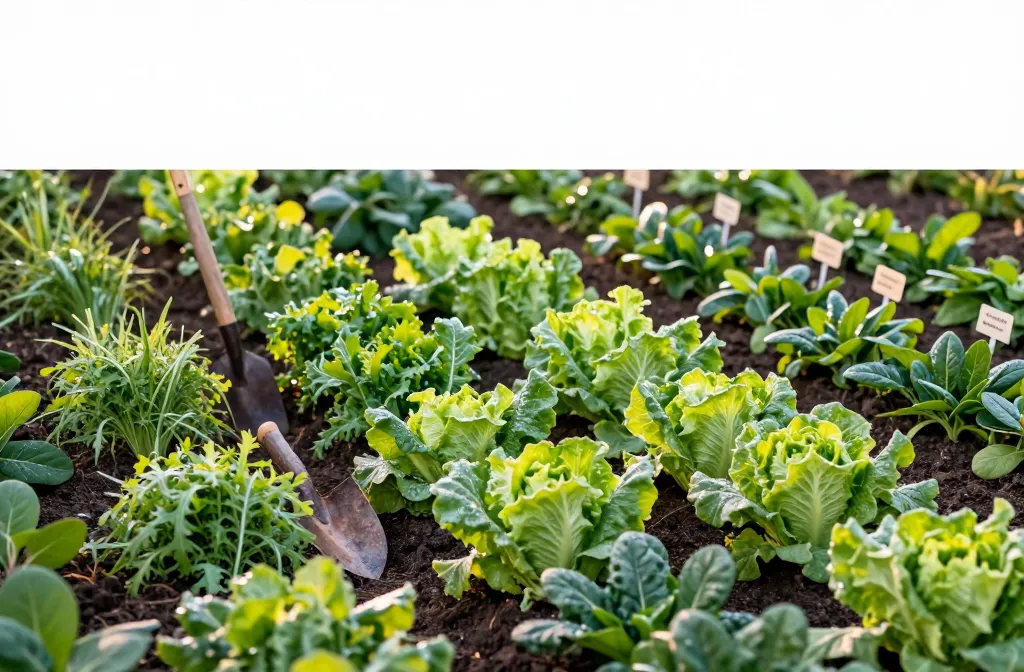
Think fall means your garden hits snooze? Not in warm climates. November is prime time to plant crunchy greens, snappy roots, and flavor-packed herbs that actually love cooler nights. These picks grow fast, dodge summer pests, and deliver harvests when everyone else is doom-scrolling seed catalogs. Ready to eat your way through winter?
1. Salad Greens That Don’t Flinch At Cool Nights
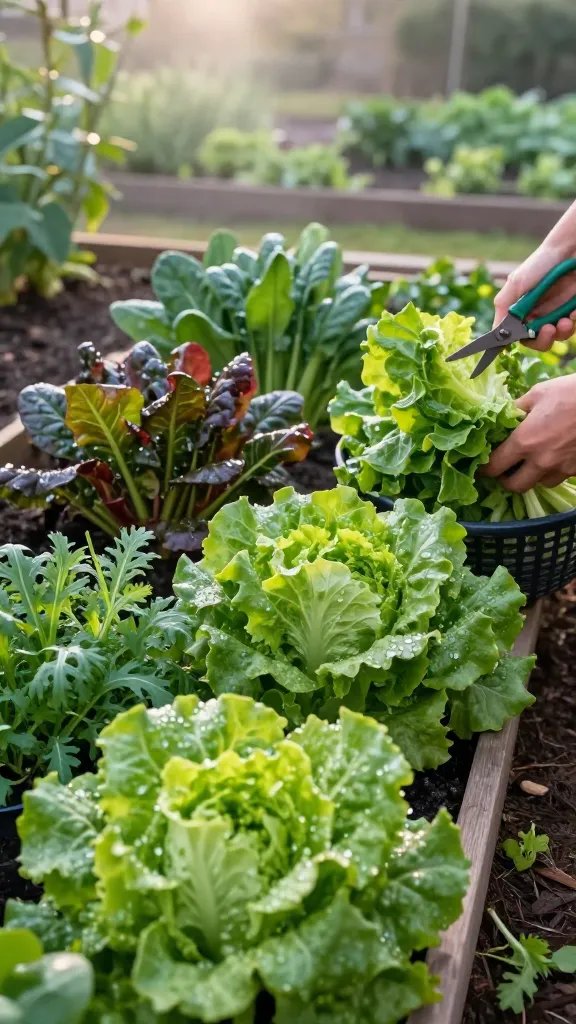
November is jackpot season for tender greens in warm zones. Cooler nights mean sweeter flavors, fewer pests, and zero bitterness. You’ll be snipping fresh salads while your neighbors mourn their tomatoes—oops.
Best Picks
- Romaine and butterhead lettuces for crunch and buttery leaves
- Arugula for peppery zip (it grows fast, too)
- Spinach for smoothies and sautés
- Mizuna, tatsoi, and mustards for that fancy farmers’ market vibe
Planting Tips
- Sow densely for cut-and-come-again harvests. Trim, don’t yank.
- Partial shade helps during warm spells; a light row cover keeps bugs honest.
- Water evenly to avoid bitterness; mulch lightly to keep soil cool and moist.
- Spacing: 6–10 inches for heads; broadcast sow for baby leaf mixes.
Benefit: Quick wins. You can harvest baby leaves in 20–30 days, then keep snipping for weeks. IMO, it’s the easiest way to feel like a gardening genius fast.
2. Root Veggies For Crisp, Sweet Harvests
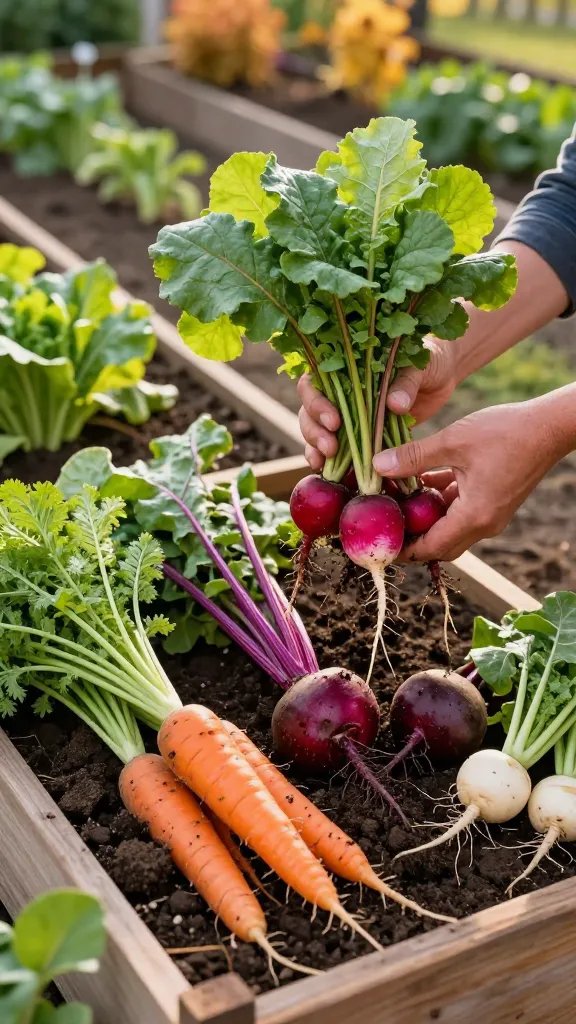
Cool soil turns roots into candy. November sowing in warm climates gives you tender, flavorful carrots and radishes without the summer stress. Plus, they store well if you somehow don’t eat them immediately.
Top Choices
- Radishes (French Breakfast, Cherry Belle) for 25-day gratification
- Carrots (Nantes, Cosmic Purple) for sweet, straight roots
- Beets (Chioggia, Detroit Dark Red) for roots and tasty greens
- Turnips (Hakurei) for buttery, eat-raw crunch
Planting Tips
- Fluffy soil matters. Remove rocks and break clumps for straight roots.
- Direct sow only—no transplanting for carrots and radishes.
- Thin ruthlessly (carrots to 2 inches, beets to 3–4 inches) so roots size up.
- Water shallow and often until seedlings establish, then keep consistently moist.
Pro Moves
- Succession sow every 2 weeks for steady harvests.
- Interplant radishes with carrots—radishes break the soil first, harvest before carrots bulk up.
Benefit: Sweet, uniform roots with minimal fuss. Seriously, nothing beats pulling up a perfect carrot you grew yourself.
3. Brassicas That Thrive When The Air Gets Crisp
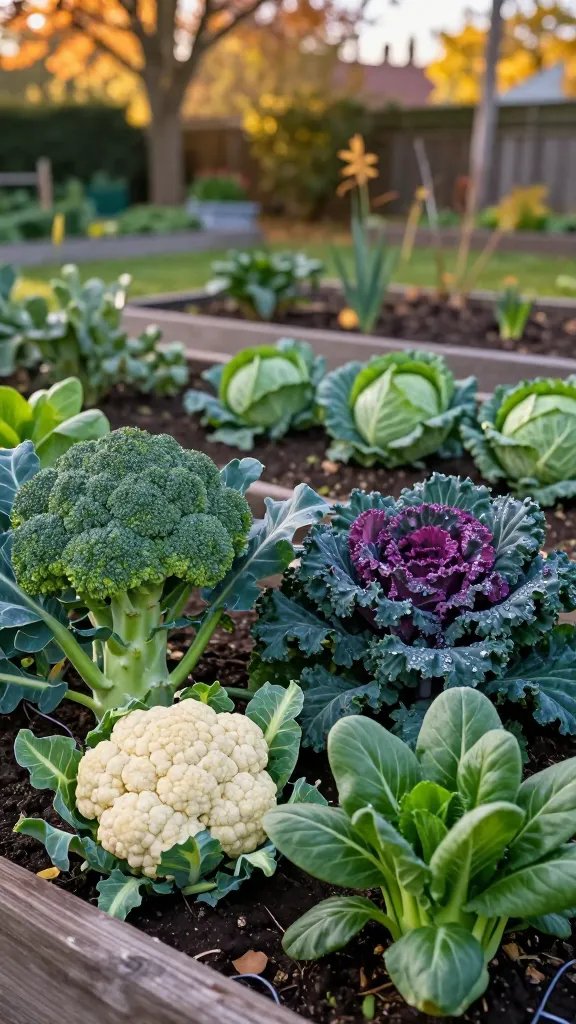
Broccoli and its cousins love November in warm zones. Cooler nights make tighter heads and better flavor, and pests chill out a bit (finally). Give them decent soil and they’ll feed you for months.
All-Star Lineup
- Broccoli (sprouting types keep producing side shoots)
- Cauliflower (choose self-blanching varieties for easy white heads)
- Kale (Lacinato or Red Russian—sweetens after cool nights)
- Cabbage (compact varieties fit raised beds nicely)
- Bok choy for quick stir-fries and soups
Planting Tips
- Transplants beat seeds now for broccoli/cauli/cabbage; bok choy and kale can go either way.
- Spacing: 12–18 inches for broccoli/kale; 18–24 inches for cauliflower/cabbage.
- Feed moderately with nitrogen early, then bump phosphorus/potassium as heads form.
- Cover with row fabric to block cabbage loopers if temps spike.
Timing + Harvest
- Harvest broccoli when buds are tight; cut the main head and let side shoots keep coming.
- Cauliflower heads should feel firm; tie leaves loosely over non-self-blanching types to keep them white.
Benefit: Big, reliable yields with meal-prep superpowers. Roasted broccoli with lemon on a weeknight? Chef’s kiss.
4. Cool-Season Herbs For Fresh Flavor All Winter
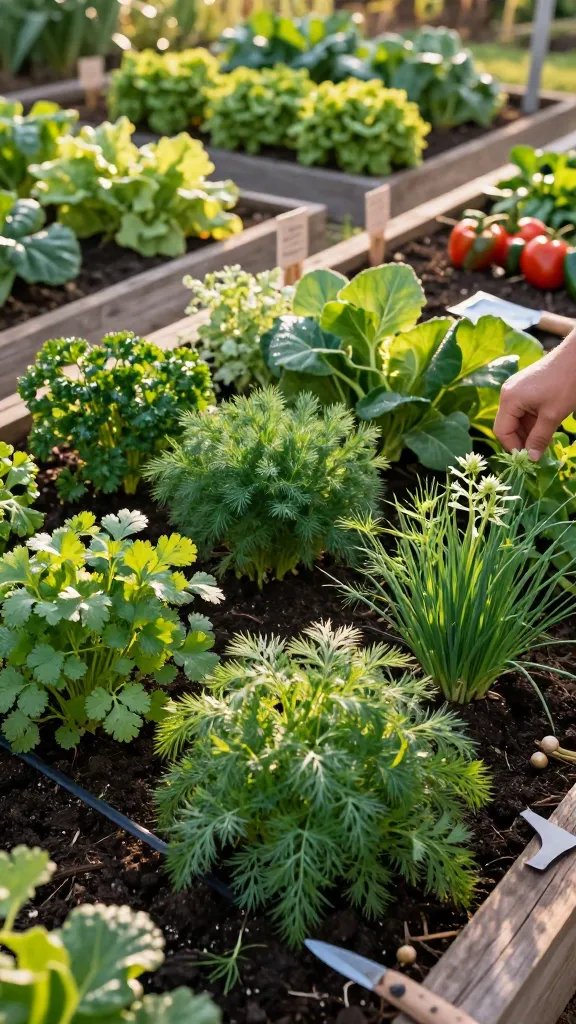
Herbs don’t stop just because it’s fall. In warm climates, November gives you soft, fragrant growth with zero bolting drama. Your soups, salads, and roasts just leveled up.
Great Choices
- Cilantro (grows better now than in spring—FYI, less bolting)
- Dill for pickles, fish, and herby yogurt sauces
- Parsley (flat-leaf for big flavor; curly for garnish vibes)
- Chives for oniony crunch without overpowering
- Fennel (bulb and fronds—plant now for late winter harvests)
Planting Tips
- Direct sow cilantro and dill for stronger taproots; sow parsley thickly and thin later.
- Sun: 4–6 hours is enough; a little afternoon shade keeps them tender.
- Snip often to encourage bushy growth; don’t scalp the plant—leave at least a third.
- Containers work great. Use a quality potting mix and steady moisture.
Quick Uses
- Toss cilantro into tacos and soups at the end for brightness.
- Shower roasted veggies with parsley and dill for a “wow, that’s fresh” finish.
- Add chives to eggs, buttered potatoes, and, well, everything.
Benefit: Continuous harvests with minimal space. Flavor on tap, all season—trust me, you’ll taste the difference.
5. Peas And Beans (Yes, The Cool-Season Kind)
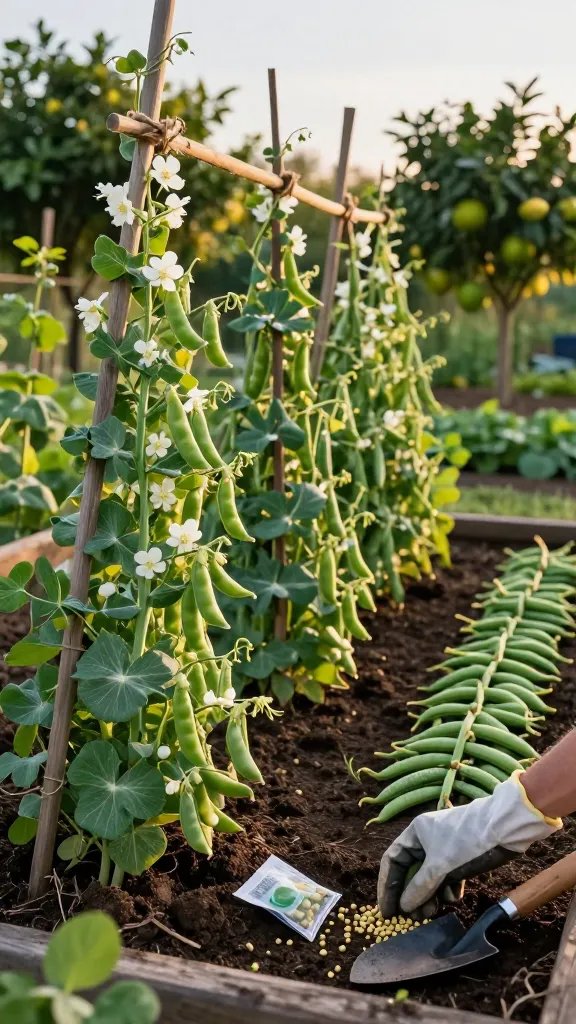
You can plant legumes now, but pick the right ones. In warm climates, peas love the cool-down, while bush beans squeak in if frost stays light and late. Either way, you enrich your soil and stack your harvests.
What To Plant
- Snow and sugar snap peas for crisp, sweet pods
- Shelling peas if you want that classic pea flavor
- Bush beans (only in frost-light areas; choose quick-maturing varieties)
Planting Tips
- Inoculate seeds with rhizobia for stronger plants and better nitrogen fixing.
- Trellis peas immediately—netting, string, or a simple panel works.
- Spacing: Peas 2 inches apart; beans 3–4 inches; rows 18 inches apart.
- Water at soil level to prevent mildew during cool, damp spells.
Timing + Protection
- Plant peas first—they handle chilly nights like champs.
- Use frost cloth for surprise cold snaps, especially on beans.
- Harvest often to keep pods coming; don’t let peas get starchy.
Benefit: Crisp snacks straight off the vine and happy soil microbes. Plus, climbing peas make your garden look extra cute, which totally counts.
Ready to get those hands dirty? November in warm climates gives you a head start and fresher flavors than spring. Pick a few from this list, sow boldly, and enjoy harvests while everyone else just dreams about them.