
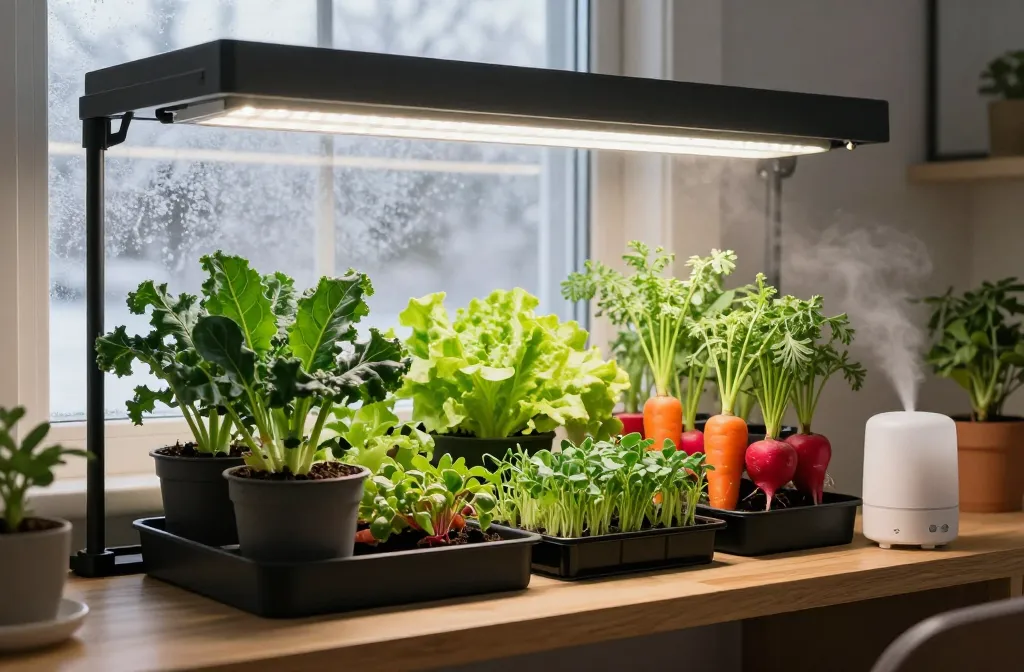
Cold outside, vibrant inside. That’s the vibe of a November indoor garden. You’ll harvest crisp greens, sweet roots, and fresh herbs while everyone else stares at sad supermarket lettuce. Ready to turn your windowsill into a winter produce aisle? Let’s grow 15 reliable vegetables that thrive indoors until spring.
1. Build Your Winter Grow Station (Lighting, Temps, and Containers That Actually Work)
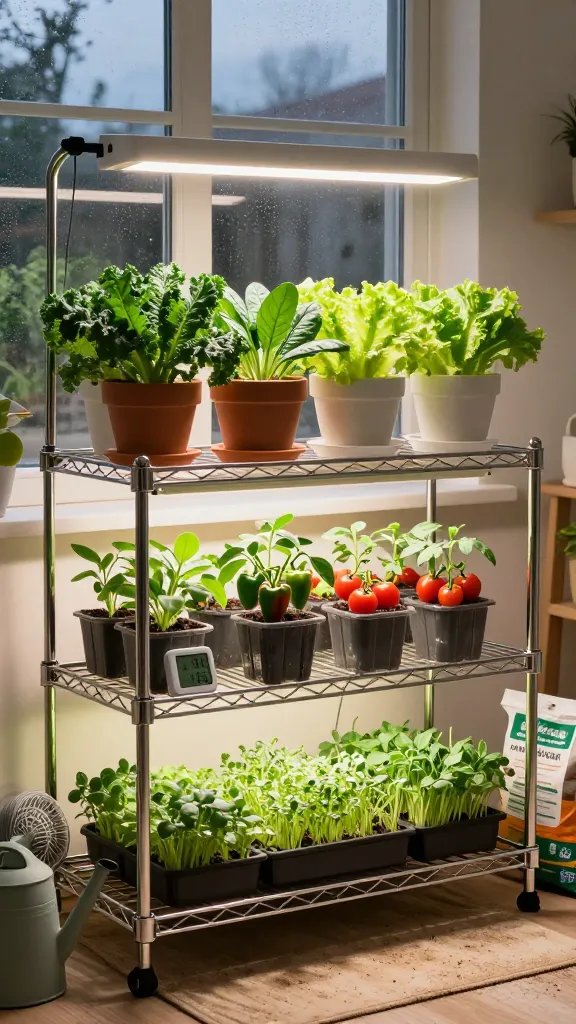
First things first: set the stage. Winter sun won’t cut it for most veggies, so you need a simple grow setup that delivers light, steady temps, and cozy roots. Do this right once, and everything you plant gets easier.
Key Gear You’ll Use All Season
- Full-Spectrum LED Grow Lights: Aim for 12–14 hours/day. Hang 6–12 inches above leafy greens and 12–18 inches above fruiting crops.
- Containers With Drainage: 4–6 inch pots for herbs and greens, 8–10 inch deep pots for roots. Trays for microgreens.
- Quality Potting Mix: Use a light, peat- or coco-based mix. Add perlite for drainage.
- Temperature Sweet Spot: 60–70°F is perfect for most winter veggies. Keep away from drafty windows.
- Humidity: 40–60%. A small humidifier helps prevent crispy leaves.
Dial in this setup once, and everything you grow stays happier, faster, and tastier. IMO, this is the difference between “meh” greens and restaurant-level freshness.
2. Leafy Legends: 6 Fast Greens For Constant Harvests
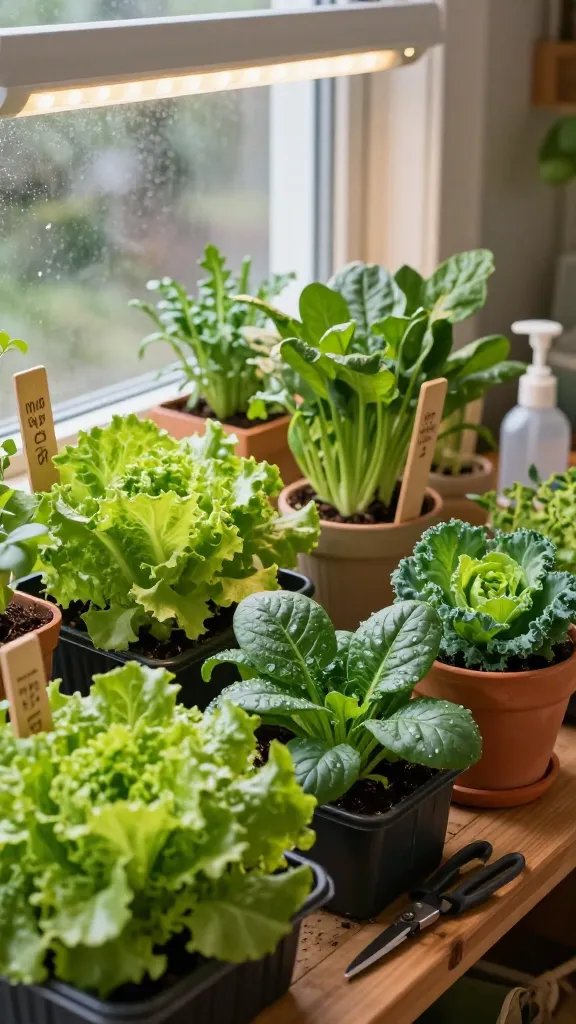
Greens love cool weather and quick turnarounds. Indoors, they give you cut-and-come-again harvests every 1–2 weeks after the first trim. Translation: endless salads without leaving the house.
Grow These 6 Winners
- Cut-and-Come Lettuces (Butterhead, Looseleaf): Sow thick, snip baby leaves at 3–4 inches. Resprouts fast.
- Spinach: Choose smooth-leaf types for easier washing. Cooler room? Even better flavor.
- Kale (Dwarf/Curly/Baby): Compact types rock indoors. Harvest outer leaves and let the center keep producing.
- Arugula: Spicy, fast, and perfect for pizza nights. Sow every 2 weeks for a steady supply.
- Asian Greens (Tatsoi, Mizuna, Pak Choi): Tender, mild, and quick. Great for stir-fries.
- Swiss Chard (Bright Lights): Colorful stems, forgiving plant. More tolerant of less-than-perfect light.
Planting Tips
- Use shallow trays or 4–6 inch pots. Sow dense for baby greens.
- Keep lights close. Leggy greens = not enough light.
- Feed lightly every 2–3 weeks with a balanced liquid fertilizer.
Harvest small and often for the best flavor. You’ll pull salads, wraps, and sautéed sides on autopilot.
3. Herbs That Don’t Quit: 5 Aromatic MVPs For Winter Cooking
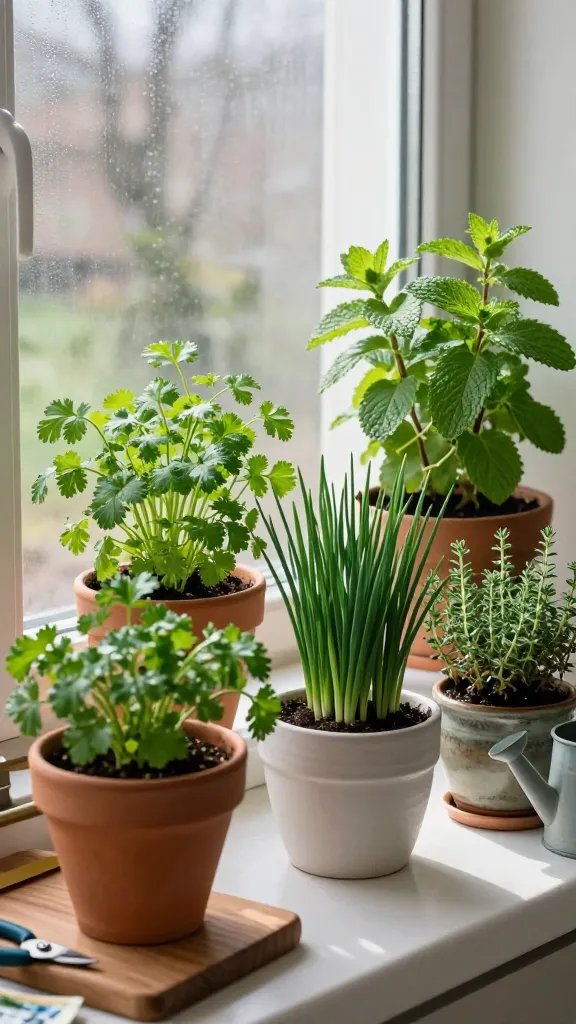
Fresh herbs level up every dish, especially when tomatoes taste like cardboard. These five handle indoor life like champs and give you bright flavor all winter. Bonus: they smell amazing every time you brush past.
The Fab Five
- Parsley (Flat-Leaf): Slow but steady. Loves bright light. Snip outer stems first.
- Cilantro: Cool temps keep it from bolting. Sow every 3–4 weeks for continuity.
- Chives: Cut above the white base and watch it regrow. Mild onion flavor, zero drama.
- Mint: Hardy and invasive in a good way—give it its own pot. Great for tea, FYI.
- Dill (Fernleaf): Compact variety fits indoors. Feathery, fragrant, and fantastic with potatoes or fish.
Care That Keeps Them Thriving
- Light: 12–14 hours under LEDs, south-facing window if you’re lucky.
- Water: Let the top inch of soil dry between waterings to avoid soggy roots.
- Harvest: Frequent trims encourage bushier growth (except cilantro—succession plant instead).
Herbs deliver massive flavor per square inch. When to use? Always—soups, omelets, dips, and last-minute garnish flexes.
4. Roots And Bulbs Indoors: 4 Compact Crops For Sweet, Crunchy Wins
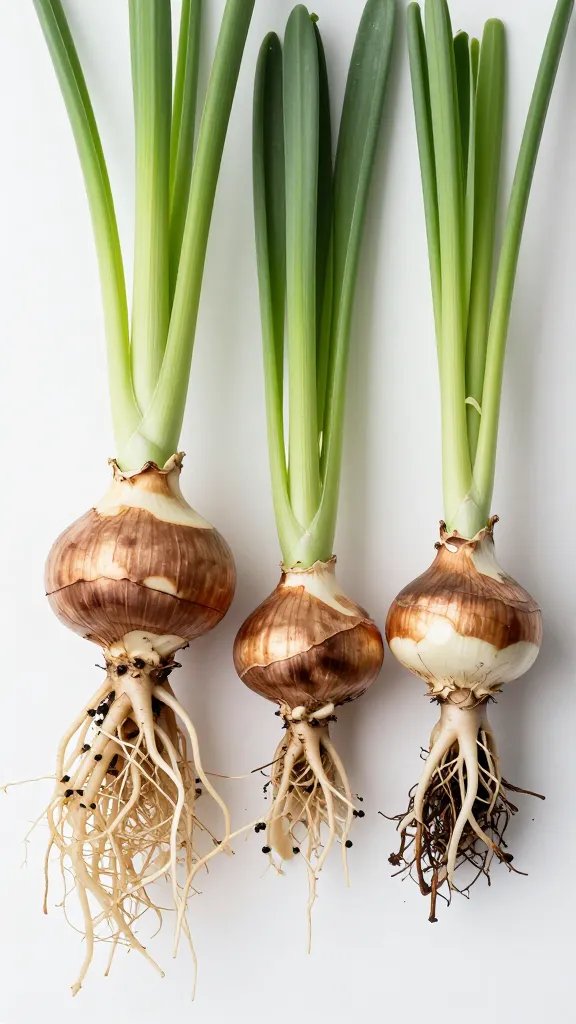
Yes, you can grow root crops inside if you choose wisely and go for baby sizes. Think crisp snacks and roast-ready bites from your shelf garden. They love the cooler temps of winter—score.
Best Indoor Root Choices
- Baby Carrots (Thumbelina, Parisian): Round types thrive in 8–10 inch deep pots. Sweet and fast.
- Radishes (Cherry Belle, French Breakfast): 25–35 days to harvest. Keep consistent moisture to prevent pithy roots.
- Green Onions/Scallions: Plant from seed or regrow from store-bought roots. Barely any space needed.
- Turnips (Hakurei/Baby): Tender bulbs and edible greens. Mild, almost fruity flavor.
Soil And Container Musts
- Use deep containers with loose, rock-free potting mix.
- Keep lights 8–12 inches above foliage; roots still need strong top growth.
- Thin seedlings early so roots size up properly.
Grow these when you want texture and crunch from your winter harvests. Roast, pickle, or snack straight out of the pot—no judgment.
5. Microgreens And Indoor Sprouts: The 5-Day Flavor Bombs
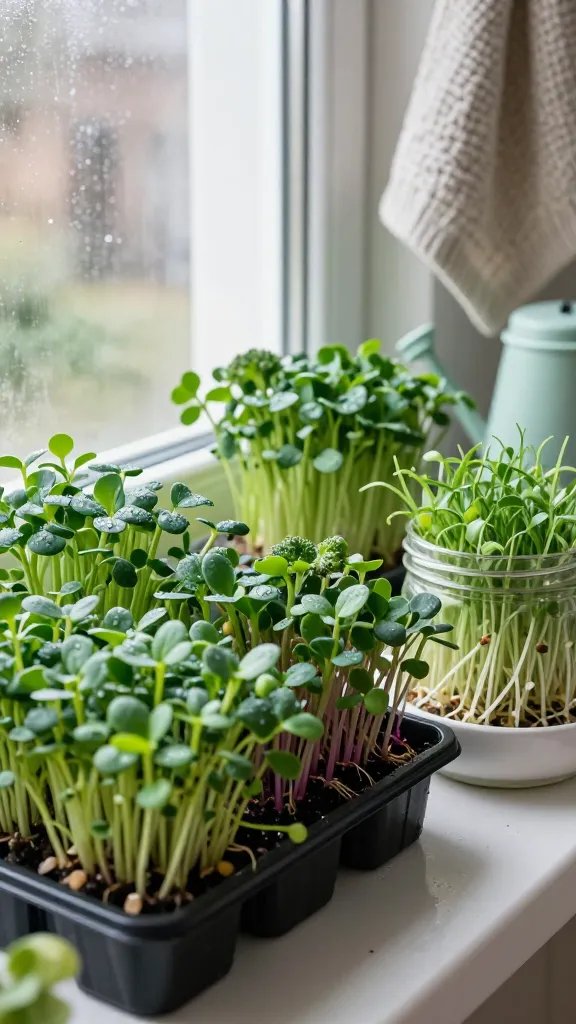
Need wins fast? Microgreens and sprouts deliver intense flavor and nutrition in days, not weeks. They don’t need deep soil, big pots, or tons of light—perfect for beginner confidence boosts.
Fastest Options To Try
- Broccoli Microgreens: Mild, nutty, super nutritious.
- Pea Shoots: Sweet, crunchy, and generous yields.
- Radish Microgreens: Spicy kick for tacos and bowls.
- Sunflower Shoots: Meaty texture, great in sandwiches.
- Alfalfa Sprouts: Classic, fast, and easy in a jar.
How To Grow Microgreens
- Fill a shallow tray with 1 inch of moistened seed-starting mix.
- Sow heavily, press seeds in, and mist. Cover for 2–3 days to encourage germination.
- Uncover, add bright light, and harvest at 7–14 days with scissors.
How To Grow Sprouts (Jar Method)
- Add 1–2 tablespoons of sprouting seeds to a clean jar with a mesh lid.
- Soak 6–8 hours, then rinse and drain 2–3 times daily.
- Harvest in 3–5 days. Keep refrigerated and eat quickly.
Use microgreens when you want instant freshness on bowls, eggs, ramen, and sandwiches. Sprouts are your speedy snack between bigger harvests—seriously, they’re addictive.
Ready to make winter taste like spring? Set up your lights, sow a few trays, and watch your indoor garden take off. You’ll save money, eat better, and flex a little when you serve homegrown greens in January—trust me, it never gets old.