
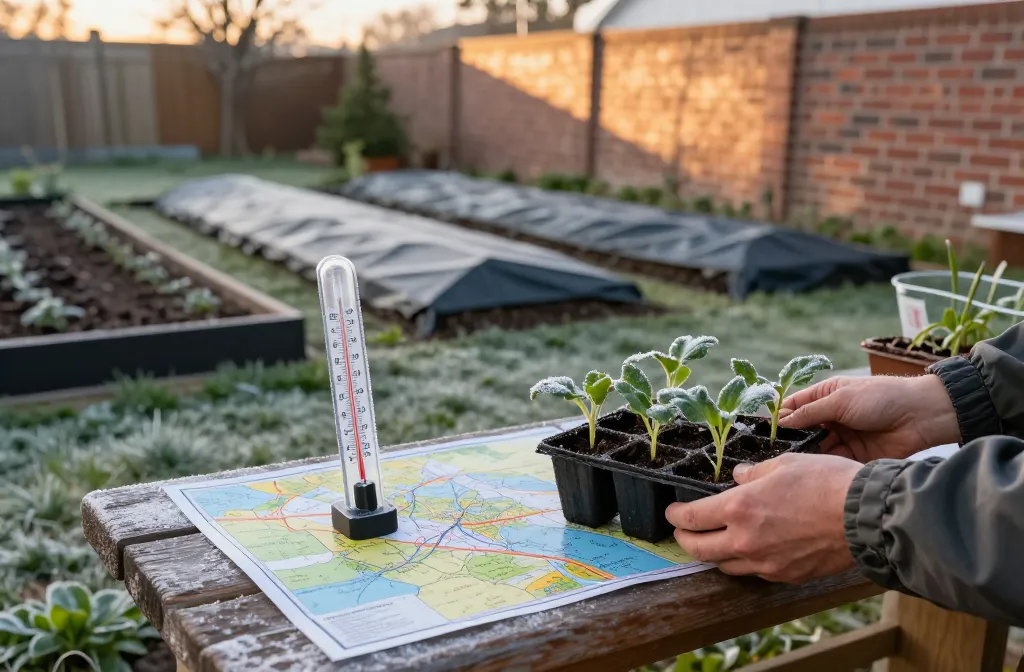
You started seeds, your windowsill looks like a mini jungle, and now you’re itching to move plants outside. Timing that move around your last frost makes the difference between thriving veggies and sad, mushy seedlings. This guide breaks it down by climate zone so you plant at the perfect moment. Ready to outsmart the weather and actually harvest tomatoes before Halloween?
1. Decode Your Zone: The Fast Track To Frost-Safe Timing
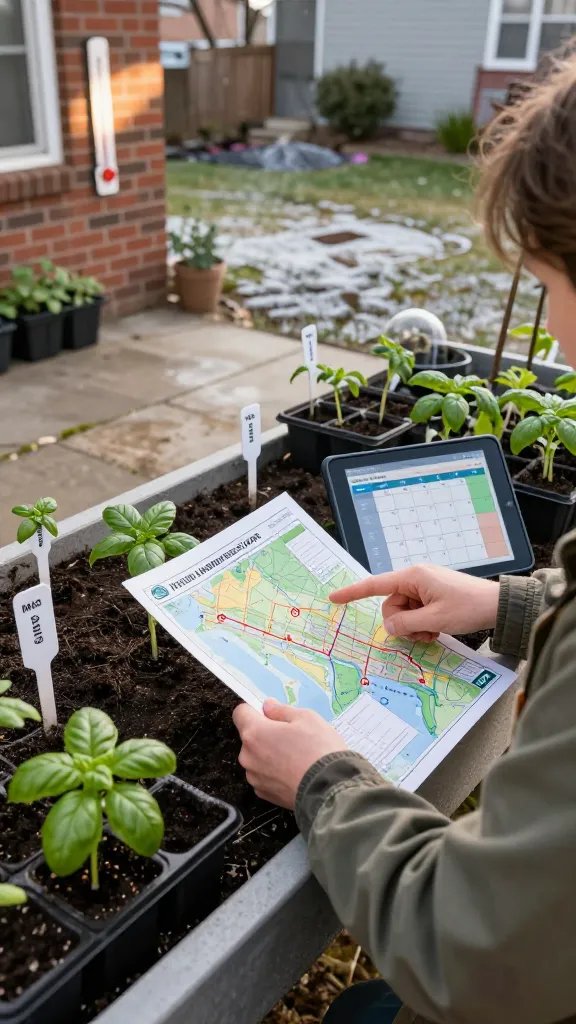
Before you plant a single basil sprig, nail down your USDA Hardiness Zone and average last frost date. That one number unlocks your entire transplant schedule. It’s like having cheat codes for your garden.
Key Moves:
- Look up your USDA Zone using your ZIP code on a reputable map (USDA or your local extension).
- Grab your average last spring frost date from a trusted source: NOAA, local extension, or a farmers’ almanac.
- Layer in microclimates: south-facing walls, urban heat islands, and slopes can shift frost risk by a week or more.
Don’t overcomplicate it. Use the zone as your baseline, then fine-tune with real observations. This gives you confidence and fewer plant obituaries.
Microclimate Clues
- Warm spots: next to brick, near driveways, inside walled courtyards.
- Cold pockets: low-lying areas, open fields, spots that never see morning sun.
- Wind traps: corners where gusts hammer seedlings—add a temporary windbreak.
Once you know your zone and quirks, you can set a smart countdown. Your plants will thank you with faster growth and fewer tantrums.
2. Zone-By-Zone: When To Transplant Without Guesswork
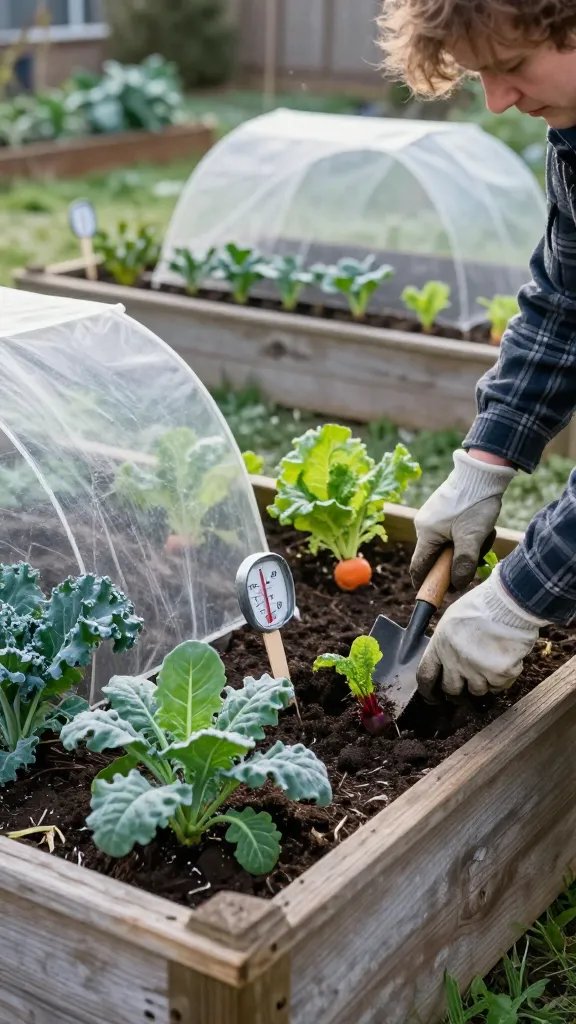
Here’s the no-fluff, zone-specific rundown. Remember: “after last frost” means nights consistently above the danger point, not just one warm weekend. Seriously, patience beats enthusiasm every time.
Zones 3–4 (Long Winters, Short Summers)
- Average last frost: Late May to early June.
- Cool crops (hardy): Kale, spinach, peas, onions can go out 2–4 weeks before last frost with protection.
- Semi-hardy: Beets, carrots, lettuce 1–2 weeks before last frost if soil is workable.
- Tender crops: Tomatoes, peppers, basil, squash 1–2 weeks after last frost, soil at least 60–65°F.
Use low tunnels or cloches. In these zones, protection equals harvest.
Zones 5–6 (Classic Four Seasons)
- Average last frost: Mid-April to mid-May.
- Cool crops: Brassicas, peas, onions 3–4 weeks before last frost.
- Warm crops: Tomatoes, peppers, cukes 1–2 weeks after last frost or when nights stay above 50°F.
- Melons and okra: Wait until soil hits 70°F+
These zones reward planners. Stagger plantings for steady harvests and fewer gluts.
Zones 7–8 (Mild Winters, Long Springs)
- Average last frost: Early March to early April.
- Cool crops: Transplant late winter to early spring; switch to heat-tolerant greens by mid-spring.
- Warm crops: Mid- to late-spring after soil warms—watch for late cold snaps.
- Bonus: Fall planting shines here—make a second calendar for late August to October.
You get two seasons. Use them both and your garden feels like cheating.
Zones 9–10 (Subtropical Vibes)
- Average last frost: Rare, late January to early February if any.
- Cool crops: Grow in winter; transplant late fall through early spring.
- Warm crops: Early spring transplants thrive; avoid peak summer scorch for delicate greens.
- Frost alerts: Keep frost cloth ready for random dips—yes, it happens.
In these zones, heat is your challenge. Shade cloth equals survival for tender greens.
Zone 11+ (Tropical)
- Frost? Basically none.
- Seasons: Wet vs. dry. Plant heat-lovers in the dry season; greens during the coolest months.
- Soil temps: Everything grows faster when you match crop to season, even without frost drama.
Timing around rain and pests matters more than frost here. Still counts as strategy, IMO.
3. Soil And Sky: Read The Signals Like A Weather Whisperer
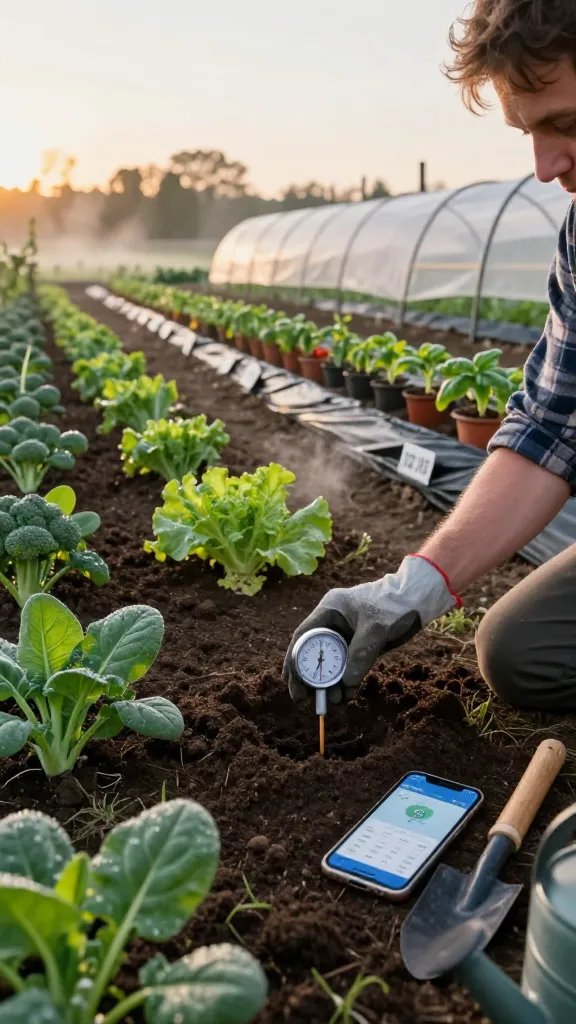
Air temps lie. Soil temps tell the truth. Watch both, plus the 10-day forecast, and you’ll dodge the rookie mistakes.
Temperature Benchmarks
- Peas, spinach, onions: Soil 40–50°F
- Broccoli, cabbage, lettuce: Soil 50–60°F
- Tomatoes, peppers, beans: Soil 60–70°F
- Melons, okra, sweet potatoes, basil: Soil 70–80°F
Use a cheap soil thermometer—stick it 2–3 inches deep first thing in the morning. Do that three days in a row. Boom: real data.
Forecast Red Flags
- Clear, calm nights after a warm day—classic radiation frost setup.
- Late cold front with lows near 32°F—delay transplants or cover.
- All-day wind over 15 mph—postpone or windbreak those babies.
Match plant toughness to weather. You’ll save yourself a lot of replanting and regret, trust me.
Moisture And Mulch
- Water the day before transplanting: Moist soil buffers temperature swings.
- Mulch smart: Straw or leaf mulch warms slowly but stabilizes; black plastic warms fast for heat-lovers.
- Drainage: Cold, soggy soil stunts roots faster than a surprise frost.
Dialing in soil and sky makes transplants settle in faster and resist stress. That means earlier flowers and bigger harvests.
4. Harden Off Like You Mean It: The Week That Saves Your Garden
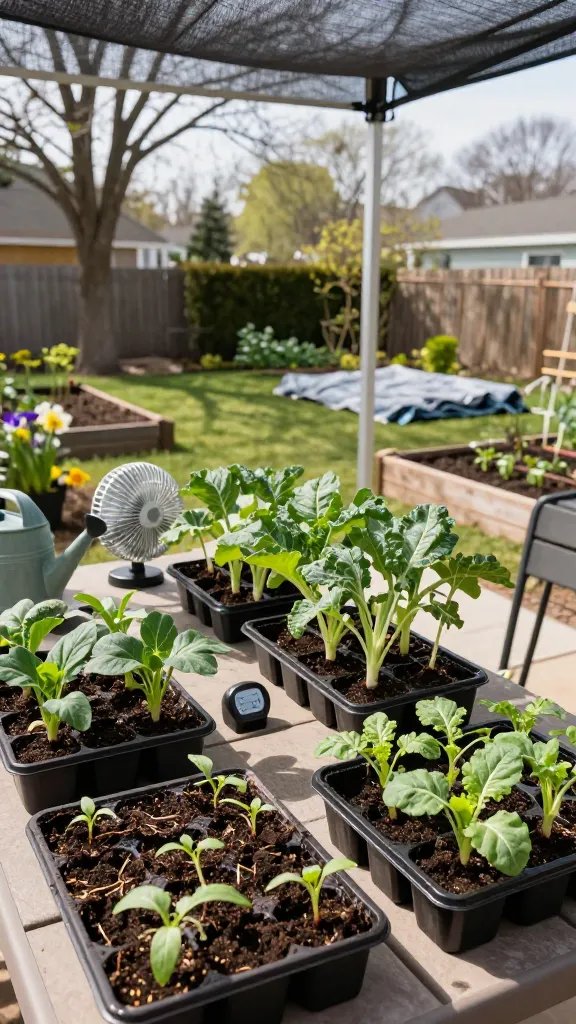
Hardening off gets your pampered seedlings ready for real life—wind, sun, and fluctuating temps. Skip it and watch leaves scorch and growth stall. It’s the least glamorous step and the most important.
7-Day Hardening Game Plan
- Day 1–2: Shade outdoors 2–3 hours, no wind. Bring inside at night.
- Day 3–4: Bright indirect light 4–6 hours. Light breeze okay.
- Day 5: Morning sun 3–4 hours. Reduce watering slightly to encourage root search.
- Day 6: Half day sun. One night outside if lows stay above crop-safe temps.
- Day 7: Full day sun. Transplant late afternoon or on a cloudy day.
Stretch to 10 days for divas like peppers and basil, especially in Zones 3–5.
Pro Tips
- Feed lightly with a diluted, balanced fertilizer 2–3 days before transplanting.
- Up-pot if roots circle containers—tight roots struggle outdoors.
- Label everything so spacing and bedmates don’t turn into a guessing game.
- My cheat: A box fan indoors for a week toughens stems before outdoor time.
Proper hardening leads to perkier foliage, less shock, and quicker takeoff. Your future self will be smug about it.
Transplant Day Checklist
- Cloudy or late-afternoon timing
- Pre-watered plants and beds
- Plant at correct depth: tomatoes deeper, peppers same level, brassicas at cotyledons
- Water in with a kelp or seaweed solution for reduced stress
- Mulch immediately to lock in moisture
Do this, and you’ll watch seedlings settle like they own the place.
5. Protection And Plan B: Outsmart Late Frosts Without Losing Sleep
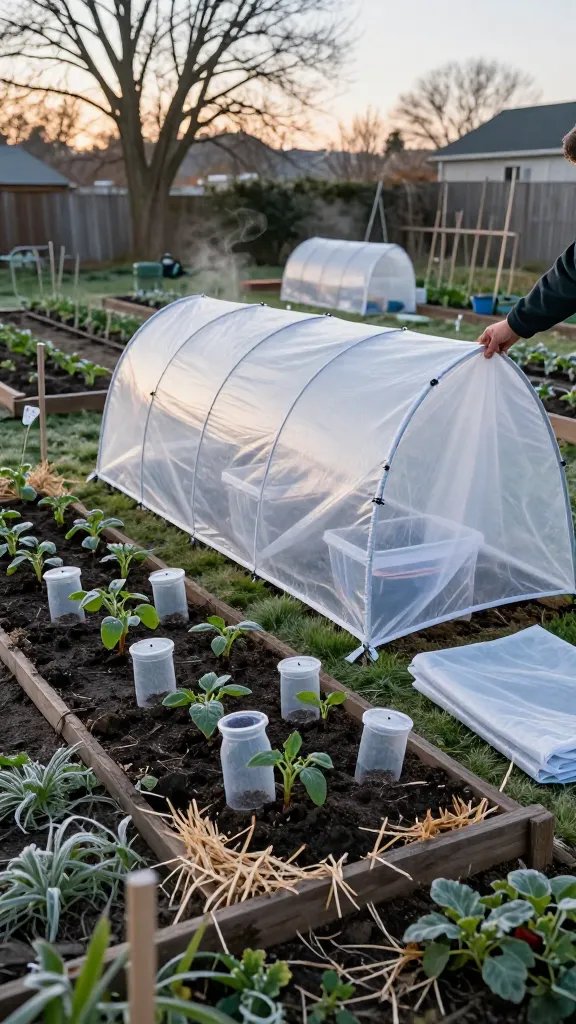
Weather apps fail. Backup plans save gardens. Build a lightweight frost-fighting kit so surprise cold snaps don’t send you into panic mode.
Simple Frost Arsenal
- Frost cloth/row cover (0.5–1.0 oz): Adds 2–6°F of protection; breathable and reusable.
- Cloche options: Milk jugs with bottoms cut off, clear storage bins, or purpose-made bells.
- Low tunnels: 9-gauge wire hoops + row cover or plastic; vent plastic on sunny days.
- Mulch: Straw around crowns buffers cold and reduces soil splash.
- Watering: Moist soil holds more heat—water mid-afternoon before a frost night.
Cover at sunset and secure edges. Remove in the morning once temps rise above freezing.
Crop-Specific Wiggle Room
- Brassicas, onions, peas: Laugh at light frosts—cover only in the upper 20s.
- Tomatoes, peppers, basil: Panic at 33°F—cover anytime frost threatens.
- Squash, cukes, melons: Handle brief chills but hate cold soil; use black plastic or wait longer.
Knowing which plants need babying lets you prioritize covers fast. No more midnight scramble with random bedsheets.
When Things Go Sideways
- Frostbit leaves: Snip damaged tissue after a few days of recovery.
- Stalled growth: Side-dress with compost or a light organic fertilizer.
- Worst case: Re-seed fast-maturing backups (bush beans, summer squash, radishes).
A solid Plan B turns disasters into minor detours. Your harvest might even catch up—plants love a comeback story.
Bottom line: once you match your zone, forecast, and plant temperament, you’ll transplant with swagger. Start small, track what works, and tweak your timing next season. Your future garden will be bigger, earlier, and way less dramatic—seriously, you’ve got this.