
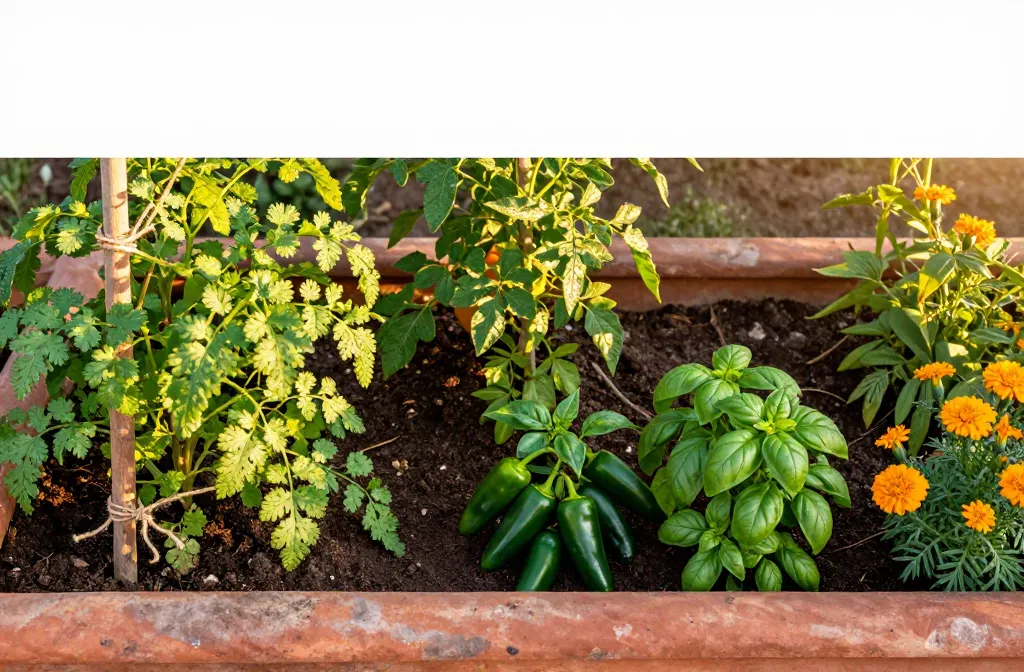
Craving a garden that smells like salsa and tastes like a fiesta? Companion planting brings Mexican herbs and veggies together so they grow stronger, taste better, and shrug off pests. We’ll pair classics you actually cook with—no fluff, all flavor. Ready to turn your beds into a taco truck on roots?
1. Cilantro + Tomato: Salsa Soulmates With Pest-Fighting Power
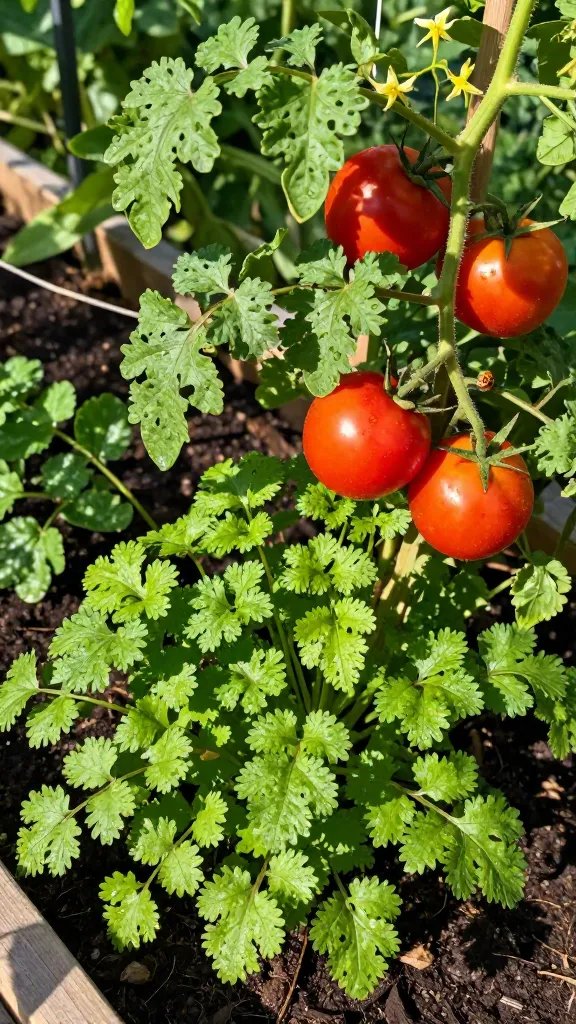
Cilantro and tomato make more than salsa—they make each other better. Cilantro’s scent confuses pests, while tomatoes offer a little shade that cilantro loves as temps rise. Grow them together and you’ll harvest fresher, brighter flavors.
Why It Works
- Flavor synergy: Harvest both for pico de gallo, soups, and garnish.
- Pest control: Cilantro helps deter aphids and spider mites around tomatoes.
- Microclimate: Tomato foliage can keep cilantro cooler and slower to bolt.
How To Plant
- Spacing: Tomatoes 24–30 inches apart; sow cilantro 8–10 inches from stems.
- Timing: Plant cilantro early spring and again mid-summer for fall; transplant tomatoes after frost.
- Water: Keep consistently moist—cilantro hates drying out.
Use this pairing when you want fresh salsas on repeat and healthier tomato vines with fewer pests.
2. Jalapeño + Basil: Heat Meets Sweet For Bigger Yields
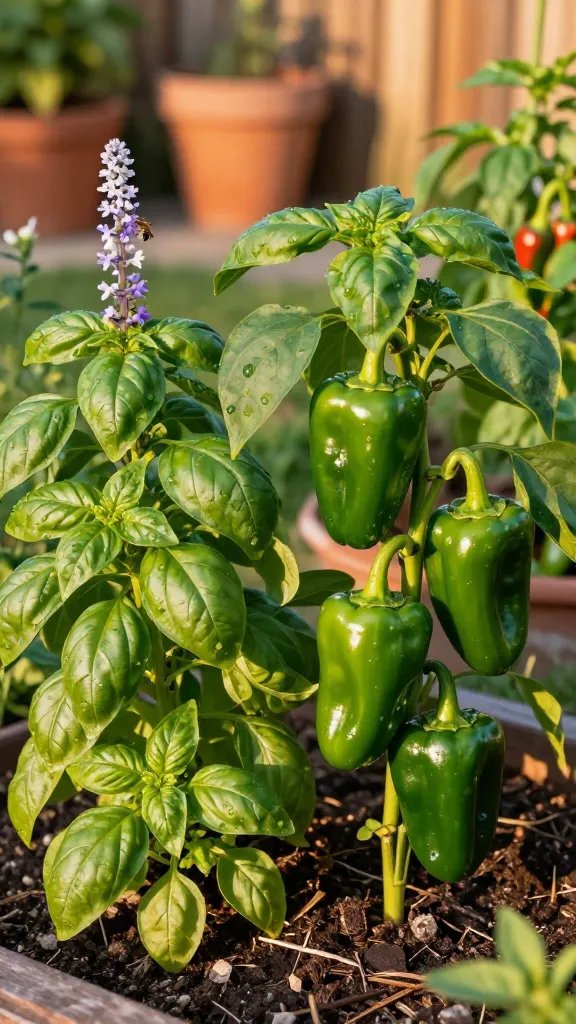
Yes, basil belongs with peppers too—IMO it’s the secret to lush, happy jalapeños. Basil’s strong scent confuses thrips and aphids, and its flowers draw pollinators to boost pepper set. Plus, basil thrives in the same sun-drenched, warm conditions.
Key Points
- Mutual needs: Full sun, warm nights, consistent moisture.
- Pollinator magnet: Let a few basil stems flower to bring bees to peppers.
- Space saver: Tuck basil between pepper plants to shade soil and reduce weeds.
Planting Tips
- Spacing: Jalapeños 18 inches apart; basil every 12–15 inches.
- Pruning: Pinch basil tips for bushier growth; stake peppers once fruit sets.
- Feeding: Light, balanced fertilizer—too much nitrogen = leafy peppers, fewer fruits.
Choose this duo when you want bigger pepper yields, fewer bugs, and pesto as a bonus. Seriously, it’s a win-win.
3. Epazote + Beans: Traditional Partners With Serious Pest Benefits
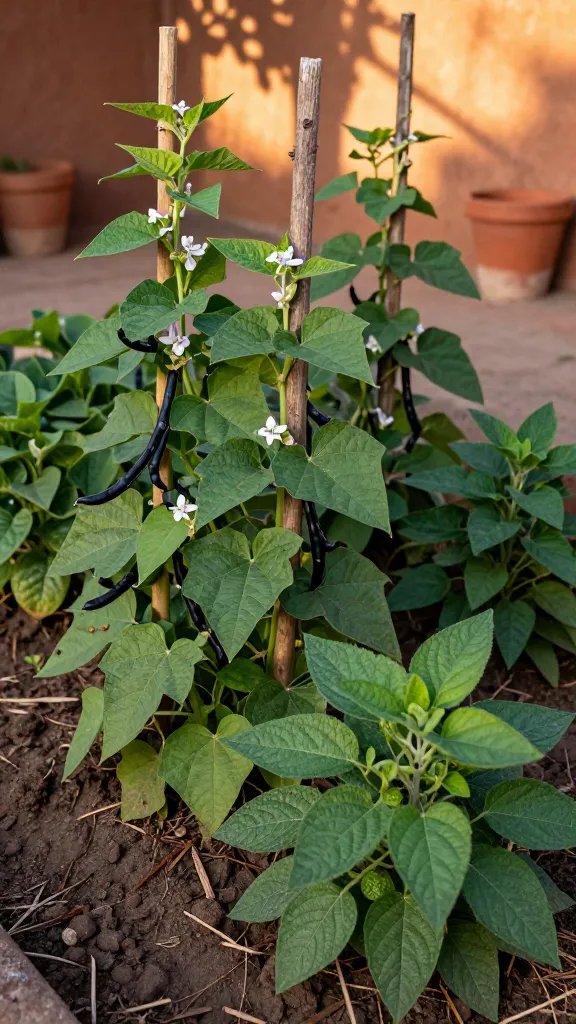
Epazote isn’t just for black beans on the plate—it belongs next to them in the soil. This robust, aromatic herb repels pests like flea beetles and may help mask bean scent from beetles. Meanwhile, beans fix nitrogen, which supports epazote and shallow-rooted companions.
Why It Works
- Authentic pairing: Black beans + epazote = classic Mexican flavor and easier digestion.
- Pest reduction: Epazote’s pungent oils deter some leaf-chewers and sap-suckers.
- Soil health: Beans add nitrogen through root nodules; rotate beds to keep soil balanced.
How To Grow
- Spacing: Bush beans 6 inches apart in rows; epazote clumps 12–18 inches away.
- Control: Epazote self-seeds—snip flowers if you don’t want a jungle.
- Water: Moderate—beans prefer even moisture; epazote tolerates some dryness.
Use this pairing in a production bed for flavorful harvests and fewer bean pests with minimal fuss.
4. Oregano + Squash (Calabacita): Groundcover Guardians Against Pests

Mexican oregano (Lippia graveolens) or Mediterranean oregano both play bodyguard for squash. Their aromatic oils deter squash-loving pests while their low growth habit shades soil, keeping roots cool and moist. Squash vines appreciate the mulch effect and repay with massive leaves that reduce weed pressure.
Key Benefits
- Pest deterrence: Aromatic border around squash hills can confuse squash bugs.
- Moisture retention: Oregano acts like living mulch.
- Flavor bonus: Oregano pairs with calabacitas, soups, and roasted squash dishes.
Planting Strategy
- Layout: Plant oregano on the perimeter; sow squash in mounds 3–4 feet apart.
- Sun: Full sun for both; oregano tolerates heat like a champ.
- Maintenance: Trim oregano to prevent it from overwhelming squash stems.
Try this when you want tidy beds, fewer squash bugs, and herbs within arm’s reach of your summer stir-fries.
5. The 13 Authentic Pairings, All Together: A Mini Milpa For Modern Beds
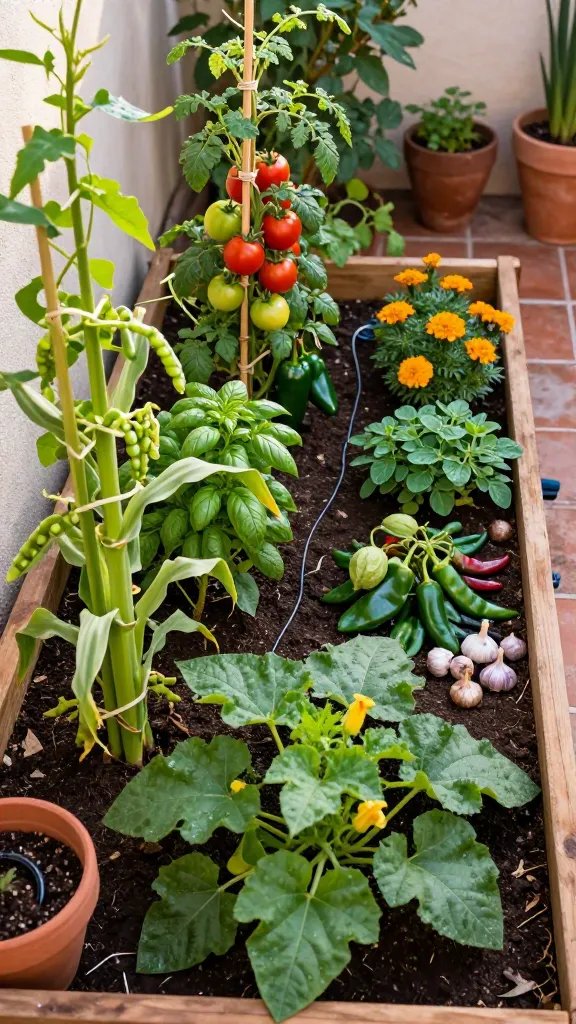
Want the full list in one place? Build a mini milpa-inspired setup that celebrates Mexican flavors and time-tested plant friendships. Mix these combos across beds or containers for a steady stream of ingredients.
13 Companion Pairings
- Corn + Climbing Beans + Squash (Three Sisters): Corn supports beans, beans fix nitrogen, squash shades soil and deters weeds.
- Tomato + Cilantro: Pest confusion and cooler roots for cilantro; salsa on speed dial.
- Jalapeño (or Serrano) + Basil: Pollinator magnetism and pest deterrence for bigger yields.
- Tomatillo + Marigold (Tagetes): Marigolds deter nematodes and aphids; tomatillos attract beneficials with sticky husks and flowers.
- Chiles (Ancho/Poblano) + Onions: Onion scent confuses aphids and thrips; perfect for rajas and salsas.
- Epazote + Black Beans: Classic culinary match, with pest-repelling aroma.
- Oregano (Mexican) + Calabacita/Zucchini: Low, fragrant border helps deter squash pests.
- Garlic + Beets: Garlic wards off mites and borers; both like similar soil moisture.
- Radish + Cucumber: Radishes break soil crust and distract cucumber beetles early.
- Lettuce + Cilantro: Cilantro shades lettuce bases; both enjoy cool, moist soil in spring/fall.
- Amaranth (Huauzontle) + Chiles: Amaranth lures leafhoppers away; creates gentle windbreak for peppers.
- Nasturtium + Tomatillo/Tomato: Trap crop for aphids; rambling vines protect soil and attract pollinators.
- Mexican Tarragon (Tagetes lucida) + Beans: Aromatic deterrent for pests; edible leaves add anise-citrus notes to stews.
Layout Tips
- Clusters, not rows: Group each pairing in mini modules to concentrate benefits.
- Tall to short: Put corn and tomatillos on the north side, peppers and herbs in front.
- Bloom succession: Stagger flowering herbs (basil, oregano, nasturtium) to feed pollinators all season.
Care Basics
- Soil: Rich, well-draining, amended with compost; avoid heavy nitrogen near fruiting crops.
- Water: Deep, infrequent soakings; mulch to keep roots cool.
- Pruning: Keep air moving around tomatoes, tomatillos, and peppers to reduce disease.
Use this section as your plug-and-play map for beds, containers, or community plots. FYI, containers love the pepper + basil combo.
Ready to plant like a pro without turning your yard into a science experiment? These companion pairs keep pests guessing, boost yields, and give you the freshest flavors on the block. Pick a couple, get them in the soil, and enjoy a season of truly authentic harvests—no sombrero required.