
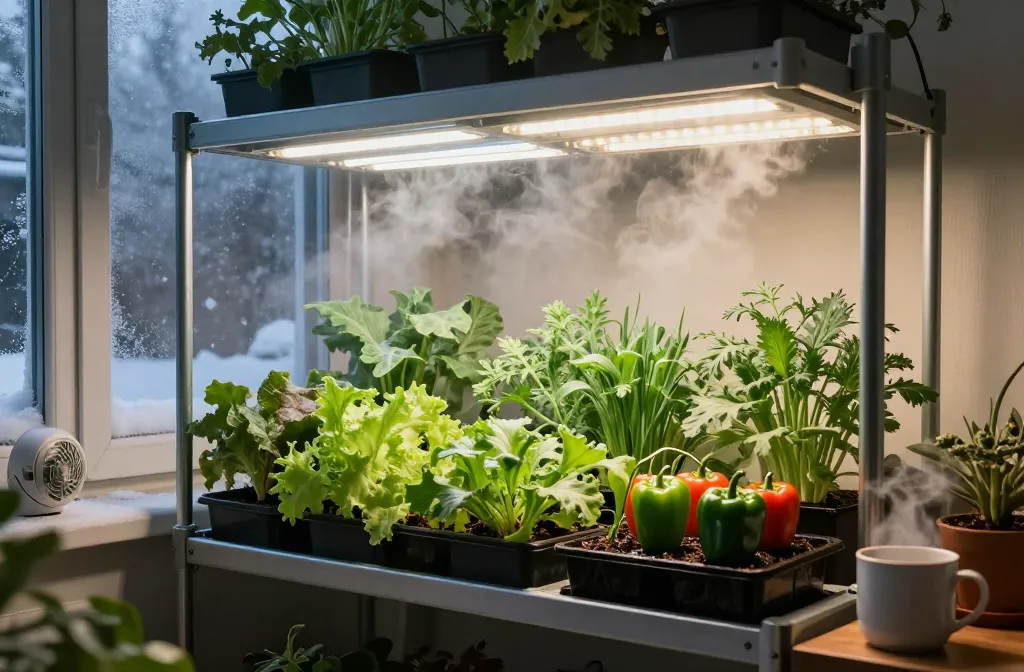
Think growing fresh food in a frozen tundra sounds impossible? Nah. With a smart setup and a solid plan, you can harvest greens, herbs, and even compact fruits any month of the year. This calendar meets you where you are—snowstorms included—and helps you rotate crops like a pro. Let’s build an indoor garden that keeps your kitchen stocked and your mood sunny, even when the forecast screams “Arctic.”
1. Dial In Your Microclimate: Light, Heat, and Humidity That Plants Actually Love
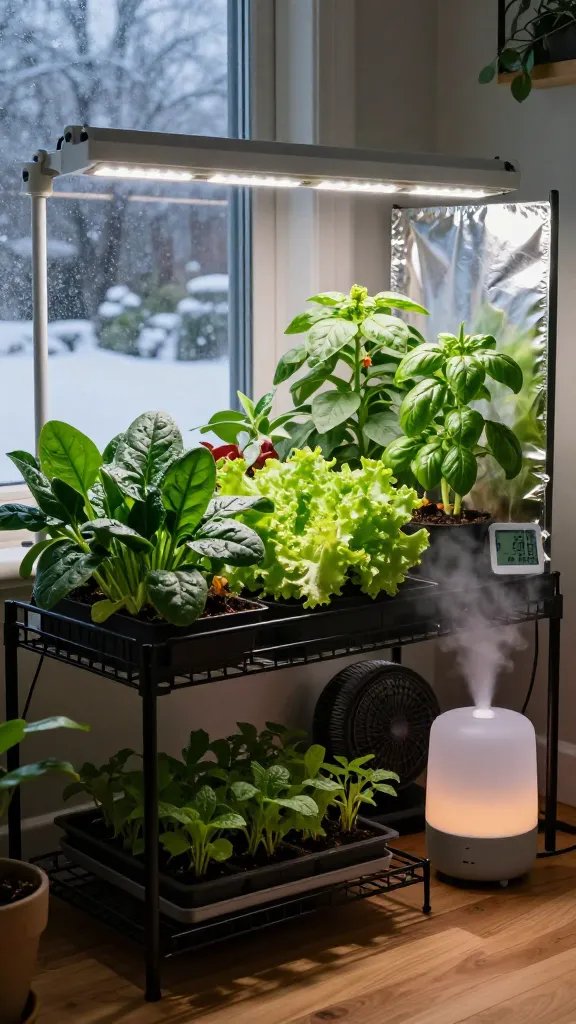
You can’t win the year until you master the week-to-week environment. Indoor plants don’t care about your central heating or the vibes—they want consistent light, steady temperatures, and humidity that doesn’t feel like a hairdryer. Nail this and everything else gets easier.
Start with light. Winter sunlight drops off a cliff, so supplement with LED grow lights that hit the 400–700 nm spectrum. Aim for 12–16 hours daily for leafy greens, 14–18 for fruiting plants. Keep lights 6–12 inches above leaves and raise them as plants grow.
Key Points
- Light Intensity: 200–400 PPFD for greens and herbs; 600–800 for fruiting crops.
- Temperature: 65–70°F day, 60–65°F night for greens; 70–78°F for peppers/tomatoes.
- Humidity: 45–60% is the sweet spot. Add a small humidifier if you run dry heat.
- Airflow: Clip-on fans prevent mildew and strengthen stems. Gentle breeze, not a hurricane.
- Timers: Automate lights and fans. Consistency beats enthusiasm, every time.
Why this rocks: a stable microclimate means fewer pests, faster growth, and yields that make supermarket lettuce cry.
Quick Setup Tips
- Use a metal wire rack with adjustable shelves—it’s the budget MVP for vertical growing.
- Line shelves with reflective mylar or white poster board to bounce light back to plants.
- Place a hygrometer/thermometer combo at plant height. Guesswork? Overrated.
- Keep plants off cold floors—use risers or trays to avoid root chill.
Use this when: you’re setting up any indoor grow, especially for winter. It pays dividends all year.
2. The Year-Round Calendar: What to Start, Grow, and Harvest Each Season
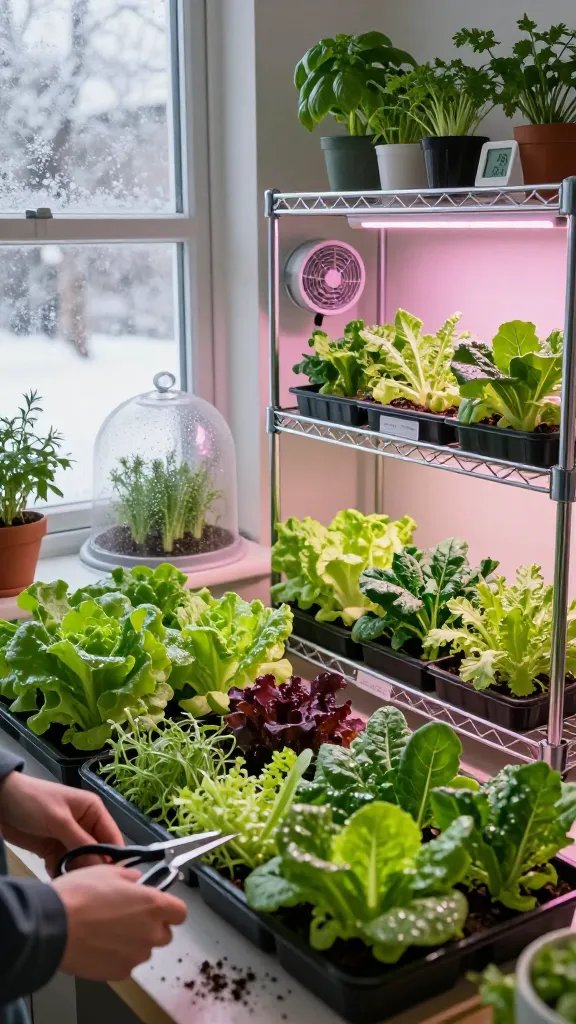
Ready for the fun part? Here’s your cold-climate indoor growing calendar broken down by seasons. You’ll stagger quick wins (microgreens, baby greens) with slower stars (peppers, dwarf tomatoes) so something always hits the harvest bowl.
Winter (December–February): The Salad Factory
Short days, long nights—perfect for leafy crops that thrive under LEDs. Keep it cozy and simple while you build momentum.
- Start + Grow: Lettuce mixes, spinach, arugula, kale (baby leaf), chard, mizuna, tatsoi
- Herbs: Basil (warm, extra light), mint, chives, parsley, cilantro (cooler room loves it)
- Fast Wins: Microgreens (7–14 days), pea shoots, radish shoots
- Fruiting (advanced): Dwarf tomatoes, compact peppers—only if you have strong light and warmth
Schedule: Sow greens every 10–14 days for continuous harvest. Microgreens every week. You’ll eat like royalty by January.
Early Spring Indoors (March–April): Seedling Season
Use your indoor space to start next season’s outdoor plants, but keep your leafy routines going. It’s multitasking, garden-style.
- Start Indoors: Tomatoes, peppers, eggplants, hardy herbs (thyme, oregano), brassicas (broccoli, cabbage)
- Still Growing: Lettuce, spinach, chard, microgreens, basil
- Transplant Plan: Harden off when outdoor nights regularly stay above 45°F (or keep indoor dwarfs going)
Schedule: Start nightshades 8–10 weeks before your last frost date. Keep one shelf for seedlings, one for ongoing greens.
Summer Indoors (May–August): Keep It Cool (Yes, Indoors)
Hot? Your indoor garden still shines. Focus on heat-loving herbs and harvest-happy greens.
- Grow: Basil (all the pesto), dill, mint, oregano, chives, shiso, cilantro (cool room only)
- Greens: Cut-and-come-again lettuce under cooler lights or lower shelves
- Fruiting: Dwarf tomatoes, peppers if you have strong light and pollinate by gently shaking blossoms
Schedule: Drop light hours to 12–14 if plants stretch. Keep air moving to avoid fungus gnats and mildew.
Fall Indoors (September–November): Reset and Reboot
Time to rotate and prep for winter glory. Clean trays, refresh media, and reboot fast-growing greens.
- Start: New cycles of lettuce, kale (baby leaf), spinach, mustard greens, cilantro
- Overwinter Herbs: Parsley, chives, thyme do great with bright light and cool temps
- Bulbs + Fun: Garlic greens (plant cloves shallow and harvest tops), scallion regrowth from grocery roots
Schedule: Sow greens every 10–14 days again. You’re back to winter flow, but smarter.
Why this rocks: a seasonal rhythm prevents burnout and keeps the kitchen in fresh produce. Seriously, it’s addictive.
3. Choose Your Champions: Crops That Crush It Indoors (And How To Grow Them)
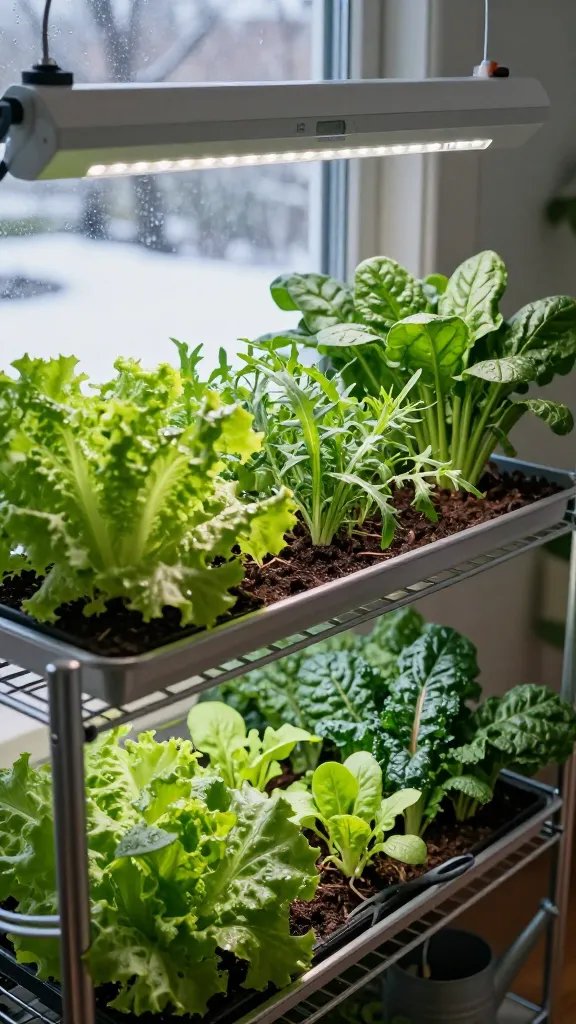
Some plants love indoor life. Others…not so much. Here’s a curated roster that thrives in cold-climate homes with basic gear. Pick a few, master them, then expand.
Leafy Greens That Don’t Quit
- Looseleaf Lettuce: 28–40 days. Sow thickly, harvest outer leaves. Likes 60–70°F.
- Spinach: 30–45 days. Cooler temps (55–65°F) prevent bolting. Great near a window with supplemental light.
- Arugula + Mustards: 21–35 days. Peppery joy, fast turnover. Cut at baby stage for tenderness.
- Baby Kale/Chard: 25–40 days. Snip small leaves weekly; they regrow like champs.
Benefits: Low light needs, short cycles, forgiving. These are your workload-lighteners.
Herbs That Actually Taste Like Herbs
- Basil: Warm, bright, drinker. Don’t let it get cold or soggy. Pinch tops for bushiness.
- Parsley: Slow starter, then relentless. Cool temps okay. Harvest outer stems first.
- Cilantro: Likes it cool. Succession sow every 2–3 weeks to avoid bolt drama.
- Mint + Chives: Almost unkillable. Give them their own pots so they don’t bully neighbors.
Benefits: Instant flavor upgrade for everything. Also, your kitchen will smell like victory.
Compact Fruiting Plants (For the Ambitious)
- Dwarf Tomatoes: Look for varieties like Tiny Tim, Micro Tom, or Red Robin. Needs 14–18 hours of strong light and hand-pollination (a gentle shake).
- Mini Peppers: Patio or lunchbox types. Warm roots, high light, and patience. Reward: sweet crunch.
- Strawberries (Day-Neutral): Alpine or compact varieties can work under lights if you manage humidity.
Benefits: They’re slower but insanely satisfying. If you want to flex, this is the way.
Speed Demons: Microgreens + Shoots
- Microgreens: Radish, broccoli, pea, sunflower. Harvest in 7–14 days. Minimal gear, maximal nutrients.
- Pea Shoots: Soak, sow, cut at 4–6 inches. Sweet, crunchy, perfect for winter stir-fries.
Benefits: Weekly harvests keep morale high and salads interesting. IMO, they’re the ultimate gateway crop.
4. Systems That Work: Soil Mixes, Watering, and Small-Space Layouts
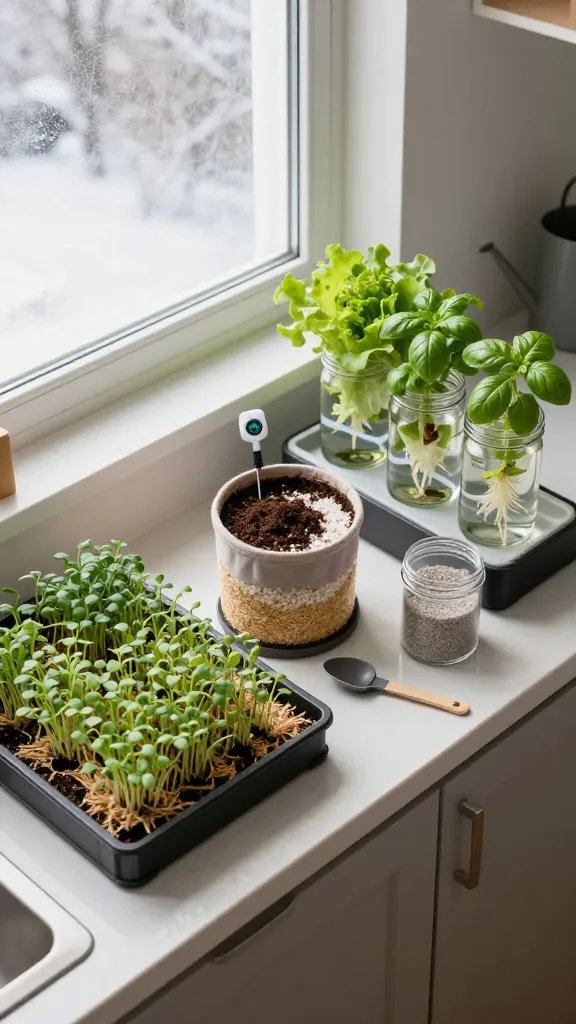
You don’t need a jungle of gadgets. Build a simple, reliable system first. Then tweak as you go. This section saves you money and time (and your hardwood floors).
Growing Media That Don’t Make a Mess
- Soil-Like Mix: 60% coco coir or peat, 30% perlite, 10% compost or worm castings. Light, airy, holds moisture.
- Soilless for Microgreens: Straight coco coir or hemp mats keep cleanup easy.
- Hydro Curious? Kratky jars or a small DWC tote grow lettuce like a machine—no pumps required for Kratky.
Tip: Pre-moisten mixes until they feel like a wrung-out sponge. Soggy media equals fungus gnats. Hard pass.
Watering Without Wrecking Roots
- Bottom Watering: Set pots in trays, let them wick for 15–30 minutes, then drain.
- Check Daily: Stick a finger 1 inch deep. Dry? Water. Damp? Wait. Simple beats fancy.
- Fertilizer Rhythm: Mild liquid fertilizer every 1–2 weeks for greens; weekly for fruiting crops.
FYI: Use room-temp water to avoid shocking roots. Chlorine-sensitive? Let tap water sit overnight.
Layouts for Tight Spaces
- Two-Shelf Plan: Top shelf for seedlings and herbs; lower shelf for greens and microgreens.
- Tray Sizes: 10×20 trays run clean, stack easily, and fit most wire shelves.
- Zoning: Keep warm-lovers higher (closer to lights), cool-lovers lower. You’re building a mini climate tower.
Benefits: Clean workflow, fewer spills, faster harvests. Your future self will applaud.
Pest Prevention Without Chemicals
- Quarantine New Plants: One week away from the main setup. Yes, really.
- Sticky Traps: Yellow cards catch gnats early. Replace monthly.
- Sanitation: Wipe shelves, sterilize trays between cycles, vacuum fallen leaves.
- Neem + Soap: Spot-treat aphids or mites early. Increase airflow and reduce overwatering.
Use this when: you want a resilient, low-drama system that just cranks out produce.
5. Your Month-by-Month Playbook: Succession Sowing, Harvest Rhythm, and Troubleshooting
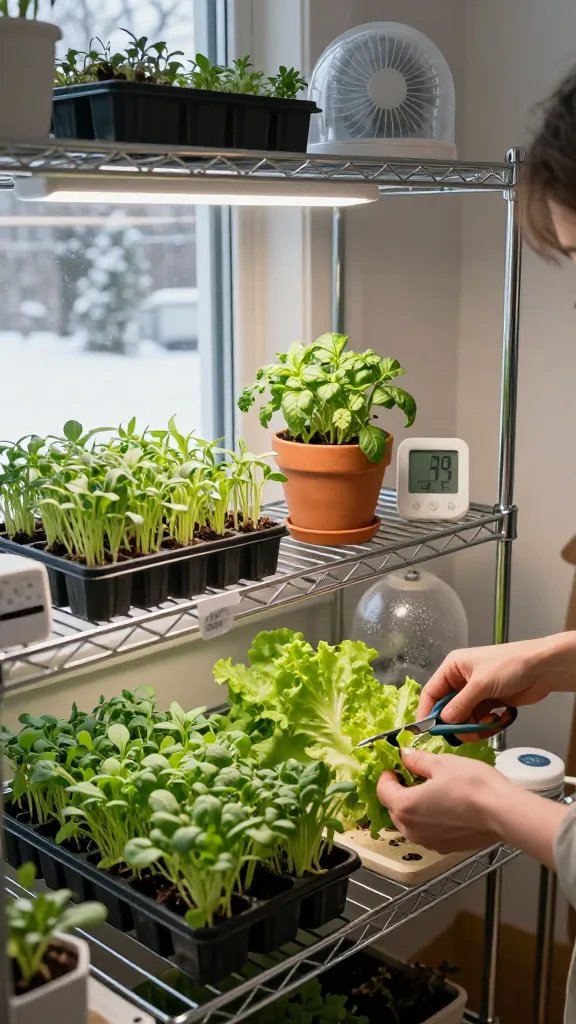
Here’s the pacing guide that keeps your harvests steady. Think of it like a workout plan, but for salads and herbs. Follow this, and your fridge stays stocked without panic-sowing at 11 p.m.
January–February: Build Momentum
- Sow Weekly: Microgreens (1 tray), mixed lettuce (one 10×20 tray), and one herb pot.
- Light: 14–16 hours for greens; check bulb distance every few days.
- Harvest: Start cutting baby leaves at 3–4 inches. Don’t scalp—leave 1 inch to regrow.
- Checkups: Watch humidity and airflow. Add a fan if leaves feel perpetually damp.
March–April: Double Duty
- Sow: Keep greens going; start tomatoes, peppers, herbs for either indoor fruiting or outdoor transplant.
- Pot Up: Move seedlings to 3–4 inch pots when roots circle the bottom.
- Fertilize: Bump to weekly for heavy feeders. Greens stay on mild feed.
- Harvest Rhythm: Microgreens twice a week if you stagger trays. Salad nirvana achieved.
May–June: Stability Mode
- Balance: If heat rises, lower light intensity or raise fixtures. Keep greens from tip-burning.
- Pollinate: Gently shake tomato/pepper flowers daily or use a soft paintbrush.
- Refresh Media: Retire tired trays, add fresh mix, and restart greens.
July–August: Heat Hacks
- Hydrate Smart: Water early in the day; humidity spikes at night invite mildew.
- Herb Focus: Basil, mint, and oregano can be your main show. Freeze pesto in ice cube trays. You’re welcome.
- Pest Patrol: Inspect leaves underside weekly. Sticky traps up, fans on.
September–October: Reset + Ramp
- Deep Clean: Wash trays, sanitize shelves, replace old media. New season, new vibes.
- Cool-Weather Stars: Spinach and cilantro return. Sow every 10–14 days.
- Divide Herbs: Pot up chives and mint for denser clumps.
November–December: Peak Cozy Harvests
- Max Light: Days are short—run 16 hours for greens.
- Greens Factory: Two trays of lettuce, one of spinach, one microgreens tray per week keeps 2–3 people fed.
- Warm Corner: Basil sits closest to the lights. Parsley and cilantro take the cooler edges.
Common Problems, Fast Fixes
- Leggy Seedlings: Not enough light. Lower the fixture or increase intensity. Add a fan to strengthen stems.
- Yellow Leaves: Could be overwatering or nitrogen dip. Let pots dry slightly; add mild fertilizer.
- Brown Tips on Lettuce: Low humidity or salt buildup. Rinse media with plain water and bump humidity to ~50%.
- Fungus Gnats: Let top inch dry, use yellow traps, bottom-water only, add a thin sand layer on top.
- Powdery Mildew: Increase airflow, thin dense plantings, and avoid wetting leaves at night.
Benefits: A simple playbook removes decision fatigue, so you just grow, harvest, repeat. Trust me, the routine becomes second nature.
Bottom line? With the right microclimate, a smart crop list, and a steady rhythm, your cold-climate indoor garden turns into a year-round food machine. Start small, stack wins, and scale as you go. You’ll be snipping salads while the snowplow rumbles by—cozy, smug, and extremely well-fed.