
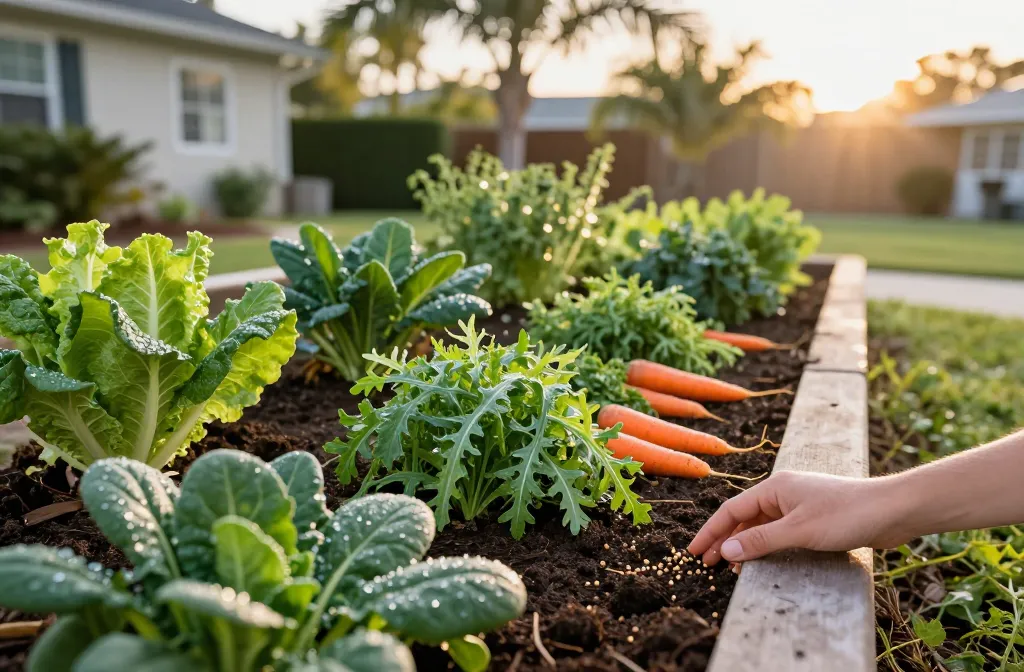
Cold snap? Meh. Southern gardens don’t care. January serves up prime sowing weather across Florida and the Gulf Coast, and your seed stash is itching to be used. We’re talking crisp greens, sweet carrots, herbs that actually behave, and flowers that flex all spring. Ready to plant smarter and harvest earlier? Let’s dig in.
1. Cool-Season Greens That Practically Grow Themselves
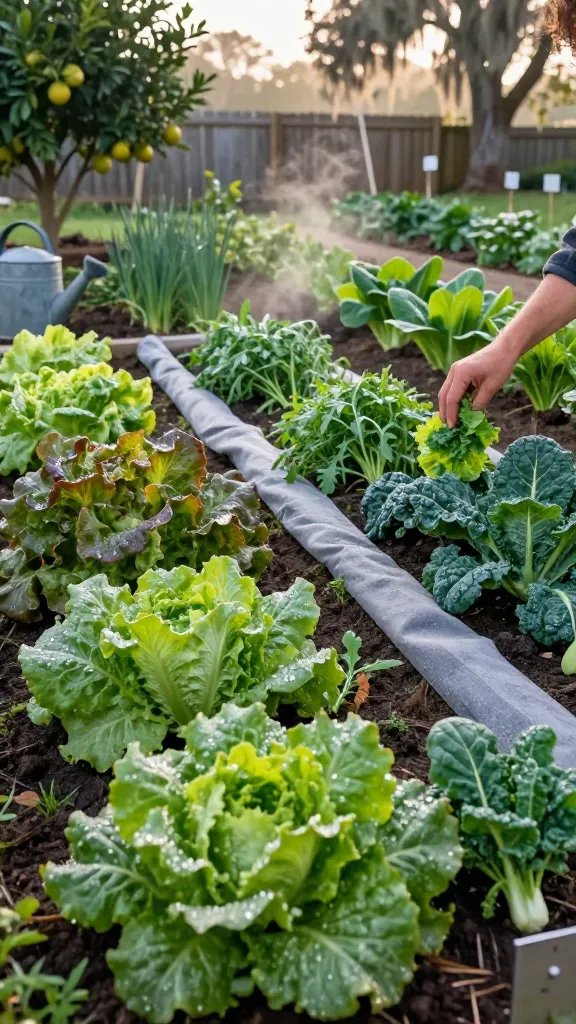
January belongs to leafy greens in Florida and the Deep South. The cooler air keeps leaves tender and slows pests so you get lush growth with minimal drama. Plus, quick harvests mean instant garden wins to start your year strong.
Top Picks To Sow Now
- Lettuces: Romaine, butterhead, and looseleaf blends
- Spinach: Savoyed types handle chilly nights best
- Arugula: Fast, peppery, and fancy in five weeks
- Kale & Collards: ‘Lacinato’, ‘Vates’, ‘Georgia’
- Asian Greens: Mizuna, tatsoi, pak choi
Planting Tips
- Timing: Sow every 2 weeks for a steady salad pipeline through spring.
- Spacing: Dense for baby leaves (1 inch apart), wider for heads (8–12 inches).
- Soil: Rich, well-drained beds with compost. Greens love nitrogen—feed lightly every 3–4 weeks.
- Sun: Full sun now; partial shade works too, especially in South Florida.
- Frost: Light frosts sweeten flavor. Toss on a row cover if a hard freeze threatens.
Why now? You’ll harvest before heat and bugs crash the party. Expect quick cut-and-come-again harvests and absurdly fresh salads. Your grocery bill will notice.
2. Root Veggies For Sweet, Crunchy Harvests
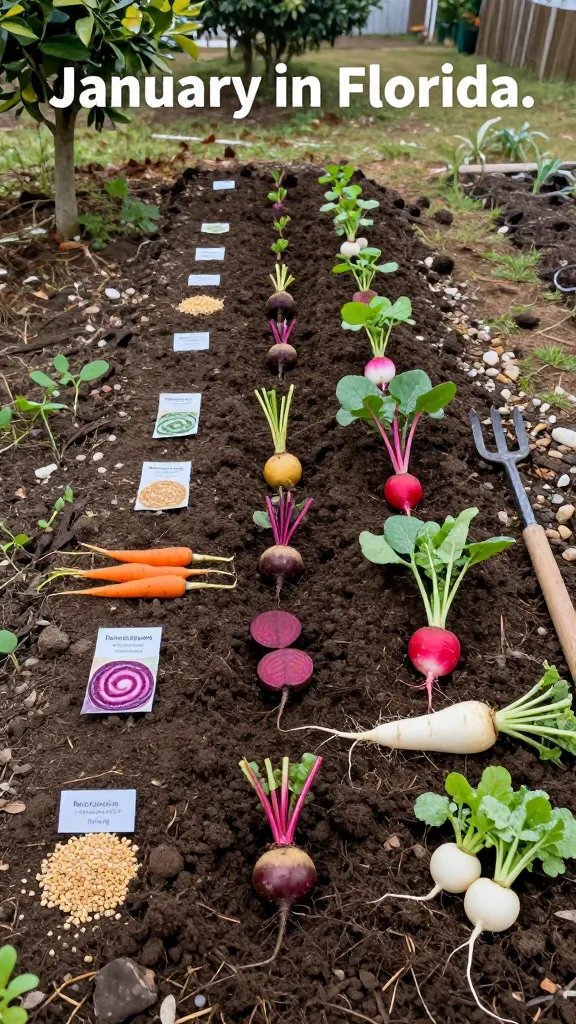
Cool soil = sugary roots. January gives carrots and their crunchy cousins the exact conditions they crave. If you’ve struggled with stubby carrots, this is your redemption arc.
Root Rockstars
- Carrots: ‘Nantes’, ‘Danvers’, and mini ‘Parisian’ for stubborn soils
- Beets: ‘Chioggia’, ‘Detroit Dark Red’, ‘Golden’ for less mess
- Radishes: French Breakfast, Cherry Belle, and daikon for pickling
- Turnips: ‘Hakurei’ salad turnips = candy on a plate
How To Nail It
- Prep: Loosen soil 10–12 inches. Remove rocks. Mix in compost, not manure (it forks roots).
- Sowing: Direct-seed only. Thin ruthlessly; crowded roots sulk.
- Water: Keep the top inch of soil moist until germination (carrots take patience—10–20 days).
- Spacing: Final spacing 2–3 inches apart for most; daikon needs 4–6 inches.
- Mulch: Light layer to lock moisture and prevent crusting.
Bonus: Harvest radishes in 25 days while carrots and beets size up. It’s the ultimate staggered snack plan, FYI.
3. Herbs You’ll Actually Use (And They’ll Actually Thrive)
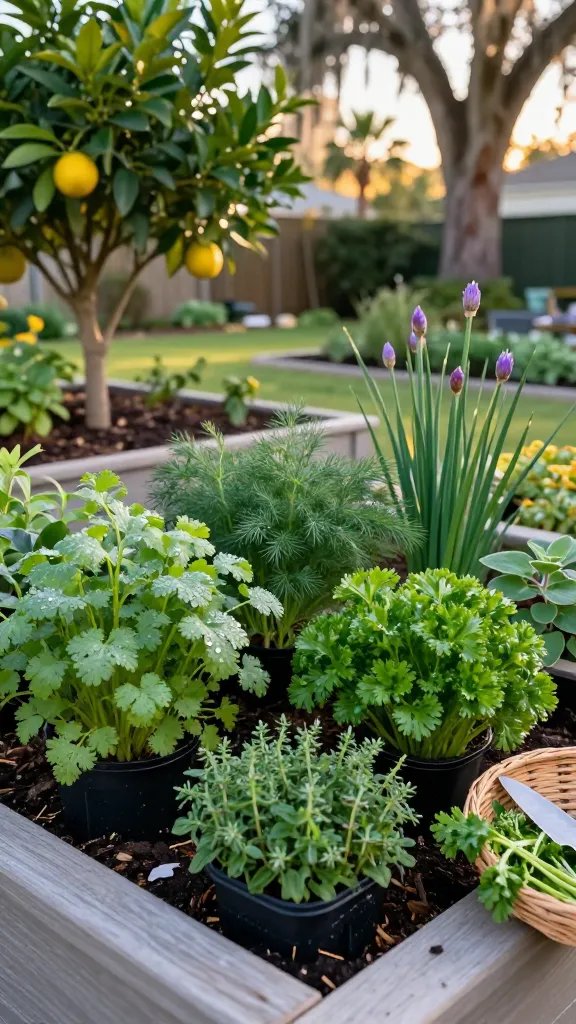
January herb gardens smell like victory. Cooler temps tame bolting and you get steady growth without the mosquito cloud. Whether you cook, cocktail, or both, herbs earn their keep year-round down south.
Best Herbs To Start Now
- Cilantro: Slow-bolt types like ‘Santo’ and ‘Calypso’
- Dill: ‘Bouquet’ for pickling, ‘Fernleaf’ for containers
- Parsley: Flat-leaf ‘Giant of Italy’ or curly for garnish vibes
- Chives: Garlic or onion types—so easy
- Thyme & Oregano: Prefer cool starts for strong roots
Planting Notes
- Direct-Seed vs. Transplant: Cilantro and dill hate transplanting; sow them where they’ll live.
- Containers: Perfect for patios. Use a high-quality potting mix and a sunny spot.
- Water: Steady moisture, never soggy. Herbs pout in wet feet.
- Harvest: Snip early and often to keep plants compact and flavorful.
Plant these near walkways so you actually remember to use them. Instant flavor upgrade, zero stress. Seriously, once you taste homegrown cilantro, store-bought feels like a prank.
Quick Pairings That Slap
- Cilantro + Arugula: Taco salads that taste like a food truck.
- Dill + Beets: Roasted, herby, and downright addictive.
- Parsley + Lemon: Finishes everything from fish to pasta.
The payoff? Constant clippings without leaving your porch. That’s weeknight dinner magic.
4. Peas, Beans, And Friends For Climbing, Crunchy Goodness
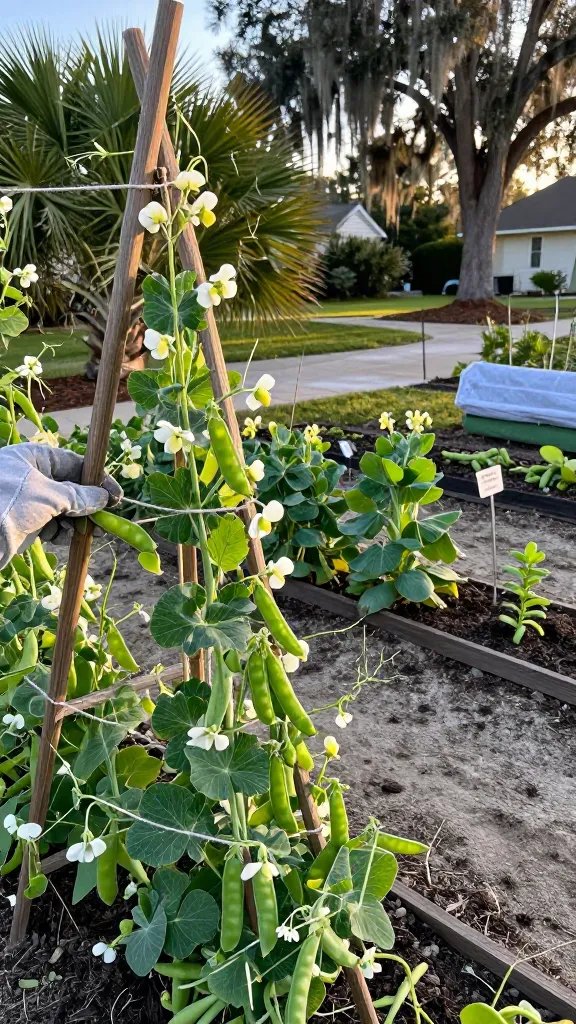
Vining crops bring drama and snacks. In Florida and much of the South, you can slip in cool-loving peas now, and in frost-safe zones, you can even start heat-tolerant beans toward month’s end.
What To Plant
- Snap Peas: ‘Sugar Ann’, ‘Sugar Snap’—sweet, crisp, addictive
- Snow Peas: Flat pods that stir-fry like a dream
- Fava Beans: For North/Central Florida and upper Gulf—rich and meaty
- Bush Beans: In South Florida only now; elsewhere, wait till danger of frost passes
Trellising & Care
- Support: Install trellises at planting—pea netting, cattle panels, or bamboo teepees.
- Soil: Well-drained and not too rich; peas self-fertilize with nitrogen-fixing bacteria.
- Inoculant: Optional but helpful for first-time legume beds.
- Water: Even moisture for flowering; stress kills yield fast.
- Frost Watch: Light cover if temps free-fall. Peas handle chill, flowers not so much.
You’ll harvest tender pods in 55–70 days, right when you need something crunchy for spring salads. Bonus points for vertical gardens that look wildly impressive with minimal effort, IMO.
Regional Snapshot
- South Florida (Zones 10–11): Go big on snap/snow peas now; trial bush beans late January.
- Central Florida (Zone 9): Peas and favas thrive; hold bush beans until late Feb.
- North Florida/Deep South (Zones 8–9): Peas now; protect from hard freezes with row cover.
Climbers save space and pump out produce. Perfect for small yards, balconies, and anyone who loves snackable harvests right off the vine.
5. Flowers And Companion Plants That Supercharge Your Garden
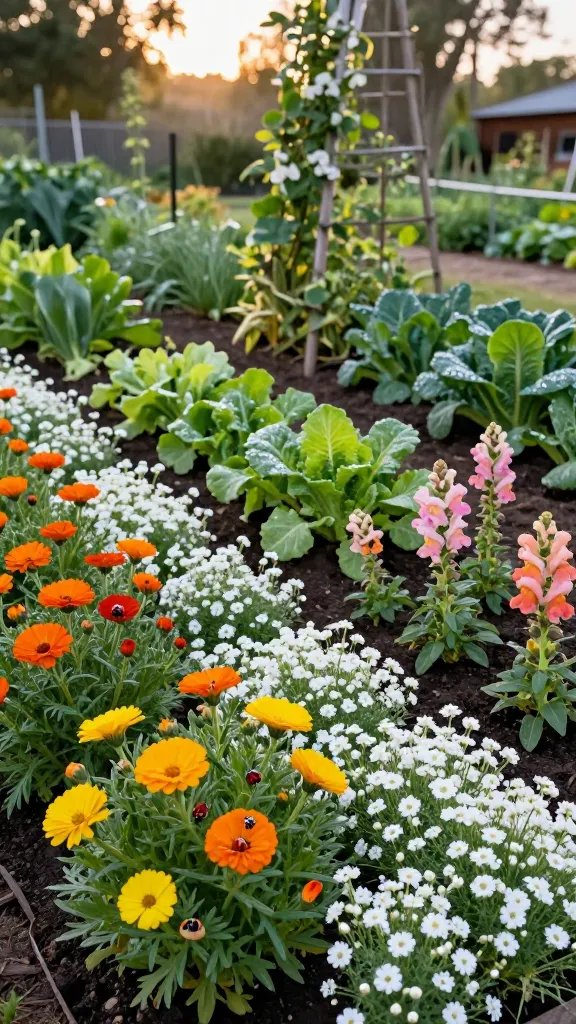
Want fewer pests and more pollinators without playing chemist? Sow strategic flowers now. They bring color, attract beneficial insects, and make your veggie beds look extra photogenic.
Bloomers To Start In January
- Calendula: Edible petals and natural pest deterrent
- Sweet Peas: Fragrant climbers—grow for scent, not snacking
- Snapdragons: Love cool weather and bloom for months
- Alyssum: Low, honey-scented carpet that beneficials adore
- Poppies (in cooler zones): Direct-seed for late-spring magic
- Nasturtiums (South FL now; others late winter): Edible leaves and flowers, pest-distracting queens
Companion Power Moves
- Calendula + Brassicas: Helps distract aphids from kale and broccoli cousins.
- Alyssum + Carrots: Attracts hoverflies whose larvae eat aphids. Garden justice.
- Nasturtiums + Cucumbers: In warmest zones now; elsewhere plant later for cucumber beetle control.
How To Plant
- Direct-Seed vs. Transplant: Calendula, poppies, and nasturtiums prefer direct sowing. Snapdragons and alyssum transplant well.
- Light & Soil: Full sun, good drainage. Don’t overfeed; too much nitrogen = floppy stems.
- Water: Even moisture to establish; then deep, infrequent watering builds resilience.
Result? A healthier ecosystem that looks gorgeous and works hard for your veggies. Your future self (and the bees) say thanks.
Ready to plant? January gives Florida and Southern gardeners a head start with greens, roots, herbs, climbers, and bloomers that thrive in cool weather. Start small, sow often, and celebrate those first harvests—nothing beats that crunch. Grab your seeds and go make your garden the happiest place in your zip code.