
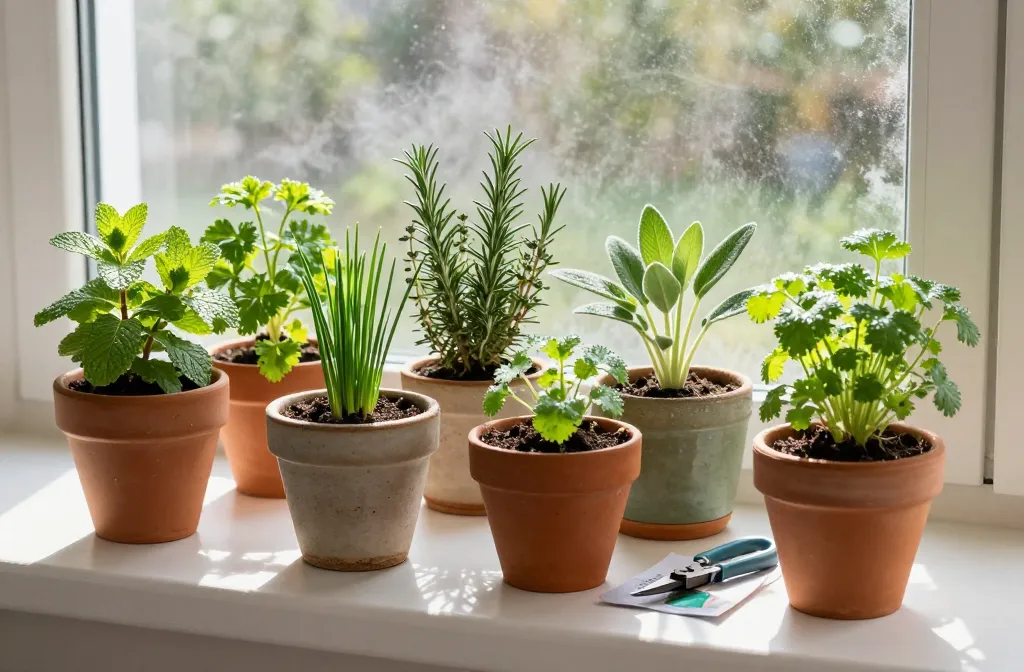
Cold hands, warm herbs. If you’re itching to garden before the daffodils even wake up, February container herbs bring instant green and sooner harvests. These tough, flavorful varieties laugh at late frosts and love a sunny windowsill or a stoop with bright light. Grab a few pots, a bag of mix, and let’s turn your cabin fever into pesto, tea, and herb butter—stat.
1. Mint Madness (Spearmint & Peppermint)
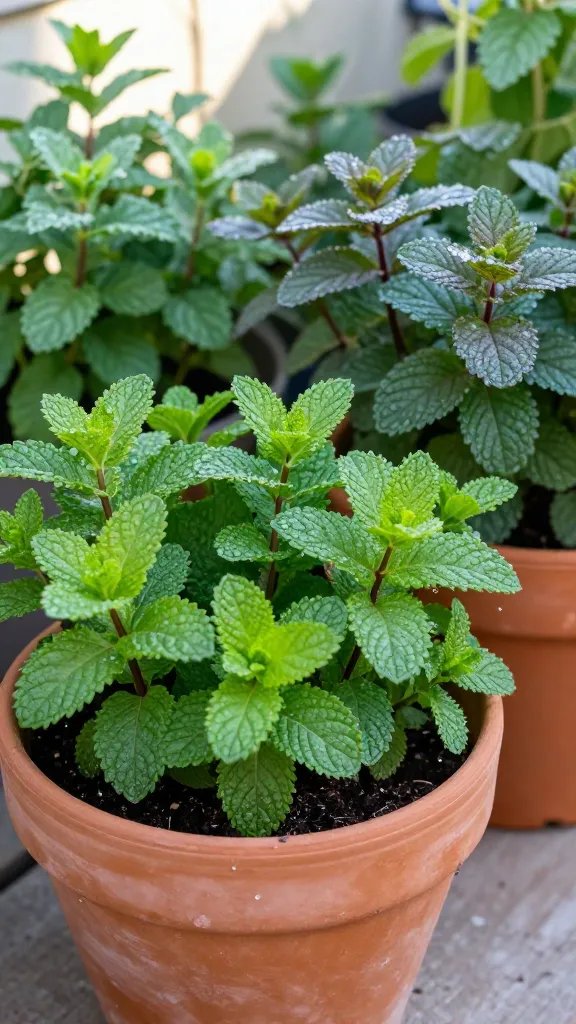
Want an herb that forgives forgetful watering and still tastes like a fresh breeze? Mint brings that big, bold flavor early and grows fast in cool temps. Containers keep its roots from invading everything—trust me, your future self will thank you.
Key Points
- Light: Bright indirect to partial sun; morning sun with afternoon shade works great.
- Cold Tolerance: Hardy roots; top growth may singe in frost but rebounds fast.
- Container: 8–12 inches wide with drainage; mint likes room to sprawl.
- Soil: Moist, rich potting mix with compost; never waterlog.
Start with divisions or starter plants in February. Snip often to keep stems tender and prevent legginess.
Pro Tips
- Water when the top inch feels dry; mint sulks if it dries to a crisp.
- Pinch off flower buds to keep flavor intense.
- Plant varieties separately—peppermint, spearmint, chocolate mint—so flavors stay true.
Use for teas, mojitos, yogurt raita, and spring fruit salads. Bonus: it freshens breath better than gum, IMO.
2. Chive Champions (Common & Garlic Chives)
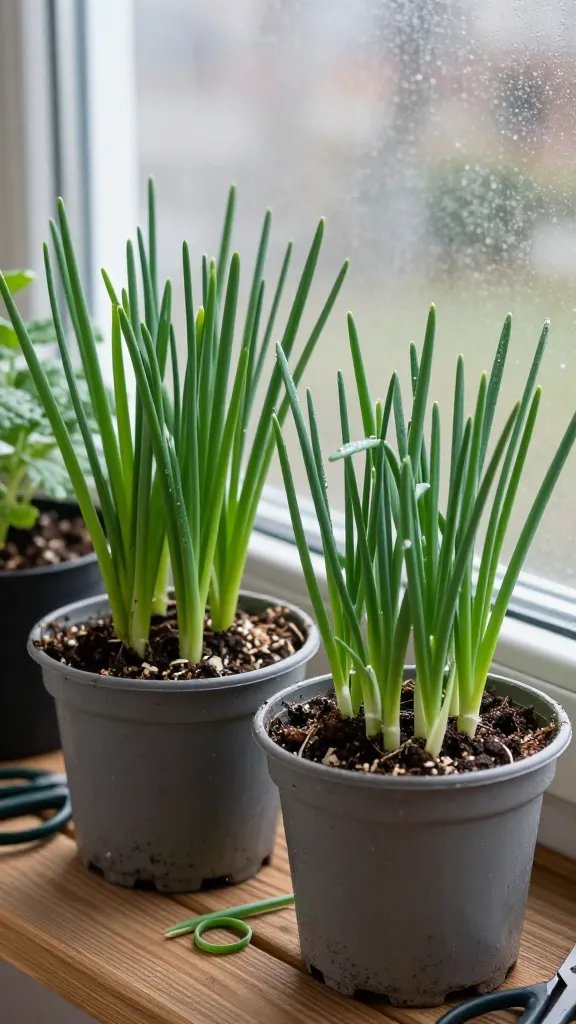
Chives are the confetti of the kitchen—snip and sprinkle on everything. They shrug off late chills and come back quickly after harvests, making them perfect for February pots.
Why They’re Awesome
- Cold Friendly: Perennial and tough; even if tips frost, new shoots pop right back.
- Compact: Perfect for small containers or window boxes.
- Flavor: Oniony zip (common) or soft garlicky vibe (garlic chives).
Container Setup
- Pot Size: 6–10 inches deep; clumps expand slowly.
- Soil: Well-drained mix; add a handful of compost.
- Light: Full sun to bright partial sun.
Start from divisions or nursery starts for faster spring harvests; seeds take longer in cool temps.
Harvest & Care
- Shear leaves to 2 inches when they reach 6–8 inches tall to encourage thick regrowth.
- Water evenly; they dislike bone-dry spells.
- Let a few blooms form later for edible purple pompoms—bees go nuts for them.
Toss on eggs, potatoes, dumplings, soups, and compound butter. They make every “meh” meal taste like you tried.
3. Parsley Power (Flat-Leaf & Curly)
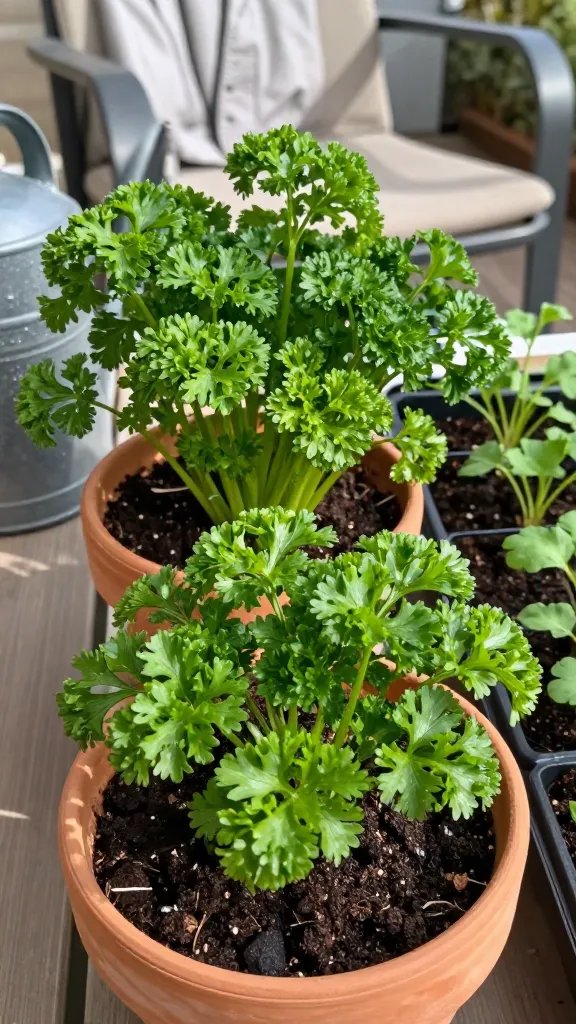
Parsley handles chilly air like a champ and slowly builds into a lush, cut-and-come-again fountain. Start it in February, and you’ll have flavorful sprigs ready before basil even wakes up.
Getting Started
- Type: Flat-leaf (Italian) for bold flavor; curly for frilly garnish and sturdy texture.
- Pot: 8–12 inches deep; parsley drives a long taproot.
- Light: Full sun preferred; bright partial sun still works.
- Soil: Rich, moisture-retentive mix; keep consistently damp, not soggy.
Seeds germinate slowly, so starter plants save time. If you love a challenge, soak seeds overnight and keep warm to speed them up.
Care Cheats
- Feed lightly with a balanced liquid fertilizer every 3–4 weeks.
- Harvest outer stems at the base—never scalp the center crown.
- Protect from hard overnight freezes with a cloche or bring containers indoors.
Chop into tabbouleh, gremolata, sauces, and salads. It brightens flavors like a squeeze of lemon—seriously, it’s the unsung hero of herb land.
4. Thyme In A Pot (English, Lemon, And Creeping)
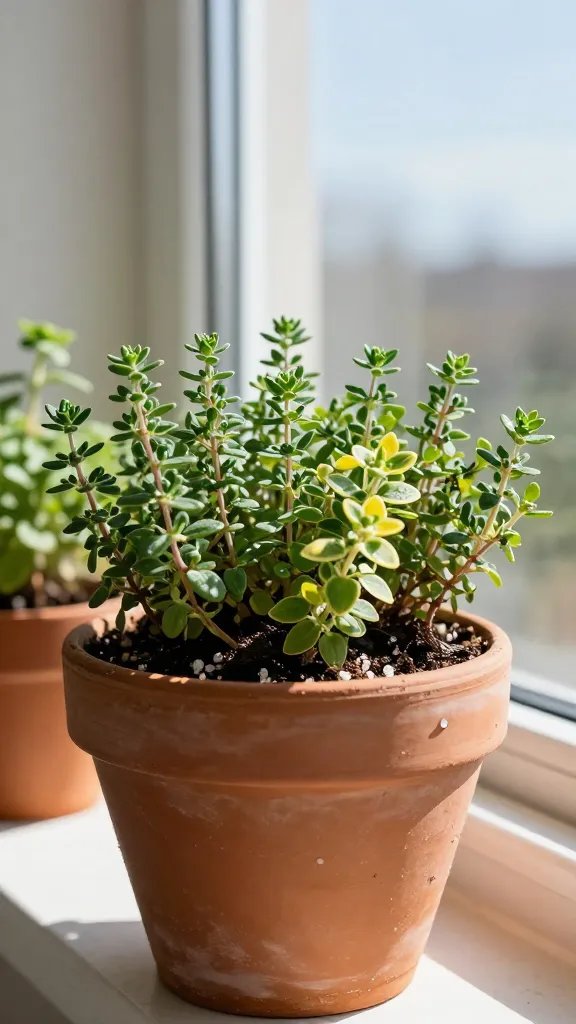
Thyme laughs at cold snaps and keeps its tiny leaves fragrant year-round. It’s low-maintenance, drought-tolerant once settled, and a total flavor bomb for early roasted veggies and chicken.
Container & Light
- Pot: 6–8 inches deep, wide and shallow with excellent drainage.
- Soil: Gritty mix—blend potting soil with perlite or coarse sand.
- Light: Full sun is best; a bright south-facing window works indoors.
Plant small starts in February; they root and knit into the soil while temperatures stay cool.
Care & Harvest
- Water sparingly; let the top 2 inches dry between drinks.
- Trim light woody tips to keep plants compact and leafy.
- Lemon thyme adds citrus notes—amazing with fish and roasted carrots.
Use fresh in marinades, compound butter, and pan sauces. It’s the “I can cook” herb that makes weeknights taste fancy.
5. The Cool Kids: Cilantro, Dill, And Arugula-Adjacent Rocket Boost
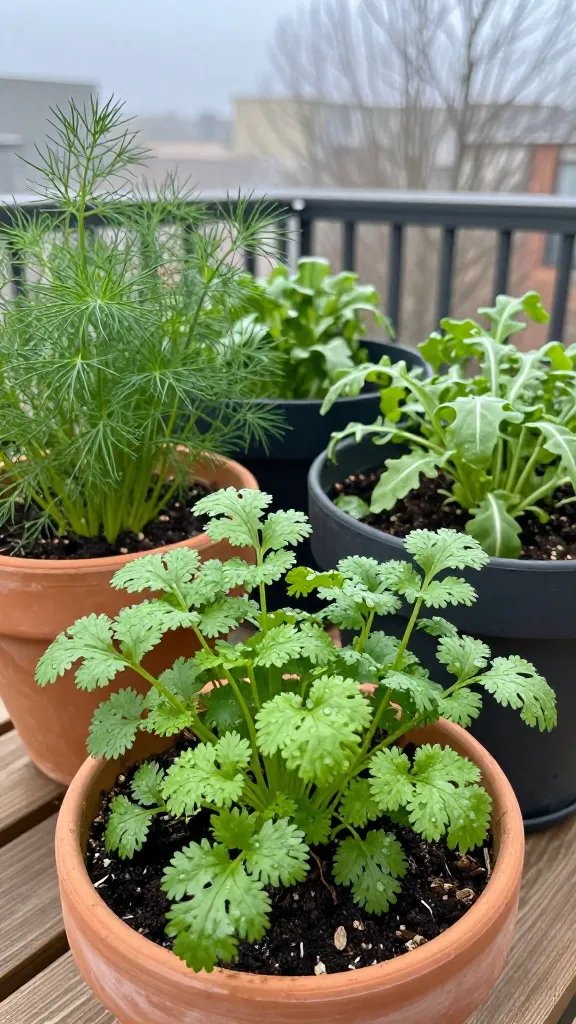
Okay, this is the fast-and-furious crew. These herbs love cool weather and bolt when heat arrives, so February containers give you a head start and weeks of epic flavor.
Cilantro (Coriander)
- Why Now: Prefers cool temps; early sowing delays bolting.
- How: Direct-sow thickly in 8–10 inch pots; succession sow every 2–3 weeks.
- Light: Full sun to bright partial sun.
- Water: Even moisture; dry soil triggers bolt mode.
- Harvest: Cut outer stems or shear a third at a time; use tender stems too.
Use in salsas, curries, chutneys, and herby yogurt sauces. FYI, once it bolts, collect coriander seeds for spice.
Dill
- Why Now: Cool air = tender fronds and slower bolting.
- How: Direct-sow in a deep 10–12 inch pot; hates transplanting.
- Support: Stake taller varieties lightly to prevent flopping in late winds.
- Harvest: Snip fronds as needed; leave some for pollinators and pickling seeds later.
Perfect for fish, potatoes, tzatziki, and pickles. The smell alone makes your kitchen feel like a Nordic spa.
Rocket (Arugula) For Herb Energy
- Why Include It: Not a classic “herb,” but it acts like one—peppery, fast, and fabulous in herb mixes.
- How: Sow thickly in shallow trays or 6–8 inch pots; cut baby leaves in 3 weeks.
- Light & Water: Bright sun, steady moisture for mild, tender leaves.
Toss into chimichurri, pesto blends, or pile on pizza after baking. When it bolts, eat the flowers—they’re peppery fireworks.
Container Combo Ideas
- Mint Solo: Always give mint its own pot—no roommates.
- Thyme + Parsley: Works if you keep watering balanced; thyme on the drier side, parsley gets the edge.
- Chives + Cilantro: Short-term spring duo; both like steady moisture and cool air.
These cool-season speedsters give you big flavor before the heat lovers arrive. Plant now, feast sooner, and brag a little.
Ready to play garden DJ with your February containers? Pick two or three herbs you’ll actually use, give them drainage and bright light, and start snipping in a few weeks. Early spring flavor hits different—once you taste it, you’ll plant even earlier next year, no hesitation.