
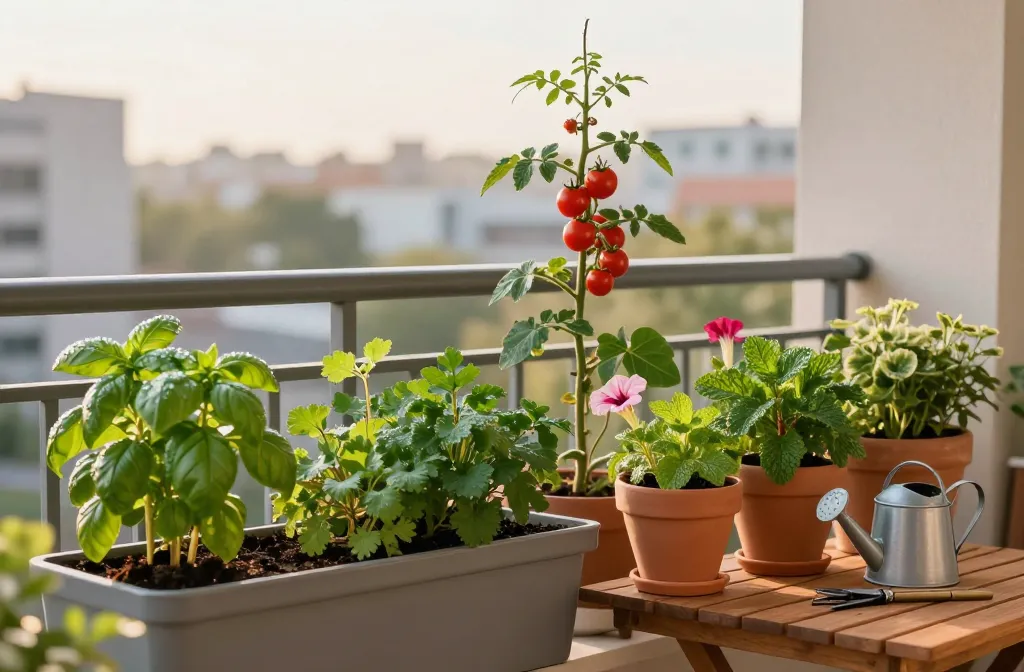
February in a warm climate is prime time to get a balcony jungle going. You don’t need raised beds or a yard—just sunlight, a few containers, and plants that actually like this early-season heat. Below, you’ll find exactly what to grow now, how to pot it, and how to keep everything alive when temps swing from cool mornings to toasty afternoons. Ready to turn your railings into a snack bar and flower show?
We’re talking herbs that explode with flavor, blooms that attract pollinators, and veggies that won’t sulk in pots. Short on space? No problem. These picks love vertical setups, railing boxes, and sunny corners.
1. Herb Hustle: Basil, Cilantro, Parsley, And Mint (4 Plants, Endless Flavor)
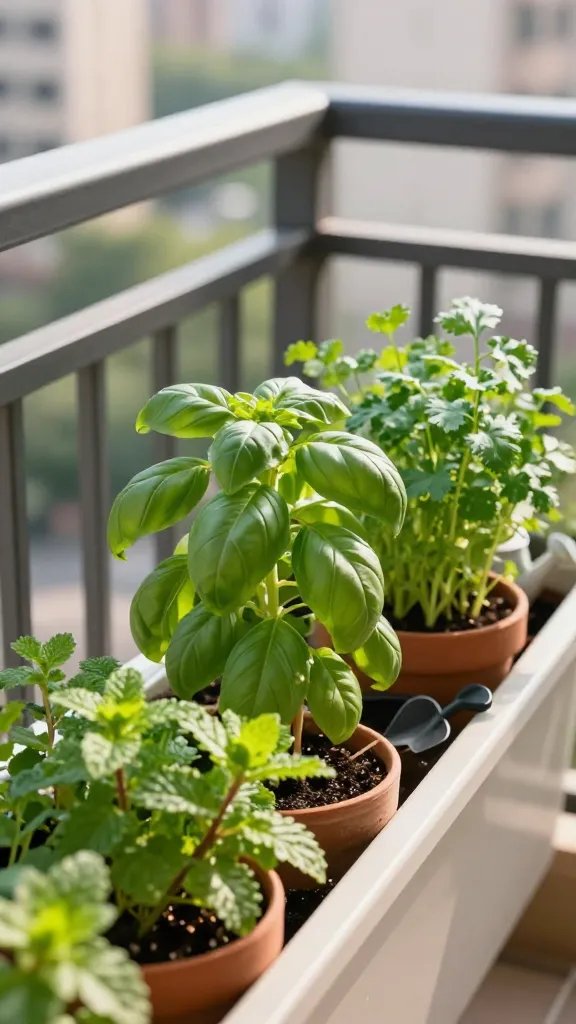
Herbs earn the MVP spot because they grow fast, forgive missed waterings (well, except basil), and make your meals taste restaurant-level. In warm February climates, you can start most herbs now and harvest within weeks. Plus, their compact roots make them ideal for railing boxes or small pots.
Why These Work Now
- Basil loves warmth and starts strong now with a little afternoon shade if temps spike.
- Cilantro prefers cooler mornings; sow thickly for cut-and-come-again bunches.
- Parsley stays steady and lush; great for partial sun balconies.
- Mint thrives in containers (and should stay in one—trust me, it’s a spreader).
Container And Care Tips
- Pot size: 8–10 inches per herb or a 24–30 inch trough for a mixed herb box.
- Soil: Light, well-draining mix with added perlite; herbs hate soggy roots.
- Water: Keep evenly moist; basil needs the most, mint tolerates a bit of neglect.
- Sun: 4–6 hours; give cilantro the coolest spot and basil the warmest.
Harvest often and pinch flowers off basil to keep it leafy. These four alone can power salads, pastas, and mint tea all month.
2. Salad Stars: Lettuce Mixes, Arugula, And Spinach (3 Plants For Fast Bowls)
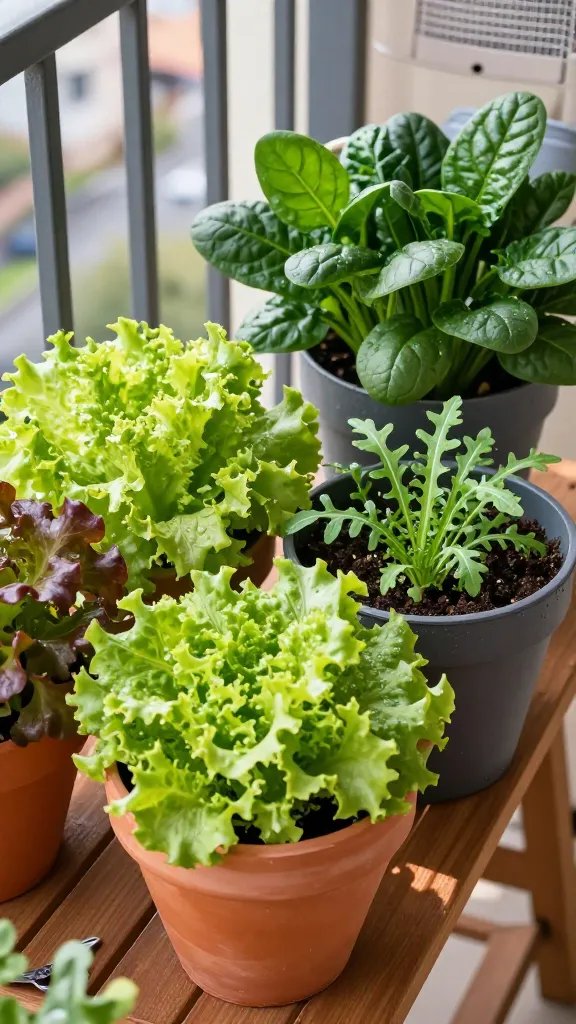
Want instant gratification? Grow a cut-and-come-again salad bar. In warm-winter zones, February still gives you cool-enough mornings for tender greens that bounce back after every haircut.
Quick-Start Plan
- Lettuce mixes: Choose “baby leaf” blends. They regrow in 10–14 days after cutting.
- Arugula: Peppery, quick, and container-friendly; harvest small for best flavor.
- Spinach: Thrives in cooler mornings; keep it shaded when afternoons heat up.
Container And Care Tips
- Pot size: 6–8 inches deep, wide bowls or window boxes are perfect.
- Spacing: Broadcast-sow seeds and thin with your salad bowl—yes, eat the thinnings.
- Water: Consistent moisture equals tender leaves; never let them fully dry.
- Sun: 3–5 hours gentle sun or bright indirect light; use shade cloth if needed.
These greens give you nonstop harvests and keep grocery trips to a minimum. FYI: Arugula wins for speed; spinach wins for nutrition.
3. Balcony Showstoppers: Cherry Tomatoes, Peppers, And Bush Beans (3 Compact Veggies)
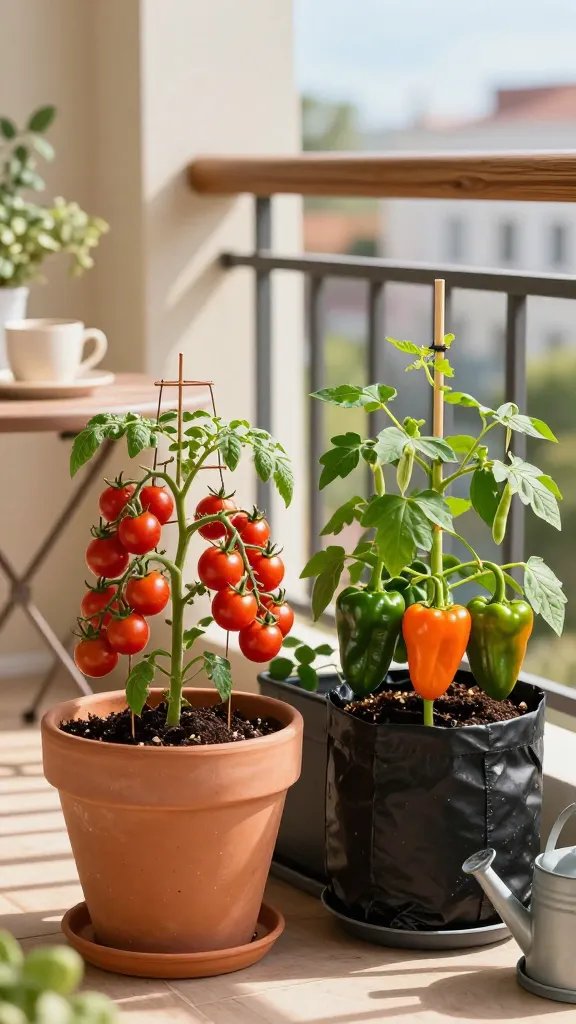
Craving real “I grew that” bragging rights? These compact veggies love containers and warm days. They bring color, constant action, and honest-to-goodness snacks right where you sip your morning coffee.
Best Balcony Varieties
- Cherry tomatoes: Look for patio types like ‘Tiny Tim,’ ‘Tumbling Tom,’ or ‘Sweet 100.’
- Peppers: ‘Shishito,’ ‘Lunchbox,’ or compact jalapeños handle pots like champs.
- Bush beans: ‘Provider’ or ‘Mascotte’ stay tidy and set beans quickly.
Container And Care Tips
- Pot size: Tomatoes 5+ gallons; peppers 3–5 gallons; bush beans 2–3 gallons.
- Support: Add a small cage or stakes at planting—don’t wait until the jungle forms.
- Soil: Fluffy potting mix with compost; add slow-release organic fertilizer at planting.
- Water: Deep, less frequent waterings; tomatoes hate the yo-yo (cracked fruit city).
- Sun: 6–8 hours; morning sun + afternoon dappled shade keeps them happy in heat.
Pro Moves
- Tomatoes: Remove lower leaves for airflow and mulch the soil surface to reduce splash.
- Peppers: They set more fruit with steady warmth; don’t over-fertilize or you’ll get leaf forests.
- Beans: Succession sow every 2–3 weeks in February and March for continuous pods.
These three make your balcony feel like a mini farm stand. Small footprint, big flavor payoff.
4. Pollinator Magnets: Marigolds, Nasturtiums, And Lavender (3 Plants With Perks)
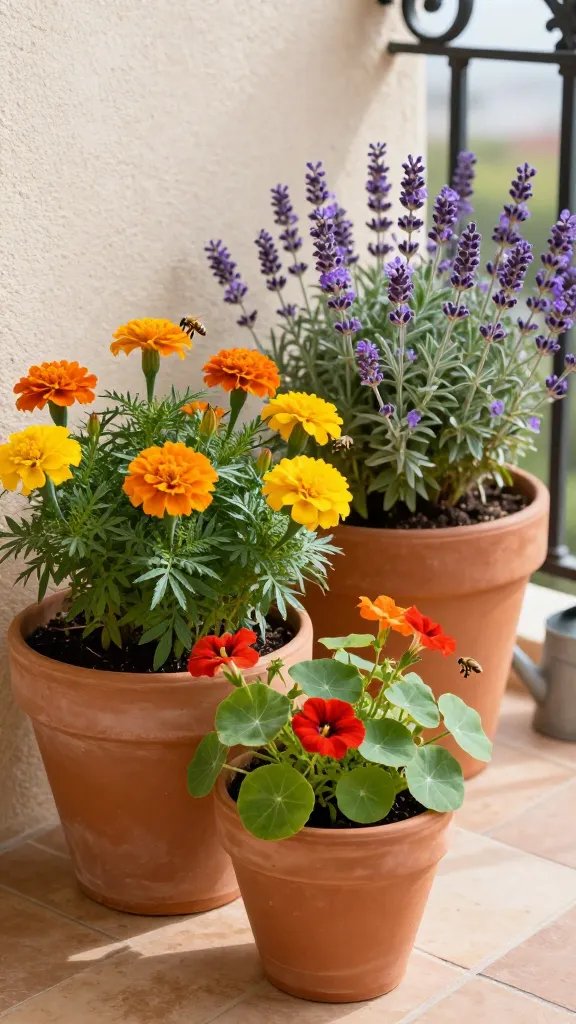
Flowers aren’t just for looks—they bring bees, hoverflies, and good vibes. These picks also help with pest pressure and double as edible beauty or fragrant calm.
Why These Rock
- Marigolds: Bright, tough, and helpful for deterring some pests. Great border plant.
- Nasturtiums: Trailing or bushy; edible leaves and flowers with a peppery kick.
- Lavender: Fragrant, drought-tolerant, and beloved by pollinators. Mediterranean queen.
Container And Care Tips
- Pot size: 8–10 inches for marigolds/nasturtiums; 10–12 inches (or larger) for lavender.
- Soil: Lavender demands gritty, fast-draining mix; nasturtiums prefer leaner soil for more blooms.
- Sun: 6+ hours. These are your front-row, full-sun performers.
- Water: Let the top inch dry out between waterings; lavender wants the driest schedule.
Smart Companions
- Edge tomato or pepper pots with marigolds.
- Let nasturtiums trail from hanging baskets and railing boxes for instant charm.
- Place lavender near seating for that breezy, stress-melting scent.
Beyond the pretty factor, these flowers turbocharge pollination for your fruiting veggies. Plus, nasturtium flowers on a salad? Chef’s kiss.
5. Heat-Loving All-Stars: Eggplant, Cucumbers, And Strawberries (3 For Summer-Ready Wins)
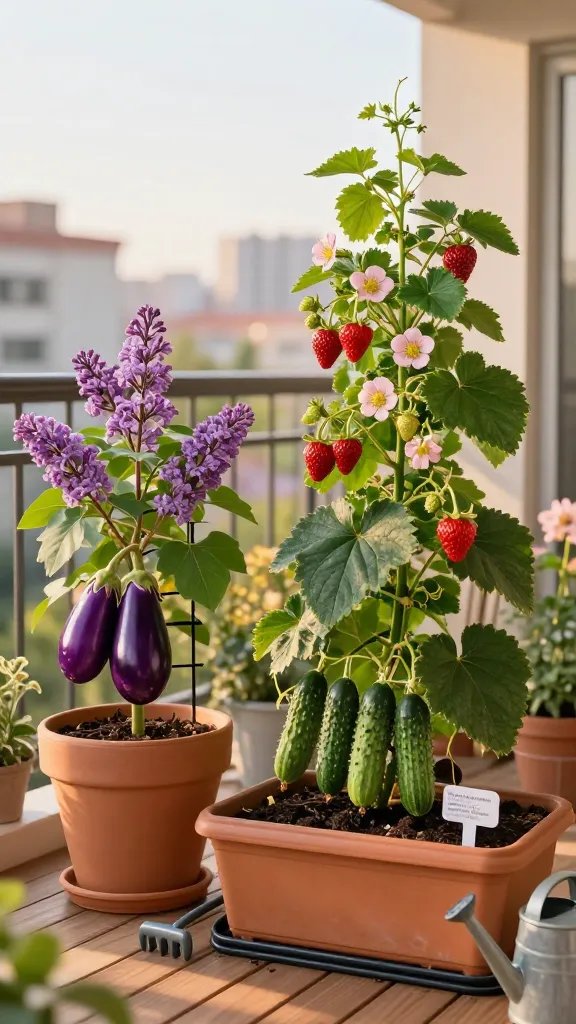
Want to plant now and ride the momentum into spring and early summer? These heat lovers establish beautifully in February warmth. Give them room and they’ll pay you back with glossy fruit and constant snacks.
Variety Picks
- Eggplant: Compact types like ‘Patio Baby’ or ‘Fairy Tale’ set fruit early.
- Cucumbers: Bush or container types like ‘Bush Slicer,’ ‘Patio Snacker,’ or ‘Spacemaster.’
- Strawberries: Day-neutral or everbearing (e.g., ‘Albion,’ ‘Seascape’) for months of berries.
Container And Care Tips
- Pot size: Eggplant 4–5 gallons; cucumbers 5 gallons with a trellis; strawberries 8–10 inch pots or tiered planters.
- Support: Trellis cucumbers up a balcony rail or a slim A-frame to save space.
- Soil: Rich potting mix with compost; incorporate a slow-release balanced fertilizer.
- Water: Keep steady—cucumbers and strawberries protest with bitter or small fruit if you slack.
- Sun: 6–8 hours; shield strawberries during extreme heat to protect flowers.
Pro Moves
- Eggplant: Warm roots equal faster growth—dark pots or a heat-reflecting wall help.
- Cucumbers: Mulch the soil surface to reduce powdery mildew splash and conserve moisture.
- Strawberries: Snip runners if you want bigger berries; let a few root if you want more plants.
These three set you up for that first warm-evening harvest. IMO, nothing beats a sun-warm strawberry straight from your own railing planter.
Quick February Setup Checklist
- Containers: Choose pots with multiple drainage holes. Bigger pots = fewer water swings.
- Soil: Use high-quality potting mix, not garden soil. Add perlite for drainage.
- Fertilizer: Mix slow-release at planting; supplement with liquid feed every 2–3 weeks.
- Watering: Morning watering wins. Use saucers sparingly—dump standing water.
- Sun Management: Track light for a day. Shift pots to match each plant’s vibe.
- Pest Watch: Check undersides of leaves weekly. Neem or insecticidal soap handles most issues.
- Airflow: Don’t cram pots; leave a hand’s width between containers to reduce disease.
Plant Placement Ideas For Small Balconies
- Top rail: Railing boxes with herbs and baby greens for easy cuts.
- Corners: Large pots for tomatoes, peppers, or eggplant with cages.
- Vertical: Trellised cucumbers along the sunniest wall.
- Hanging: Nasturtiums or strawberries for pretty, edible cascades.
- Front row: Marigolds and lavender to charm pollinators and neighbors.
Water-Smart Hacks (Because It Gets Hot)
- Add a 1–2 inch mulch layer (shredded bark, straw, or coconut coir chips) to cut watering in half.
- Group thirstier plants (tomatoes, cucumbers) so you can water on the same schedule.
- Use a small wand or drip stakes for even soak; avoid blasting soil off roots.
Timing Notes For Warm Zones
- Start herbs and greens immediately; sow every 2 weeks for steady harvests.
- Plant tomatoes, peppers, and eggplant after your nights reliably sit above 50°F.
- Sow bush beans and cucumbers as soon as soil in pots feels warm to the touch by midday.
- Strawberries go in now so roots establish before serious heat arrives.
Bottom line? These 12 plants turn a warm-climate balcony into a flavor factory and flower bar fast. Pick a few from each group, mix in smart containers, and you’ll be harvesting before your friends even buy seed packets—seriously.
You’ve got this. Start small, water smart, and enjoy your February mini oasis. When the first cherry tomato pops and the lavender smells like vacation, you’ll wonder why you didn’t do this sooner.