
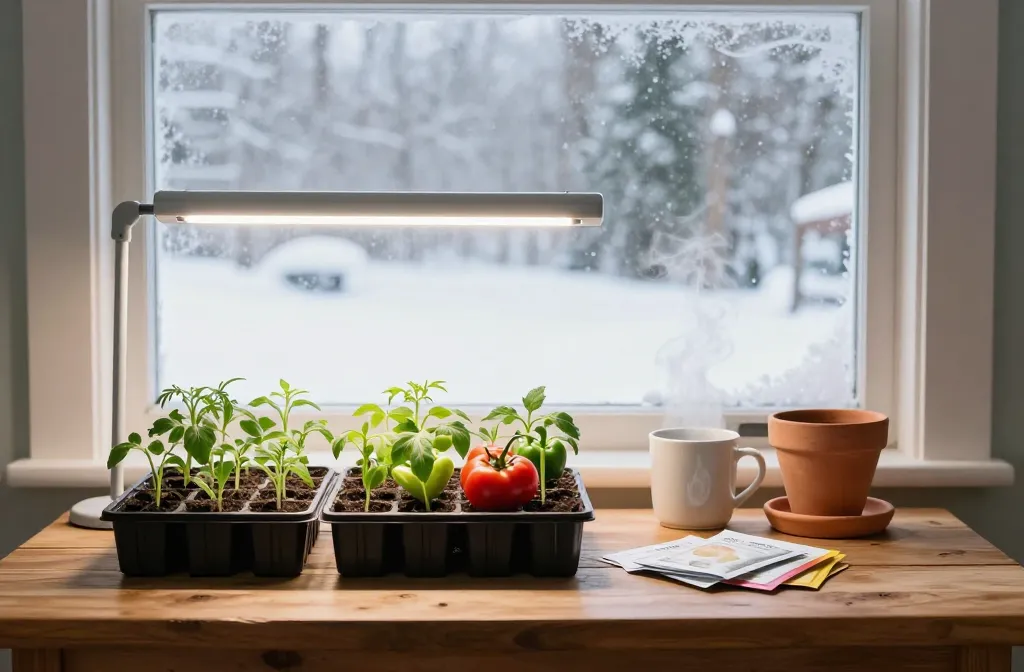
Snow outside? Perfect. February is prime time to jump-start your veggie patch indoors and get a smug head start on spring. We’re talking faster harvests, stronger plants, and zero wrestling matches with cold, soggy soil. Grab a tray and a grow light—these ten winners love an early start and will pay you back all season.
We’ll keep it simple, scannable, and practical. You’ll know what to sow now, how to keep seedlings happy, and when to kick them out to the garden. Ready to flex your green thumb? Let’s go.
1. Tomatoes: The Headliners You’ll Brag About
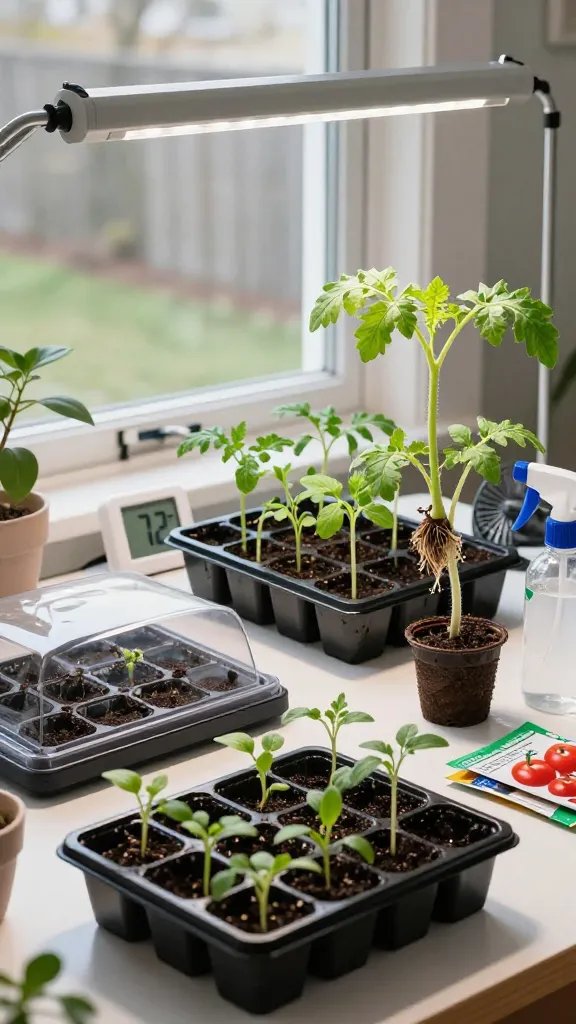
Tomatoes love a long runway, and February gives them exactly that. Start them now and you’ll harvest earlier, get sturdier stems, and dodge the sad, leggy seedling drama.
Tips
- Start 6–8 weeks before your last frost date.
- Keep temps around 70–75°F for germination; 60–70°F under lights after sprout.
- Give 14–16 hours of strong light daily; place lights 2–3 inches above tops.
- Pot up once true leaves appear; bury stems deep to encourage roots.
Want slicers, cherries, or pastes? Start a mix. Early seeding means earlier BLTs, sauces, and smug “first tomato” photos.
2. Peppers: Spicy Divas That Need Extra Time
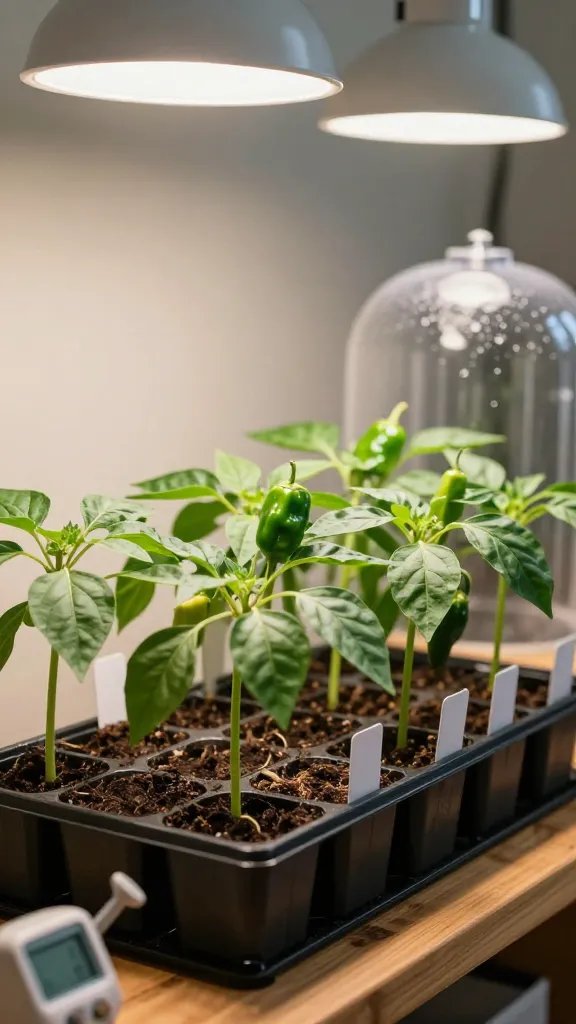
Peppers take their sweet time, but February gives them the heat and patience they crave. From bells to jalapeños to habaneros, you’ll get better yields if you start now.
Key Points
- Germination loves warmth: 80–85°F with a heat mat speeds things up.
- Light needs mirror tomatoes: strong and close for 14–16 hours.
- Don’t overwater; let the top surface dry slightly between waterings.
These sun-lovers appreciate a slow, warm upbringing. Start early for bigger plants that shrug off summer slumps.
3. Onions: Big Bulbs Start With Tiny Threads
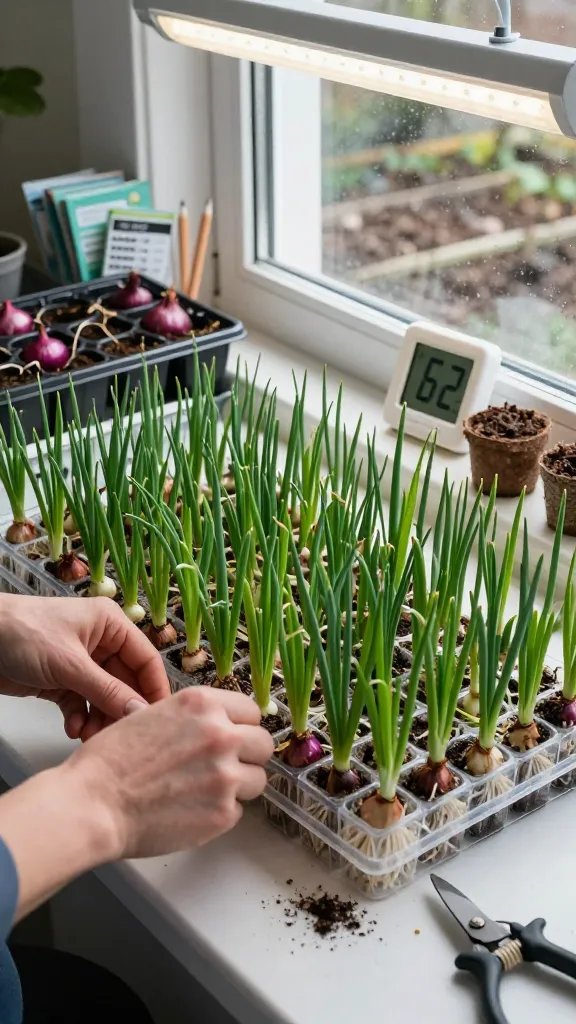
Dreaming of baseball-sized onions? Start from seed in February. You’ll get stronger bulbs, more varieties, and better storage than sets.
How-To
- Sow thickly in flats; snip tops to 3–4 inches to keep them tidy.
- Cooler temps are fine: 60–65°F with bright light.
- Harden off and transplant when soil is workable and seedlings are pencil-thick.
Whether you want sweet, red, or storage champs, February-sown onions deliver size and staying power. FYI: day-length matters—choose the right type for your region.
4. Leeks: The Classy Cousins That Never Bolt Early
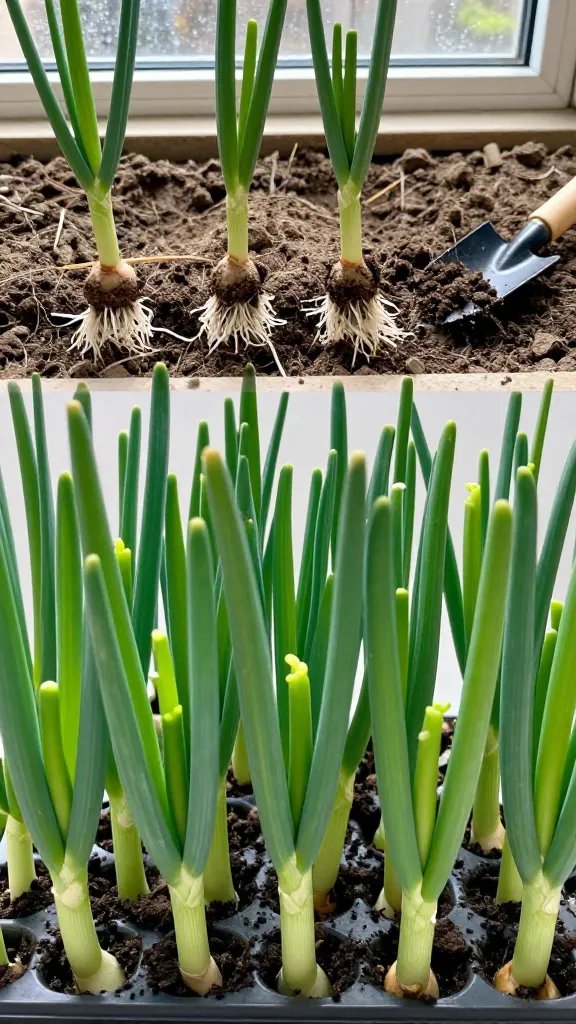
Leeks grow slow and steady, so getting them started now is a power move. They handle cool weather and add rich, buttery flavor to everything.
Tips
- Sow densely in a deep tray; trim foliage to keep 3–4 inches.
- Transplant into trenches and backfill gradually to blanch the stems.
- Cool, bright conditions keep them stocky and happy.
Leeks forgive chilly springs and reward patience with long, tender shanks. Start in February for all-season elegance in soups and roasts.
5. Cabbage: Spring Workhorse With Zero Drama
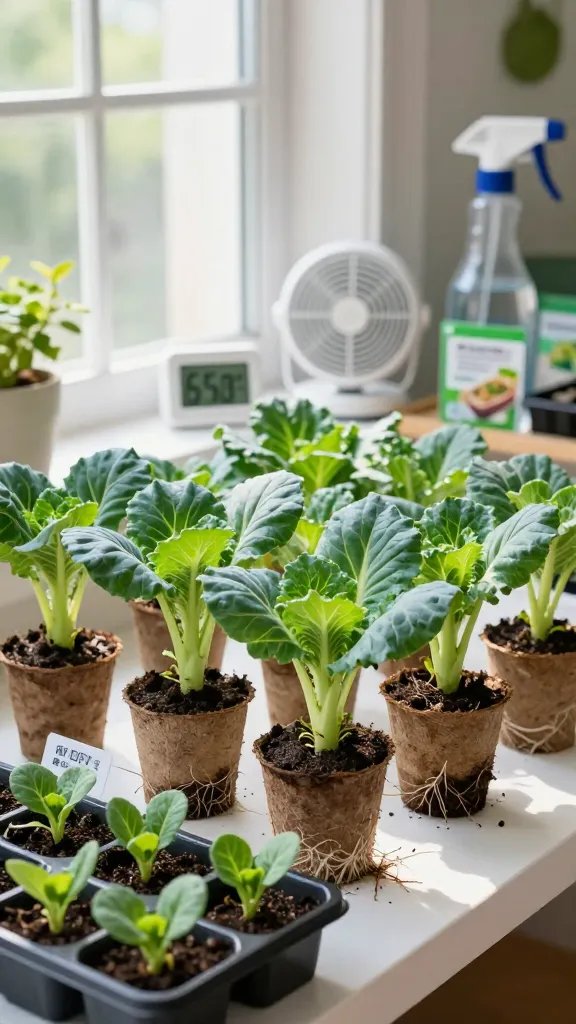
Cabbage loves cool weather, and February starts set you up for crisp spring heads before heat arrives. It’s hardy, unfussy, and doesn’t mind a cold snap once hardened off.
Key Points
- Germinate at 65–70°F; grow on at 55–65°F to prevent legginess.
- Transplant 4–6 weeks after sowing, before roots spiral.
- Use strong light and a fan to toughen stems.
From slaws to stir-fries, these spring champs shine when heat-sensitive crops sulk. Start early and harvest before pests get nosy.
6. Broccoli: Floret Factory That Loves February
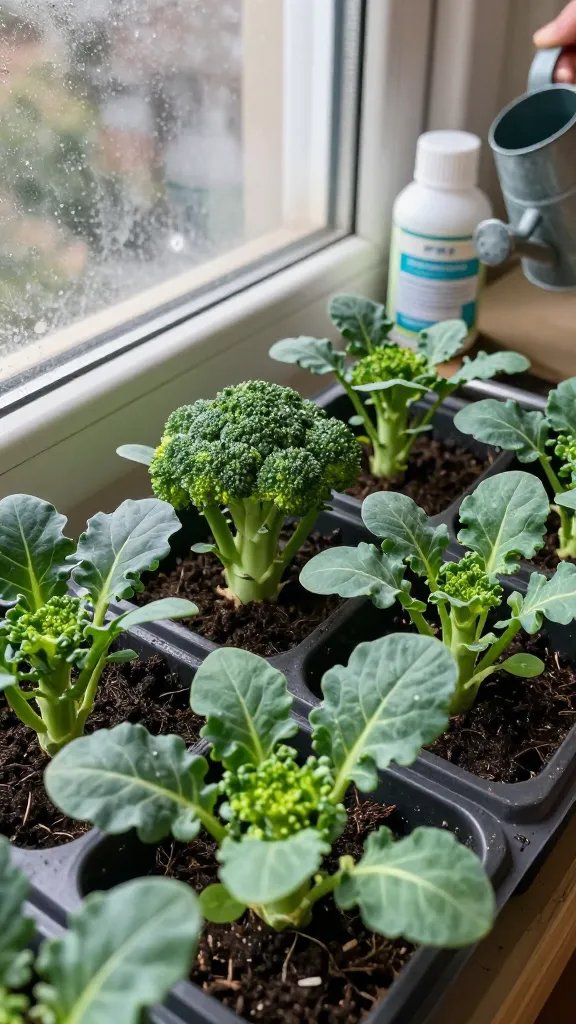
Broccoli thrives in the cool shoulder season. Start in February to nail big central heads and robust side shoots before hot weather spoils the party.
Tips
- Keep seedlings cool and bright to avoid stretching.
- Transplant 4–6 weeks after sowing, when plants have 4–6 true leaves.
- Feed lightly with a balanced fertilizer after transplant for steady growth.
Want consistent harvests? Stagger a second sowing two weeks later. You’ll thank yourself when you’re drowning in crunchy greens.
7. Cauliflower: The Drama Queen Worth The Effort
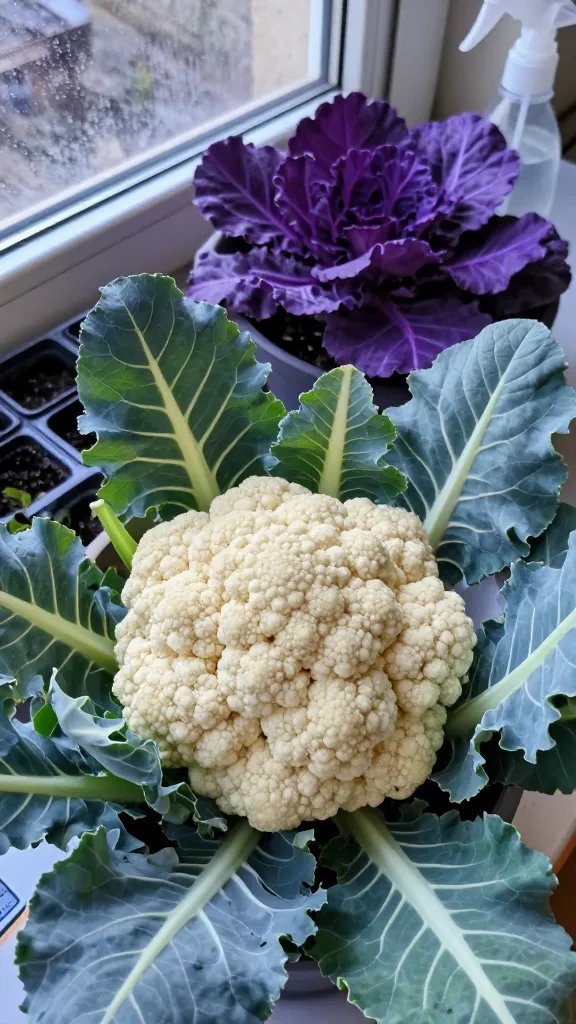
Cauliflower can be fussy, but a February start gives you the control it needs. Cool conditions and steady moisture keep heads tight and pretty.
Key Points
- Sow in cells to reduce root disturbance—cauliflower hates drama.
- Grow cool (55–65°F) with intense light.
- Blanch self-blanching varieties if needed by tying leaves over curds.
Plant early, harvest before heat spells, and enjoy flawless white domes or artsy purple varieties. Seriously satisfying.
8. Kale: The Easy Button For Early Greens
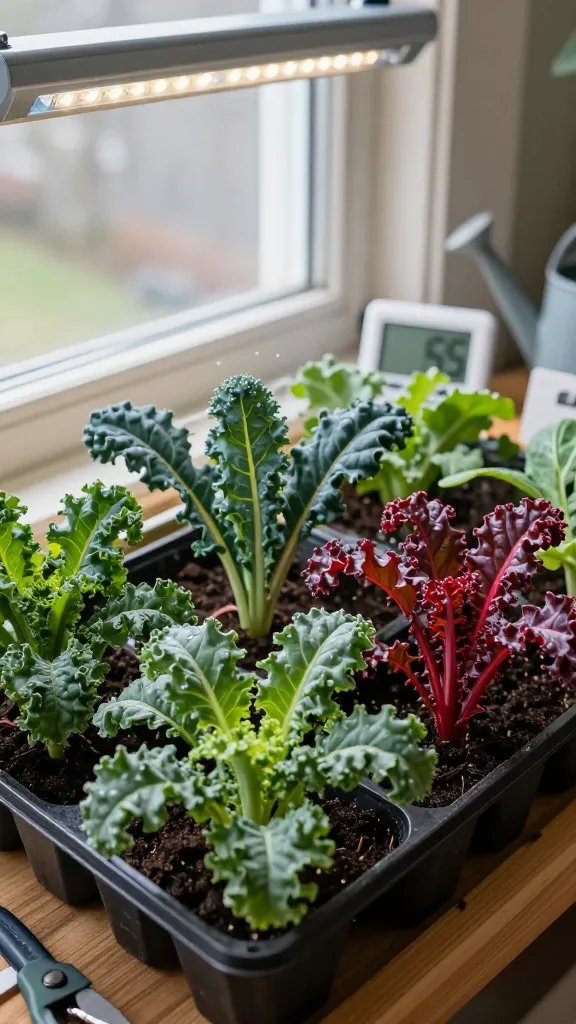
Kale grows fast and rolls with cold weather like a champ. Start in February for a quick spring crop and ridiculous nutrient density.
Tips
- Germinates happily at 60–70°F; move to bright, cooler light after sprout.
- Space well at transplant to avoid mildew—airflow is life.
- Harvest baby leaves early while waits for other crops drag on.
Curly, lacinato, or red Russian—start a few types. You’ll have salads and sautés long before tomatoes even wake up.
9. Lettuce: Salad Bar You Can Snip In Weeks
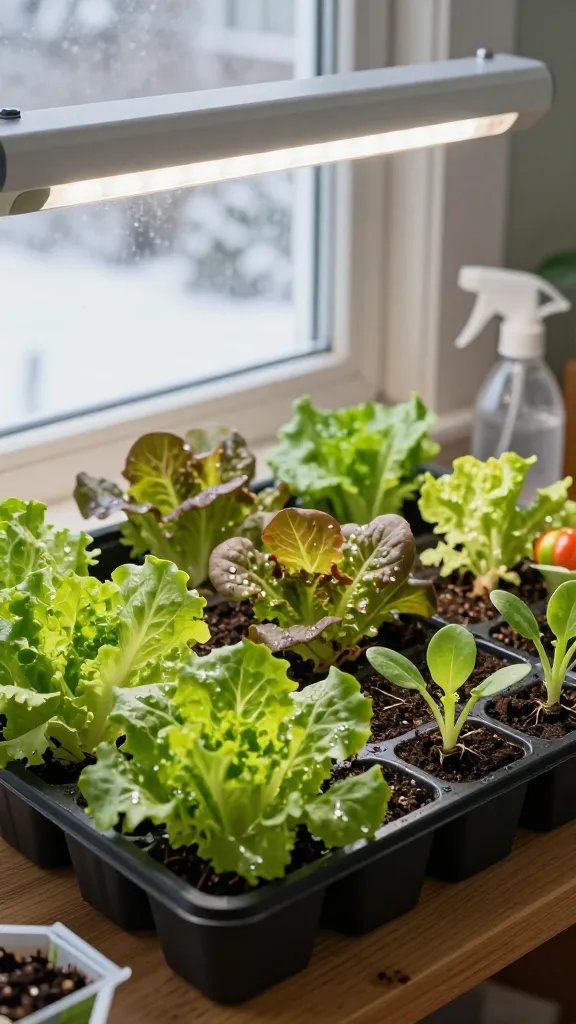
Lettuce gives instant gratification. Start in February for early cut-and-come-again bowls while the rest of the garden warms up.
Materials
- Shallow trays for baby greens or cells for head lettuces
- Seed mix of romaine, butterhead, and looseleaf
- Grow light on low-to-medium intensity, 12–14 hours
Keep it cool and consistent, and you’ll be clipping greens in 3–4 weeks indoors or transplanting sturdy starts outdoors for spring crunch. IMO, nothing beats homegrown crispness.
10. Celery: The Slowpoke That Loves A Head Start
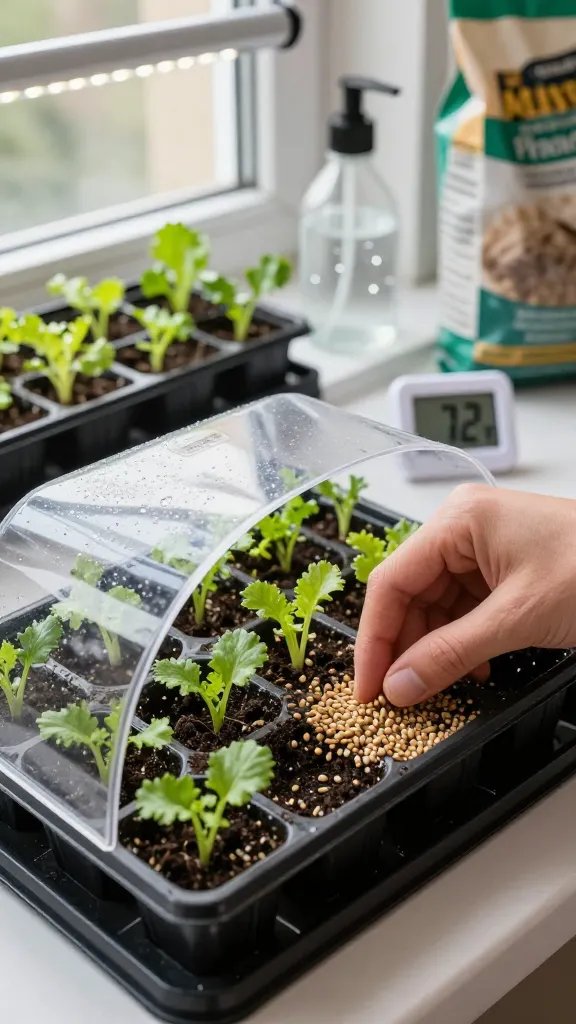
Celery takes forever from seed, but February makes it manageable. Start now, and you’ll get flavorful, crunchy stalks that supermarket celery can’t touch.
Key Points
- Surface-sow—seeds need light; press gently and don’t bury.
- Warm germination (70–75°F), then cooler, bright growth (60–65°F).
- Keep evenly moist; celery sulks if it dries out.
Transplant after danger of frost with rich soil and steady water. The payoff? Aromatic leaves, snappy ribs, and serious soup cred. Trust me, it’s worth the patience.
Seed-Starting Essentials (Quick Hit)
- Light: 14–16 hours daily with LEDs close to seedlings.
- Soil: Sterile, peat-free seed-starting mix if you can; fine texture matters.
- Water: Bottom-water; keep evenly moist, not soggy.
- Air: Gentle fan reduces damping-off and builds sturdier stems.
- Fertilizer: Half-strength, balanced feed once true leaves form.
- Hardening Off: 7–10 days of gradual outdoor exposure before transplant.
When To Transplant (Rule Of Thumb)
- Cold-tolerant brassicas, onions, leeks, lettuce, kale: After soil is workable, light frosts okay once hardened.
- Warm-lovers like tomatoes and peppers: After last frost, nights consistently above 50°F.
You’ve got the plan, the seeds, and the itch to grow—now ride that February momentum. Start these ten indoors, and spring-you will high-five winter-you for the head start. Go fire up those grow lights and make future harvests happen today.