
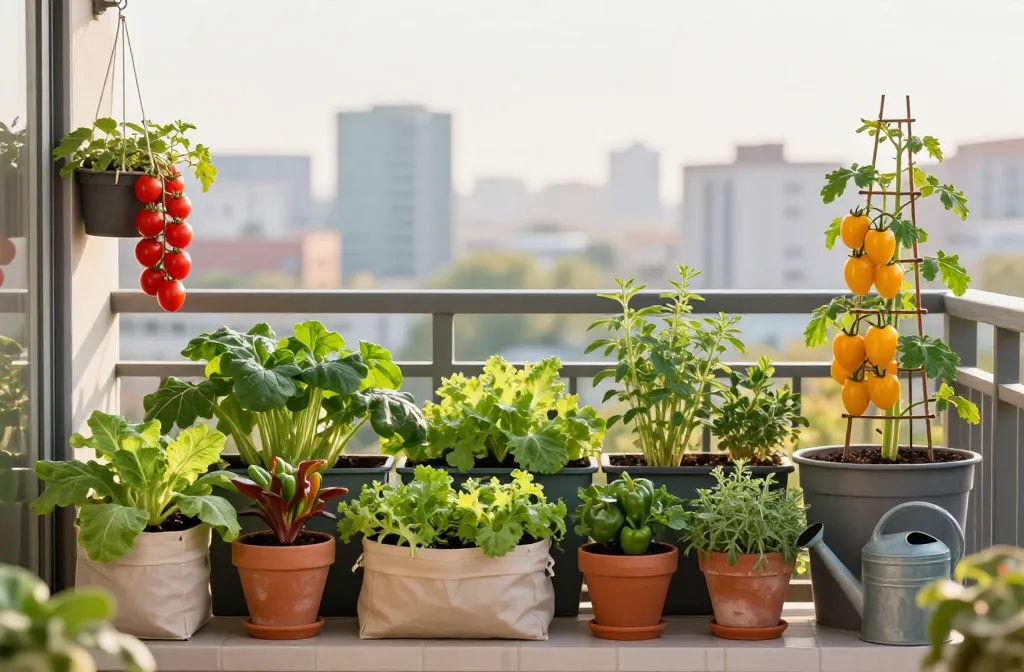
Craving big harvests from a tiny balcony or patio? You can absolutely grow grocery-store amounts of veggies in pots, totes, and even buckets. These picks churn out produce fast, forgive beginner mistakes, and thrive where garden beds won’t fit. Ready to turn your small space into a snack factory?
1. Cherry Tomatoes That Don’t Quit
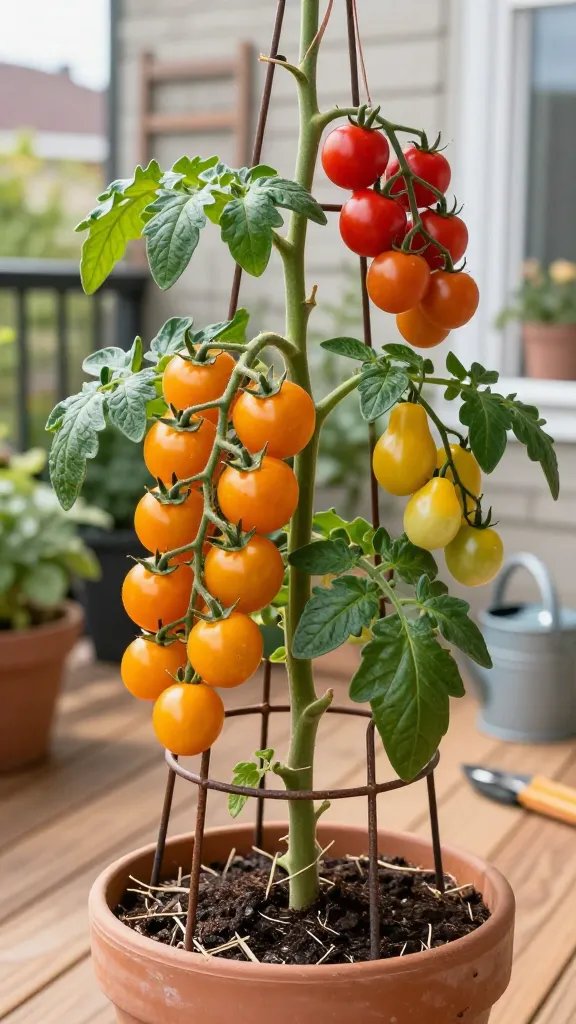
Cherry and grape tomatoes are compact powerhouses that pump out fruit for months. They handle containers better than big slicers and forgive a missed watering here and there—within reason. Pick the right variety, and you’ll snack straight off the vine all season.
Top Varieties
- ‘Tumbling Tom’ (perfect for hanging baskets)
- ‘Sungold’ (ridiculously sweet, heavy producer)
- ‘Yellow Pear’ (quirky shape, prolific)
Container & Setup
- Size: 5–10 gallons per plant
- Support: Cage or trellis from day one
- Soil: High-quality potting mix with slow-release fertilizer
Water deeply and consistently to avoid blossom drop. Pinch out suckers lightly on indeterminate types, but don’t overthink it.
Yield Boost Tips
- Give them 6–8 hours of sun. More sun, more flavor.
- Feed every 2–3 weeks with a balanced liquid fertilizer.
- Mulch the soil surface to keep moisture steady.
Use cherry tomatoes when you want fast, continuous harvests for salads, roasting, and snacking. They’re the ultimate morale booster for new growers.
2. Leafy Greens On Repeat
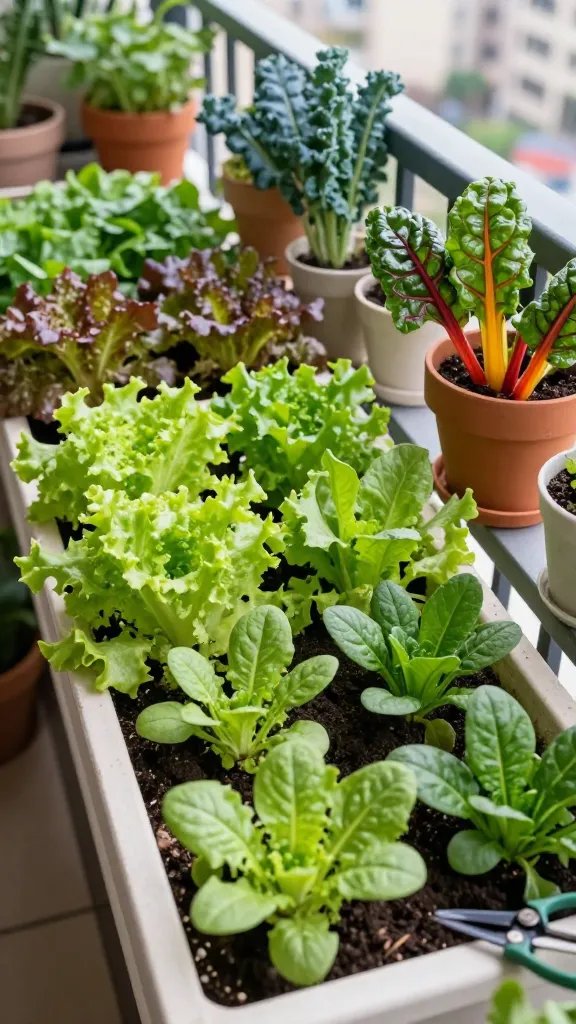
Greens give you ridiculous yield per square inch because you harvest a little at a time. Snip-and-come-again lettuce, spinach, and kale turn one pot into a bottomless salad bar. Plus, they don’t demand full sun—shade lovers rejoice.
Best Performers
- Cut-and-come-again lettuce mixes
- Baby spinach (cool weather champ)
- Lacinato kale (tender and productive)
- Swiss chard (colorful, heat tolerant)
Container & Setup
- Size: 6–10 inch deep window boxes or 2–5 gallon pots
- Spacing: Sow thickly for baby leaves; thin as you harvest
- Light: 4–6 hours sun or bright partial shade
Greens love consistent moisture and rich soil. If they taste bitter, they got too hot or too thirsty—no thanks.
Quick Wins
- Stagger sowings every 2 weeks for continuous harvests.
- Use a nitrogen-leaning fertilizer for lush leaves.
- Harvest outer leaves first; keep the center growing.
Grow these when you want maximum food per pot with minimal drama. Salad every night? Yes, that’s the dream.
3. Bush Beans That Fill Your Bowl
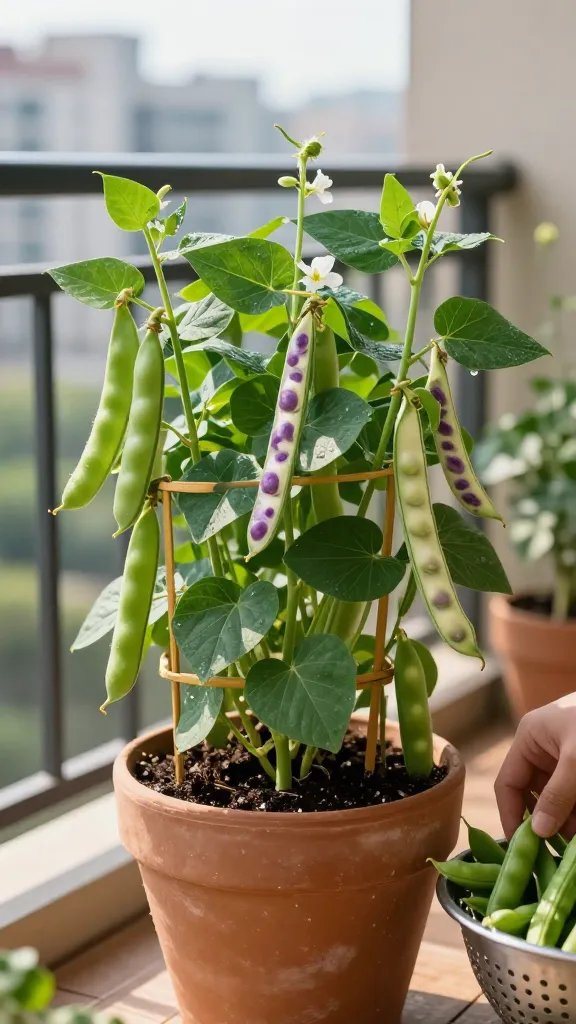
Bush beans stay compact and deliver loads of crisp pods in a tight window—perfect for containers and impatient gardeners. They germinate fast, look cute, and reward you for picking often. Also, they fix nitrogen, which is a fancy way of saying they help the soil.
Go-To Varieties
- ‘Provider’ (reliable, early)
- ‘Contender’ (great flavor, heat tolerant)
- ‘Dragon Tongue’ (striped, tender, showy)
Container & Setup
- Size: 3–5 gallon pot for 3–5 plants
- Soil: Well-draining mix; don’t overfertilize
- Light: Full sun for best yields
Beans don’t like wet feet. Water when the top inch of soil dries out. Flowers drop? Usually heat stress—shade in the afternoon if needed.
Productivity Hacks
- Sow a new pot every 3–4 weeks for rolling harvests.
- Pick pods young and often to keep plants producing.
- Teepee a few twigs for gentle support, IMO it reduces flop.
Use bush beans when you want high-yield protein-rich veggies with minimal fuss. They’re also kid-approved harvesting fun.
4. Snack Cucumbers That Climb, Not Hog
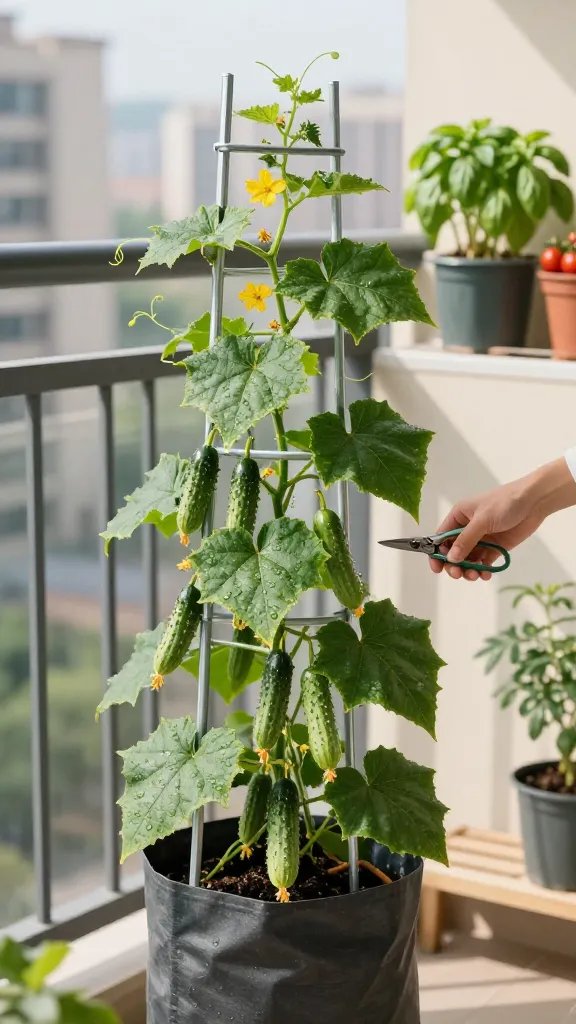
Compact cucumbers climb vertically, turn sunlight into crunchy snacks, and free up floor space. You’ll harvest handfuls every few days once they get going. Plus, they taste nothing like those sad store cucumbers—seriously.
Compact Vines
- ‘Bush Slicer’ or ‘Spacemaster’ (short vines)
- ‘Mini Munch’ or ‘Pick a Bushel’ (great for pickling/snacking)
- Parthenocarpic types set fruit without pollinators—ideal for balconies
Container & Setup
- Size: 7–10 gallon pot per plant
- Trellis: Sturdy A-frame, cattle panel, or netting
- Soil: Rich mix with added compost; cucumbers are hungry
Water deeply and consistently. Bitter fruit screams stress—keep moisture even and feed regularly.
Smart Care
- Fertilize every 10–14 days with a balanced or slightly higher potassium feed.
- Mulch to keep roots cool and reduce powdery mildew splash.
- Harvest at 4–6 inches for snacking types—don’t let them turn into baseball bats.
Grow these when you want vertical productivity and constant crunchy rewards. Great for quick pickles and lunchbox heroes.
5. Peppers That Pop (Hot Or Sweet)
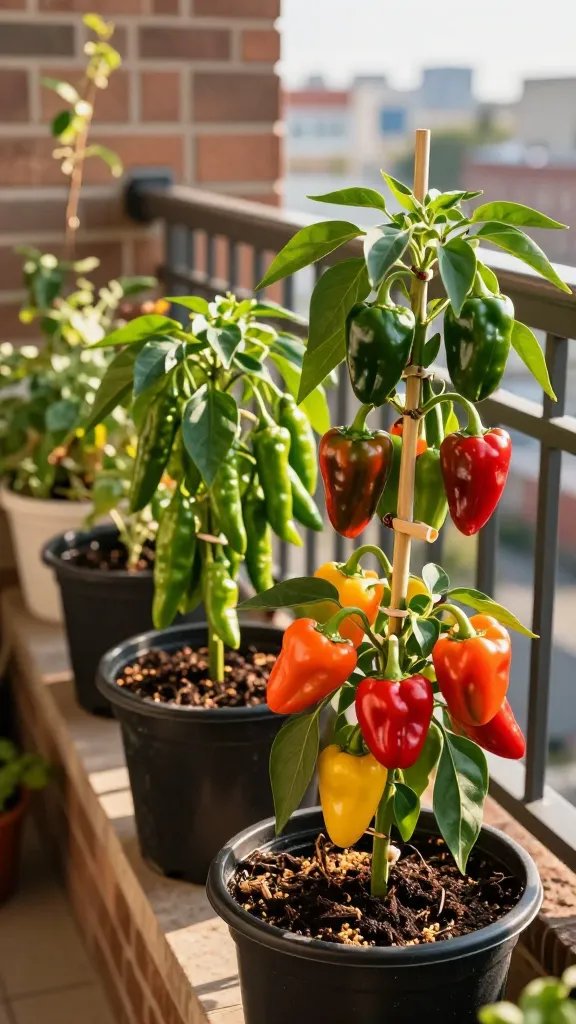
Peppers adore containers because warm roots equal happy plants. They pack serious yield into compact forms, especially mini bells and chilies. Bonus: they look like ornaments when they ripen—garden decor that you can eat.
Container Rockstars
- ‘Lunchbox’ mini bells (sweet, prolific)
- ‘Gypsy’ or ‘Shishito’ (heavy bearing, quick to fruit)
- ‘Jalapeño’ and ‘Serrano’ (reliable heat, lots of pods)
Container & Setup
- Size: 3–5 gallon pot per plant
- Light: Full sun and heat; black pots boost warmth
- Soil: Fluffy, fertile mix with slow-release fertilizer
Peppers sulk in cold, so wait for nights above 55°F before planting. Stake early to avoid stem breakage when fruit loads up.
Flavor & Yield Tips
- Feed with a bloom-boosting fertilizer once flowering starts.
- Let some fruits ripen to full color for peak sweetness or heat.
- Bottom-prune a few leaves for airflow and fewer pest hangouts.
Choose peppers when you want gorgeous, compact plants that deliver steady harvests for salsas, stir-fries, and snacking.
Ready to stack pots and start harvesting? Pick two or three of these heavy hitters, and you’ll see why small-space growers swear by them. FYI: once you taste the difference, you’ll never go back to sad supermarket veggies.