
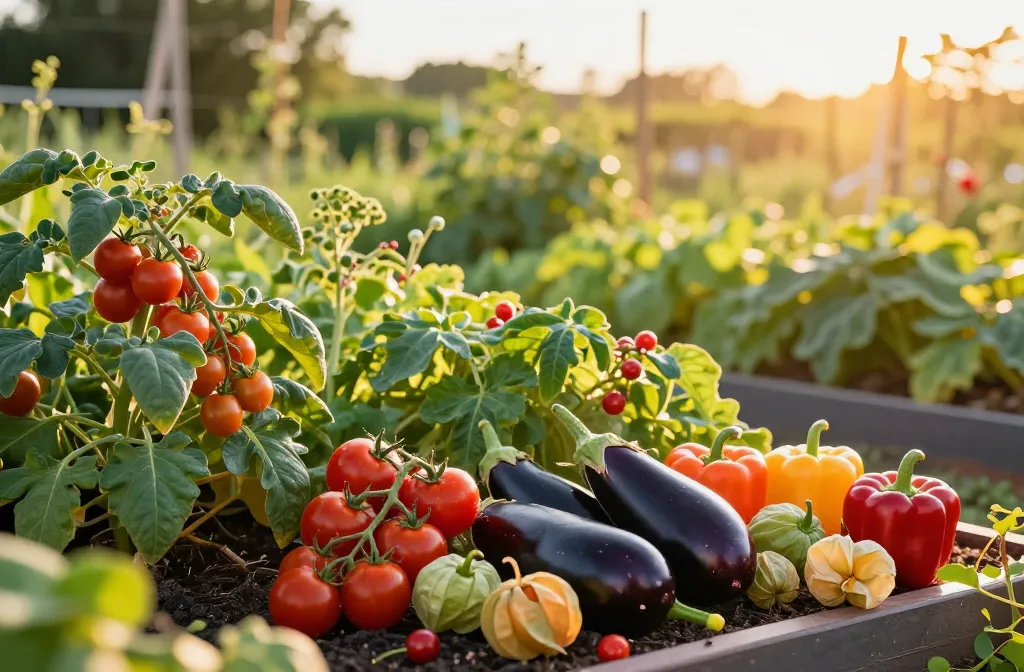
Your garden doesn’t have to melt when the temperature soars. Plenty of vegetables actually crave the heat and reward you with ridiculous harvests. Ready to turn scorching afternoons into salsa, stir-fries, and snackable garden treats? Let’s build a summer lineup that laughs at heat waves.
1. Sun-Worshipping Nightshades That Pump Out Fruit
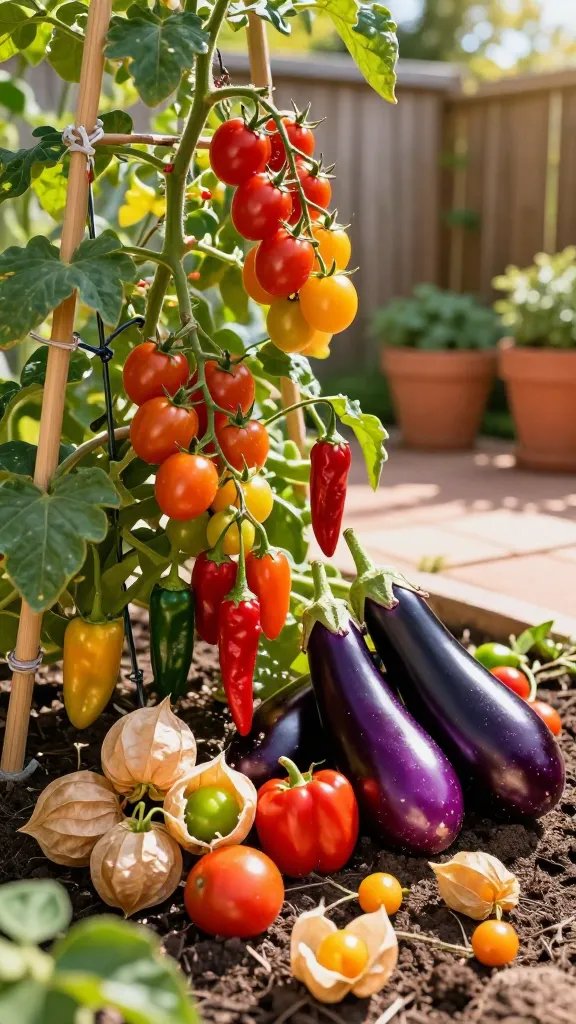
Some veggies treat summer like a VIP lounge—especially nightshades. Give them blazing sun and warm soil, and they’ll repay you with baskets of glossy fruit. If you’ve got a hot patio or a south-facing fence, this squad will thrive.
Who’s On The Roster?
- Tomatoes (cherries, paste, slicers)
- Peppers (sweet bells, jalapeños, cayennes)
- Eggplant (classic globe, slim Asian types)
- Tomatillos (green and purple)
- Ground Cherries (a.k.a. husk cherries)
These plants love soil temps above 65°F and daytime highs in the 80s–90s. Tomatoes and peppers especially crave consistent warmth to set fruit, while eggplant goes feral in heat and pumps out glossy beauties.
Pro Tips
- Start with heat: Warm the soil with black mulch or landscape fabric before transplanting.
- Support early: Stake tomatoes and tomatillos on day one. Chaos later is not cute.
- Keep it even: Deep water 1–2 times per week. Inconsistent moisture = blossom end rot drama.
- Pollination boost: Gently shake tomato flowers mid-morning. Yes, it works.
- Shade smart: When temps hit triple digits, use 30% shade cloth during afternoons to prevent blossom drop.
When to use this group: You want fresh salsa, marinara, smoky roasted peppers, and eggplant that actually tastes buttery. FYI, container gardeners can crush it with compact varieties.
2. Tropical Powerhouses That Turn Heat Into Harvest
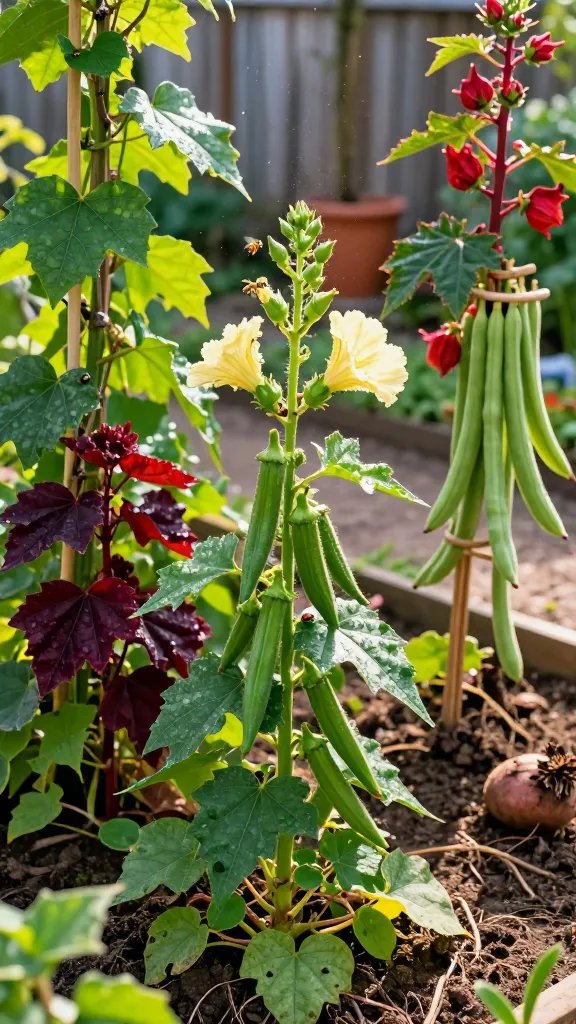
Some vegetables evolved to thrive where “summer” is basically all year. They soak up heat, deliver lush growth, and keep producing when others sulk. If your garden feels like a sauna, these are your MVPs.
Who Makes The Heat Look Easy?
- Okra (Clemson Spineless, Burgundy)
- Malabar Spinach (climbing, glossy leaves)
- Sweet Potatoes (roots + edible greens)
- Yardlong Beans (a.k.a. asparagus beans)
- Roselle (Hibiscus sabdariffa for tangy calyxes and tea)
Okra throws pods like it’s on a mission once temps stay hot. Malabar spinach climbs trellises and laughs at wilt. Sweet potatoes double as groundcover and salad bar. Yardlong beans produce in steamy conditions that stop regular beans. Roselle? Tart, cranberry-like magic for jam and tea.
Growing Notes
- Trellis early: Malabar spinach and yardlong beans need sturdy vertical support.
- Harvest fast: Pick okra at 3–4 inches; wait longer and you’ll need a chainsaw (kidding… mostly).
- Feed the soil: Add compost before planting sweet potatoes; they sprawl and appreciate the buffet.
- Mulch thick: Keeps soil warm but roots cool and conserves moisture.
When to use this group: You want tropical resilience, edible greens all summer, and harvests that keep coming even during heat waves. IMO, this is the “set it and enjoy it” section of the garden.
3. Melon, Squash, And Cucumber Dreams (A.K.A. The Vine Squad)
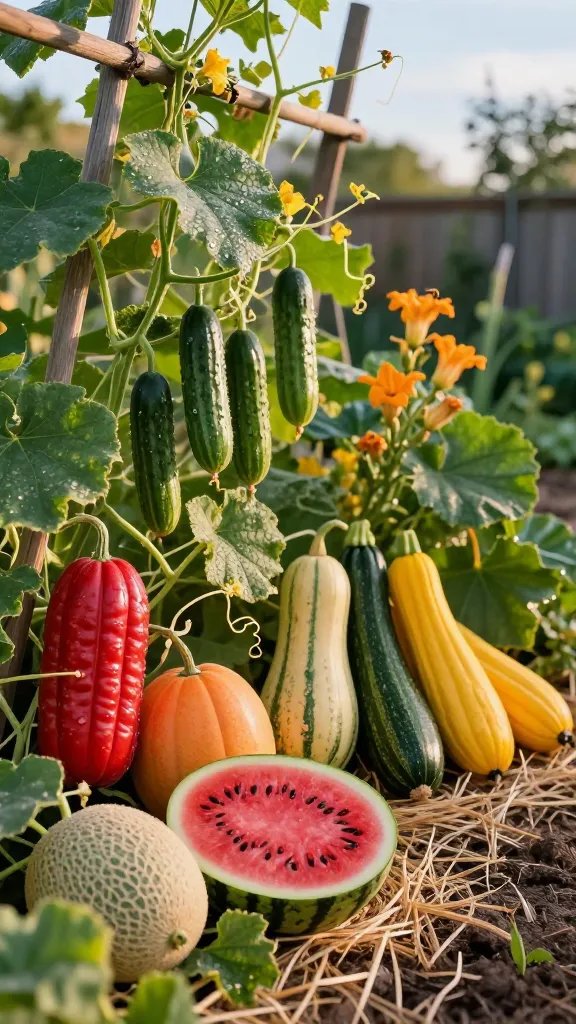
Vining crops love basking in sunlight while their roots stay cool under mulch. They sprawl, they climb, and they deliver summer cookout staples. If you’ve got space—or a good trellis—these stars shine.
Sweet And Savory All-Stars
- Watermelons (Sugar Baby, Crimson Sweet)
- Cantaloupe and Muskmelon
- Summer Squash (zucchini, yellow crookneck)
- Cucumbers (slicers, picklers, Armenian)
- Winter Squash (butternut, delicata, kabocha)
Melons need hot days and warm nights to develop sugar. Cucumbers grow fast and crisp in heat with plenty of water. Zucchini can practically outpace your ability to cook it—blink and you’ve got a baseball bat.
Tips For Maximum Crunch And Sweetness
- Start warm: Direct sow after soil hits 70°F, or transplant gently—roots hate rough handling.
- Climb high: Trellis cucumbers and small melons; use slings to support fruit if needed.
- Water consistently: Drip irrigation beats overhead to prevent powdery mildew and bitter cucumbers.
- Fight squash vine borers: Wrap stems with foil or use row cover until flowering, then remove for pollination.
- Mulch and space: Good airflow = fewer fungal headaches.
When to use this group: You’re dreaming of chilled melon slices, tzatziki, and grilled zucchini. Trust me, nothing tastes like a sun-warmed cucumber straight off the vine.
4. Heat-Tolerant Greens And Herbs That Don’t Bolt At Noon
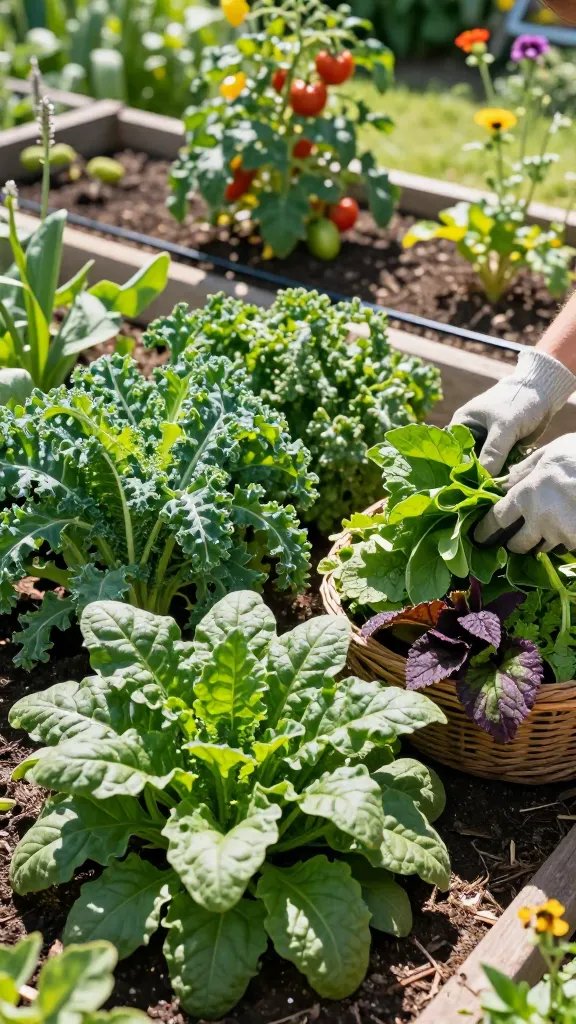
You can still eat green when the thermometer screams. Some leafy types and herbs shrug off heat, especially the varieties bred for summer. They hold flavor and texture when typical lettuces tap out.
Greens That Keep Their Cool
- New Zealand Spinach (tender, spinach-y flavor)
- Amaranth/Callaloo (young leaves for sautéing)
- Ethiopian Kale (a.k.a. Abyssinian mustard)
- Aztec Spinach (Huauzontle)
- Perilla/Shiso (herbaceous, aromatic leaves)
New Zealand spinach and amaranth deliver steady greens without the bolt-fest. Ethiopian kale and huauzontle handle heat while packing bold flavor. Perilla adds minty-basil vibes to salads, wraps, and rice bowls.
Grow Smart, Snack Often
- Partial shade helps: Plant near taller crops or use 30% shade cloth in peak afternoon sun.
- Cut-and-come-again: Harvest outer leaves regularly to keep plants vigorous.
- Keep it moist: Shallow roots need consistent watering for tender leaves.
- Succession plant: Sow every 2–3 weeks for a steady supply.
When to use this group: You crave fresh greens for tacos, stir-fries, and salads all summer without babysitting lettuce that bolts at the first heat wave. Seriously, these greens save the season.
5. Fast-Food Roots And Beans For Quick Summer Wins
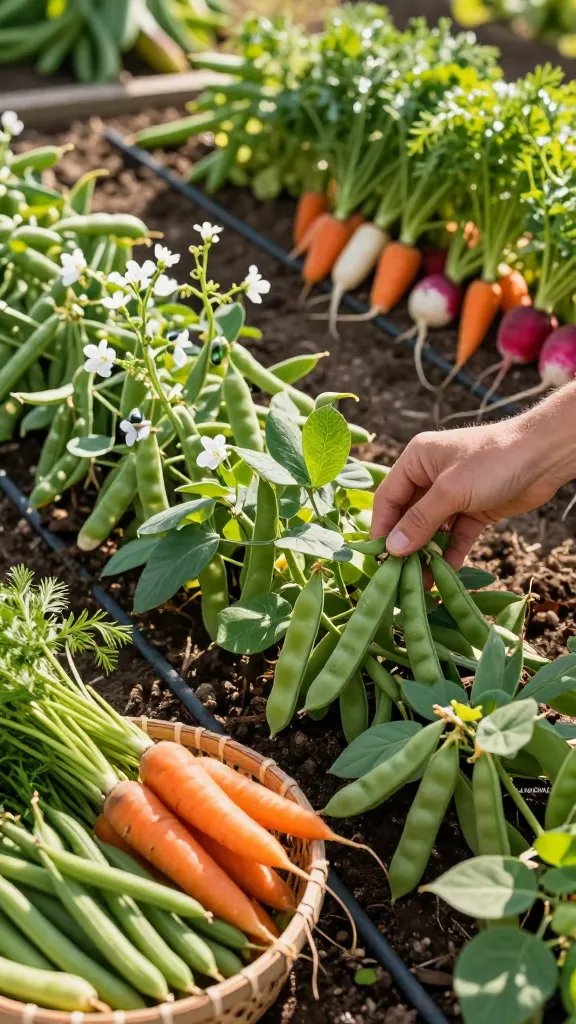
Not everything needs months in the ground. Some veggies sprint from seed to plate and handle heat with grace. Perfect for filling gaps and keeping the harvest rolling.
Speedy, Heat-Friendly Picks
- Bush Beans (Provider, Contender)
- Southern Peas (black-eyed peas, crowder peas)
- Daikon And Summer Radishes (try heat-tolerant varieties)
- Carrots (short, quick types like Adelaide, Parisian)
- Cowpeas (yes, they deserve a second shout-out—they love heat)
Bush beans fruit fast and taste best when picked small. Southern peas and cowpeas thrive where other legumes faint, fixing nitrogen as a bonus. Quick radishes and short carrots can handle warm soil if you keep moisture steady.
How To Keep Them Happy
- Sow successions: Plant every 2–3 weeks for a staggered harvest.
- Hydrate evenly: Uneven watering = split roots and tough pods.
- Mulch lightly: Keeps seedbeds from crusting in brutal sun.
- Harvest often: Frequent picking stimulates more beans and keeps flavors sweet.
When to use this group: You want quick payoffs, reliable yields, and nitrogen-fixing support for the rest of the garden. FYI, this group shines in raised beds and community plots.
Ready to plant like it’s hot? Mix a few stars from each group, add mulch, and water deeply, and you’ll crush summer gardening. Your future self—with arms full of tomatoes, melons, and greens—will be very pleased with your current decisions.