
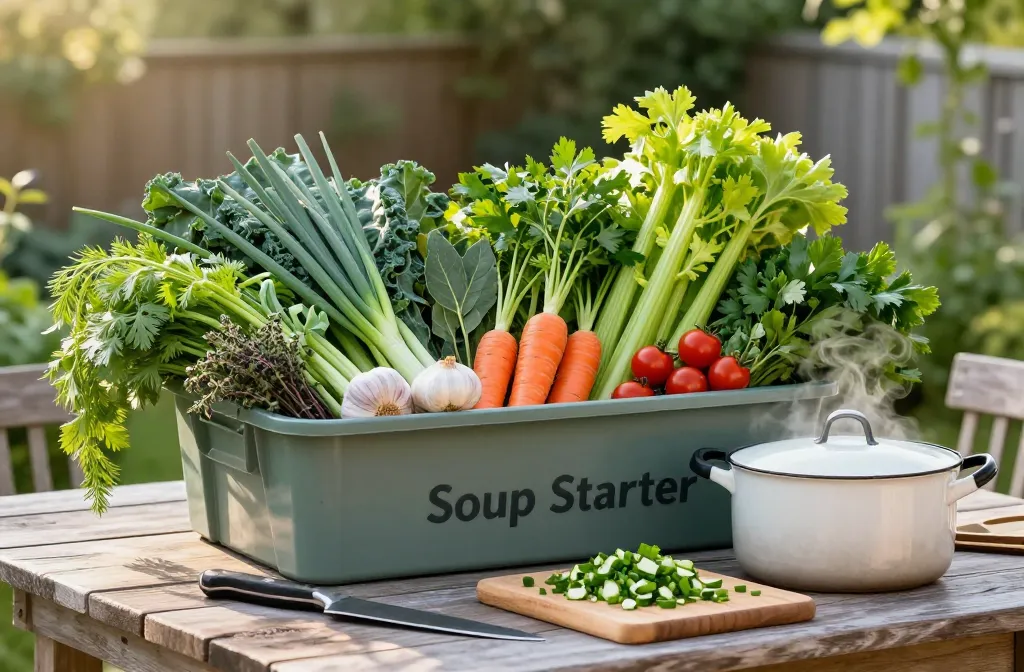
Want to build a one-stop container garden that turns into instant soup magic? Meet the Soup Starter: a compact collection of veggies and aromatics that keeps your pot ready for action. You’ll snip, chop, and simmer in minutes—no grocery run needed. Ready to grow a flavor bomb on your porch?
1. The Backbone: Onions (Green Or Bunching)
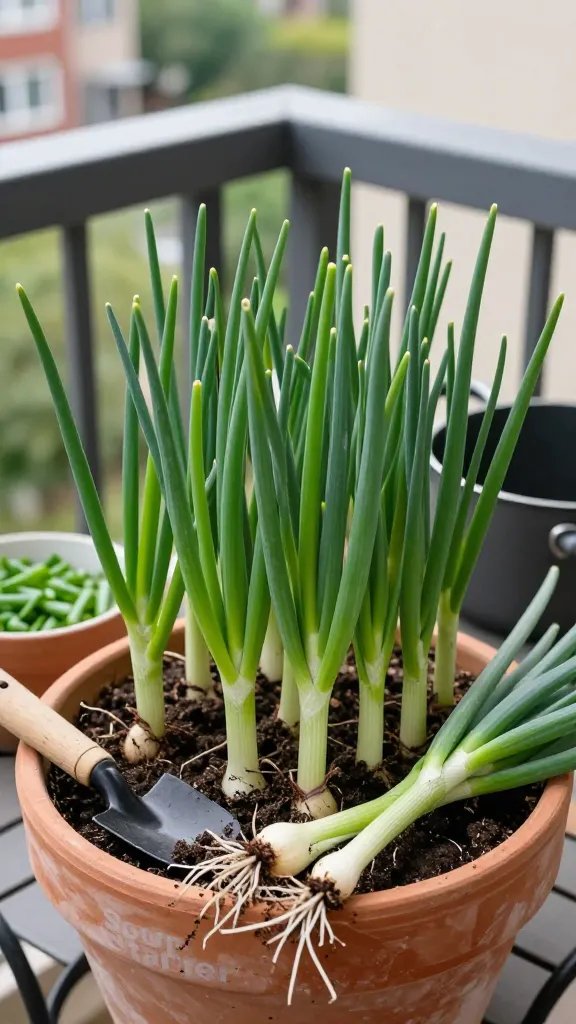
Onions form the base of almost every good soup. Bunching or scallions grow fast, don’t need much space, and you can harvest them a stalk at a time. They deliver sweet, savory depth even when you use just a handful.
Tips
- Choose everbearing bunching onions for constant harvests.
- Plant densely, then thin and eat the extras as they grow.
- Snip greens for garnish, or pull whole plants for full onion flavor.
Use onions anytime your soup tastes flat. They’re your built-in “more flavor” button.
2. The Aromatic Powerhouse: Garlic (Plus Scapes)
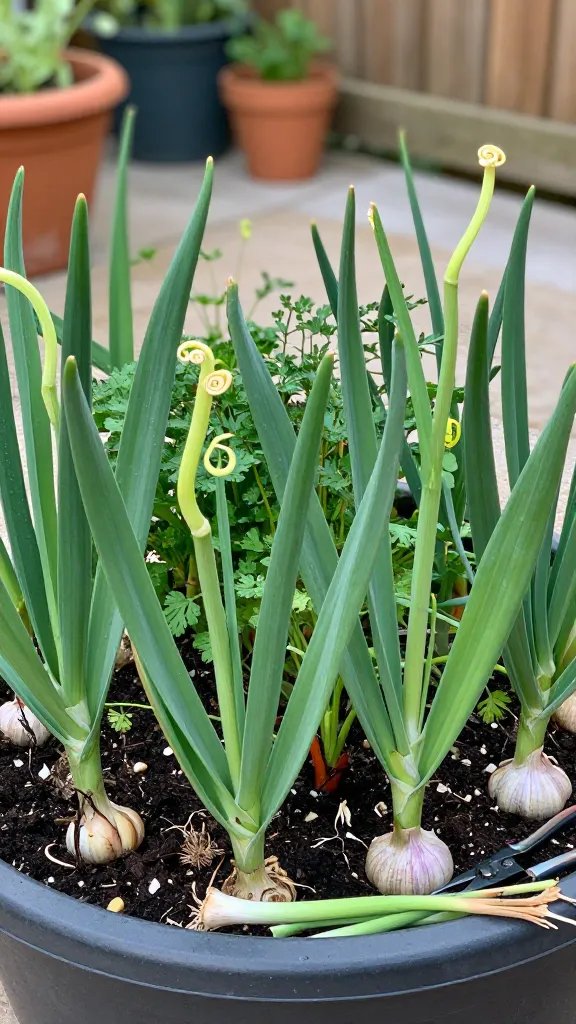
Garlic turns simple broth into something you’ll crave. It fights off blandness with rich, savory notes and a little bite. Bonus: garlic scapes show up in late spring and taste like garlic’s sweeter, fresher cousin.
Key Points
- Plant cloves around the container edges to save center space.
- Harvest scapes early for stir-fries and soups; let bulbs mature for later.
- Use young garlic leaves like chives if you get impatient—no judgment.
Add garlic when you want warmth and complexity without salt overload. Seriously, it’s liquid comfort’s best friend.
3. The Mirepoix MVP: Celery (Cut-And-Come-Again Varieties)
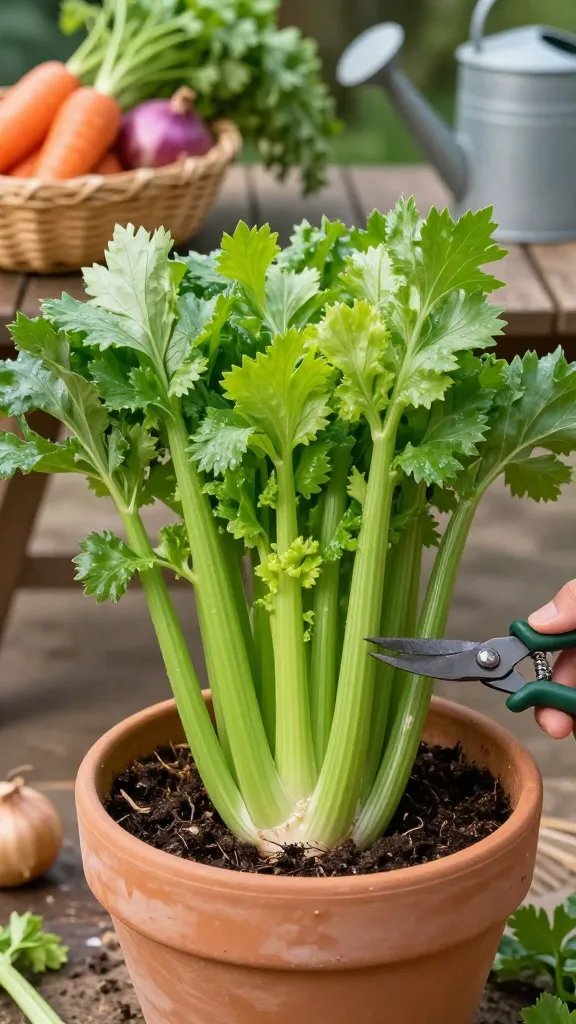
Soup without celery? Technically possible. Emotionally risky. Celery adds aromatic freshness and that subtle green snap that ties everything together.
Tips
- Grow leaf celery or cutting celery if stalks struggle in your climate.
- Keep the soil moist; celery loves consistent water.
- Harvest outer stalks first so the plant keeps producing.
Use celery when you want that classic soup base vibe. It’s your shortcut to professional flavor.
4. The Sweetness Factor: Carrots (Baby Or Thumbelina Types)
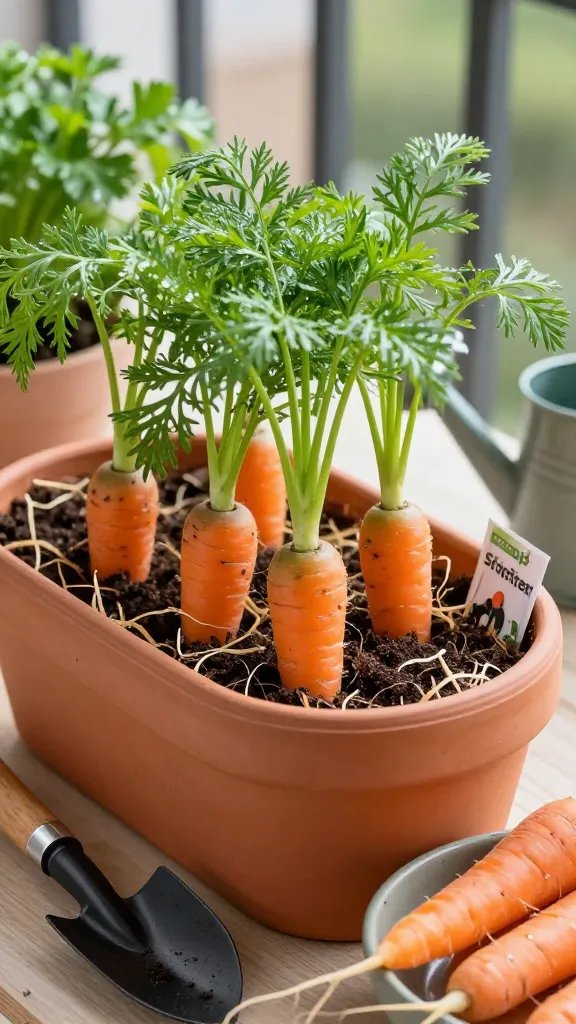
Carrots bring gentle sweetness that balances acidity and salt. They also add color and texture, which makes your bowl look like it knows its angles on Instagram.
Materials
- Short varieties like Parisian, Thumbelina, or Baby Chantenay.
- Loose, deep-ish potting mix for straight roots.
- Mulch to keep moisture even.
Toss carrots into brothy soups or purees anytime you need sweetness and body. FYI: roasted carrots blended into soup = chef’s kiss.
5. The Herb You’ll Overuse: Parsley (Flat-Leaf Preferred)
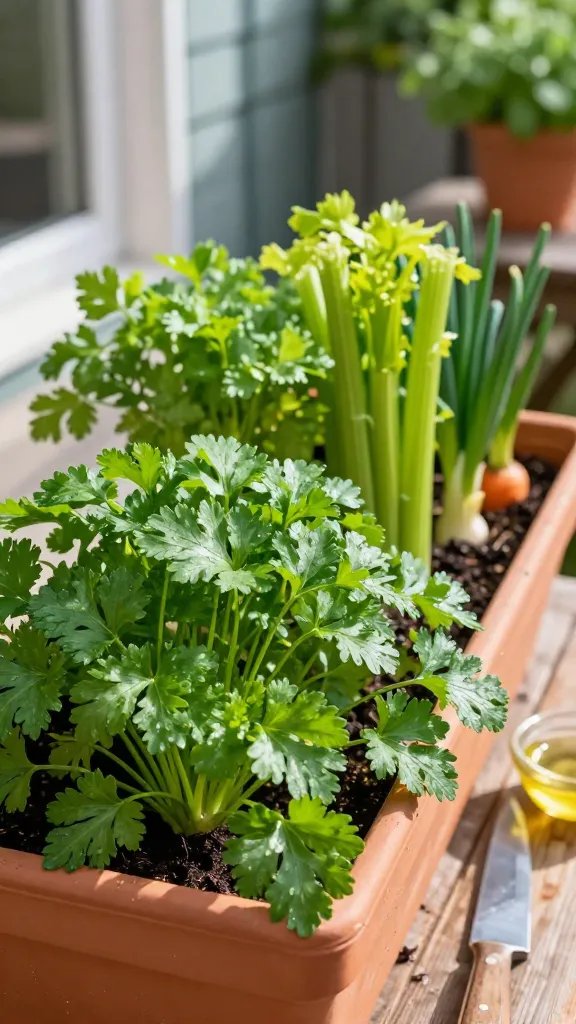
Parsley plays both herb and leafy green. It brightens heavy soups, freshens last-minute garnishes, and sneaks in vitamins while pretending to be pretty.
Tips
- Choose flat-leaf (Italian) parsley for stronger flavor.
- Cut outer stems first and let the crown keep growing.
- Pair with lemon or vinegar to finish soups with a pop.
Use parsley to balance rich, creamy, or meaty soups. It makes everything taste awake.
6. The Leafy Workhorse: Kale (Baby Leaves Forever)
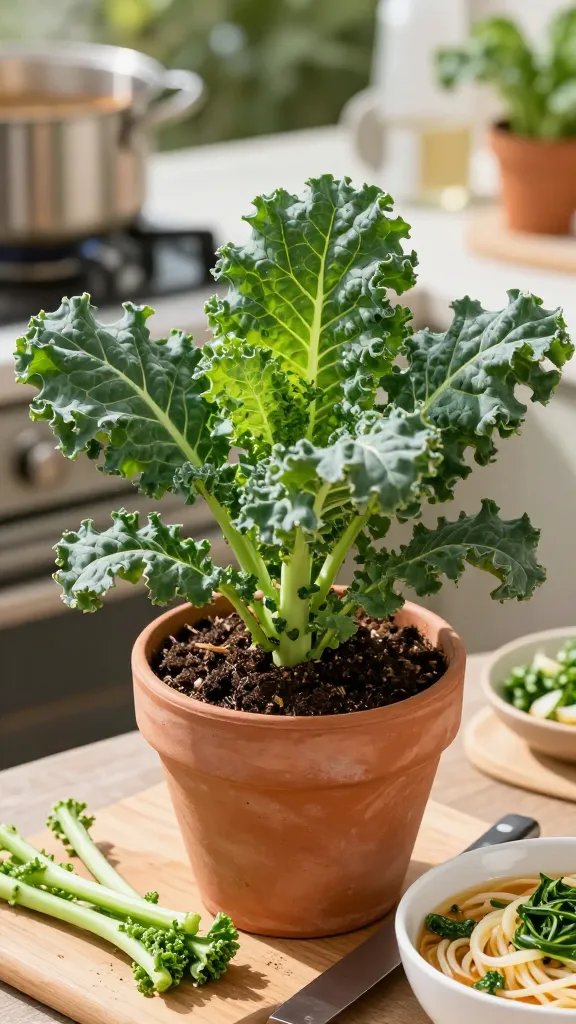
Kale adds texture, nutrients, and staying power. Baby leaves cook in minutes, don’t turn mushy, and stand up to heat better than delicate greens.
Key Points
- Grow Lacinato (dinosaur) or Red Russian for tender young leaves.
- Harvest from the bottom up for ongoing growth.
- Chop stems finely and sauté with onions to waste nothing.
Throw kale into minestrone, bean soups, and brothy noodle bowls. It’s hearty but never heavy.
7. The Quick Flavor Boost: Leeks (Compact Or Baby Leeks)
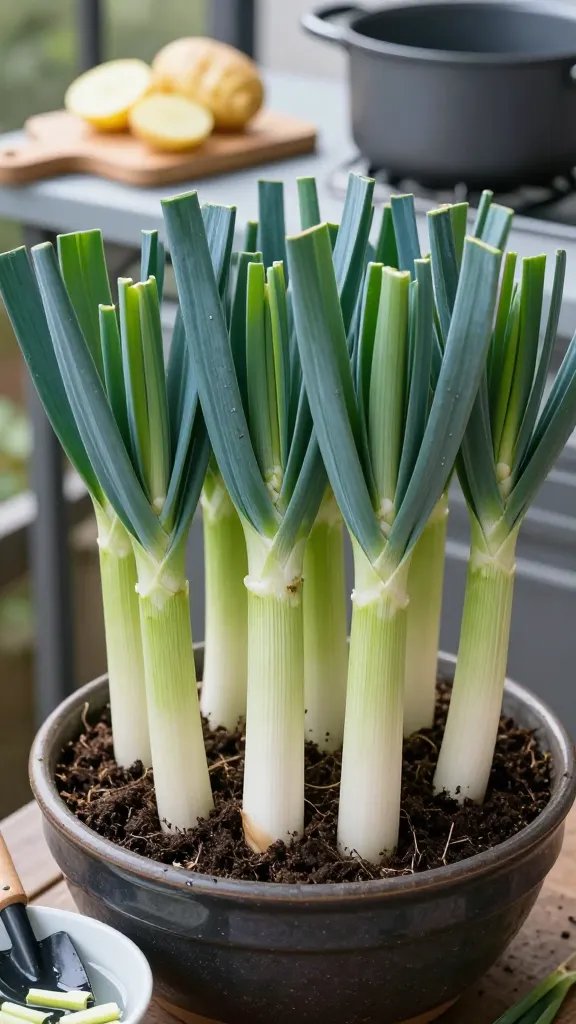
Leeks bring a mellow, buttery onion flavor that tastes fancy with zero effort. They elevate simple potato soups or any brothy base without stealing the spotlight.
Tips
- Choose baby leek varieties for containers.
- Hill a little soil around stems to blanch them and keep them tender.
- Clean thoroughly—leeks hoard soil like it’s gold.
Use leeks when you want onion flavor that whispers instead of shouts. Potato-leek soup on a weeknight? Absolutely.
8. The Umami Plug-In: Tomatoes (Cherry Or Patio Types)
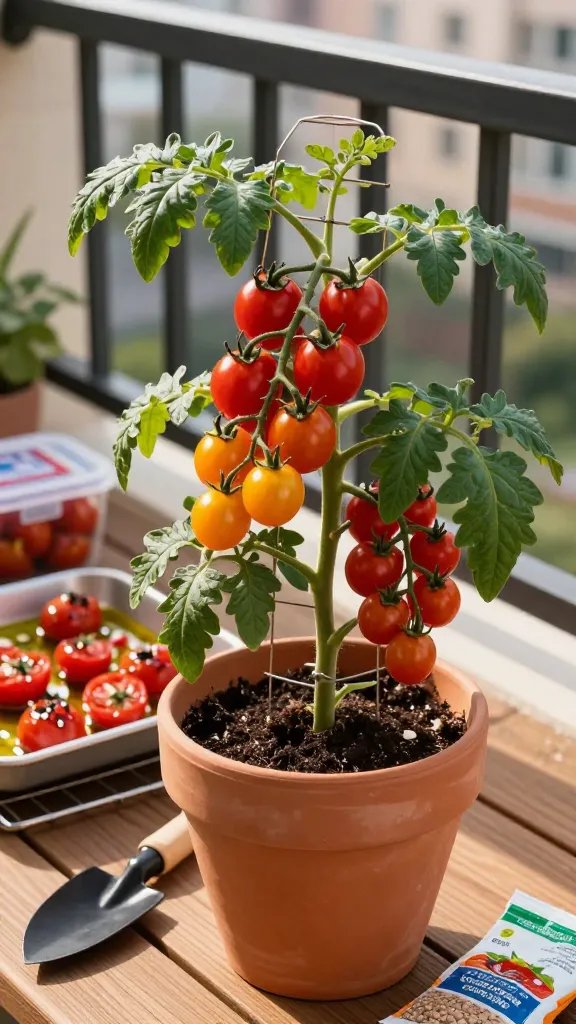
Tomatoes build body, acidity, and sweet-savory umami. Cherry and patio varieties produce nonstop and handle containers like champs.
Key Points
- Pick indeterminate cherries for steady snacking and soup topping.
- Use a sturdy cage; feed with a balanced organic fertilizer.
- Roast extras and freeze for instant soup base later.
Add tomatoes when your soup tastes thin or needs brightness. They make broths pop and purees silky.
9. The Speedy Softener: Zucchini (Or Other Summer Squash)
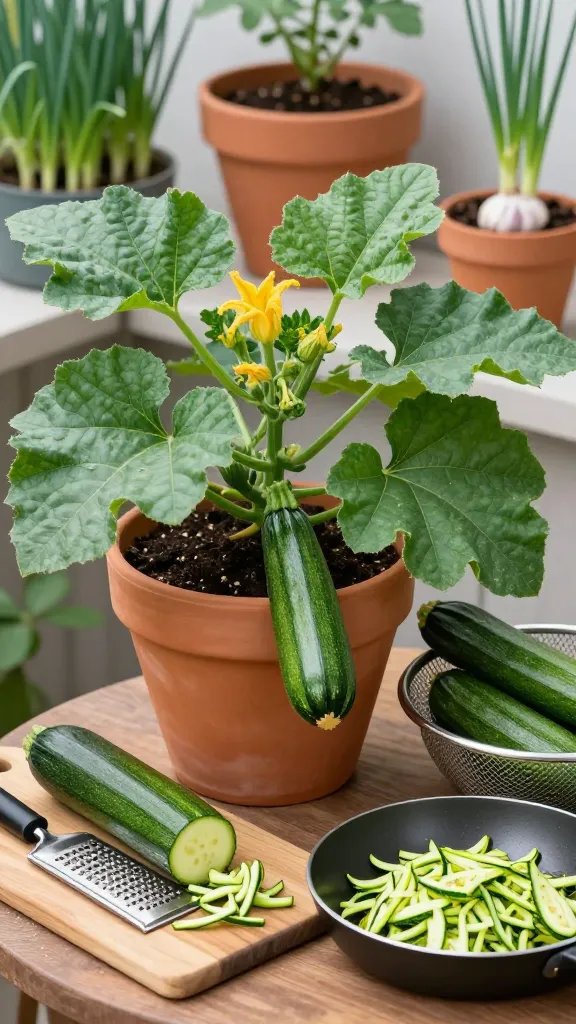
Zucchini melts into soups and adds gentle creaminess without cream. It teams up with onions and garlic to create silky textures, especially when blended.
Tips
- Choose bush or compact varieties for containers.
- Harvest small for best flavor and texture.
- Grate and sauté to thicken broths naturally.
Use zucchini in chowders, blended greens soups, and veggie stews. It’s your stealth thickener.
10. The Finishing Touch: Spring Onions And Chives (Garnish Kings)
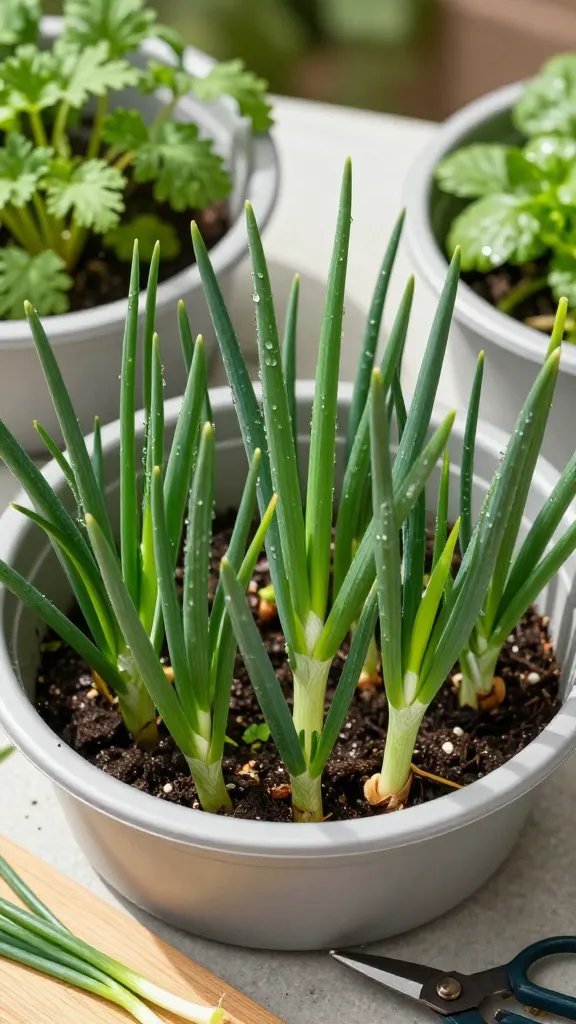
Fresh allium greens make soups taste brighter instantly. A quick snip of chives or spring onion greens adds color, aroma, and that “wow” finish.
Key Points
- Grow garlic chives for mild garlic notes and easy regrowth.
- Plant clumps around the rim to maximize space.
- Snip right before serving for maximum flavor.
Use as a final flourish on everything from ramen to creamy potato soup. Garnish game: upgraded.
How To Fit All 10 In One Container (Yes, Really)
Think layers and edges. Tall or vining plants like tomatoes go in the back or center, while cut-and-come-again herbs and alliums fill the perimeter.
Layout Idea For A 20–24 Inch Pot
- Center: Tomato (patio type) or baby leeks if you skip tomato season.
- Mid-ring: Kale, celery, zucchini (choose one or two to avoid overcrowding).
- Outer ring: Bunching onions, chives, parsley, garlic (cloves spaced around edge), baby carrots tucked between.
Overcrowded? Stagger plantings. Start with onions, parsley, and kale, then add warm-season tomato and zucchini later. Harvest small and often to keep airflow and flavor flowing.
Soil, Water, And Care (The Boring Stuff That Actually Matters)
Use high-quality potting mix with compost for nutrients and drainage. Keep watering consistent—soups love moisture and so do these plants.
Pro Moves
- Feed monthly with a balanced organic fertilizer.
- Mulch with straw or shredded leaves to lock in moisture.
- Rotate harvests: pull carrots and scallions as you need them to create space.
Do this and your container stays productive, not chaotic. Your future soups will thank you.
Fast Harvest-To-Pot Combos (Zero-Brainer Recipes)
Need ideas you can cook on autopilot? Try these mini mixes straight from the container.
- Classic Base: Onion + carrot + celery + garlic → add broth, done.
- Greens & Beans: Onion + kale + garlic + tomato → add cannellini beans.
- Comfort Creamy: Leek + zucchini + parsley → blend with stock; finish with olive oil.
- Sunny Tomato: Tomato + onion + garlic + parsley → simmer; add pasta or rice.
These combos cover weeknights, lazy Sundays, and “I forgot to meal prep” emergencies. IMO, it’s the easiest way to cook more vegetables.
Seasonal Swaps And Backup Players
Weather not cooperating? No problem. Swap in hardy backups without breaking the Soup Starter flow.
Smart Substitutes
- Spinach for kale during heat waves.
- Lovage for celery when you want intense celery flavor in a compact plant.
- Green garlic in spring if bulbs aren’t ready.
- Dwarf peppers for smoky depth when tomatoes slow down.
With a couple swaps, your container works year-round. Flexibility = more soups, fewer excuses.
Storage Hacks So Nothing Goes To Waste
Overflow harvest? We love that for you. Turn extras into building blocks for future soups.
Easy Preserves
- Freeze aromatics: Sauté onion, garlic, and celery in olive oil; freeze in cubes.
- Roast & freeze tomatoes: Concentrate flavor for winter cooking.
- Herb bricks: Chop parsley or chives, pack in ice trays with olive oil.
- Zucchini puree: Steam and blend; freeze to thicken soups on demand.
This stash saves time and money and makes you look like a meal-prep wizard. Trust me, future you will brag.
Common Pitfalls (And How To Dodge Them)
Containers can go from thriving to sad if you ignore basics. Keep an eye on crowding, water, and pests.
Watch Outs
- Overcrowding: Harvest early and often to maintain airflow.
- Thirsty roots: Deep water 2–3 times a week, more in heat.
- Pests: Knock off aphids with water; handpick caterpillars; encourage ladybugs.
- Nutrient dips: Yellow leaves? Feed with compost tea or balanced fertilizer.
Handle these basics and your Soup Starter stays lush and productive all season.
Putting It All Together: Your Soup, Your Rules
Start small, harvest often, and mix flavors like a DJ. You’ll learn fast what your taste buds love.
Quick Finishers
- A squeeze of lemon or splash of vinegar at the end.
- Fresh parsley or chives on top for lift.
- Olive oil drizzle for richness without heaviness.
That’s the magic: fresh, fast, and ridiculously satisfying. You’ll never look at a container garden the same way again.
Ready to plant your Soup Starter container? Grab a big pot, pack it with these essentials, and let the harvest guide your dinner. You’ll go from garden to simmering pot in minutes—and your kitchen will smell like victory.