
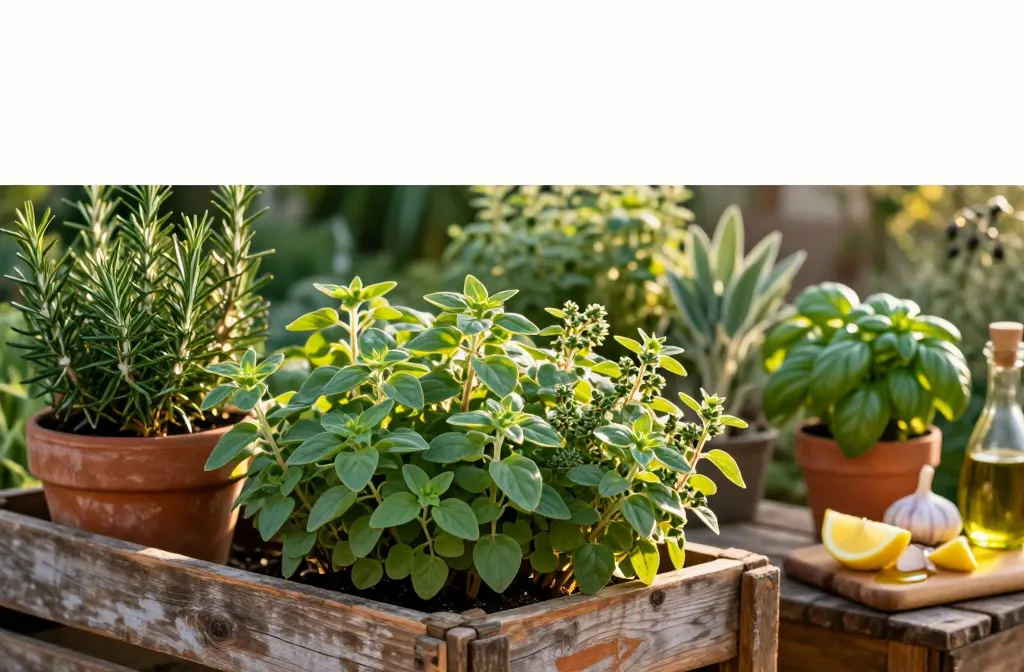
Craving garden-fresh flavors that scream summer on a Greek island? Pair your herbs the way a taverna pairs mezze and wine. These combos boost flavor, repel pests, and make your garden look like it has its own passport. Ready to grow dinner and bragging rights at the same time?
1. Oregano + Thyme: The Savory Power Couple
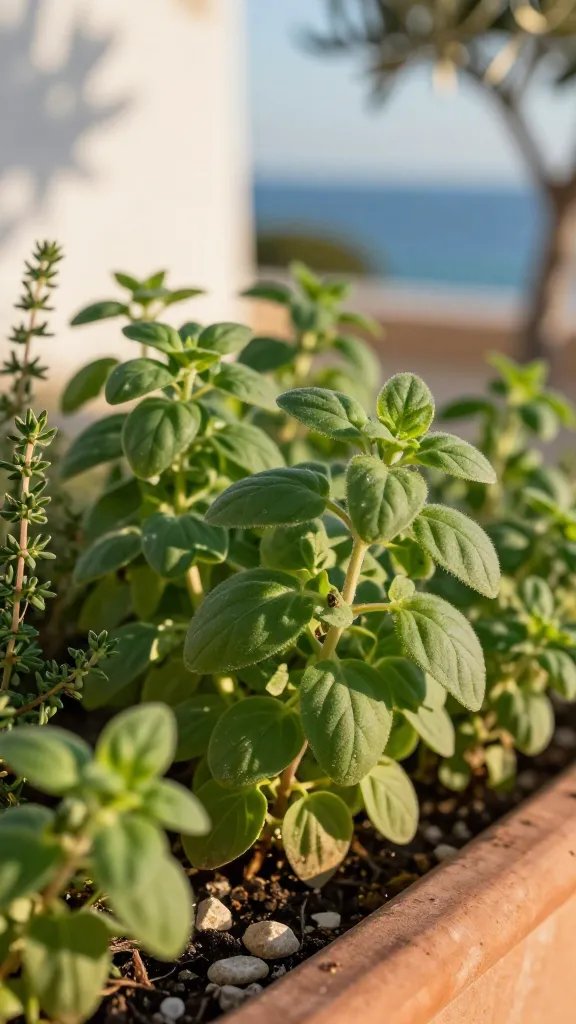
When you think Greek flavor, you taste oregano first and thyme right after. These two sun-lovers thrive side by side, share the same low-water needs, and perfume the air like a seaside grill. They’re the backbone of marinades, roasted veggies, and that addictive herby sprinkle on everything.
Why It Works
- Shared preferences: Full sun, well-drained, lean soil.
- Low watering: Both hate soggy roots and love a weekly deep soak.
- Pest deterrence: Aromatic oils confuse aphids and whiteflies.
Plant thyme on the edge where it can spill a bit, and let oregano fill in the middle. Give each about 12–18 inches of elbow room. Overcrowding = mildew and drama you don’t need.
Kitchen Magic
- Grilled lamb chops: Rub with olive oil, lemon zest, oregano, thyme, and garlic.
- Roasted potatoes: Toss with sea salt, thyme sprigs, and crushed oregano.
- Tomato salads: Fresh oregano wakes bland tomatoes right up.
Use this pairing when you want maximum savory punch with minimal effort. FYI, it’s the set-it-and-forget-it combo for busy cooks.
2. Basil + Greek Basil + Parsley: The Fresh Herb Trio
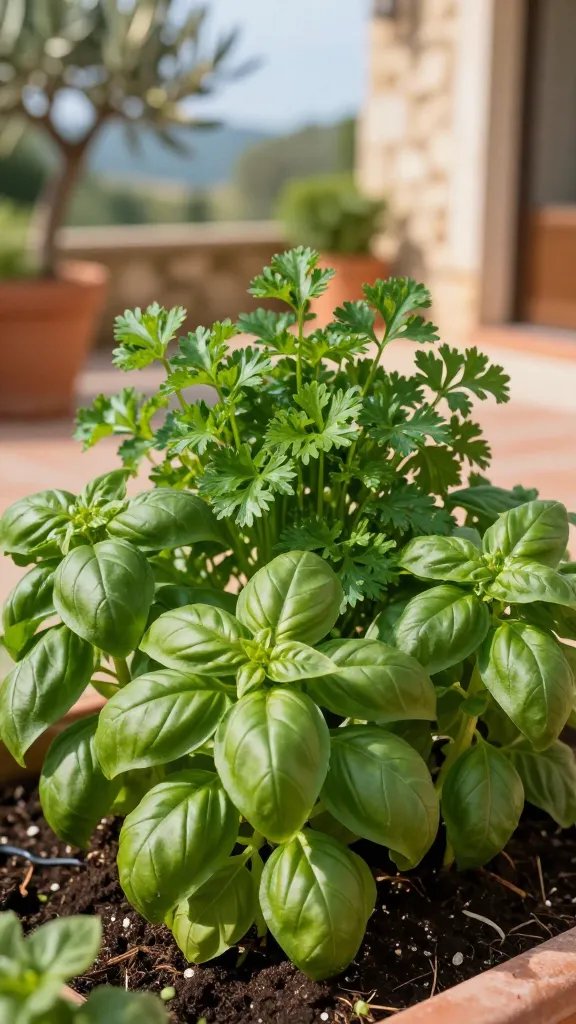
Not every Greek dish leans woody and intense. Sometimes you want bright, green, and a tiny bit fancy—enter this three-way dream team. Regular basil brings sweetness, Greek basil packs compact flavor, and parsley adds crisp, peppery lift.
How to Plant
- Sun + water: Full sun, even moisture, rich soil. Basil likes the good life.
- Spacing: Greek basil stays neat, so tuck it around regular basil. Put parsley downwind of basil’s shade to keep it cool.
- Pinch often: Snip basil tops weekly to keep it bushy and prevent flowering.
These three also attract pollinators when they do flower—hello, happy bees. But for peak flavor, keep flowers in check on basil and harvest parsley regularly.
Kitchen Magic
- Horiatiki salad twist: Toss tomatoes, cukes, feta with basil ribbons and chopped parsley.
- Herb pistou: Blend basil, parsley, garlic, olive oil, lemon—drizzle over grilled fish.
- Stuffed peppers: Fold chopped herbs into rice for bright, herbal steam.
Use this trio when you want that unmistakable garden-fresh pop. It’s your fast pass to “wow, this tastes like summer.”
3. Rosemary + Sage + Bay Laurel: The Greek Roast Dream Team
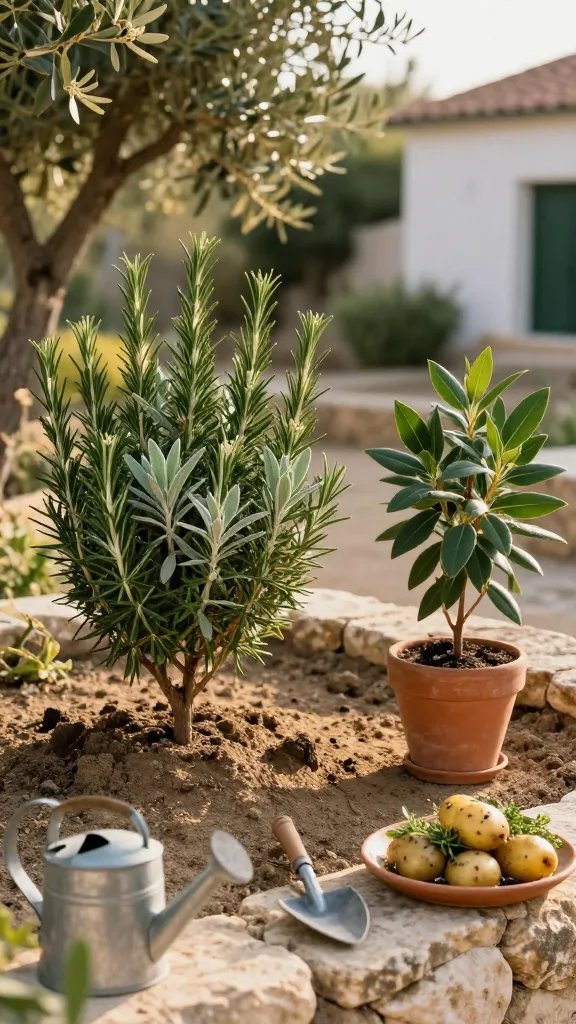
Think slow-roasted meats, crispy potatoes, and olive oil slicked over everything—this is the trio you want. Rosemary and sage thrive in poor soil and full sun, while bay adds depth like a secret chef in the background. Together they form a hardy, evergreen anchor for your Mediterranean bed.
Planting Tips
- Drainage is non-negotiable: Mound beds or use terracotta pots if your soil holds water.
- Spacing: Rosemary and sage need airflow—18–24 inches apart. Bay laurel grows big; plan for a container or give it a corner to rule.
- Pruning: Clip rosemary lightly after flowering; cut sage back in spring to prevent leggy stems.
These heavy-hitters also deter pests with potent oils. They’re basically a security system with culinary benefits.
Kitchen Magic
- Lemon-rosemary potatoes: Toss wedges with rosemary, lemon juice, and sea salt. Crispy edges guaranteed.
- Sage brown butter: Spoon over pumpkin or ricotta gnocchi for instant chef vibes.
- Bay in stews: One leaf transforms beans, lentils, or chicken stock—seriously.
Choose this trio when you want bold, roasty flavors and herbs that work year-round. IMO, this is the backbone of any Mediterranean kitchen garden.
4. Dill + Mint + Cucumber (With a Side of Garlic): Tzatziki’s Best Friends
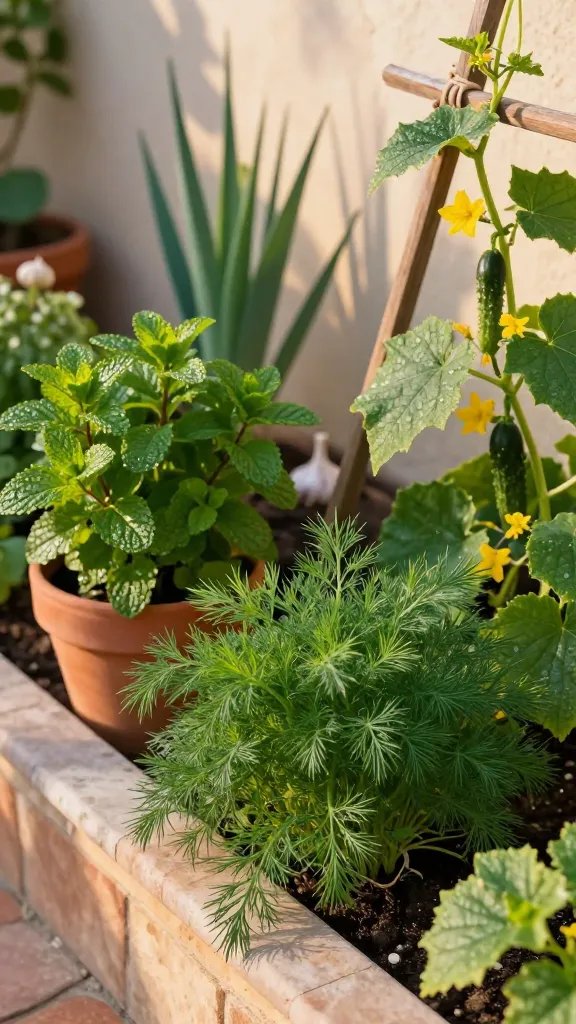
Grow your dip. This combo gives you everything you need for bright, cooling flavors that cut through grilled meats and spicy dishes. Dill brings a feathery anise hint, mint cools things off, cucumber keeps it crisp, and garlic adds swagger.
How to Pull It Off
- Mint management: Plant mint in a pot sunk into the bed or give it a dedicated container—it runs faster than gossip.
- Dill likes elbow room: Tall and delicate, it needs sun and a stake if winds get feisty.
- Cucumber support: Trellis vines to save space and lift fruit off damp soil.
- Garlic timing: Plant cloves in fall; harvest in early summer to clear space for cukes.
Keep soil evenly moist for cucumbers and dill. Mulch helps regulate moisture and keeps cucumbers from sulking on hot weeks.
Kitchen Magic
- Tzatziki: Grate cucumbers, salt and squeeze dry, fold into yogurt with dill, mint, and garlic.
- Dill-mint salad: Toss with lemon, olive oil, and thin-sliced red onion.
- Fish night: Dill loves salmon and white fish—finish with lemon and olive oil.
Use this grouping when you want bright, cooling sides that tame rich mains. It’s the “summer cookout” combo that never fails.
5. Marjoram + Savory + Lemon Verbena: Light, Lemony, And Totally Underrated
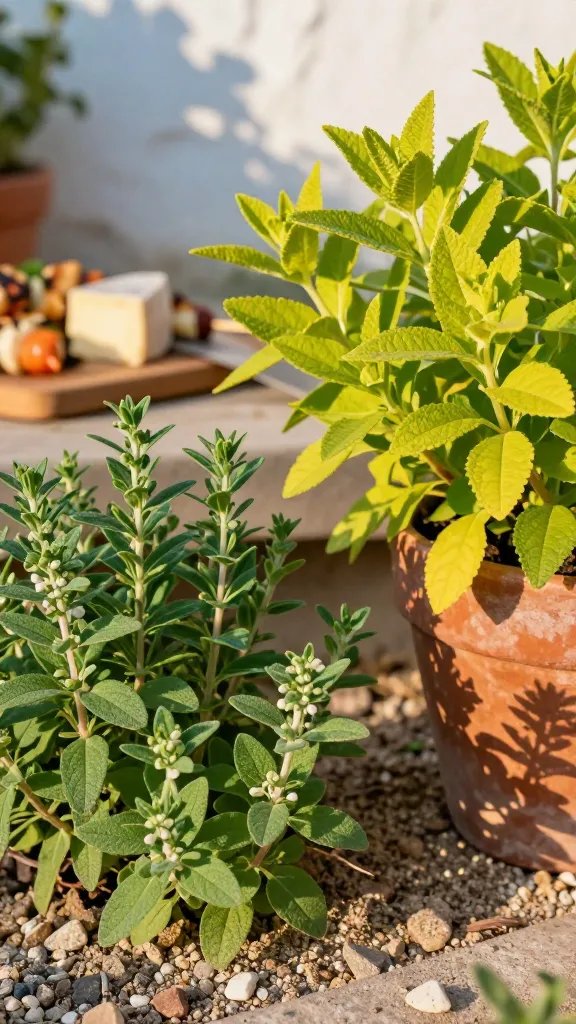
Everyone knows oregano, but marjoram gives you a softer, sweeter take that plays beautifully with grilled veggies and cheese. Add savory for a peppery, almost thyme-like note, and lemon verbena for citrus perfume without any actual lemons required. Together they turn everyday dishes into “wait, what’s that flavor?” moments.
Growing Notes
- Sun + drainage: Full sun and sandy or gravelly beds keep flavors concentrated.
- Water: Moderate for marjoram and savory; lemon verbena likes a bit more—plant verbena slightly downhill or in its own pot.
- Harvesting: Snip marjoram and savory often to prevent flowering; pick lemon verbena leaves in the evening when oils peak.
These herbs also make your garden smell ridiculous in the best way. Brush past them and you’ll get a citrus-herb cloud for free.
Kitchen Magic
- Grilled halloumi: Sprinkle marjoram and savory, finish with olive oil and a squeeze of lemon.
- Lemon verbena syrup: Steep leaves in simple syrup—drizzle over yogurt, fruit, or cocktails.
- Veggie marinade: Olive oil, garlic, marjoram, savory—toss zucchini, peppers, and eggplant before grilling.
Reach for this trio when you want lighter, nuanced flavors and a citrus lift. It’s your secret weapon for elegant, effortless meals.
Extra Pro Tips For Mediterranean Herb Beds
- Soil setup: Mix coarse sand or grit into heavy soil. Mediterranean herbs hate wet feet.
- Fertilizer: Go light. Too much nitrogen = floppy growth and diluted flavor.
- Watering schedule: Deep, infrequent watering beats daily sips. Roots grow stronger, flavors get bolder.
- Companion caution: Keep water-hogs (like basil and cucumbers) separate from tough drought fans (like rosemary and thyme). Use pots or micro-zones to balance needs.
- Harvest smart: Morning harvest, pre-flower, small frequent cuts. Your herbs will bounce back faster.
Ready to plant your way to a Greek feast? Choose a pair or trio, grab a sunny spot, and start snipping. Your kitchen will smell incredible, your dinners will taste brighter, and your friends will ask for “that herb thing” again—trust me, you’ll love it.