
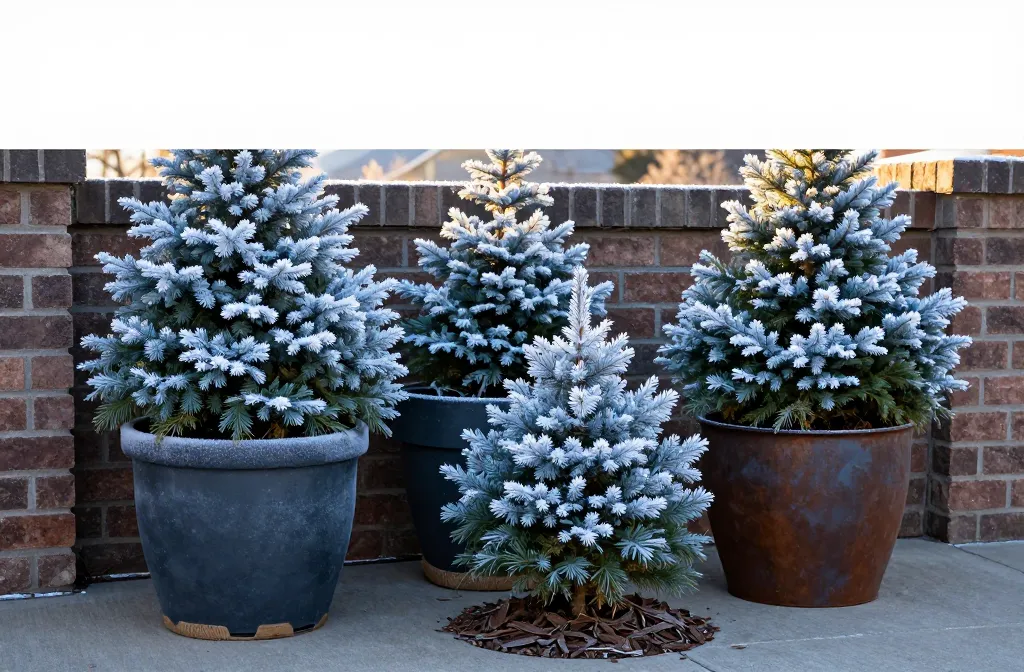
Want year-round container color without babysitting a diva plant? You can absolutely garden in bone-chilling temps and still have gorgeous pots that live to tell the tale. This monthly guide keeps your containers thriving from blizzards to spring blooms. Grab your gloves—let’s make your porch look alive even when your driveway looks like Antarctica.
1. January–February: Build The Freeze-Proof Foundation
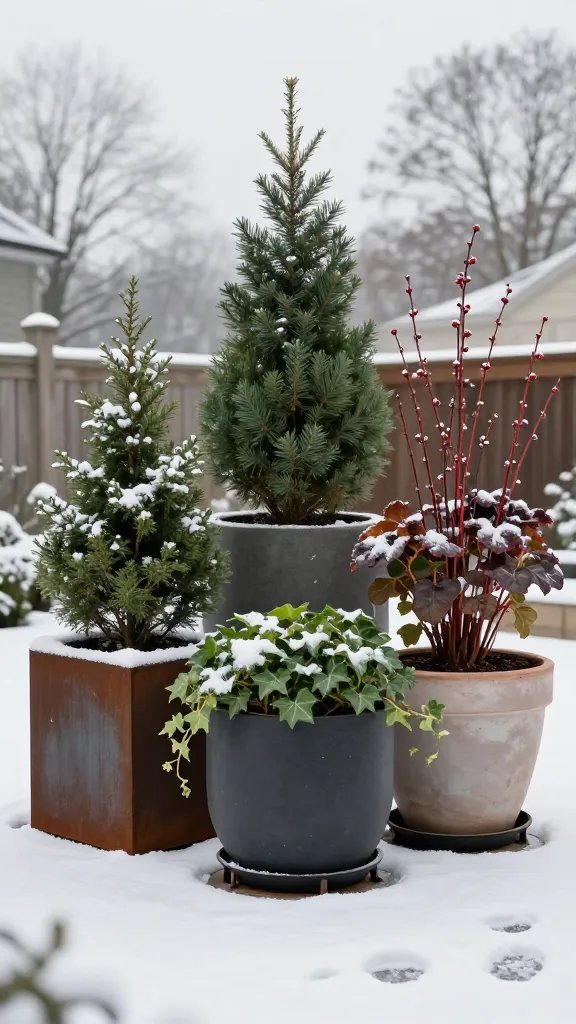
Winter doesn’t mean you pause; it means you prep smart. The right containers, soil blend, and evergreen backbone keep your pots looking intentional while everything else sleeps. Think of this as your container’s winter armor.
Key Moves Right Now
- Choose tough containers: Fiberglass, resin, corten steel, or thick, frost-resistant ceramic. Avoid thin terracotta (it cracks, cries, and then cracks more).
- Drainage = survival: Ensure 3–5 drainage holes. Elevate pots on feet so meltwater actually leaves.
- Soil blend: 60% high-quality potting mix + 30% pine bark fines + 10% perlite. No garden soil—too heavy, freezes into brick.
- Root insulation: Wrap pots with burlap or closed-cell foam. Group containers together near a wind-sheltered wall for a microclimate boost.
Cold-Hardy Container MVPs (Evergreen Structure)
- Dwarf conifers: ‘Jean’s Dilly’ spruce, ‘Blue Star’ juniper, mugo pine.
- Broadleaf evergreens: Boxwood ‘Green Velvet’, inkberry holly ‘Gem Box’, rhododendron ‘PJM’ (leaf roll in cold = totally normal).
- Grasses: Blue oat grass (Helictotrichon), switchgrass ‘Northwind’ for vertical drama.
Plant these now if you can access your pots (above freezing days). Otherwise, heeld them into temporary bins in an unheated garage. Benefits? You get instant winter interest and fewer dead-pot surprises when spring finally shows up, IMO.
2. March: Thaw, Prune, And Wake Things Up
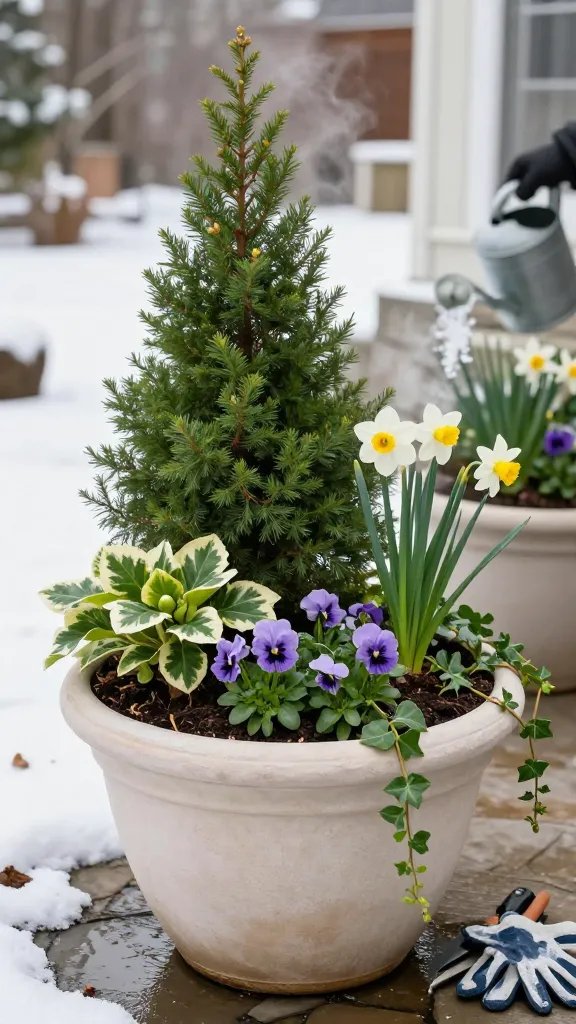
As days lengthen, your containers shift from survival mode to “okay, fine, we’ll grow again.” Now’s the time to clean, prune, and add early season color that laughs at cold snaps. You’ll feel productive before snow even fully melts—win.
Maintenance Sprint
- Prune evergreen tips lightly to shape and remove winter burn. Don’t scalp—just tidy.
- Top-dress with compost: 1–2 inches of screened compost plus a slow-release, balanced fertilizer labeled for containers.
- Check moisture: Water on thawed days when soil is dry 2 inches down. Cold air = dry roots.
Add Early Hardy Color
- Perennials: Hellebores (Lenten rose), creeping phlox, heuchera (caramel or plum tones), bergenia. These bring foliage and flowers while snow flurries happen.
- Annual cool-season ringers: Pansies, violas, dusty miller, ornamental kale. They shrug at frost and keep going.
- Bulbs (pre-chilled or pre-sprouted): Mini daffodils ‘Tête-à-Tête’, crocus, species tulips. Tuck them into corners for surprise pops.
Quick Design Tip
- Thriller–Filler–Spiller still works in cold: Conifer (thriller), heuchera/pansies (filler), ivy or creeping jenny (spiller). Yes, creeping jenny returns in spring even after serious cold—she’s scrappy.
Benefit? Your containers look “awake” weeks before the neighborhood catches on. It’s a little smug, but you earned it.
3. April: Plant The Workhorses And Prep For Wild Weather
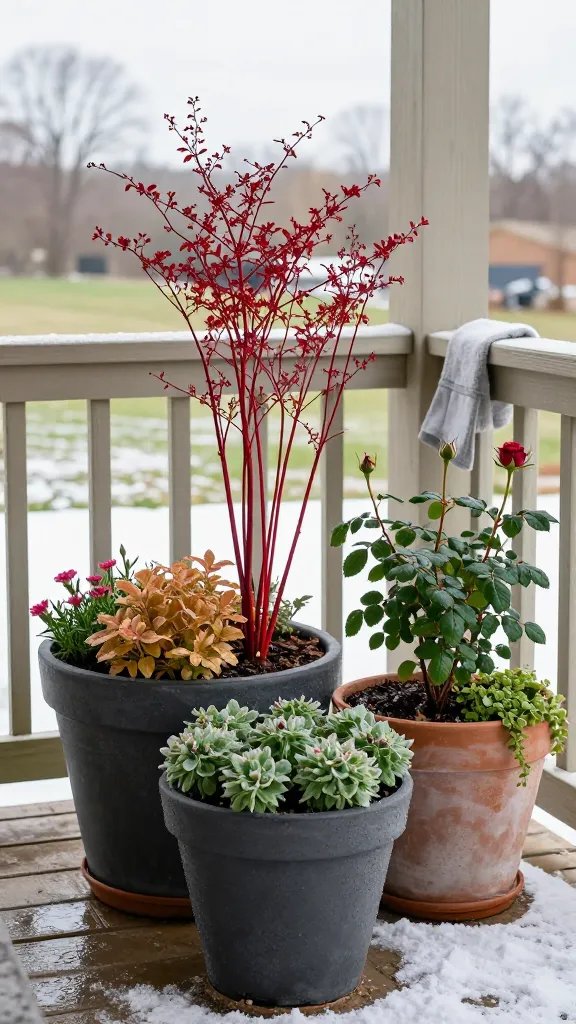
April swings from 60 degrees to surprise snow like a soap opera. You’ll plant cold-ready anchors that handle drama, then keep frost cloth at the ready. The result: steady growth without replanting every time the forecast panics.
Plant These Cold-Hardy Stars Now
- Woody shrubs (Zone 3–5 champs): Dwarf spirea ‘Goldflame’, potentilla ‘Goldfinger’, rugosa roses, red-twig dogwood ‘Arctic Fire’ (winter stem color = chef’s kiss).
- Perennials: Sedum (stonecrop) ‘Autumn Joy’, catmint ‘Walker’s Low’, dianthus, lamium, ajuga, geum, and armeria. These bounce back after frost without drama.
- Herbs that like it cool: Chives, thyme, sage, oregano. Rosemary is iffy in pots here; if you try, overwinter it in an unheated garage.
Frost Insurance
- Keep frost cloth or old sheets nearby for surprise overnights. Avoid plastic touching foliage.
- Water the day before a freeze: Moist soil holds heat better than dry soil. Counterintuitive but true.
- Mulch thinly: 1 inch of shredded bark or leaf mold helps buffer temps without smothering crowns.
Feeding And Pot Size
- Feed lightly with a slow-release fertilizer (osmocote-style). Cool soil = slow uptake; don’t overdo it.
- Use big pots: Minimum 16–20 inches wide for perennials/woody plants to prevent root freeze-thaw damage.
Why this works: you’re setting a resilient backbone that handles Zone 3–5 mood swings. Less replanting, more thriving.
4. May: Go Big On Color Without Melting Your Hardy Setup
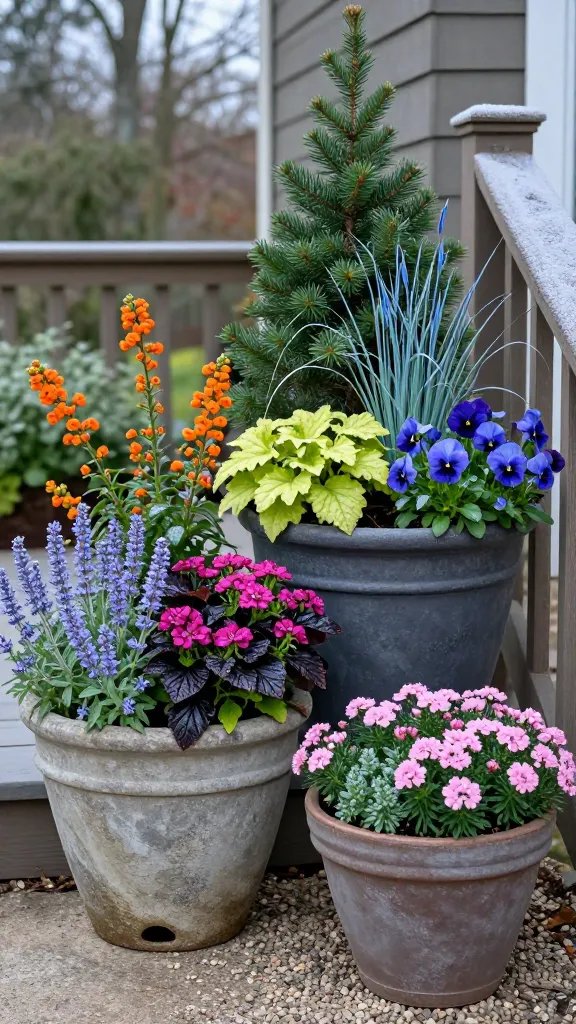
May finally delivers planting joy, but you’ll still choose plants that won’t sulk at a chilly night. Layer color in and balance exuberance with toughness. The trick: mix early summer bloomers with foliage that stays stunning all season.
Color Combos That Won’t Quit
- Blue + Chartreuse: Blue oat grass, heuchera ‘Lime Rickey’, pansies, and dwarf spruce. Classic cool vibe.
- Berry Tones: Catmint, dianthus, heuchera ‘Black Pearl’, geum ‘Totally Tangerine’ for playful contrast.
- Alpine-ish Mix: Sedum, armeria, thrift, creeping thyme in a shallow, wide bowl for a rock-garden-in-a-pot moment.
Container-Friendly Edibles (Cold-Tolerant)
- Leafy greens: Kale, Swiss chard, spinach. Tuck between ornamentals for an edible-meets-pretty pot.
- Compact berries: Alpine strawberries ‘Mignonette’ handle cool nights and taste like candy.
- Peas: Dwarf sugar snaps on a mini trellis. Cute and snackable.
Care Tips For The Spring Rush
- Water smart: Morning watering reduces fungal issues. Containers dry faster in wind—check daily.
- Deadhead early bloomers like pansies to keep flowers coming.
- Pinch catmint to keep it bushy and avoid flopping. Trust me, a quick pinch saves you later.
Result? Your porch looks like a boutique garden shop display, and it actually survives a random 38°F night. Seriously, it’s that good.
5. June–August: Thrive Mode, Heat Hedges, And Midseason Makeovers
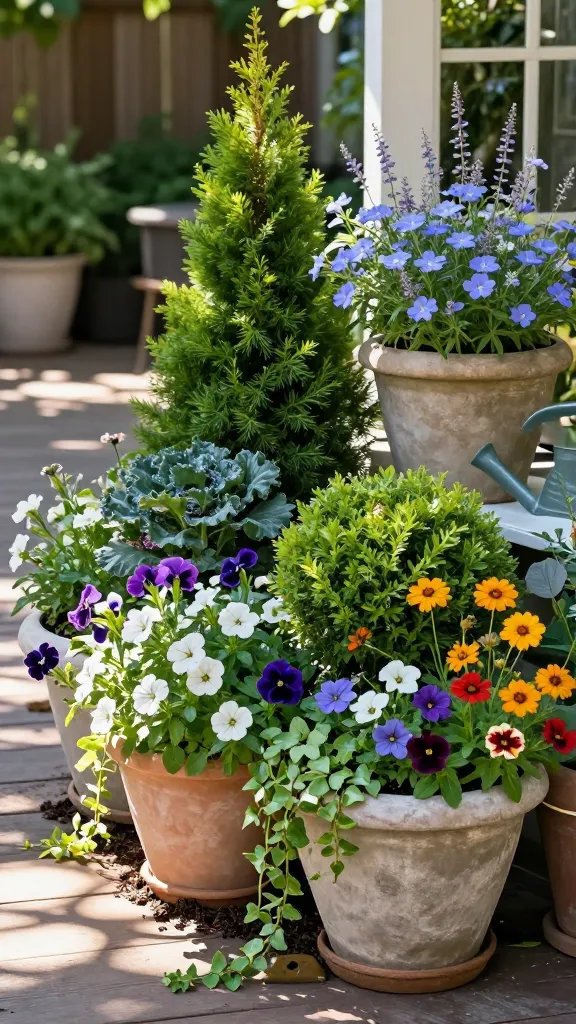
Summer feels easy, but containers in Zones 3–5 still deal with intense swings: hot days, cool nights, and occasional drought. You’ll keep the hardy base, then refresh color and manage heat so roots stay happy. Bonus: swap tired cool-season annuals for heat lovers without losing the vibe.
Midseason Refresh
- Replace spring annuals (pansies, kale) with tougher bloomers: calibrachoa, petunias, verbena, lobelia (morning sun, afternoon shade), bacopa.
- Perennial pop-ins: Coreopsis, gaillardia, hardy geranium ‘Rozanne’, echinacea if your pot is large and deep.
- Foliage stars: Heuchera still slays. Add carex ‘Ice Dance’ or hakonechloa in part shade for movement.
Water And Heat Management
- Deep soak 2–3 times weekly rather than daily sips. Stick a finger 2 inches deep—if dry, water until it drains.
- Shade the pot, not the plant: Pull containers together to shade sides, or add a thin coir wrap. Keeps roots cooler.
- Fertilize lightly every 2–3 weeks with a diluted liquid feed for annuals; stick to slow-release for perennials and shrubs.
Overwintering Strategy (Yes, Think Ahead)
- Choose plants rated 1–2 zones colder than your location when they live in pots. In Zone 4? Pick plants hardy to Zone 2–3.
- Plan fall swaps: As summer wanes, keep the conifers/evergreens and slide in ornamental cabbage, asters, and mums for an easy transition.
By summer’s end, your containers still look lush, not crispy. That means your choices played the long game—applause incoming.
Ready to beat winter at its own game and have containers that flex all year? Start with the tough structure, layer in color by month, and keep frost cloth and humor handy. You’ve got this—your porch is about to be the best-looking spot on the block, FYI.