
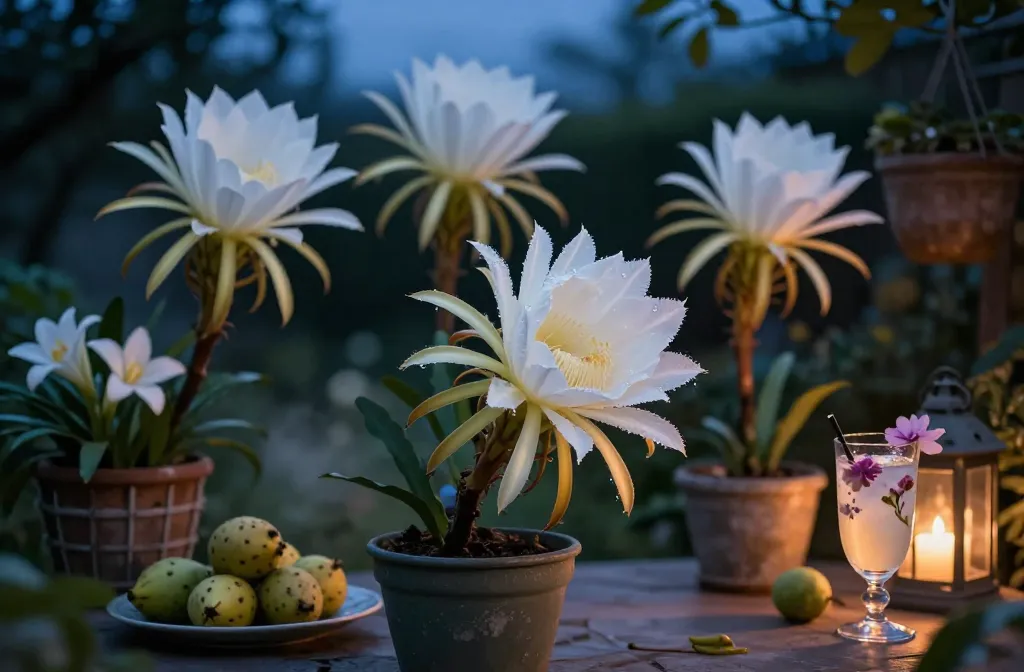
Moonlit flowers that you can actually eat? Yes, please. These nocturnal show-offs perfume your evenings, feed the pollinators, and give you ingredients for drinks, desserts, and snacks. If your patio feels meh after sunset, these five edible plants will turn it into a twilight wonderland—while stocking your kitchen with some unexpected treats. Let’s glow up your nights, literally.
1. Night-Blooming Cereus: The Queenly Cactus You Can Sip
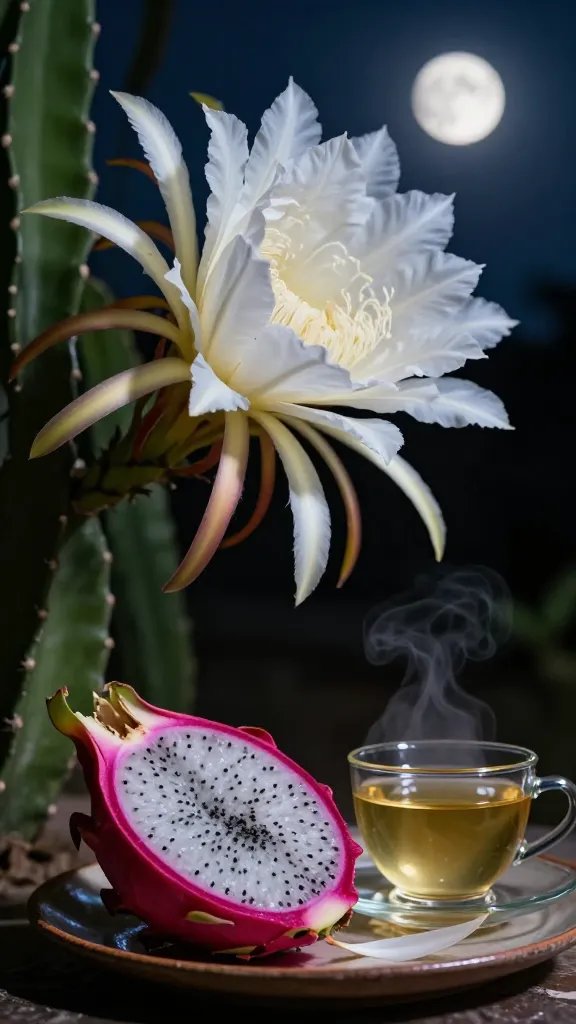
When people say “night-blooming,” this legendary cactus owns the crown. The night-blooming cereus (Epiphyllum/Disocactus species and relatives) unfurls giant white blossoms that last just one night and smell like vanilla and jasmine had a baby. The kicker? Certain species produce an edible fruit that tastes like a cleaner, lighter dragon fruit.
Want drama? This plant delivers a midnight show followed by a sweet payoff. Some cultures also use its petals in herbal teas and syrups—floral, delicate, and perfect for late-summer cocktails.
Where It Shines
- Warm climates or bright indoor spots with indirect light
- Hanging baskets or trellised containers
- Patios where you host evening hangs
Tips
- Give it bright, filtered light and let soil dry between waterings.
- Feed lightly in spring and summer; go easy in winter.
- Harvest fruit when it softens slightly and the skin color deepens.
Use the fruit in smoothies or spoon it straight from the rind. For a treat, steep a few petals (from pesticide-free blooms) into a simple syrup for sparkling water or gin. The benefit? A stunning night display and an edible perk without much fuss.
2. Moonflower: The Fragrant Night Trumpet You Can Nibble Carefully
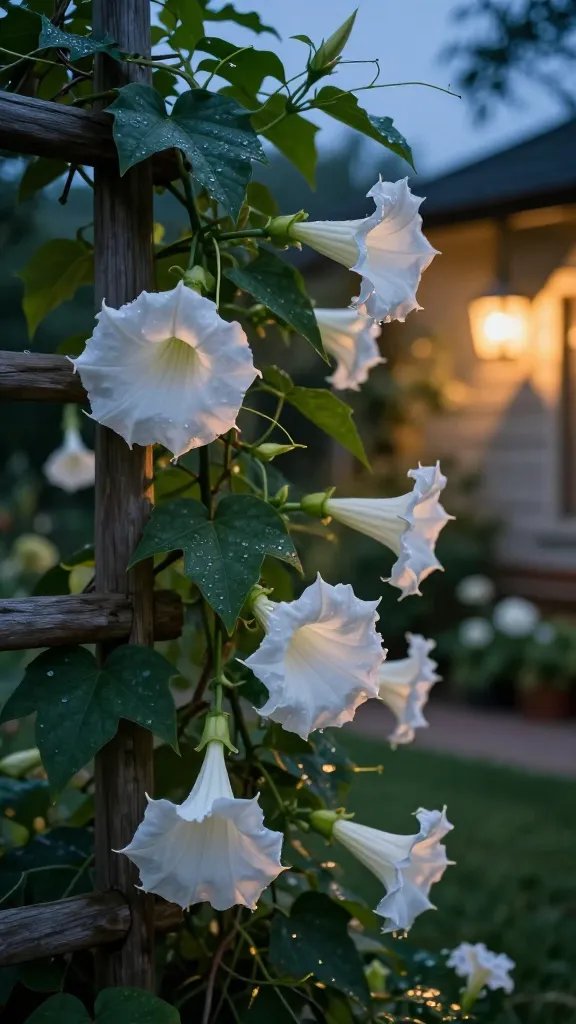
Moonflower gets confusing because two plants share the nickname. You want the Ipomoea alba—a relative of morning glories—with huge, white, night-opening flowers and a scent that stops you in your tracks. It climbs fast, makes a dreamy evening backdrop, and blossoms when the sun clocks out.
Edibility? The tender young leaves and shoots of some Ipomoea species are cooked as greens in parts of the world. With I. alba, stick to very young, cooked leaves only and do this sparingly—bitter compounds and GI upset can happen if you overdo it. If you want a safer culinary twin, grow water spinach (Ipomoea aquatica) for the skillet and moonflower for the show.
Key Points
- Open at dusk, close by morning—plant where you linger at night.
- Provide a sturdy trellis; it grows like it means it.
- Only eat pesticide-free, very young cooked leaves—and only if you tolerate them. When in doubt, enjoy the scent and skip the fork, seriously.
Great Uses
- Train over pergolas or balcony railings for a glow-in-the-dark vibe.
- Pair with fairy lights for instant “secret garden” energy.
- Companion with evening herbs (like lemon verbena) for a fragrance wall.
Bottom line: spectacular, romantic, and a conversation starter. Culinary curiosity optional, fragrance mandatory.
3. Dragon Fruit (Hylocereus/ Selenicereus): Neon Fruit, Night Blooms
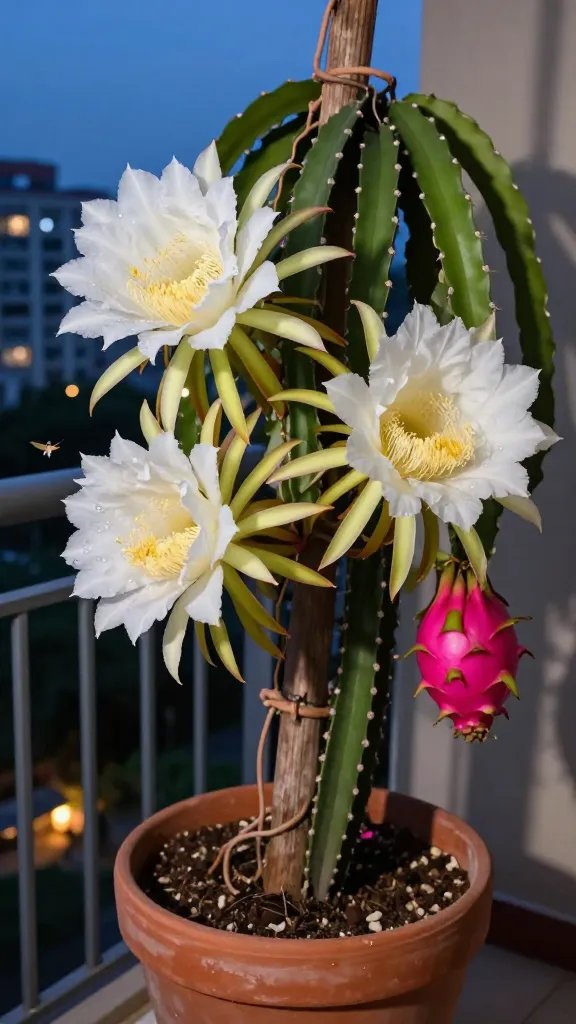
Meet the extrovert of the cactus world. Dragon fruit vines pump out massive, white, night-blooming flowers with a heady perfume, then reward your patience with those neon-scaled fruits you see at fancy brunch spots. They taste like a lightly sweet kiwi-pear hybrid and look absolutely unbothered about being Instagrammable.
You can grow it in a pot with a sturdy support, even on a sunny balcony. It loves heat, hates frost, and thrives on neglect—as long as it gets bright light and well-draining soil.
Tips For Success
- Use a large container with a cactus mix plus a bit of compost for oomph.
- Train the vine up a post, then let it cascade for more blooms.
- Hand-pollinate at night with a soft brush if fruit set seems shy.
How To Use The Goods
- Dice for fruit salads with lime and a pinch of salt.
- Freeze into cubes for smoothies or spritzers.
- Whip into chia pudding for a glow-up breakfast.
Dragon fruit earns its keep: midnight flowers for the vibes, sunrise fruit for the fridge. FYI, it’s low-maintenance once established and makes you look like a gardening wizard.
4. Night-Blooming Jasmine (Cestrum nocturnum): Add Aroma, Use Caution
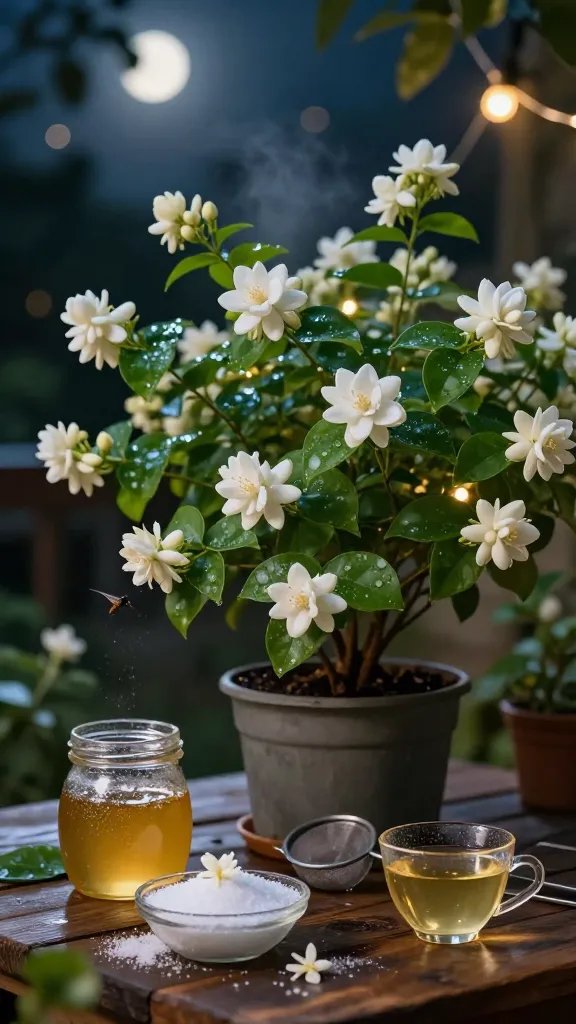
Okay, hot take: night-blooming jasmine isn’t true jasmine, and it’s not a food. But gardeners use its blossoms to perfume teas, syrups, and sweeteners—by infusion, not by eating the plant. The flowers crank out a powerful fragrance at night that can scent an entire patio, and you can capture that aroma in sugar or honey for desserts and drinks.
Why include it? Because it’s a secret weapon for flavor without munching the plant. You’ll trap the scent safely and add a night-blooming note to your pantry. Think of it like vanilla pods—you don’t eat them straight, you let them lend their magic.
Safe Infusion Method
- Pick fresh, pesticide-free blossoms at dusk.
- Layer blossoms with sugar in a sealed jar overnight; remove flowers next day.
- Use the perfumed sugar in shortbread, whipped cream, or tea.
Grower Notes
- Full sun to part shade; prune after flowering to keep it tidy.
- Container-friendly; move it where you entertain at night.
- Don’t ingest the plant itself—infuse aromas only. IMO, that’s the best part anyway.
Result: your kitchen gets a dreamy, nocturnal flavor profile while your garden smells like a night market. Sensible, safe, and seriously delightful.
5. Four O’Clock (Mirabilis jalapa): Petal Confetti You Can Eat
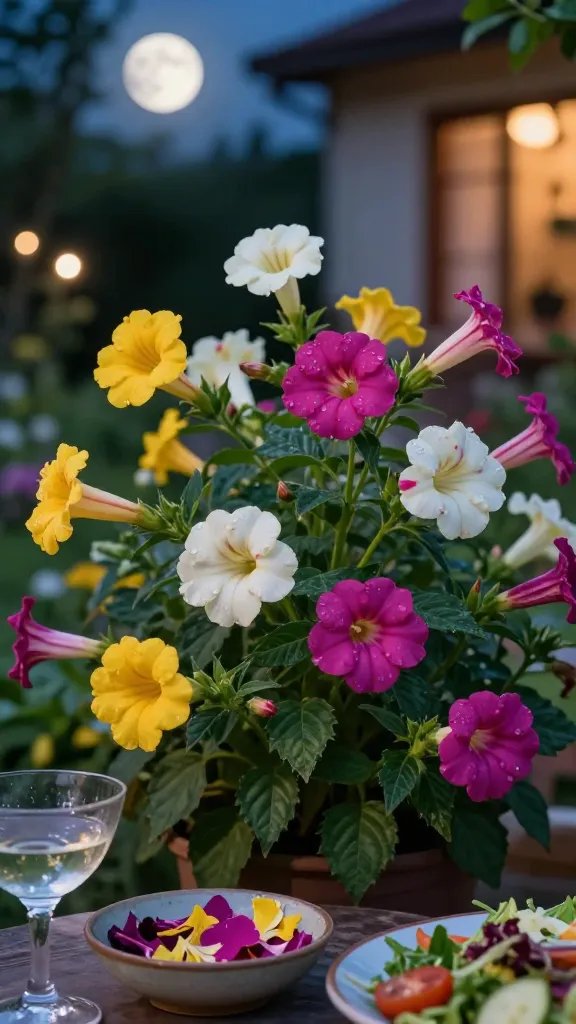
Four o’clocks technically open late afternoon into night—close enough, and the effect after sunset is gorgeous. The blooms come in wild color mixes—magenta, yellow, white, and even streaked tie-dye—and they keep fragrance going until bedtime. The fun part? You can use the petals as edible garnish for salads, cocktails, and desserts.
The flavor stays mild, slightly sweet, and perfect for adding color without clashing with your dish. They reseed easily, so you’ll get a returning night show with minimal effort. Just plant once and enjoy the encore.
How To Grow
- Full sun, average soil; tolerates heat and a bit of neglect.
- Great in borders and big containers near seating areas.
- Clip blossoms in the evening for peak fragrance and turgor.
In The Kitchen
- Sprinkle petals over fruit tarts or panna cotta.
- Freeze into ice cubes for party drinks—instant color pop.
- Float a bloom on lemonade or iced tea for a zero-effort glow-up.
Use this plant when you want big color, zero drama, and edible decor that actually tastes like something. Trust me, your dessert plates will thank you.
Ready to moonlight as a night gardener? Plant a few of these glow-ups and your evenings will smell sweeter, look dreamier, and taste a whole lot more interesting. Mix one or two now, then add more next season as your confidence (and bragging rights) grow. Your patio after dark? About to become everyone’s favorite hangout.