
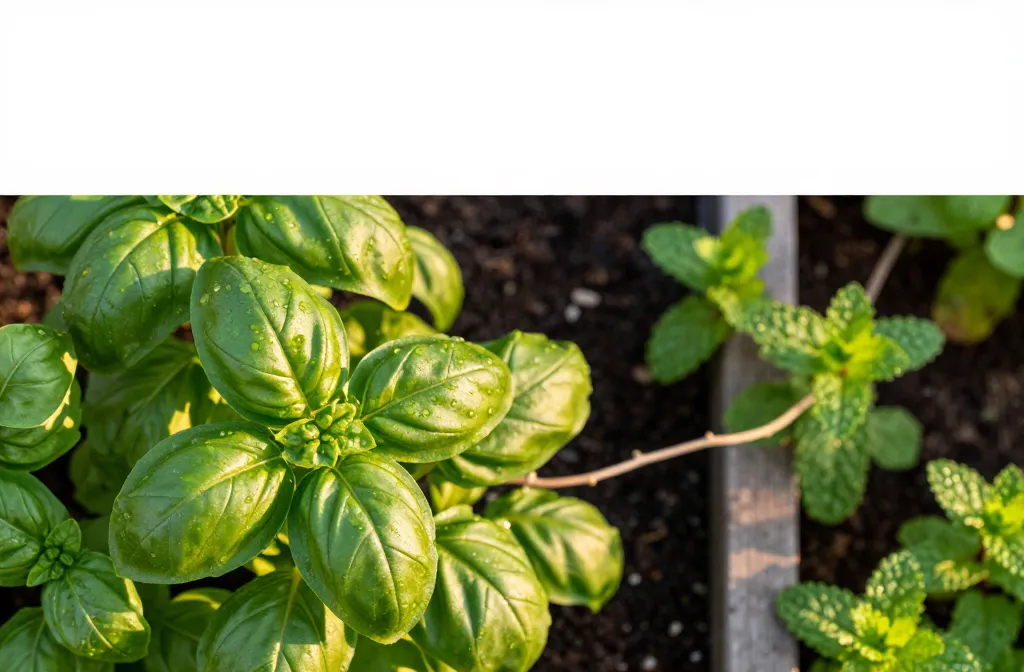
Basil smells like summer and tastes like your best pasta night, but it’s also a bit of a diva about its neighbors. Plant the wrong companions and your basil throws a fit: fewer leaves, weird flavors, more pests. Save yourself the drama. Here are six plants you should keep out of basil’s personal space and what to do instead.
1. Mint Mayhem: The Aromatic Bully
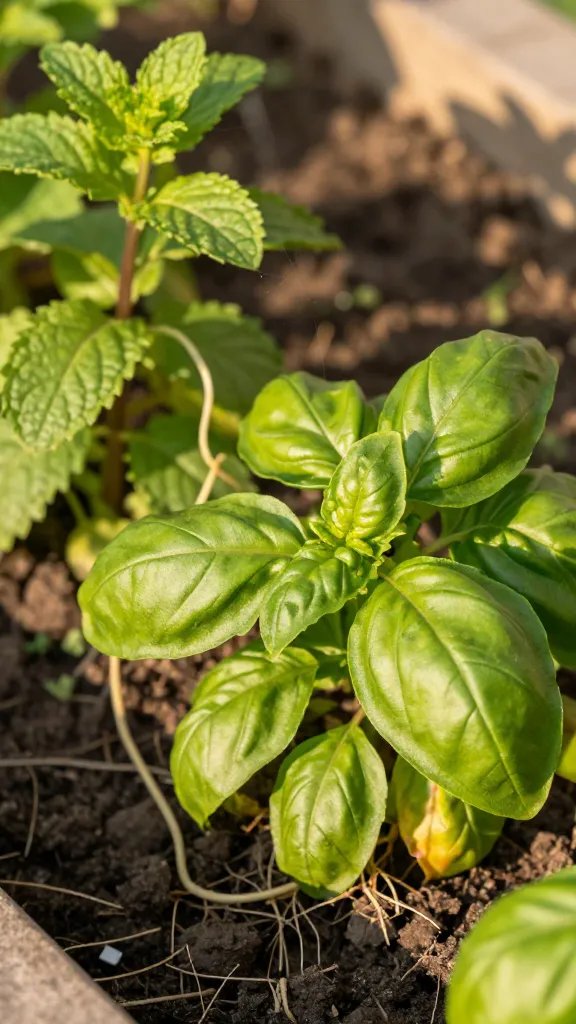
Mint looks innocent, but it spreads like it pays the mortgage. It competes hard for moisture and nutrients, and its aggressive growth can shade and crowd out basil fast. Plus, both are aromatic herbs that attract similar pests, which can concentrate problems instead of helping.
Why They Clash
- Resource hogging: Mint’s runners invade basil’s roots and steal water.
- Pest overlap: Aphids and spider mites may party on both, compounding infestations.
- Microclimate mismatch: Basil loves warmth and consistent moisture; mint tolerates cooler, damper spots.
If you adore both, grow mint in its own pot (seriously, always) and keep it a few feet away. Your basil gets sunlight and airflow, and your mint still thrives without turning into a green land grabber.
Better Alternatives Nearby
- Parsley or chives for gentle companionship
- Marigolds to deter pests without stealing space
When to use this advice: Any time you feel tempted to tuck a mint cutting “just for now.” Don’t. Your basil will thank you.
2. Fennel: The Flavor Saboteur
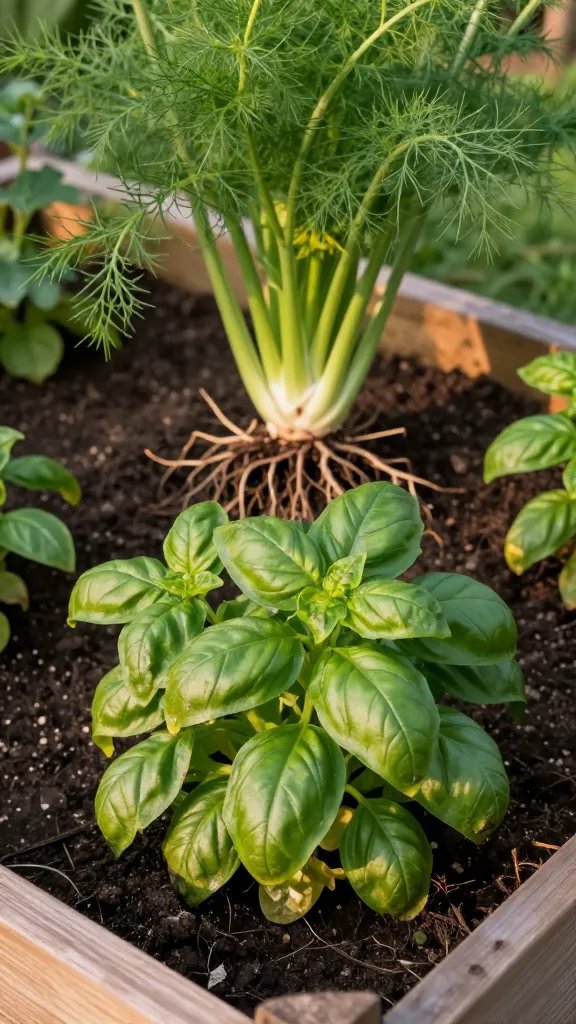
Fennel looks elegant, but it’s basically the mean girl of the herb bed. It releases allelopathic compounds that can stunt growth in nearby plants, basil included. And yes, fennel also hogs nutrients while drawing similar pests.
Key Points
- Allelopathy: Fennel exudes chemicals that inhibit basil’s root development and vigor.
- Root competition: Deep, thirsty roots outcompete basil for water and minerals.
- Flavor conflict: Competing aromatics can lead to muted or off basil flavor, IMO.
Grow fennel way across the garden or in a dedicated patch. You’ll protect your basil’s growth rate and flavor intensity—not to mention your caprese salads.
What To Plant Near Basil Instead
- Tomatoes: Classic pairing for improved flavor and microclimate benefits
- Peppers: Similar warmth needs, complementary spacing
Bottom line: Keep fennel far away to avoid stunted basil and sad harvests.
3. Cucumbers: The Water-Hungry Frenemies
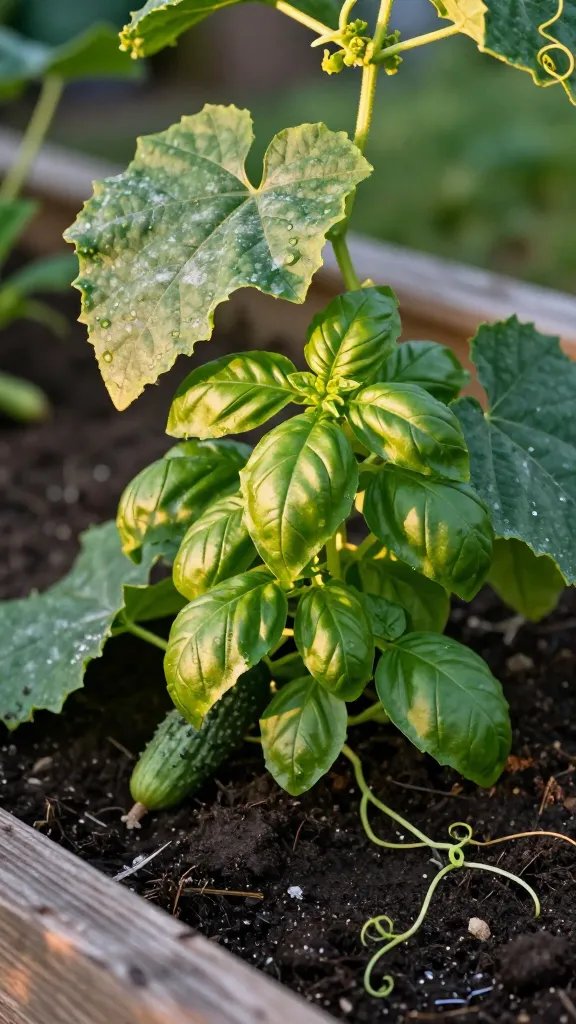
Cucumbers crave tons of water and sprawl with reckless enthusiasm. When they cozy up to basil, they create shade, swallow space, and drink like it’s happy hour—leaving basil thirsty and less fragrant. Also, cucumbers can exacerbate mildew issues that basil hates.
What Goes Wrong
- Moisture mismatch: Basil likes even moisture; cucumbers need heavy, frequent watering that can stress basil’s roots.
- Shade creep: Vines and big leaves reduce basil’s sun exposure, leading to leggy growth.
- Disease spread: Humidity and leaf density can increase powdery mildew risk.
Want both in the same bed? Use a trellis for cukes on the north side and give basil its sunny, open lane. Mulch both, but don’t overwater the basil. FYI, basil flavors pop with full sun and steady—not soggy—soil moisture.
Quick Spacing Tips
- Keep at least 18–24 inches between basil and cucumber vines
- Prune cucumber leaves that shade basil
- Water cucumbers at soil level to avoid damping off issues on nearby herbs
Use this setup when space runs tight—just prioritize airflow and sunlight for happy basil.
4. Sage And Rosemary: The Dry-Loving Divas
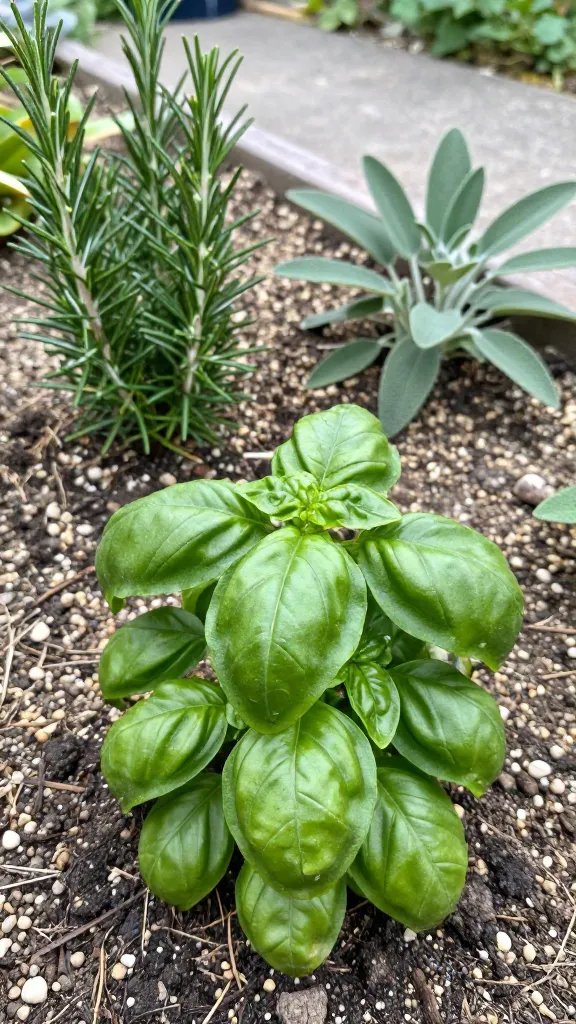
Sage and rosemary bring bold flavors, but they want drier soil and less fuss. Basil prefers consistent moisture and richer soil, so putting them together creates a constant watering conflict. Someone will sulk, and it’s usually the basil.
Why They Don’t Mix
- Watering mismatch: Basil droops without regular water; rosemary and sage resent it.
- Soil pH and fertility: Basil likes slightly richer, well-fed soil; woody herbs do best leaner.
- Airflow needs: Basil’s softer leaves struggle in hot, dry wind that rosemary handles fine.
Plant them in separate zones or containers that match their quirks. Basil near tomatoes in rich, evenly moist soil. Rosemary and sage in a sunnier, grittier, well-drained spot with less irrigation.
Better Basil Buddies
- Oregano (in moderation) for shared sun needs and easy watering
- Nasturtiums to attract pollinators and distract aphids
Choose this separation strategy if you live in a hot, dry climate where overwatering woody herbs becomes a problem fast.
5. Rue: The Herb With Serious Boundary Issues
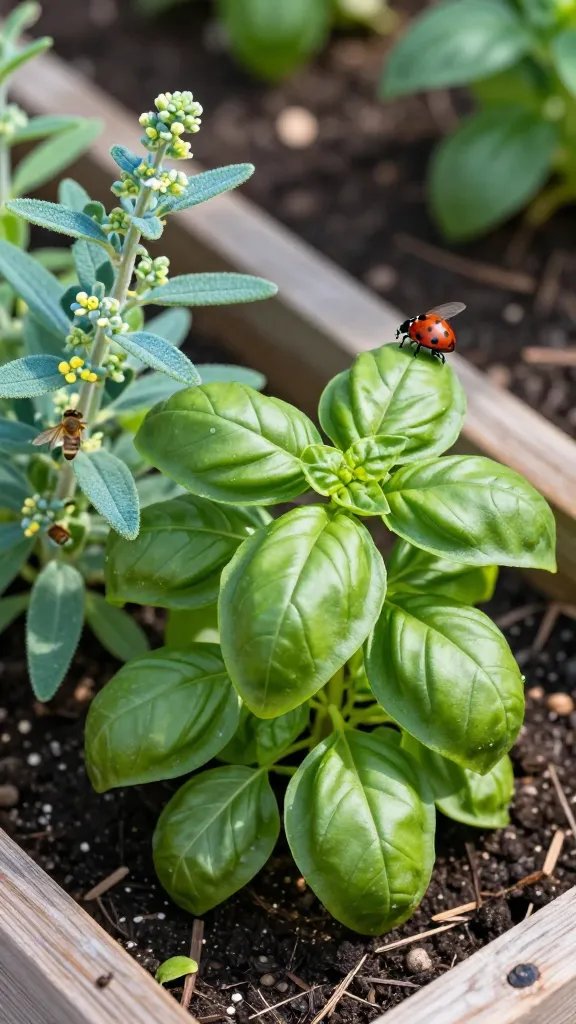
Rue gives off compounds and strong aromas that neighbors often dislike, basil included. It can stunt nearby growth and confuse beneficial insects. Plus, rue can cause skin irritation in sunlight—so it’s already on thin ice in a busy herb bed.
What To Know
- Allelopathic tendencies: Rue can suppress growth in sensitive plants like basil.
- Insect behavior: Its strong scent can deter some pests—but also some pollinators and beneficials you want around.
- Gardener hazard: Photosensitivity can happen if sap contacts skin, then meets sun. Not ideal next to frequently harvested basil.
If you love rue for ornamental value, tuck it in a decorative corner or a dedicated pollinator zone away from culinary herbs. Harvest basil often without brushing against rue, and you’ll keep flavor and safety intact.
Smart Substitutes
- Calendula for gentle pest deterrence and edible petals
- Borage to draw pollinators without the chemical drama
Use this guidance if you want a culinary-focused herb bed that prioritizes safety, flavor, and easy harvesting.
6. Dill: The Confusing Cousin That Competes And Crosses Wires
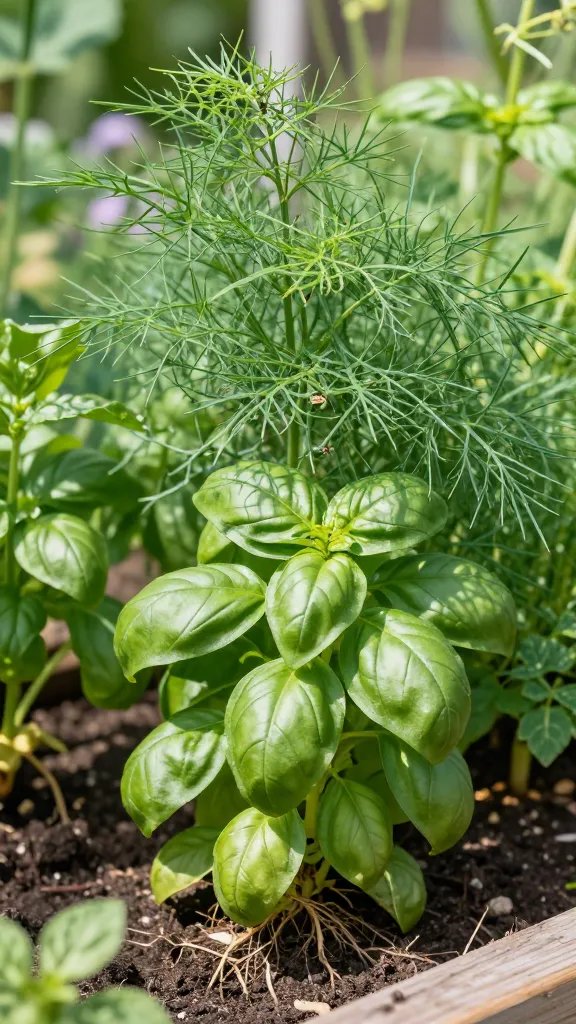
Dill and basil share some enemies—aphids, for one—and similar growing seasons, which sounds convenient until it isn’t. Dill grows tall, then flops or bolts, shading basil and hogging nutrients. The timing makes basil spindly and less productive.
How Dill Trips Up Basil
- Shade and crowding: Mature dill towers over basil and blocks light.
- Soil depletion: Fast growth siphons nitrogen and micronutrients basil needs for leafy production.
- Pest traffic: Overlapping pests bounce between them, making management harder.
Still want dill? Plant it at the bed’s back or in a separate container. Succession plant smaller batches of dill so it doesn’t bolt all at once and cast a giant shadow over your basil patch.
Pro Tip
- Stagger heights: tall crops north side, basil south side
- Pinch basil often to keep it bushy and sun-exposed
- Use a light compost top-dress mid-season to replace nutrients dill may steal
This setup keeps your basil lush and your dill under control, which equals better sauces and pickles—win-win.
Ready to give basil a drama-free neighborhood? Keep these six troublemakers at arm’s length, and your basil will reward you with bigger, sweeter harvests. Go rearrange those pots, tweak your spacing, and watch the pesto practically make itself—seriously.