
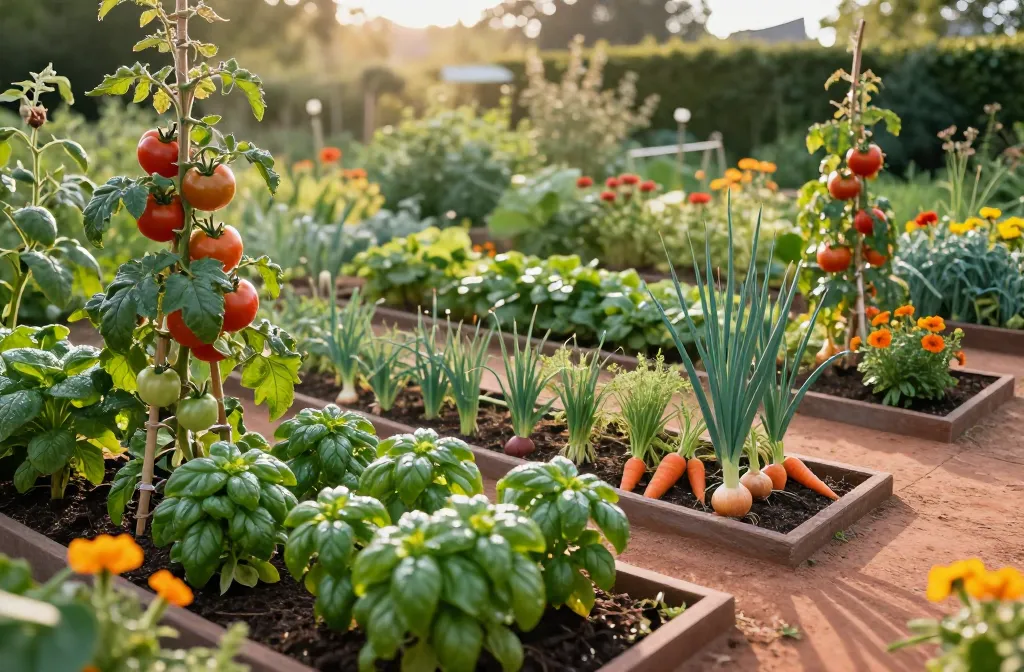
Want herbs and veggies that taste better, grow faster, and basically babysit each other? Companion planting in a French kitchen garden (aka a potager) does exactly that. These time-tested French pairings boost flavor, repel pests, and make your garden look like it belongs in a countryside cookbook. Ready to plant smarter and eat better?
1. Basil + Tomatoes: The Sun-Kissed Power Couple

Classic French cooks swear by this duo, and gardeners do too. Basil boosts tomato flavor, helps deter hornworms and flies, and shades the soil to keep it moist. Tomatoes return the favor with height and structure—basil nestles in, happy as can be.
Key Moves:
- Spacing: Plant basil 8–12 inches from tomato stems to avoid crowding but keep the companion effect.
- Pruning: Pinch basil tops regularly to prevent flowering and push new leaves.
- Watering: Deep water tomatoes; basil likes that slightly damp microclimate underneath.
Want better caprese? Grow them together. You’ll harvest more, earlier, and the flavor sings—seriously.
2. Carrots + Leeks (With a Side of Onions): The Fragrance Shield
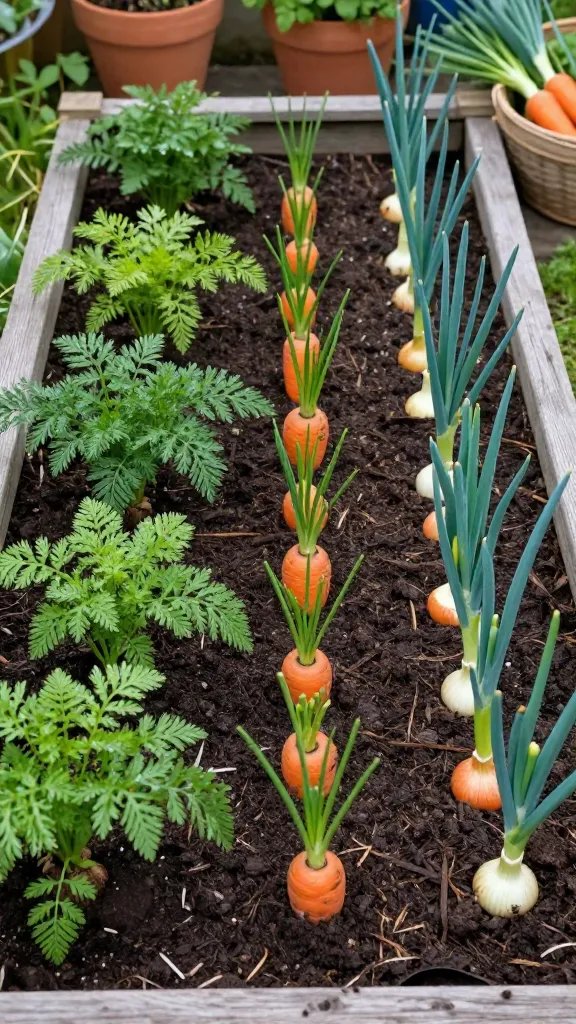
This is the classic French pest swap. Leeks and onions confuse carrot flies; carrots muddle the scent trail for leek moths. Everybody wins, nobody gets eaten (well, until dinner).
How To Plant:
- Layout: Alternate short rows: carrots, leeks, carrots, onions. Or interplant leeks every 10–12 inches between carrot rows.
- Timing: Start leeks early; sow carrots once soil warms. Onions slide in anytime spring to early summer.
- Mulch: Keep soil cool and moist for carrots—fine compost works best.
Use this trio when you want low maintenance and fewer sprays. It’s elegant, effective, and very potager-core.
3. Lettuce + Radishes + Chives: The Fast-and-Fresh Salad Strip

This combo gives you harvests in waves. Radishes pop up fast, loosen soil for lettuce roots, and leave space as they exit. Chives add subtle onion perfume that pests dislike and salads love.
Planting Tips:
- Succession: Sow radishes every 10–14 days between lettuce rows.
- Shade Play: Use taller leaf lettuce to give baby radishes partial shade as weather warms.
- Chive Edges: Plant chives as a border every 8–10 inches; snip often to keep them productive.
Perfect for small beds or containers. You’ll snack straight from the garden—IMO, that’s peak summer living.
4. Strawberries + Borage + Thyme: The Sweet, Bee-Attracting Ground Crew
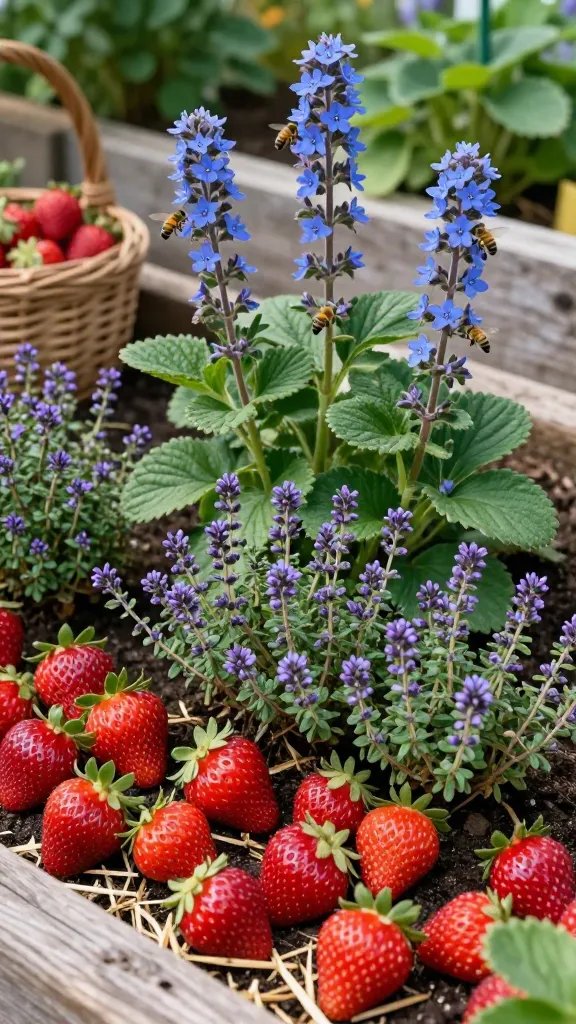
Strawberries get sweeter with good pollination and steady moisture. Borage invites bees like it’s hosting brunch and allegedly makes strawberries taste richer. Thyme creeps in to suppress weeds, hold soil, and add that herby perfume.
What Works Best:
- Placement: Plant borage every 2–3 feet—don’t crowd the berries; borage gets big.
- Thyme Mat: Tuck thyme between strawberry crowns to cover bare soil.
- Moisture: Keep consistent watering for plump berries; mulch with straw or shredded leaves.
Use this trio if you want low-fuss berries and a bed that looks stunning. Pollinators will thank you.
5. Beans + Savory + Cabbage Family: The Potager All-Stars
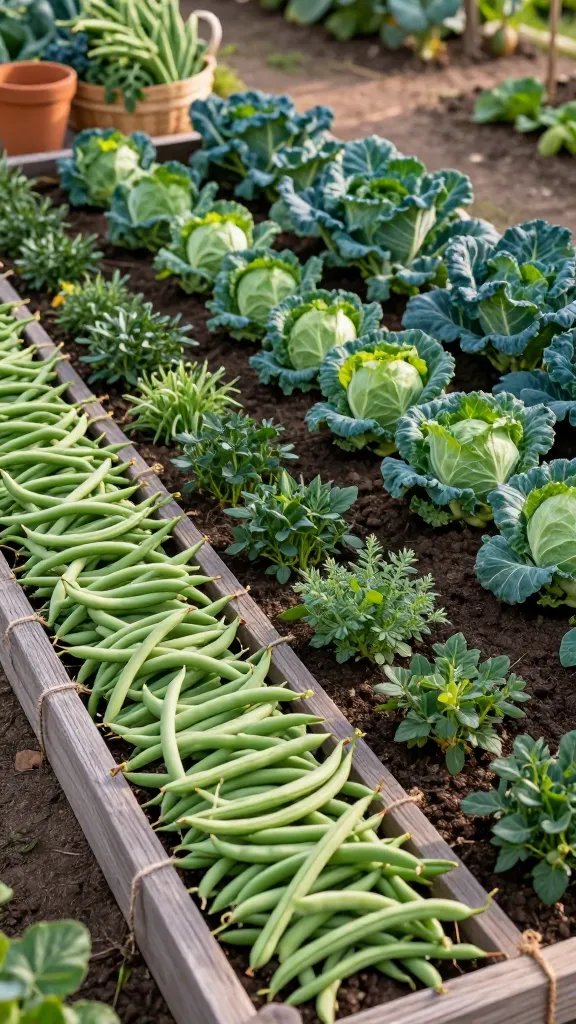
French green beans (haricots verts) love the company of winter savory, an herb that repels bean beetles and adds peppery zing to the harvest. Slide in cabbages, kale, or broccoli nearby—beans fix nitrogen and, with proper spacing, support leafy growth.
Configuration Ideas:
- Bush Beans + Savory: Plant a savory plant every 2–3 feet along bean rows.
- Pole Beans + Brassicas: Grow pole beans on trellises while cabbages sit on the sunny side, 18–24 inches away.
- Rotation: Follow with heavy feeders next year where beans grew—hello, cabbage patch.
Choose this setup when you want pest control, rich soil, and a harvest that screams “French bistro.” FYI: try tossing steamed beans with chopped savory and butter—chef’s kiss.
6. Cucumbers + Dill + Nasturtiums: The Crisp-and-Zingy Trio
Dill attracts beneficial insects that patrol for cucumber pests. Nasturtiums act as a trap crop for aphids and provide edible flowers with a peppery bite. Cucumbers sprawl happily with this protective entourage.
Grower Notes:
- Trellis: Train cucumbers up a fence or A-frame to save space and reduce disease.
- Dill Spacing: Plant every 18–24 inches; let a few go to seed for next year.
- Nasturtium Blanket: Seed around the base; they’ll cascade and keep soil cool.
Use when you crave crunchy cukes without the drama. Bonus: Pickles plus fresh dill? Match made in a mason jar.
7. Beets + Garlic + Mint (In a Pot): The Earthy-Fresh Medley
Beets love steady nutrients and consistent moisture. Garlic helps deter root-munchers, and mint confuses pests—just keep mint contained unless you want it everywhere. The combo smells incredible and tastes even better.
How To Pull It Off:
- Mint Control: Plant mint in a sunken pot or nearby container to prevent spreading.
- Garlic Edges: Tuck garlic cloves around beet beds in fall or early spring.
- Thinning: Thin beets early and eat the greens—don’t skip this step.
Great if you want multi-season interest: garlic early, beets mid-season, mint all summer. Your kitchen will smell like a market in Provence.
8. Peas + Fennel (Nearby) + Marigolds: The Climbing Crew With Bodyguards
Peas adore cool weather and support. Marigolds protect roots by confusing nematodes and attracting pollinators. Fennel can stunt some plants, so keep it at a polite distance—close enough for beneficials, not so close it throws shade or attitude.
Best Practices:
- Trellis Early: Give peas strings or netting at planting time.
- Marigold Border: Plant a low border along the pea bed; deadhead for continuous bloom.
- Fennel Buffer: Keep fennel 2–3 feet away in its own corner or pot.
Use this when you want spring peas that stay healthy and picturesque. Also, pea shoots + marigold petals = fancy salad for basically no effort.
9. Zucchini + Calendula + Oregano: The Squash Squad
Zucchini can sulk under pest pressure. Calendula lures pollinators and traps aphids, while oregano creeps in, covers soil, and releases aromatic oils that deter pests. Together, they build a living mulch and bee buffet.
Planting Snapshot:
- Spacing: Give zucchini room—3 feet each—then drop calendula between plants.
- Oregano Edge: Perennial border along the bed; keep trimmed to avoid takeover.
- Airflow: Prune big leaves for air circulation and easier harvesting.
Choose this mix if squash vine borers haunt your nightmares. It won’t fix everything, but it stacks the deck in your favor.
10. Potatoes + Horseradish + Tansy (Optional): The Root Fortification
Potatoes appreciate companions that deter beetles and boost resilience. Horseradish near the corners of the bed allegedly helps with disease resistance and pests. Tansy, if you use it, attracts predatory insects—just handle its spread wisely.
Smart Setup:
- Corner Planting: One horseradish per bed corner; it stays out of the way.
- Earthing Up: Hill potatoes regularly to prevent greening and increase yield.
- Tansy Caution: Grow it in a pot or a controlled patch—intense and vigorous.
Use when you want robust tubers with fewer chew marks. Bonus: horseradish crema for your roasted potatoes, anyone?
11. Spinach + Strawberries + Garlic Chives: The Cool Crowd
Spinach likes cool roots and filtered light as the season heats up. Strawberries offer dappled shade, while garlic chives add subtle pest resistance and tasty snips for omelets. This trio keeps beds productive before and after peak heat.
Planting Guide:
- Timing: Sow spinach early; tuck in chive starts once frost risk passes.
- Mulch: Light straw or shredded leaves to keep soil cool and moist.
- Harvest Rhythm: Cut spinach outer leaves; let strawberries take the stage later.
Pick this when you want spring greens and early berries from the same square footage. Efficient and delicious, just how we like it.
12. Eggplant + French Marigolds + Basil: The Mediterranean Mashup
Eggplants thrive with warmth and pollinators. French marigolds help discourage soil pests, and basil boosts flavor while pulling in helpful insects. The bed looks gorgeous and cooks like a dream.
Get It Right:
- Heat Lovers: Wait for warm nights before planting eggplant outside.
- Basil Cluster: Plant basil in small groups near eggplants for stronger aroma.
- Watering: Consistent moisture, no splashy leaves—aim at the roots.
Use when you want glossy eggplants and more pollination. Ratatouille night just got an upgrade.
13. Cabbage + Dill + Sage: The Butterfly Diversion
Cabbage moths can wreck brassicas fast. Dill attracts parasitic wasps that target caterpillars, while sage’s strong scent discourages egg-laying. Think of it as aromatherapy that bites back.
Pro Moves:
- Perimeter Sage: Plant sage around the brassica bed; keep it trimmed to prevent shading.
- Dill Dots: Sprinkle dill seedlings between cabbages every 18 inches.
- Netting Bonus: Add insect netting early if moth pressure ramps up.
Use when you want tight cabbage heads without a soap-opera-level pest drama. You’ll taste the difference in your slaws.
14. Parsley + Roses + Tomatoes: The Classic Potager Mix
Traditional French gardens blend ornamental and edible. Parsley under roses attracts beneficials, and it pairs beautifully with tomato beds—both visually and culinarily. The ecosystem gets richer, and your plates do too.
Best Use:
- Underplanting: Tuck parsley around rose bases and at the sunny edge of tomato beds.
- Moisture Harmony: Parsley likes the same steady watering tomatoes prefer.
- Cut-and-Come-Again: Harvest parsley outer stems to keep it lush.
Choose this when you want a garden that looks like a magazine and feeds your kitchen nightly. It’s the potager spirit in one tidy combo.
5. Potager Game Plan: Layout, Timing, and Zero-Stress Upkeep
You’ve got the combos—now stitch them into a layout that actually works. Keep beds diverse, leave paths wide enough to harvest without trampling, and rotate families each season. A little planning now saves headaches later, trust me.
Quick Layout Tips:
- Mix Heights: Taller plants north side, low growers south side to avoid shading.
- Weave Herbs Everywhere: Basil, savory, thyme, and chives boost resilience and flavor.
- Pollinator Magnets: Add marigolds, nasturtiums, borage throughout to supercharge yields.
- Soil First: Compost yearly, mulch generously, water deeply but not daily.
- Rotation: Follow legumes with heavy feeders, then light feeders, then rest with cover crops.
When to use this? Always. Companion planting turns your garden into a self-supporting team, not a bunch of divas demanding constant attention.
Ready to play matchmaker in your potager? Start with two or three combos you’ll actually cook with, then build from there. Your plants will look happier, your harvests will taste brighter, and your dinner guests will ask for “your secret”—FYI, you can brag a little.