
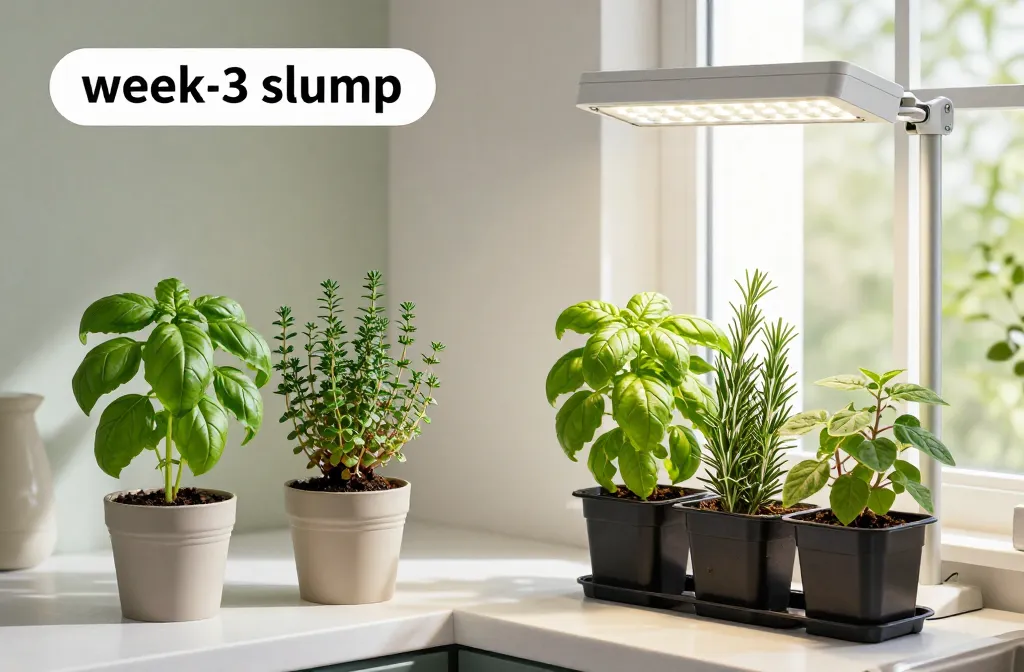
By the third week, I used to watch my basil collapse like clockwork — lush on day 10, sulking by day 18, brown sticks by day 21. If that feels familiar, you’re not failing and it’s not overwatering. Container herbs crash on a schedule because a few predictable setup mistakes starve them of light, air, and nutrients. I’ll show you the exact fixes that stop the week‑3 slump and give you reliable, pickable herbs all season.
Insufficient Light: Windows Aren’t All Equal
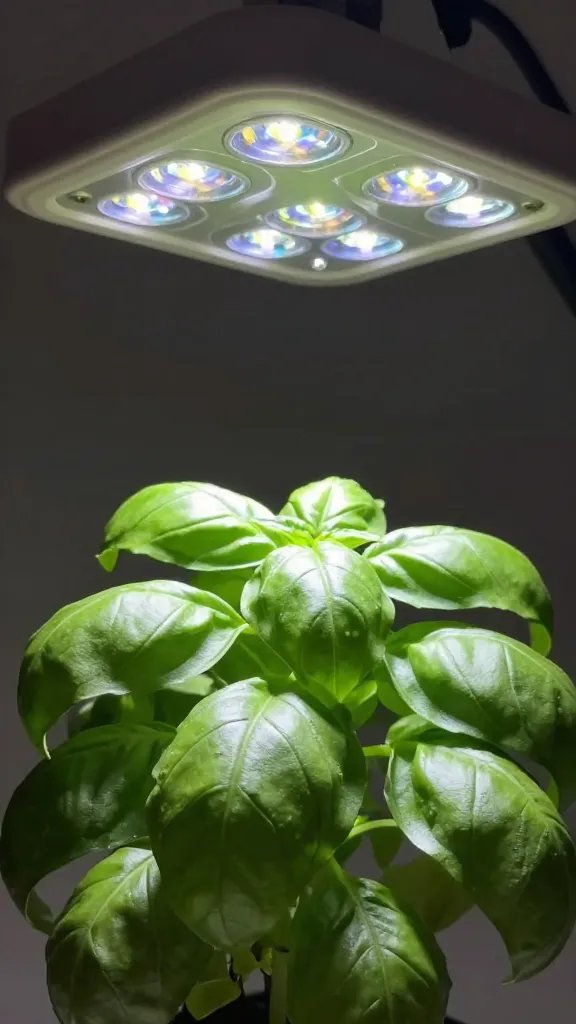
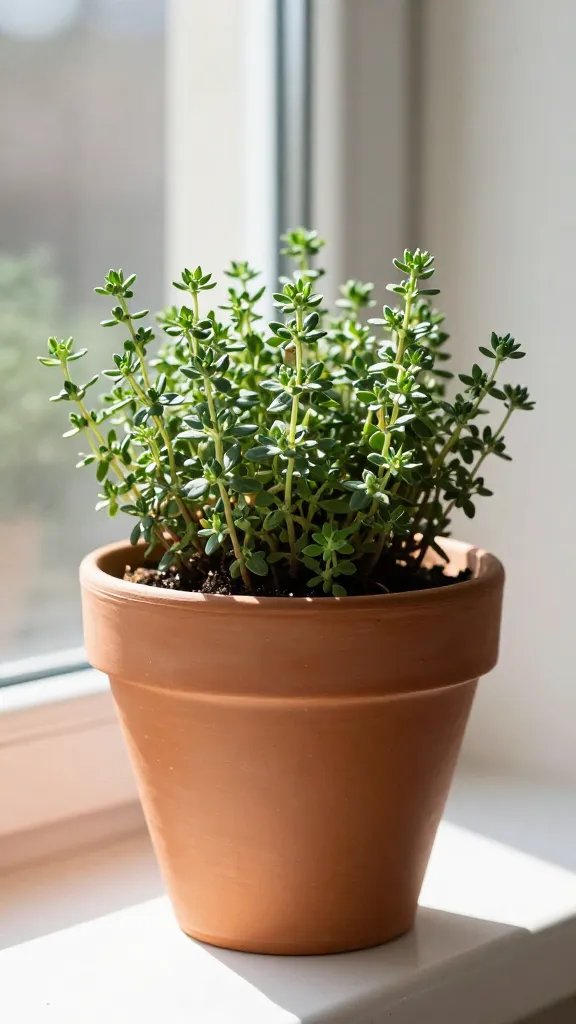
Herbs like basil, rosemary, thyme, and oregano are Mediterranean sun plants. A dim kitchen counter or a north window keeps them alive for two weeks, then they stretch, thin out, and drop leaves. That week‑3 flop is light debt catching up.
Place herbs in bright indirect light near a south or west window. If your only option is east or north, supplement with a simple clamp-on LED grow light from the garden centre and run it 12–14 hours daily. Keep the light 8–12 inches above the foliage.
Warning Signs
- Stems growing long between leaf nodes (leggy) by day 10–14
- New leaves smaller and paler than older leaves
- Plants leaning hard toward the window
Action today: Move your herbs to the sunniest window you have and rotate pots a quarter turn every morning for even growth.
Pots Without Enough Drainage: Roots Drown From Below
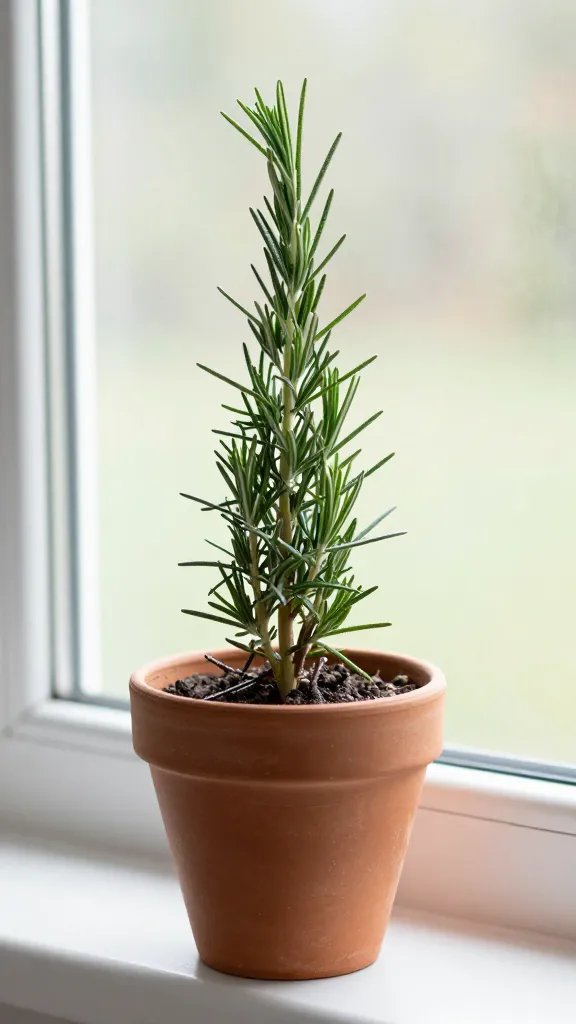
Week‑3 deaths often come from poor oxygen at the roots, not too much water poured. Decorative cachepots with no holes or one tiny hole create a stale, soggy layer at the bottom. Roots suffocate, microbes bloom, and the top still looks dry — a trap for beginners.
Use pots with at least one 1/2-inch drainage hole. For 6–8 inch pots, I drill an extra hole if the pot has only one. Always use a saucer you can empty, never a sealed sleeve. Skip the rock layer myth — it doesn’t improve drainage; it raises the water table into the root zone.
Step-by-Step Fix
- Slip the herb out of its pot and sniff — sour or swampy smell means trouble.
- Rinse the pot and add fresh potting mix (see next section) to the bottom third.
- Tease out any brown, mushy roots and repot at the same depth.
- Water once until excess runs out; empty the saucer within 10 minutes.
Action today: Check every herb pot for a real drainage hole and empty any standing water in saucers right now.
Dense, Moisture-Holding Soil: Potting Mix Matters More Than You Think
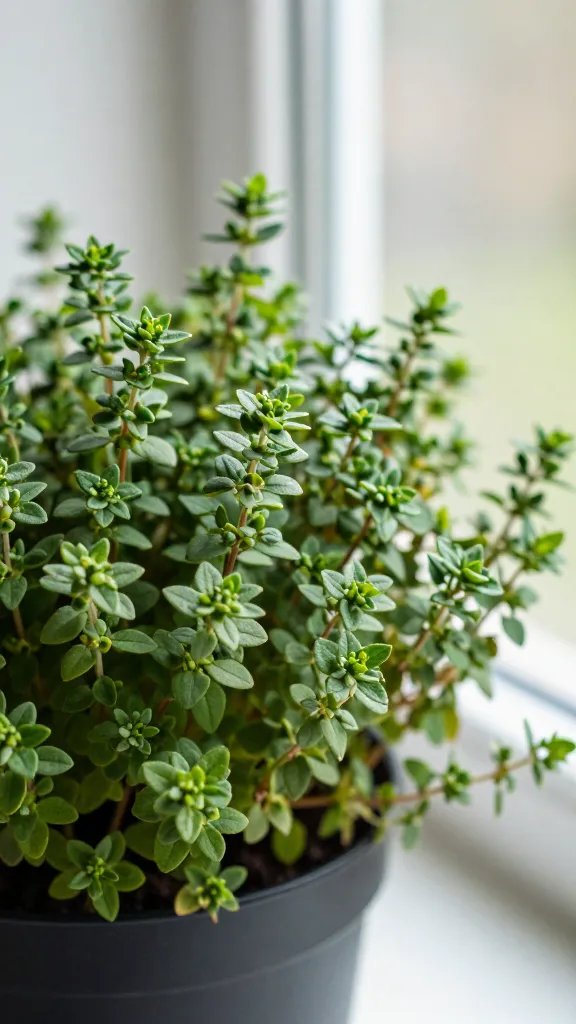
Bagged “garden soil” or heavy moisture-control mixes smother fine herb roots. By week 3, oxygen is gone, stems blacken at the base, and leaves crisp at the tips. Herbs prefer a light, well-draining potting mix that dries in the top inch within 2–3 days.
Buy a good quality potting mix from the garden centre and lighten it by mixing in a few handfuls of perlite per pot until it feels fluffy. If you already planted in heavy soil, top-dress with 1–2 inches of lighter mix and plan to repot within the week.
Material Recommendation
- General potting mix (not “garden soil” or topsoil)
- Perlite bag (add roughly 1 part perlite to 3 parts mix)
- Optional: a small bag of compost to blend 1 part into 4 parts mix for nutrients
Action today: Press a finger into the soil — if it feels sticky or compacts into a smear, repot into a lighter mix before the weekend.
Underfeeding After the First Flush: Nutrients Run Out Fast in Pots
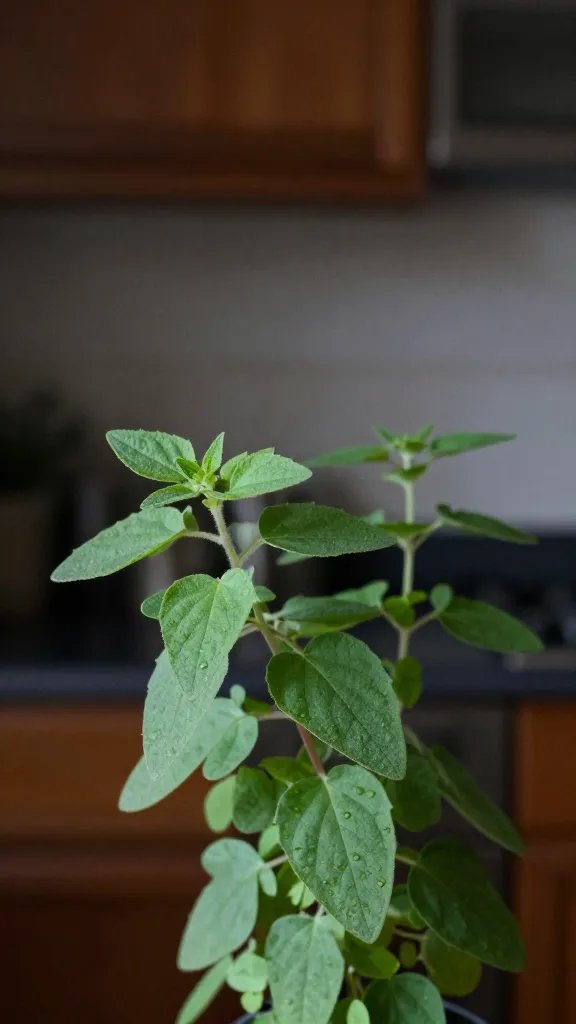
Herbs in small containers burn through starter fertilizer in about two weeks. Without fresh nutrients, growth stalls exactly when you start harvesting. Leaves yellow from the bottom up, and plants look tired even with perfect watering.
Use a balanced liquid fertilizer labeled for houseplants or edibles at half strength every 10–14 days. Feed right after a normal watering so nutrients move evenly through the root zone. For slow-growing woody herbs like rosemary and thyme, feed monthly at half strength.
Warning Signs
- Uniform pale green color and slow new growth by week 3
- Lower leaves yellowing while veins stay slightly greener
- Harvested stems not rebounding within 7–10 days
Action today: Mix half-strength fertilizer in your watering can and feed every herb you plan to keep harvesting.
Wrong Pot Size and Crowding: Roots Hit a Wall Too Soon
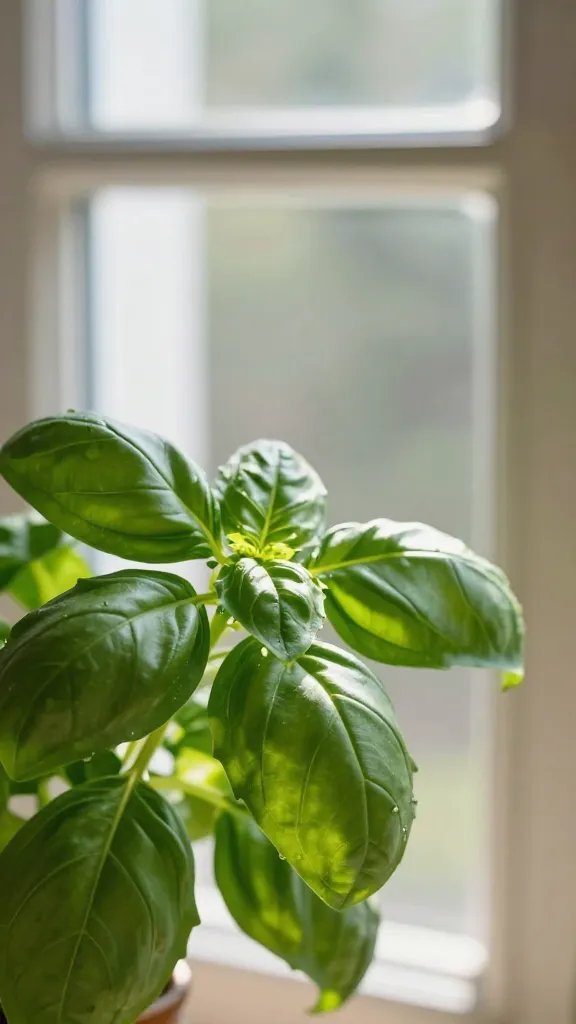
Grocery-store herb pots cram many seedlings into one tight plug. They look full for two weeks, then collapse as roots compete. A single small pot also dries unevenly and swings from wet to bone dry in a day.
Divide crowded pots into individual 4–6 inch containers or plant two starts per 8–10 inch pot. Aim for a pot that’s about as wide as the plant’s leaf spread now, not the final size. Keep each pot to one herb species for predictable water and feeding.
Step-by-Step Division
- Water the crowded pot, then slide it out and gently pull apart into clumps with roots attached.
- Trim any broken roots clean with scissors.
- Plant each clump in fresh mix, firm lightly, and water once.
Action today: If your basil looks like a green bouquet from the supermarket, split it into two pots before it stalls.
Harvesting Wrong: Topping Encourages Growth, Plucking Kills Momentum
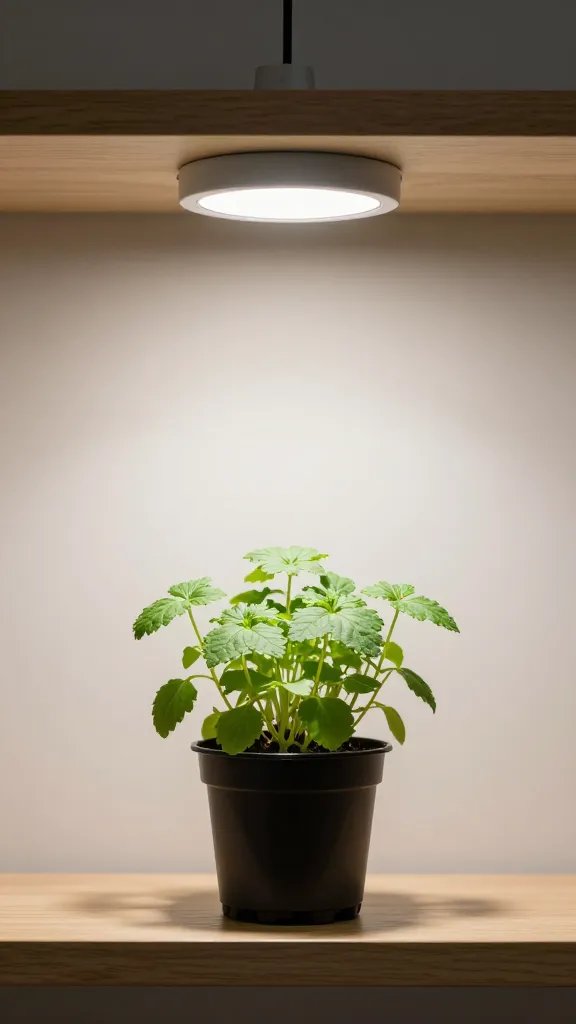
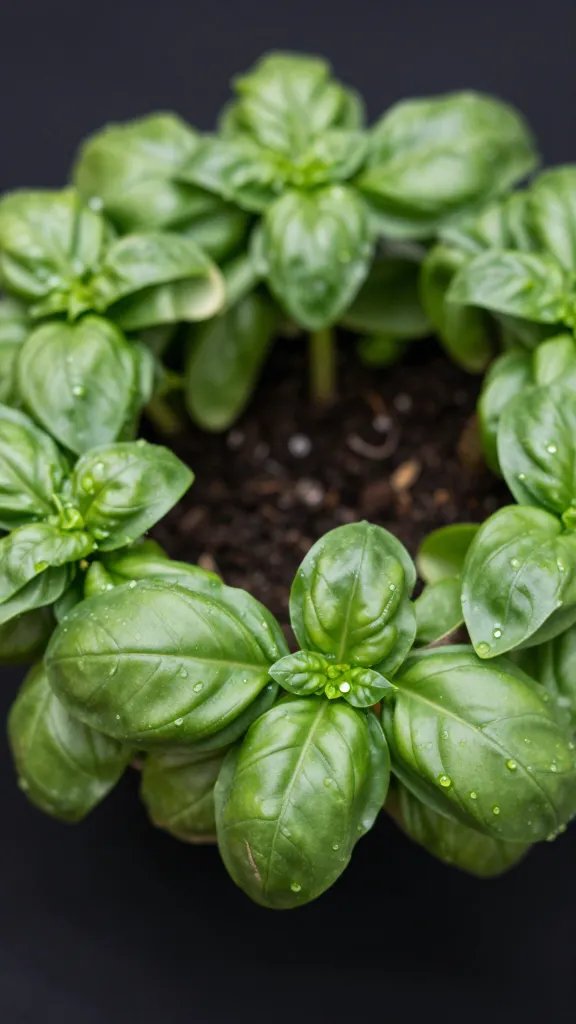
Pinching random leaves starves the plant of solar panels. By week 3, a basil plant with its top intact tries to flower or grows tall and flimsy. A plant that’s topped correctly doubles its branches and stays bushy.
For basil, cut just above a pair of leaves when stems reach 6–8 inches, removing the top 3–4 inches. For mint and oregano, take stem tips the same way. For rosemary and thyme, trim soft green tips, not woody brown stems. Never remove more than one-third of the plant in a single harvest.
Plant List: Easy, Forgiving Choices
- Mint: Tolerates lower light and irregular watering; keep in its own pot.
- Parsley: Steady grower; harvest outer stems first.
- Chives: Cut 1 inch above soil; regrows reliably.
- Basil (Genovese or Sweet): Needs strong light; top early and often.
Action today: Top your basil above the second or third leaf pair to force two new branches this week.
Watering Timing, Not Quantity: Dry-Down Rhythm Prevents Root Stress
It’s not “too much water” — it’s watering before oxygen returns to the root zone. Herbs want a clear wet-to-dry cycle: water thoroughly, then let the top inch dry before watering again. In a bright window, this is usually every 2–4 days for 6–8 inch pots.
Water in the morning until you see runoff, then empty the saucer. Check daily with your finger: if the top inch feels dry and the pot feels lighter, water. If it still feels cool and slightly damp, wait one more day. Consistency beats schedules.
Simple Routine
- Morning checks only — skip late-night “just in case” watering.
- Use the same watering can so you learn your pot’s typical volume.
- Record watering days on a sticky note near the window for two weeks.
Action today: Water any pot with a dry top inch until 10–20% drains out, then set a reminder to check again in 48 hours.
Frequently Asked Questions
Can I grow herbs on a north-facing window without a grow light?
You can grow hardy herbs like mint and parsley, but expect slower growth and smaller harvests. Place them as close to the glass as possible and keep curtains open. If you want basil or rosemary to thrive, add a clamp-on LED grow light for 12–14 hours daily.
How do I know if it’s time to repot my herb?
Slide the plant out: if you see a dense ring of roots circling the edge, it’s root-bound. Move up one pot size (for example, 4 to 6 inches) with fresh mix. If roots look healthy and white but the soil is heavy or sour, repot to refresh the mix, not to size up.
Is tap water okay for container herbs?
Yes, if your tap water tastes clean and not salty. If your water leaves white crust on the soil or pot, flush the pot once a month by watering generously to wash out minerals. Collected rainwater or filtered water helps sensitive herbs like basil in hard-water areas.
How often should I replace potting mix?
Refresh the top 1–2 inches every 6–8 weeks during the growing season to add air and nutrients. Full repotting every 6–12 months keeps roots healthy and prevents compaction. If growth slows and watering becomes erratic (stays wet too long or dries overnight), repot sooner.
Why does my basil flower so fast indoors?
Stress from low light, tight roots, or skipped feeding triggers flowering. Once you see buds, pinch them off immediately above a leaf pair to redirect energy into leaves. Improve light and feed at half strength to prevent a repeat.
Conclusion
You don’t need fancy tools to beat the week‑3 herb crash — just brighter placement, real drainage, lighter mix, a simple feeding rhythm, and confident topping. Pick one fix to do today: relocate to your sunniest window and water to runoff with the saucer emptied. Tomorrow, repot into a lighter mix with perlite and add a half-strength feed. By next week, you’ll see sturdier stems and fresh growth ready for your next harvest.