
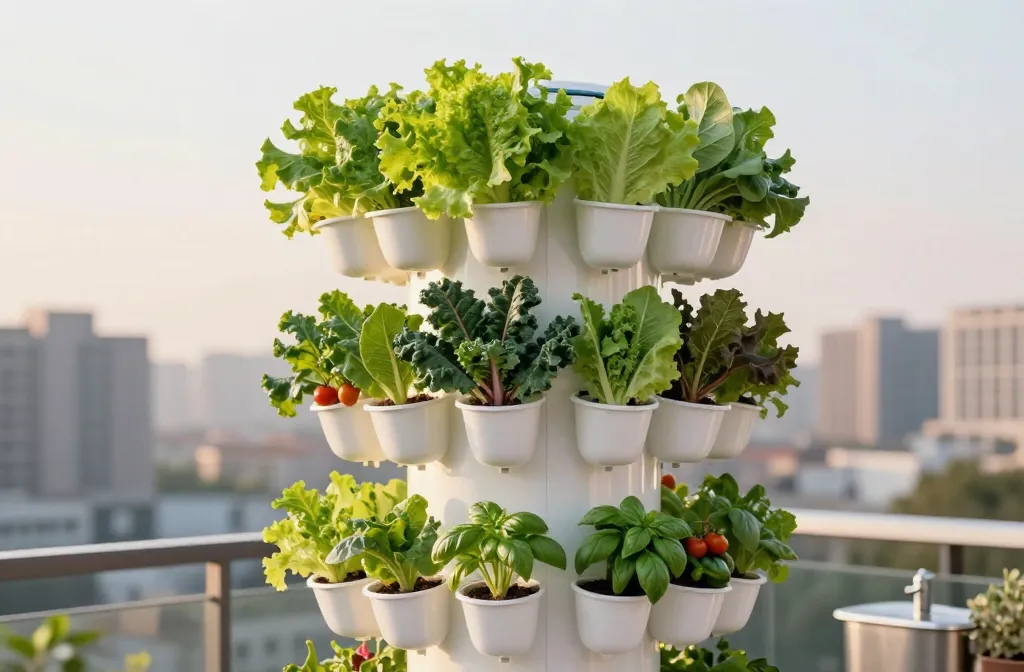
Want a kitchen garden that basically grows itself while looking like modern art? The Tower Garden system turns a tiny balcony or sunny corner into a veggie waterfall. Vertical stacking means faster growth, less mess, and fewer pests—plus it looks ridiculously cool. Ready to grow 20 vegetables even if you barely have room for a yoga mat?
1. Prep Your Tower Like A Pro (So Everything Thrives)
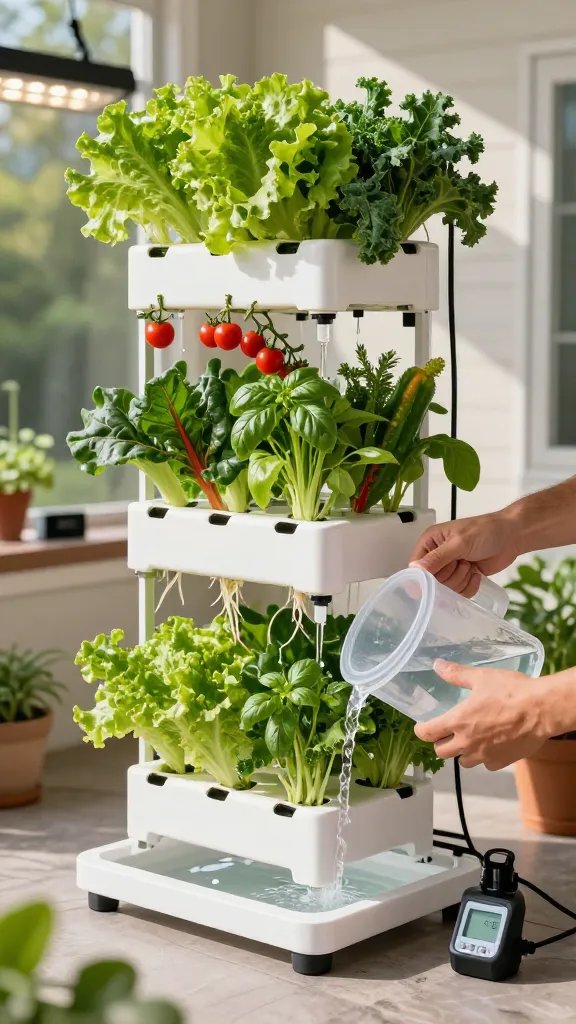
Before you drop in a single seedling, set up your Tower Garden to do the heavy lifting. Good prep means strong roots, steady nutrient flow, and that glorious “I harvested a salad in 30 seconds” life. This stage makes the difference between lush and “meh.”
Key Setup Steps
- Placement: Aim for 6–8 hours of direct sun. Indoors? Use full-spectrum grow lights 12–14 hours daily.
- Water & Nutrients: Fill the reservoir, then mix Tower Garden mineral blend or a high-quality hydroponic nutrient to the recommended EC/ppm. Keep pH between 5.5–6.5.
- Pump Cycle: Run 15 minutes on, 45 minutes off as a starting point. Adjust for heat and plant size.
- Seedlings: Start in rockwool cubes. Transplant when roots peek out and seedlings have 2–3 true leaves.
Quick Troubleshooting
- Pale leaves? Check nutrients and pH.
- Wilting mid-day? Increase pump frequency or top up water.
- Algae? Cover exposed rockwool and keep light off the reservoir.
Dial this in once and you’ll coast. The payoff: healthier plants, faster growth, zero drama.
2. The 20 Best Veggies For Vertical Stacking (And How To Rock Each One)
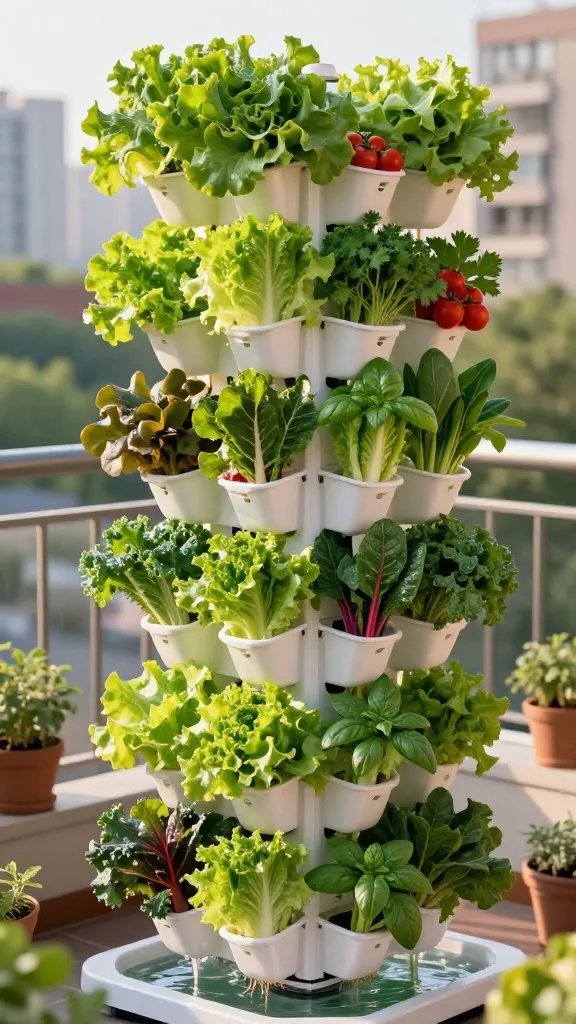
Here’s the fun part: picking plants that love the Tower Garden’s constant moisture and oxygen. These 20 veggies grow quickly, fit small pockets, and taste way better than store-bought. Mix fast growers with longer growers for continuous harvests.
Leafy Champions (Fast, Forgiving, Constant Harvest)
- Butterhead Lettuce: Soft, sweet, picture-perfect. Harvest entire heads or pluck outer leaves.
- Romaine: Crunchy and resilient. Great for the shadiest side of your tower.
- Oakleaf/Leaf Lettuce: Cut-and-come-again superstar. Stagger plantings every 2 weeks.
- Kale (Dwarf Curly or Lacinato): Cold-tolerant and prolific. Prune lower leaves; keep the crown growing.
- Swiss Chard: Colorful stalks, buttery texture. Loves steady nutrients; harvest leaves as they size up.
- Spinach: Prefers cooler temps. Keep it on the shadier side of the tower to prevent bolting.
Herb-Like Veggies (Flavor Boosters You’ll Use Daily)
- Arugula: Peppery, fast-growing, and addictive. Harvest often to keep it tender.
- Mizuna: Mild mustard green with frilly leaves. Great for continuous baby-leaf harvests.
- Tatsoi: Spoon-shaped leaves with buttery flavor. Harvest whole rosettes or leaf by leaf.
Fruit-Bearing (Space-Smart Varieties That Actually Work)
- Cherry Tomatoes (Compact/Determinate): Tie vines to the tower for support. Prune lightly for airflow.
- Cucumbers (Bush/Compact): Train them upward with clips. Pick often for crunch and to keep fruit coming.
- Peppers (Mini/Bell/Jalapeño): Love warmth and consistent nutrients. Stake if the fruits get heavy.
Crunchy Staples (For Seriously Satisfying Snack Harvests)
- Radishes: Shockingly fast—harvest in 25–35 days. Great for the lower ports.
- Baby Carrots (Short Varieties): Choose round or stubby types. Give them the deeper pockets and steady moisture.
- Bok Choy (Baby Types): Crisp and tender. Harvest whole heads at baby size, or leaf by leaf.
- Green Onions (Scallions): Plant a bunch per port. Snip tops repeatedly for endless supply.
- Beets (Leaves + Roots): Eat the greens while roots develop. Go for small or cylindrical varieties.
Bonus Greens For Variety
- Mustard Greens: Spicy and bold. Mix in salads or quick-sauté.
- Watercress: Thrives in wet conditions. Peppery and luxe without the price tag.
Mix these across your tower for layers of flavor and complexity. FYI, the leafy gang grows fastest, so anchor your harvest schedule around them.
3. Smart Stacking Layout (So Everything Gets Light And Elbow Room)
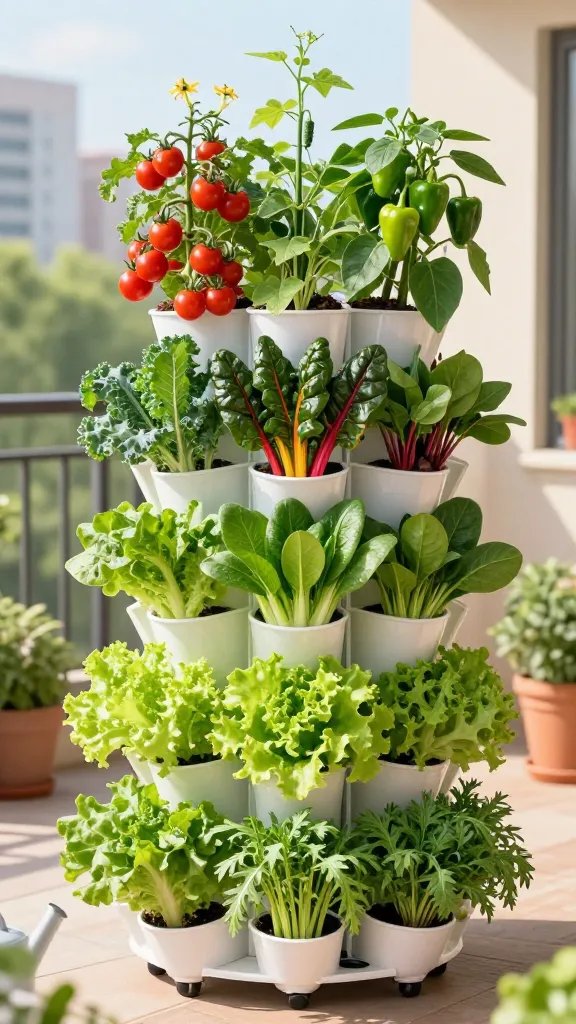
Stacking is more art than science, but a solid plan keeps your tower balanced and productive. Think height, spread, and hunger. Big plants up top or at corners, delicate ones tucked in the shade—easy.
Suggested Layout Strategy
- Top Tier (Tall/Thirsty): Cherry tomatoes, cucumbers, peppers. They get maximum light and airflow.
- Mid Tiers (Medium Spread): Kale, Swiss chard, bok choy, romaine, beets.
- Lower Tiers (Compact/Partial Shade): Butterhead lettuce, oakleaf, spinach, arugula, mizuna, tatsoi, watercress.
- Edge Positions: Radishes and scallions for easy snips and quick turnaround.
Spacing And Balance Tips
- Alternate Vines And Greens: Don’t cram all the big boys on one side. You’ll shade everything else.
- Rotate The Tower Weekly: Quarter-turn to even out light exposure if you don’t have uniform sun.
- Prune Ruthlessly: Remove lower tomato leaves, thin greens, and trim off any plant that dominates the neighbors.
This layout keeps airflow high and mildew low. Bonus: it makes your tower look like a living bouquet, just with snacks.
Example Mix For One Tower
- Top: 1 cherry tomato, 1 bush cucumber, 2 peppers
- Middle: 2 kale, 2 chard, 2 romaine, 2 bok choy
- Lower: 3 lettuce mixes, 2 spinach, 1 arugula, 1 mizuna, 1 tatsoi
- Edge: 6 radishes, 4 scallions, 2 beets, 1 watercress
Use this as a template, then tweak it for your cravings. Want more salads? Trade the tomato for extra lettuce and herbs, IMO.
4. Daily-Weekly Care Routine (Minimal Effort, Maximum Crunch)
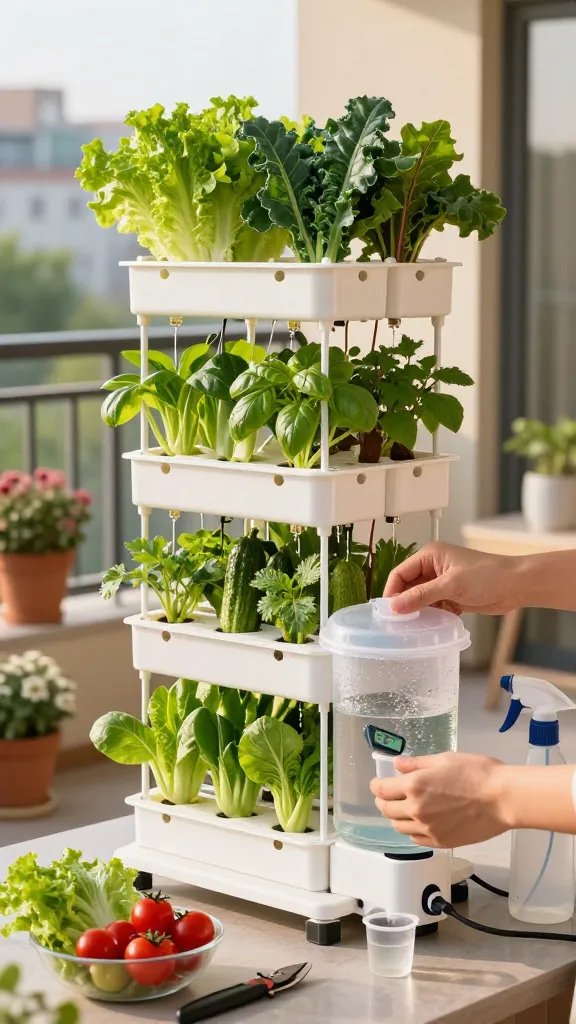
Vertical gardens should be low-maintenance, not a part-time job. A quick routine keeps everything humming without babysitting. Think five-minute checks and tiny tweaks.
Daily (Or Every Other Day)
- Quick Look: Leaves happy? No droop? Great. If wilted, increase pump frequency or add water.
- Top Off Reservoir: Especially in hot weather. Keep that pump submerged.
- Pick Something: Harvest small and often. Plants reward you with more growth.
Weekly
- Measure Nutrients: Check EC/ppm and pH. Adjust to target ranges for leafy (slightly lower EC) vs. fruiting (slightly higher EC).
- Prune And Train: Tie up cucumbers and tomatoes, trim overcrowded leaves, and remove any yellowing.
- Pest Patrol: Look under leaves. Treat early with insecticidal soap or neem. Encourage ladybugs if you can.
- Rotate Tower: Quarter-turn for even light, unless you’re using grow lights placed centrally.
Monthly
- Reservoir Refresh: Drain, rinse, and remix fresh solution to prevent salt buildup.
- Sanitize Lightly: Wipe sprayers and ports. Keep algae at bay.
Follow this and your tower stays clean, productive, and drama-free. Seriously, it’s easier than a houseplant that throws tantrums.
5. Harvest Like A Chef (Timing, Yield Hacks, And Flavor Wins)
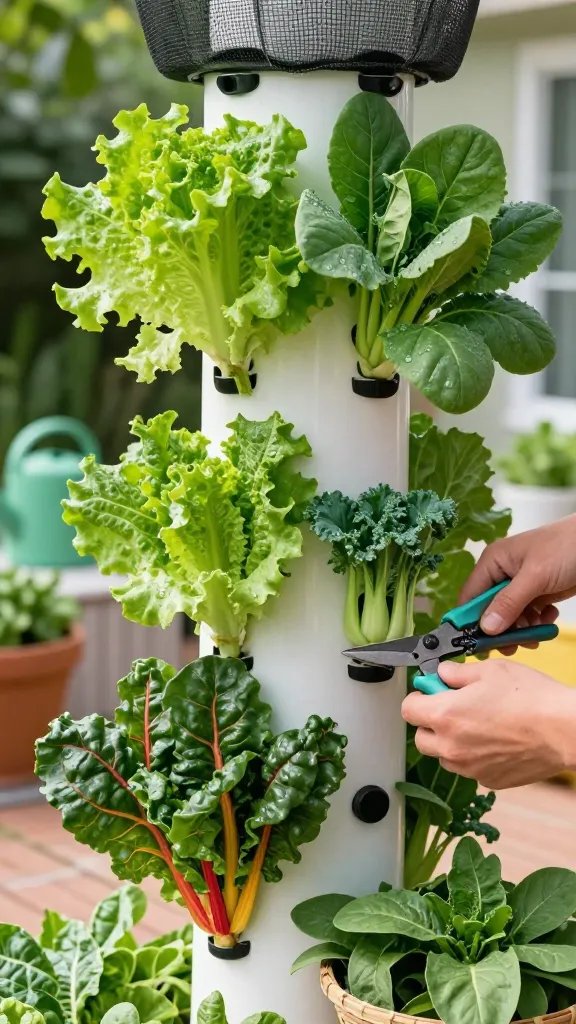
Harvesting right turns “pretty good” into “whoa, that’s restaurant quality.” The trick? Pick earlier than you think for tenderness, and keep the plant in production mode. Small snips, big results.
Best Harvest Windows
- Lettuce/Greens: Baby leaves at 3–4 inches for salads; full heads in 35–50 days depending on variety.
- Kale/Chard: Start with lower leaves once they reach hand size. Keep the center growing.
- Spinach: Harvest early, especially in warm weather. Shade slows bolting.
- Bok Choy/Tatsoi: Baby stage is sweet and crisp. Whole heads or leaf-by-leaf both work.
- Radishes: Pull when bulbs are marble to ping-pong size. Bigger gets woody.
- Beets: Snip greens anytime; lift roots small for super-sweet flavor.
- Scallions: Cut tops weekly or pull whole bunches at pencil thickness.
- Tomatoes: Pick at full color with a slight give. Let them ripen on the vine for max sweetness.
- Cucumbers: Harvest small for crunch and to keep vines pumping out more.
- Peppers: Green for crisp brightness; colored for sweetness and aroma.
Yield-Boosting Tricks
- Cut-And-Come-Again: For lettuces and baby greens, harvest 30% at a time. They rebound fast.
- Successions: Start new seedlings every 2 weeks. Replace tired plants without gaps.
- Selective Pruning: Remove crowded leaves to reduce disease and push energy into new growth.
- Flavor Tweaks: Cooler temps = sweeter greens. A little shade for arugula keeps it mild.
With the right timing and a sharp pair of shears, you’ll eat better than most restaurants, FYI. Nothing beats the crunch of a five-minute-old harvest.
Ready to build your own vertical veggie fountain? The Tower Garden system turns tiny spaces into abundant pantries with almost suspicious ease. Start with a smart layout, keep your routine simple, and harvest often—your future self (and your dinner guests) will thank you.