
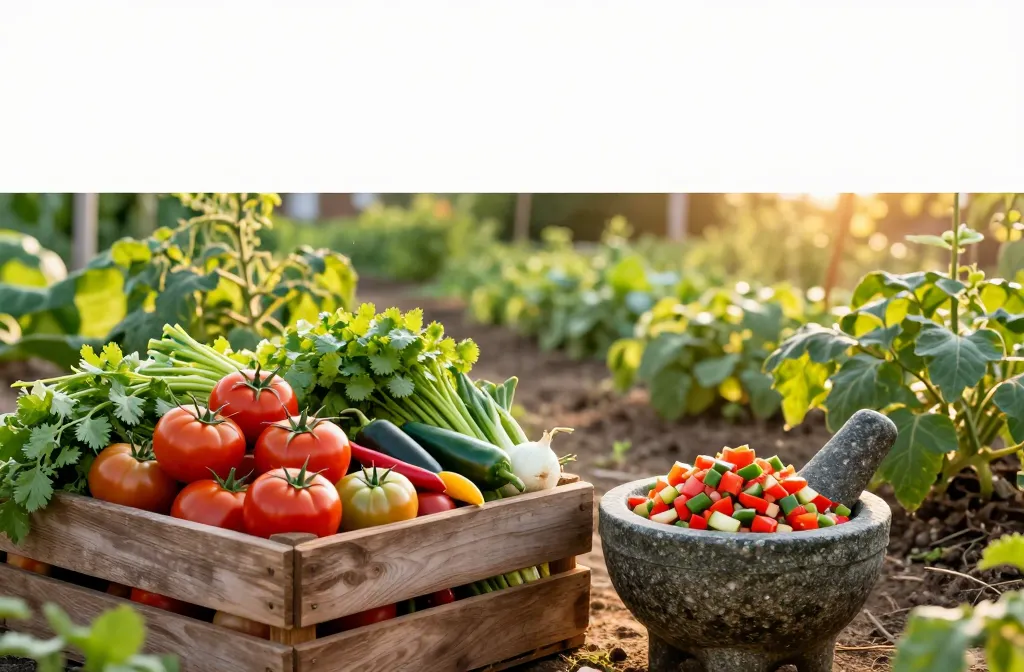
Craving salsa that tastes like sunshine and victory? Grow it. A salsa garden puts killer flavor right outside your door, so you can blitz fresh bowls anytime. We’re talking vibrant tomatoes, punchy peppers, and zippy herbs that make store-bought taste like sadness. Ready to plant once and snack forever?
1. Tomatoes That Actually Taste Like Tomatoes
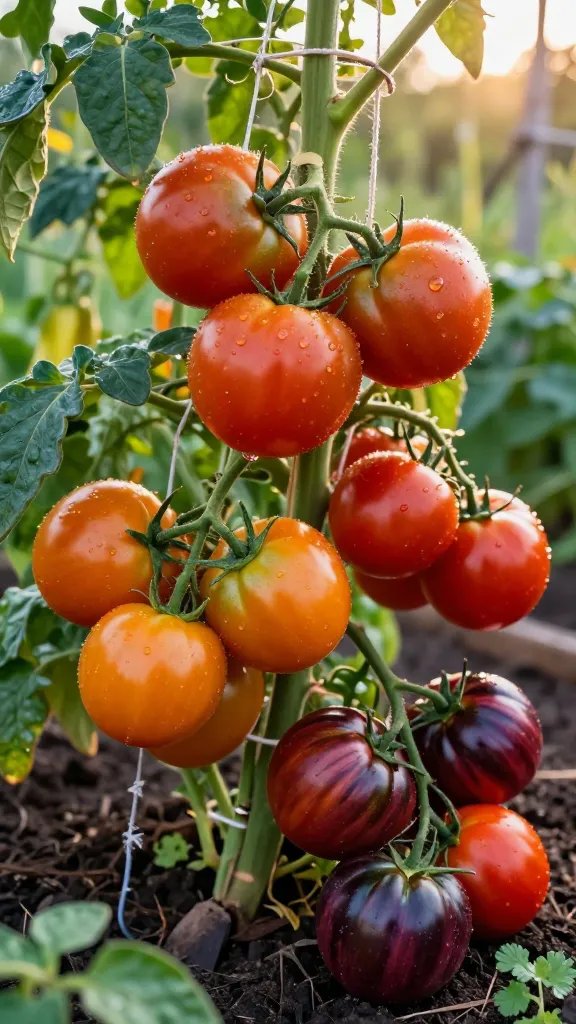
Let’s be real: salsa lives or dies by the tomato. Choose the right varieties and you’ll get rich flavor, meaty texture, and less watery mush. Grow a mix so your salsa shines in every season.
Best Varieties To Grow
- Roma/Plum (San Marzano, Viva Italia): Meaty, low-seed, perfect for thick, scoopable salsa.
- Cherry/Salad (Sungold, Sweet 100): Sweet pops of flavor that brighten fresh pico.
- Heirloom (Cherokee Purple, Black Krim): Complex flavor and gorgeous color, IMO a total flex.
Tips
- Sun + Support: 6–8 hours of sun and sturdy cages or trellises.
- Deep Watering: Soak roots 1–2 times a week to prevent splitting.
- Prune Smart: Remove lower leaves for airflow and fewer diseases.
- Year-Round Hack: Grow compact types under lights or in a sunny window in winter; harvest cherry tomatoes indoors, FYI.
Use these for fresh salsa, roasted salsa, or quick simmered bases. A balanced mix covers every recipe you’ll crave.
2. Peppers For Heat, Sweetness, And Drama
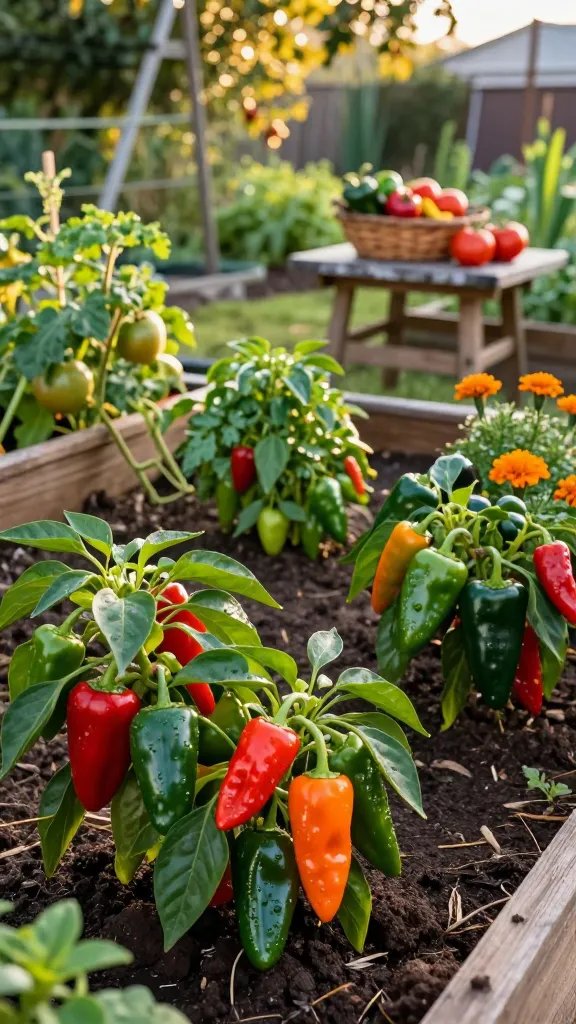
Peppers decide your salsa’s attitude. Go mild for crowd-pleasing crunch or crank the heat for that glorious forehead sweat. Grow a trio so you can customize each batch like a pro.
Essential Pepper Lineup
- Jalapeño: Classic kick, easy to grow, dependable yield.
- Serrano: Sleeker, brighter heat that slices through tomato richness.
- Habanero or Scotch Bonnet: Fruity fire for mango or pineapple salsas.
- Poblano/Ancho: Mild and smoky when roasted; great for depth.
- Shishito or Sweet Bell: Adds crunch and sweetness to balance heat.
Tips
- Warmth Matters: Plant after nights stay above 55°F; peppers hate cold feet.
- Container Kings: Most peppers thrive in 3–5 gallon pots near a hot wall.
- Harvest Smarts: Green = grassy, red = sweeter and hotter. Pick your vibe.
- Dry For Winter: Dehydrate or string-dry for year-round heat boosts.
Whether you want barely-there spice or “call the fire department,” the right pepper mix keeps your salsa dialed in and exciting.
3. Onions, Garlic, And Their Zesty Cousins
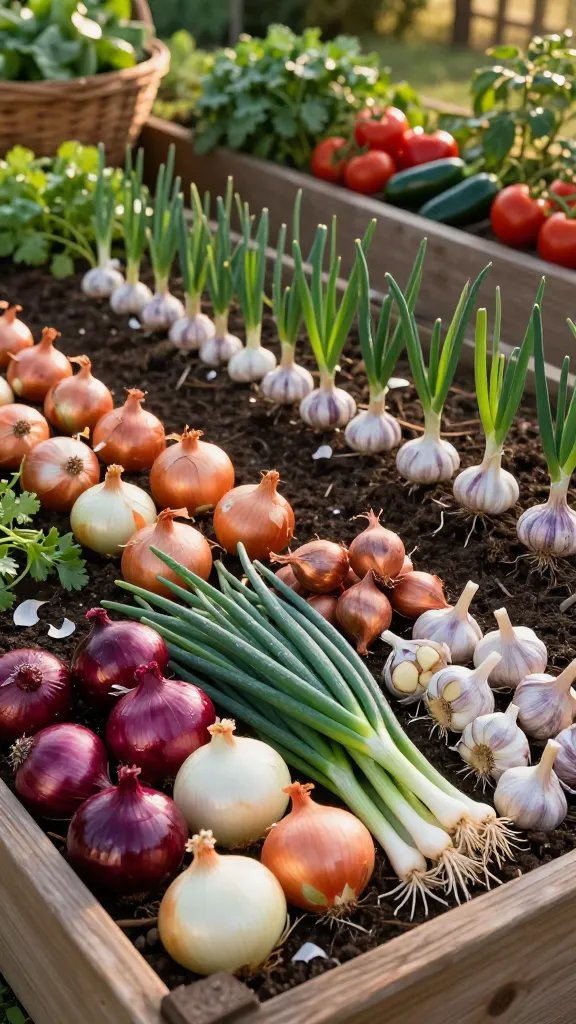
These alliums bring bite and backbone. Raw onion brightens fresh salsa, while roasted garlic adds mellow sweetness. Grow them staggered and you’ll always have the right punch on hand.
What To Plant
- Bulb Onions (Red, White, or Sweet): Reds for color and crunch, whites for classic pico, sweets for gentler flavor.
- Green Onions/Scallions: Fast-growing, perfect for quick, fresh batches.
- Garlic: Fall plant, summer harvest; roast for smoky, addicting depth.
- Shallots: Delicate, slightly sweet; perfect when you want subtlety.
Tips
- Day Length Matters: Choose short-day or long-day onions based on your region.
- Succession Plant Scallions: Sow every 2–3 weeks for steady supply.
- Garlic Timing: Plant cloves in fall, mulch, and ignore; harvest next summer like a wizard.
- Storage: Cure onions and garlic in a dry, airy spot for winter salsa sessions.
Use fresh for snap, roasted for smoothness, and mix both for layered flavor. Your salsa just leveled up.
4. Citrus And Acid: Limes, Tomatillos, And Vinegar Backups
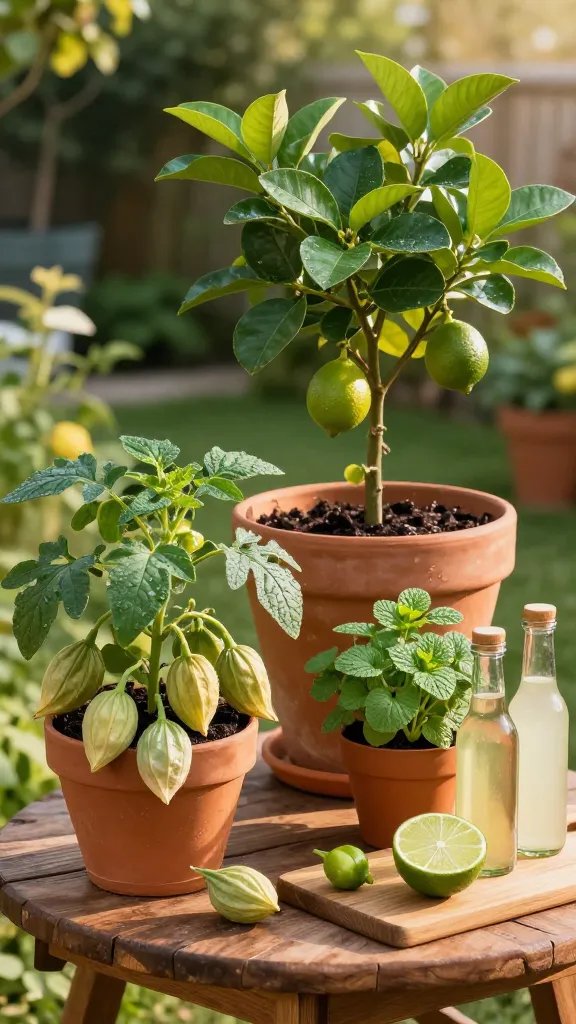
Acid makes salsa taste alive. Limes give zing, tomatillos bring tangy body, and a splash of vinegar saves the day when citrus hides. Grow what you can, hack the rest.
Growable Acid All-Stars
- Tomatillos: Tarpaper husks, bright flavor. Perfect for salsa verde—roasted or raw.
- Key Limes (Container): If you’ve got sun and patience, a patio lime tree pays off.
- Lemon Balm & Lemon Verbena: Not acidic, but add citrus aroma when you lack limes.
Smart Substitutes
- Vinegar: A dash of apple cider or white wine vinegar mimics brightness.
- Tamarind or Sumac: Funky, tart boosts for creative salsas.
Tomatillo Tips
- Plant Two: They need cross-pollination for fruit.
- Space + Support: They sprawl; a tomato cage keeps them tidy.
- Harvest Clue: Husks dry and split when fruits are ready.
Whether you squeeze, splash, or blitz, keep acidity high and your salsa will always taste restaurant-level fresh, seriously.
5. Herbs That Make Everything Pop
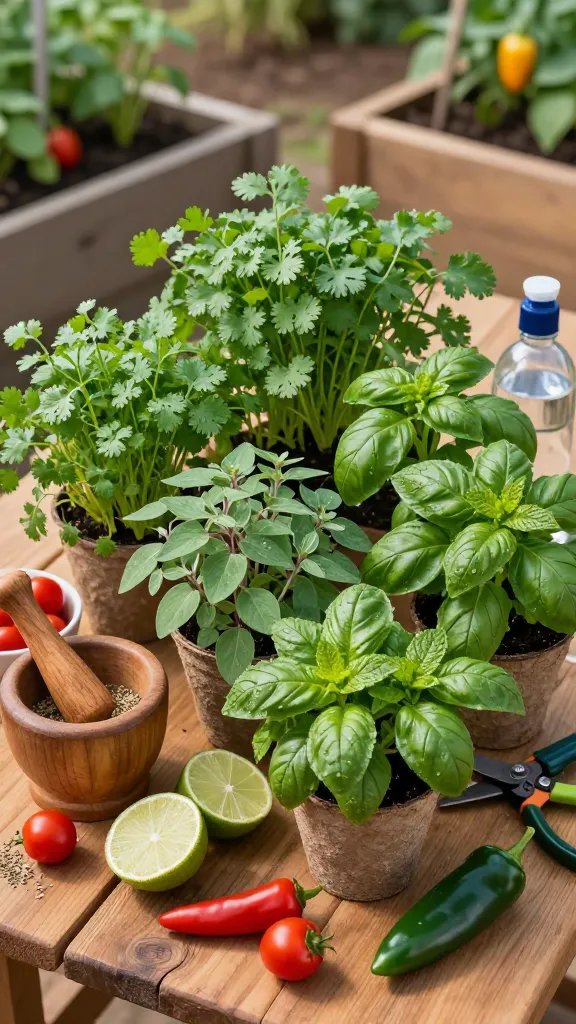
Herbs turn a good salsa into a signature salsa. Cilantro brings the classic, but don’t sleep on basil, mint, or culantro for bold twists. Grow a mini herb bar so every batch can switch lanes.
Core Players
- Cilantro: The must-have for pico. Bolts fast, so succession plant.
- Culantro: Tropical cousin with stronger flavor and better heat tolerance.
- Oregano (Mexican preferred): Warm, citrusy undertones that love roasted salsas.
- Basil: Sweet, peppery; stunning with tomato-peach or strawberry salsas.
- Mint: Cooling lift, especially with cucumber or watermelon salsa.
- Chives: Gentle onion flavor when you want something soft and fresh.
Tips
- Cut-And-Come-Again: Harvest outer stems often to keep plants lush.
- Partial Shade For Cilantro: It lasts longer when afternoons run hot.
- Dry Or Freeze: Oregano dries well; freeze chopped cilantro in olive oil or ice cubes.
- Windowsill Winter: Most herbs grow indoors with decent light, FYI.
Use herbs to fine-tune your salsa’s personality—classic, smoky, bright, or tropical. One handful changes everything.
Ready to build your salsa garden? Start with a few plants, add more as you go, and taste-test like a mad scientist. Before long, you’ll whip up bowls that vanish faster than chips at a party. Plant it once, and your future self will thank you with every spicy, tangy, crunchy bite.