
Urban farming is exploding right now, and it is not just about pretty plants anymore, especially when vertical farms can produce about 10 times as much food as traditional farms on the same footprint, with far less water used. If you live in a city and want real harvests from a balcony, wall, or small patio, edible vertical gardening gives you a practical way to grow herbs, greens, and veggies almost anywhere.
Key Takeaways
| Question | Short Answer |
|---|---|
| What is edible vertical gardening in urban farming? | It is growing food crops like herbs, leafy greens, and small vegetables on vertical structures in compact city spaces, often using systems like the ones we explain in our vertical garden system guide . . |
| Can I start on a small balcony or wall? | Yes, you can use simple frames, trellises, or living wall panels like the ideas in our urban vertical garden article. |
| What edible plants work best vertically? | Herbs, salad greens, strawberries, and compact tomatoes all do well in vertical setups, especially in self watering systems like our self watering vertical garden. |
| Do vertical gardens work for outdoor herb walls? | Yes, a vertical herb wall is one of the easiest edible projects, as we share in our vertical outdoor herb garden guide. |
| Can businesses use edible vertical gardens? | Commercial spaces can turn dead walls into productive green walls using systems like our commercial vertical garden system. |
| What if I just want herb panels, not a full system? | You can use modular panels and frames similar to what we cover in our vertical garden panels overview and this EdenVert frame article. |
| Is edible vertical gardening hard to manage? | Most people find vertical gardening simple once the system is set up, especially if you choose low maintenance layouts like the ones in our vertical herb garden ideas. |
1. What Is Edible Vertical Gardening In Urban Farming?
When we talk about edible vertical gardening in urban farming, we mean stacking food production up your walls instead of spreading it across a yard you probably do not have. You grow lettuces, herbs, berries, and compact veggies on frames, trellises, or modular systems that hang or stand against surfaces in your apartment, balcony, courtyard, or rooftop.
Our focus is on systems that are practical for real harvests in city life, not just decorative foliage. These can be simple DIY trellis setups or fully engineered panels, but the goal is always the same, more edible yield per square foot while keeping maintenance reasonable.
Why this matters for city dwellers
In dense neighborhoods, soil is limited or completely paved, so vertical structures let you reclaim unused airspace. You also bring food closer to where you cook, which means fresher meals and less waste.
Because your plants are at eye level, you spot pests, nutrient issues, and watering needs more quickly, which helps prevent bigger problems. You can also adjust your layout over time as your tastes or household size change.


2. Urban Vertical Garden Basics: From Bare Wall To Edible Wall
We often start people with very simple urban vertical garden layouts that do not need special tools. A balcony rail, fence, or solid wall is usually enough structure if you match it with the right frame or pocket system.
In our urban vertical garden guide, we talk about using trellises and supports for vining edibles like peas, beans, and cucumbers. Those same supports can carry planters or modular pockets filled with herbs and salad mixes.
Core components of an edible vertical garden
- Support structure like a frame, trellis, or panel that takes the weight.
- Containers or pockets sized for roots of herbs, greens, or small fruiting plants.
- Growing medium with good drainage, such as quality potting mix or a hydroponic medium.
- Watering method from hand watering to drip irrigation or integrated self watering.
Once you have these basics, you can scale from a single herb column to a full wall of edible plants. The same principles work indoors near a sunny window or outdoors on a patio.


3. Designing A Small Vegetable Wall: Layouts That Actually Work
A productive vegetable wall in an urban setting needs a realistic layout, not just random pots on hooks. We like to think in zones, leafy greens up high, herbs at arm height, heavier fruiting plants lower where you can support the weight.
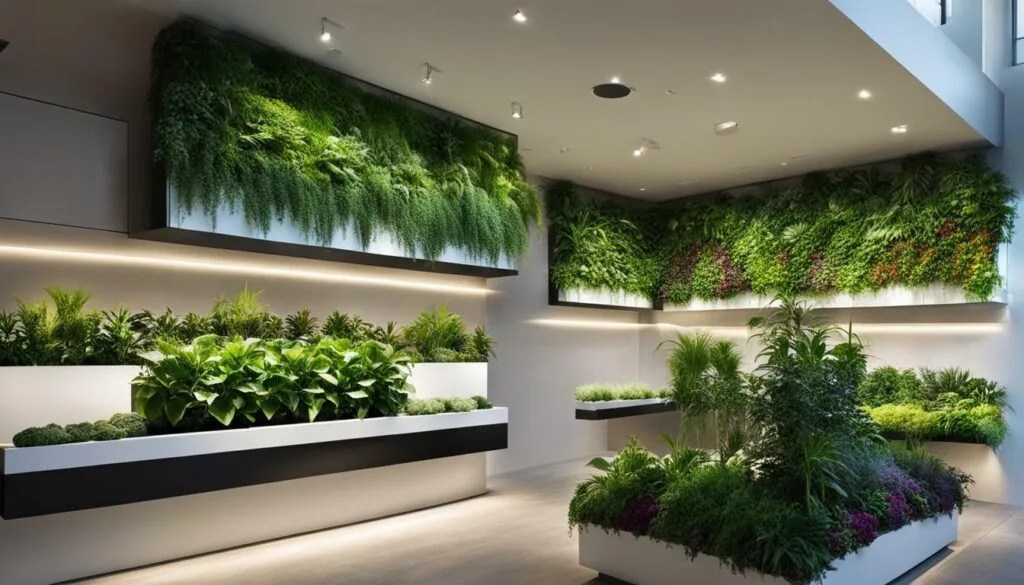
The images in our system overview show how a small vegetable garden can still feel organized and intentional. You can dedicate one column to salad crops, another to cooking herbs, and a third to trailing strawberries or compact chili peppers.
| Vertical Zone | Best Edibles | Why It Works |
|---|---|---|
| Top row | Light herbs (thyme, oregano), shallow lettuces | Lightweight, close to sun, low water demand. |
| Middle row | Basil, parsley, cilantro, arugula | Easy access for daily harvests and pruning. |
| Lower row | Compact tomatoes, peppers, strawberries | More root space, easier structural support. |
We also encourage mixing quick crops with slower ones, so you are not replanting the entire wall at once. Radishes and baby greens can come out in a few weeks while tomatoes take longer to fill their space.

This infographic highlights five key benefits of edible vertical gardening in urban farming, showing how compact setups can boost yields and sustainability. Learn how to maximize space and grow fresh produce in cities.
Did You Know?
78% of urban residents are likely to adopt vertical gardening.
Source: ScienceDirect Sustainability Futures (Dorvlo et al., 2025)
4. Self Watering Vertical Systems For Edible Walls
Watering can make or break an edible vertical garden, especially if you are on a busy schedule. That is why we often suggest self watering vertical systems for urban farmers who want consistent harvests without daily hand watering.
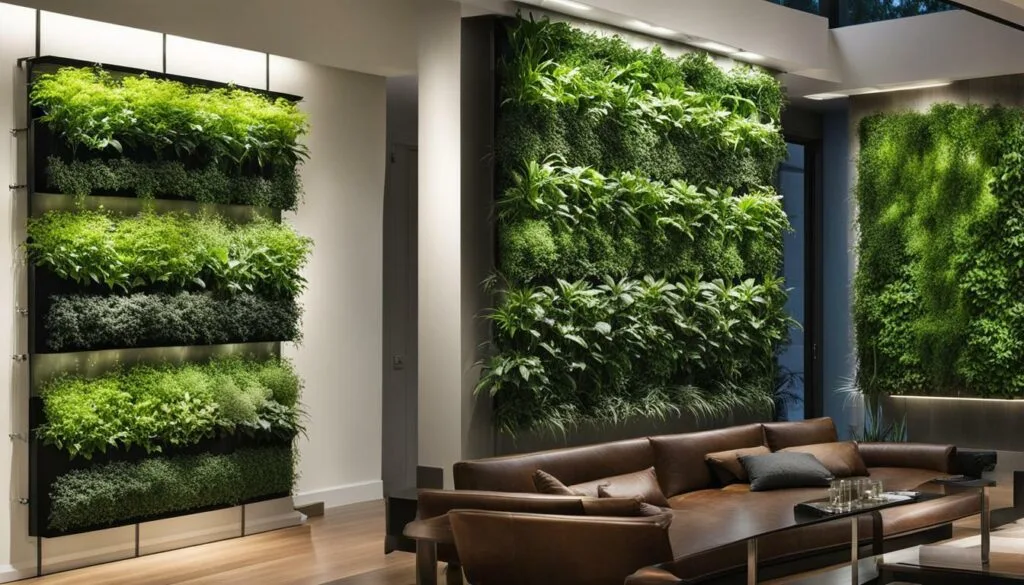
In our self watering vertical garden article, we explain how an intelligent irrigation system moves water evenly through multiple tiers. This keeps leafy greens, herbs, and small fruits hydrated without waterlogging the roots.
What you can grow in a self watering setup
- Fast greens like lettuce, spinach, and kale for constant cutting.
- Thirsty herbs such as basil, mint, and parsley that hate drying out.
- Smaller fruiting crops like strawberries, dwarf peppers, or mini tomatoes.
Because the system handles distribution, you focus on pruning, harvesting, and feeding with dilute liquid fertilizer. This makes edible vertical gardening feel more approachable, especially in tight urban schedules.

5. Hydroponic Vertical Farming In Small City Spaces
If you want to push productivity further, vertical hydroponics lets you grow edible crops without soil using nutrient solutions. This is ideal for indoor setups or balconies where you want cleaner systems and faster growth.
Our vertical system visuals include hydroponic stacks and diagrams that show how water recirculates through towers. These designs often use up to 90 to 98 percent less water than traditional beds, which matters in cities facing water restrictions.
Where hydroponic vertical farming fits best
- Indoor corners with grow lights for year round greens.
- Balconies where soil mess is a concern for neighbors below.
- Rooftops with weight limits, since lightweight hydroponic media replace heavy soil.
Setup is more technical at the start, but once tuned, hydroponic vertical systems can yield a steady stream of salads and herbs for urban households. We always recommend starters like lettuce and basil while you learn the system.


6. Vertical Herb Gardens: The Easiest Edible Project For Beginners
If you are new to edible vertical gardening, start with herbs. They are forgiving, compact, and instantly useful in the kitchen, which keeps motivation high while you learn the basics of vertical growing.
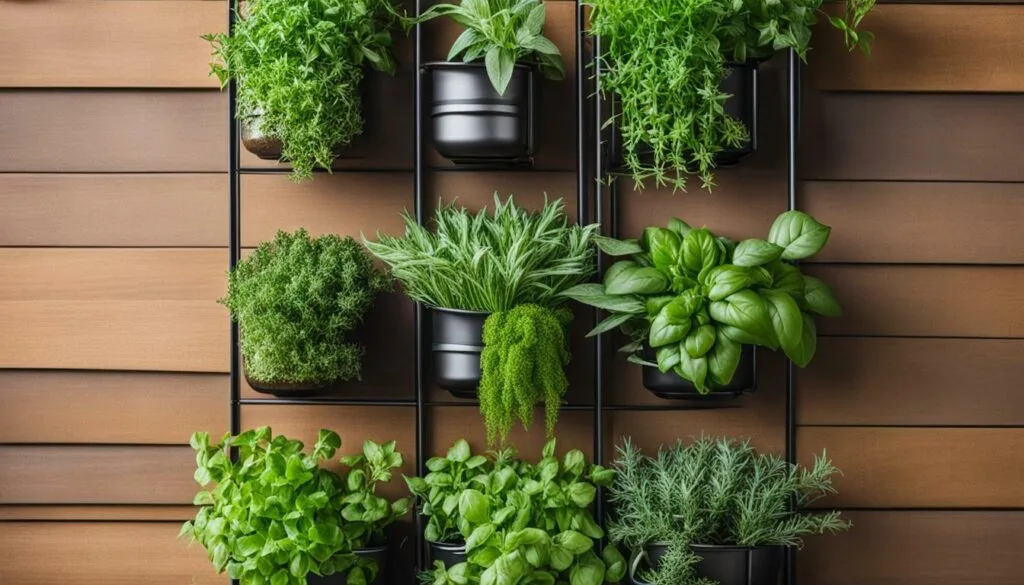
In our vertical outdoor herb garden article, we break down how herb walls work perfectly along fences, balconies, or near your back door. Most common herbs like rosemary, thyme, parsley, chives, and mint adapt well to shallow pockets.
Ideas for herb focused vertical setups
- Leaning wooden frames with rows of pots for a rustic look and easy rearranging.
- Metal wall grids with clip on containers for modular flexibility.
- Self watering herb towers that keep moisture more stable through hot spells.
We also suggest mixing perennial herbs, such as rosemary and thyme, with annuals like basil, so parts of your wall persist year after year. Just remember to keep mint in its own contained area because it spreads aggressively.
7. Using Vertical Garden Panels For Edible Urban Walls
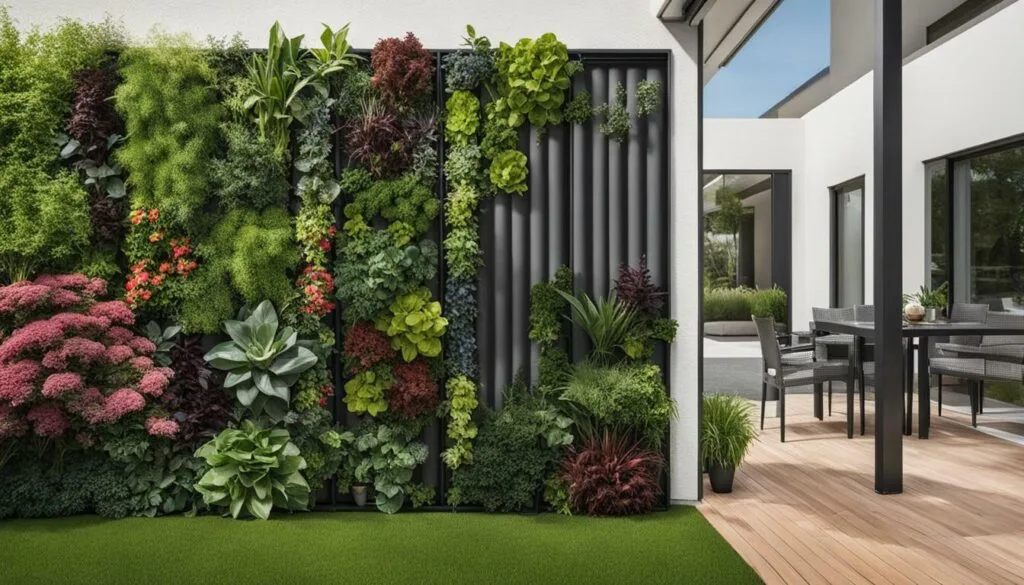
Vertical garden panels, sometimes called living wall panels, are modular units you can mount to a wall and fill with edible plants. For urban farming, they are ideal if you want a neat, grid like look with efficient use of space.
In our vertical garden panels in the USA overview, we talk mainly about aesthetics, but the same panels can hold herbs, leafy greens, and trailing strawberries. You just need to choose pocket depths and irrigation that match edible root systems.
Comparing panel styles for edible use
- Felt pocket panels, great for herbs and greens, but need careful watering.
- Plastic modular cells, more durable and easier to irrigate for veggies.
- Frame and pot systems, best when you want to swap out individual plants easily.
We recommend starting with a single panel and expanding once you are comfortable with watering and harvesting rhythms. That way you learn how your specific wall orientation and climate affect growth.

Did You Know?
Vertical farming can use up to 90–98% less water than traditional farming in controlled environments.
Source: The Washington Post, 2025
8. EdenVert Frames And Other Structures For Edible Walls
A good frame is the backbone of any vertical edible garden, because it carries the weight of wet soil, plants, and hardware. We highlight the EdenVert vertical garden frame in our dedicated article as a sturdy, UV stabilized option for outdoor use.
Although that piece focuses on ornamental greenery, the same durability benefits edible setups on balconies, patios, and small courtyards. When you mount planters holding herbs and vegetables on a strong frame, you reduce sagging and structural failures over time.
Where a robust frame helps in edible urban farming
- Sun exposed balconies, since UV stable materials resist fading and cracking.
- Windy rooftops, where extra rigidity keeps edible walls stable.
- High traffic patios in cafes or restaurants that host vertical herb walls.
We advise checking load ratings if you plan to use deeper planters for crops like tomatoes or peppers. It is always better to slightly overspec your frame so that your edible garden stays safe and secure.
9. Commercial Edible Vertical Gardens For Cafes, Offices, And Retail
Edible vertical gardening is not just for home balconies. Businesses in cities are using vertical systems to grow herbs for kitchens, garnish bars, or simply to show clients that they care about fresh food and sustainability.
In our commercial vertical garden system overview, we focus on benefits like air quality and aesthetics. With a slight shift in plant selection, those same walls can host basil for cocktails, mint for teas, or salad greens for staff lunches.
Advantages of edible vertical gardens in commercial spaces
- Brand story, customers see real food growing on site.
- Employee wellbeing, staff enjoy greenery and occasional fresh harvests.
- Space efficiency, unused walls become productive food surfaces.
We usually recommend mixing ornamental plants with edibles, since this keeps the wall visually full even between harvests. It also lets you manage maintenance workload more smoothly in a commercial schedule.
10. Practical Tips For Daily Care Of Edible Vertical Gardens
Once your edible vertical garden is up, daily habits keep it thriving. You do not need hours a week, but you do need short, regular check ins for water, pruning, and pests.
We encourage a simple routine that fits easily into city life. Think of it like making coffee, quick, predictable, and part of your day.
- Morning check, feel a few pockets or containers for moisture and check leaves for droop or discoloration.
- Twice weekly pruning, pinch herbs to encourage bushy growth and remove yellowing leaves from greens.
- Weekly feed, add diluted liquid fertilizer to self watering reservoirs or watering cans.
- Monthly reset, replant any pockets that failed and shift plants if light levels are uneven.
Because your plants are vertical and close to eye level, you will notice issues faster than in ground beds. That early feedback loop is one big reason 84 percent of people who try vertical gardening say managing it feels easy once they start.
Conclusion
Edible vertical gardening in urban farming is not a niche hobby anymore, it is a straightforward way for city residents and businesses to grow real food in very limited space. With smart layouts, strong frames, and optional self watering or hydroponic systems, your walls can carry herbs, greens, and compact vegetables that are always within reach.
As more people recognize how productive vertical systems can be, we are seeing urban walls quietly turn into mini farms. If you start with a simple herb column today, you will quickly see how much fresh food even the smallest city space can provide.