
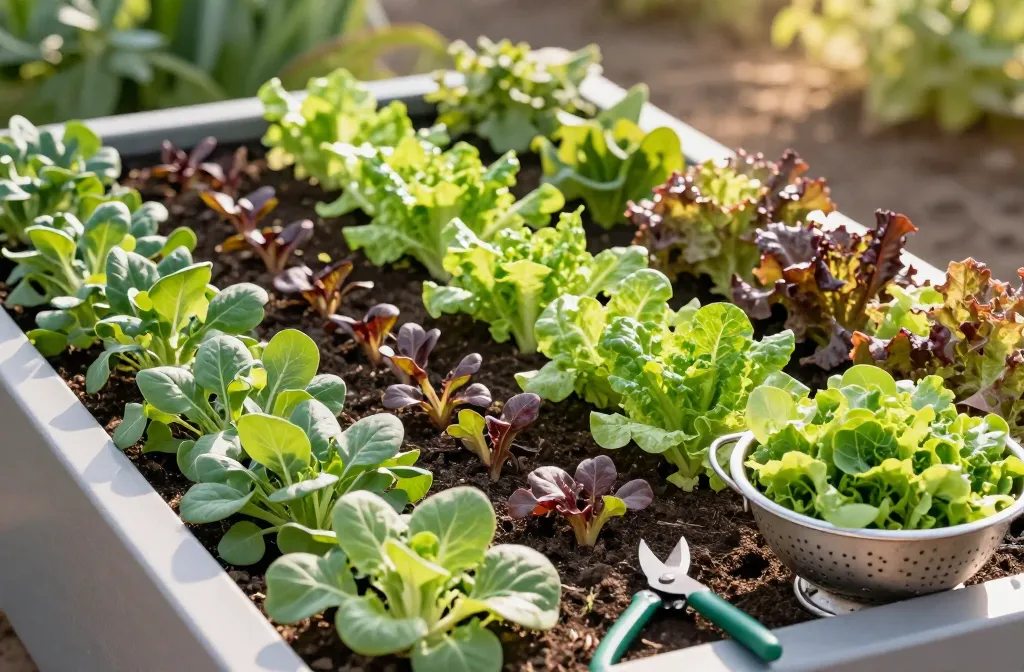
Want fresh, crunchy salads on repeat without grocery store lines or sad wilted greens? You can grow a steady stream of pick-and-eat leaves by sowing a few rows every single week. These ten fast-growing, cut-and-come-again greens deliver constant harvests, even in small spaces. Ready to build your own salad pipeline and eat like a fancy café, minus the prices?
1. Baby Lettuces That Regrow Faster Than You Can Eat
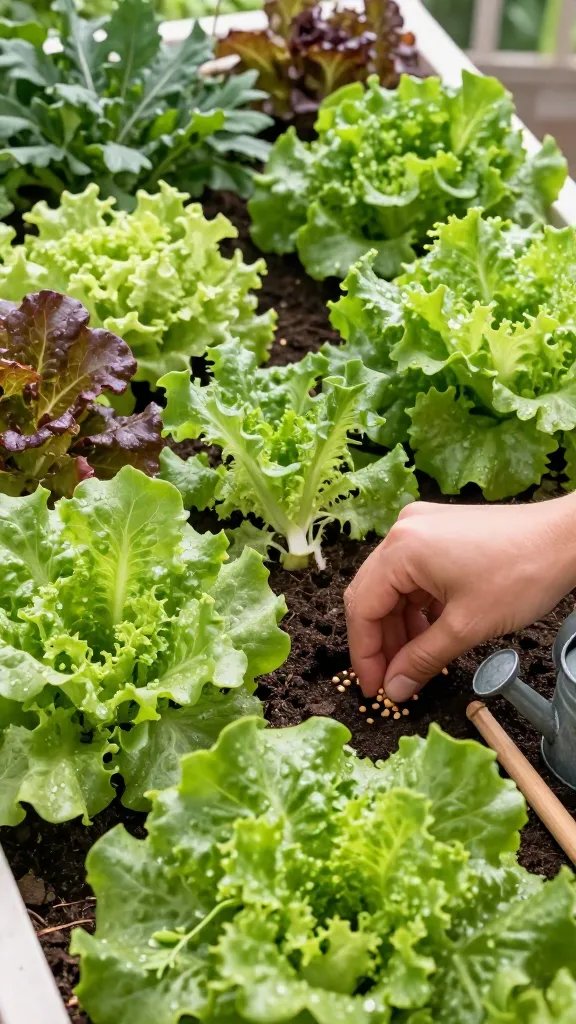
Baby lettuces make salads look bougie with zero effort. They sprout quickly, thrive in containers, and bounce back after a haircut. Sow a fresh pinch each week, and you’ll never stare at an empty salad bowl again.
Varieties To Try
- Looseleaf mixes (like “Mesclun” or “Spring Mix”): colors, textures, and instant flavor
- Oakleaf and Romaine babies: sturdy leaves that hold dressing like a champ
- Speckled and red varieties: add color and mild bitterness for balance
Quick Tips
- Sow shallow: 1/8 inch deep, sprinkle like you’re salting fries
- Space smart: dense for baby leaves; thin to 3–4 inches for bigger cuts
- Harvest early: cut at 3–5 inches tall, then let plants regrow
- Stagger weekly: plant a new row every 7–10 days for continuous harvests
Use for everyday salads, taco toppers, and sandwiches. IMO, baby lettuces are the backbone of your never-ending salad garden.
Why It’s Awesome
They germinate fast and give you multiple cuts. You control the blend: sweet, tender, or a touch bitter. It’s salad bar energy at home, FYI.
2. Spinach That Loves Cool Weather And Constant Snipping
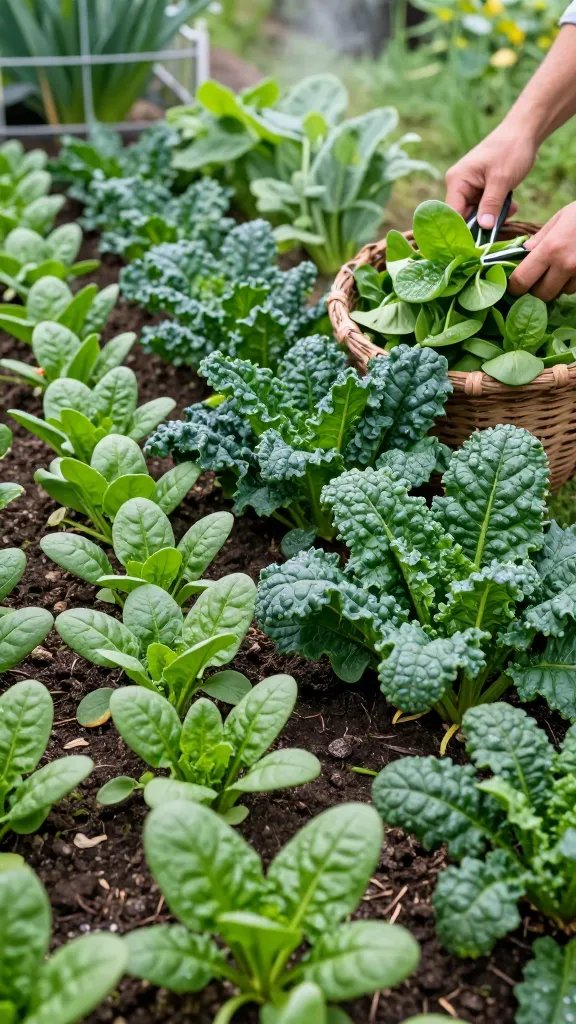
Spinach plays nice with almost any dressing, cooks down beautifully, and thrives in spring and fall. It grows fast and tolerates frequent baby-leaf harvests. With weekly sowing, you’ll keep bags of store-bought spinach out of your life.
Varieties To Try
- Baby-leaf types: “Space,” “Corvair,” “Butterflay” for tender texture
- Savoyed: crinkly leaves that hold vinaigrettes like pros
- Heat-tolerant: “Malabar” or “New Zealand spinach” for hot summers (not true spinach, but tastes similar)
Planting & Care
- Sow weekly while temps stay cool (ideal soil: 45–65°F)
- Shallow sow and keep moist until germination; pre-chill seed in the fridge for a few days if it’s warm
- Partial shade helps prevent bolting once days heat up
- Harvest baby leaves at 2–3 inches; snip outer leaves first
Spinach brings iron, a soft bite, and cooks down for pastas and omelets. Bonus: it freezes well if you suddenly get too much (which is a great problem).
3. Arugula For Peppery Kick And Quick Wins
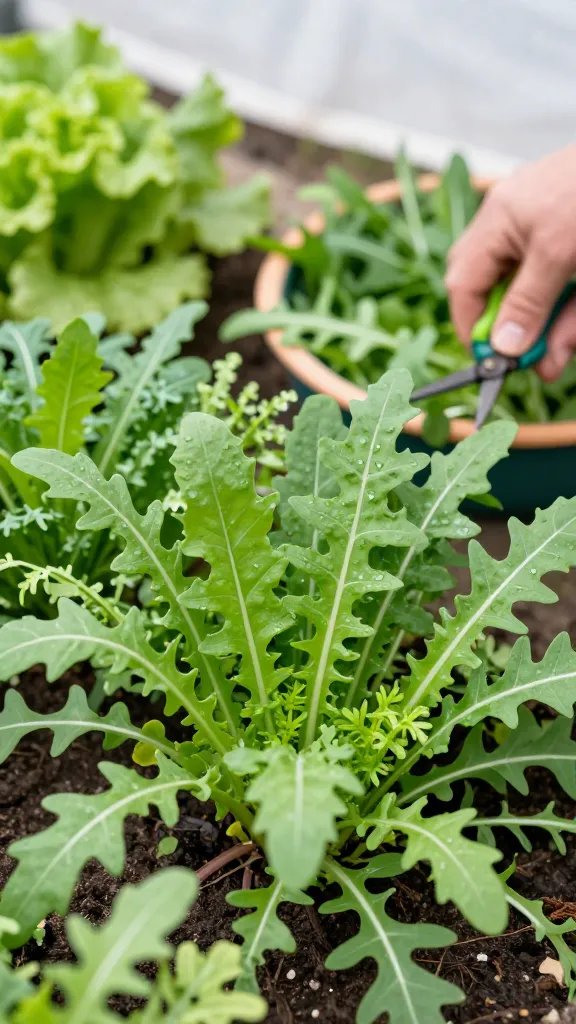
Arugula grows ridiculously fast and packs bold, peppery flavor. It’s the “wake up” green that turns a meh salad into something you brag about. Weekly sowing keeps it young and tender, which is where arugula shines.
Varieties To Try
- Standard arugula: fast, classic peppery taste
- Wild arugula (Diplotaxis): smaller leaves, more intense flavor, slower to bolt
- Wasabi or Astro: smoother texture, tidy growth
How To Nail It
- Sow thin, harvest thick: broadcast lightly, cut at 2–4 inches
- Shade in summer: use shade cloth or plant on the north side of taller crops
- Snip often: frequent cuts keep leaves tender and plants productive
- Re-seed weekly so you don’t get stuck with only spicy, mature leaves
Use arugula to elevate pizzas, grain bowls, and lemony salads. It turns basic into chef-y in seconds—seriously.
4. Asian Greens That Grow Like They Have Somewhere To Be
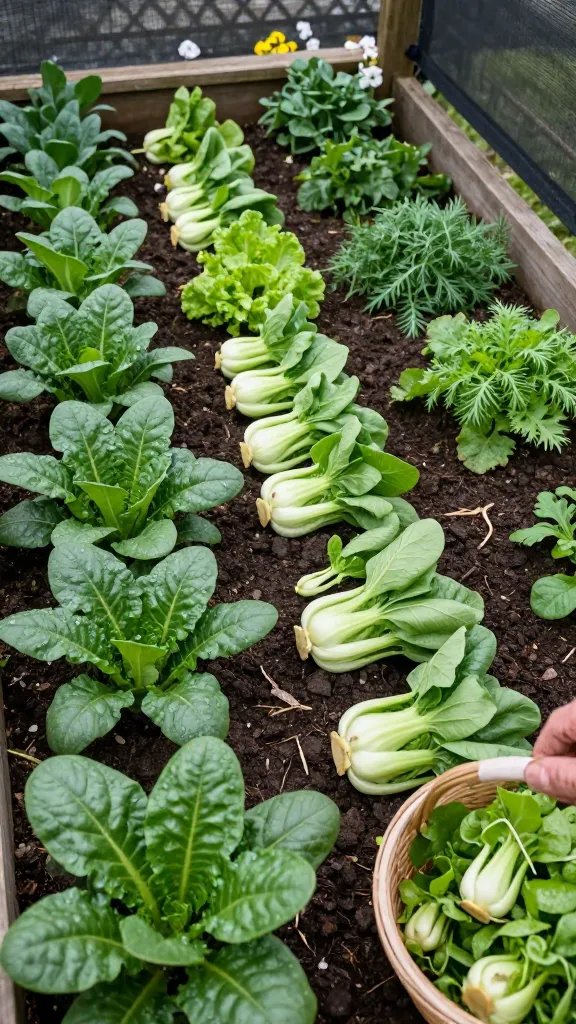
Asian greens bring flavor, texture, and speed. They thrive as baby leaves for salads or as sauté-ready bunches. Many handle chill and shade, so they slot into shoulder seasons perfectly.
Flavors To Mix
- Tatsoi: glossy spoon-shaped leaves, mild and tender
- Mizuna: feathery leaves, gentle mustard bite, stays pretty in heat
- Pai tsai/Bok choy: buttery crunchy stems, delicious raw or quick-seared
- Komatsuna: spinach-like taste with sturdier texture
Planting Game Plan
- Broadcast sow for baby-leaf cuts; thin for heads if you want full-size
- Succession weekly, especially in spring and fall
- Row covers help keep flea beetles and random nibblers away
- Cut-and-come-again: take outer leaves and let the center regrow
They bring crunch and complexity to salads and stir-fries. Mix mizuna and tatsoi with sweet lettuce to make a restaurant-level bowl at home, no reservation required.
5. Mustards, Kale, And Friends For Texture And Long Haul Harvests
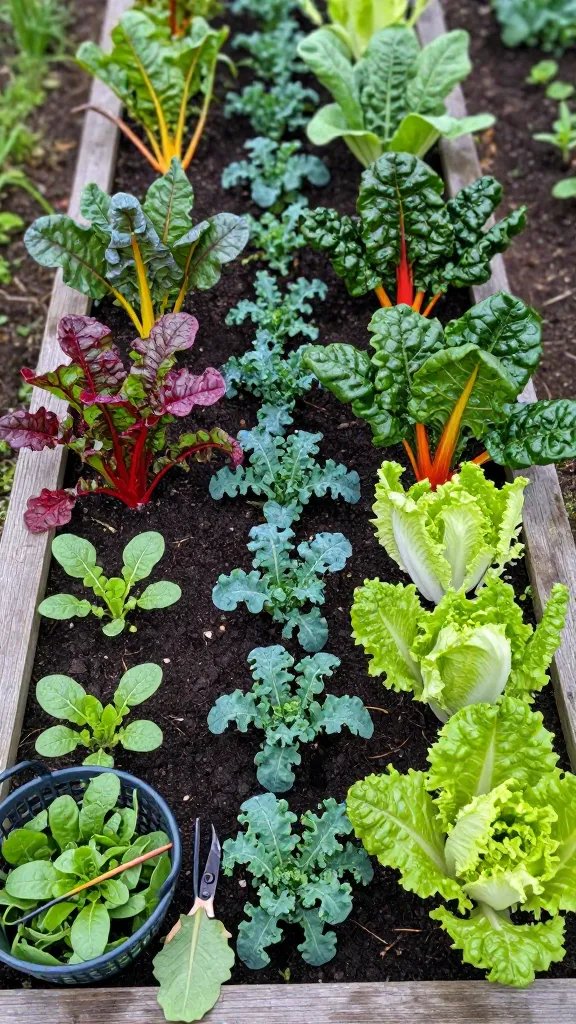
Hearty greens anchor your salad garden with texture and longevity. They keep producing when tender greens tap out, especially in cool weather. Mix in baby leaves for salads and save bigger cuts for sautés and soups.
Greens To Include
- Mustard greens: from mild (Red Giant) to spicy (Green Wave) for complexity
- Baby kale: tender early on, then hearty for cooking later
- Chard: rainbow stems for crunch and color; thrives for months
- Endive/Escarole: gentle bitterness that pairs beautifully with citrus
Planting & Harvest Tips
- Weekly sowing for baby leaves; every 2–3 weeks for chard/kale since they last longer
- Partial shade reduces bitterness and slows bolting in heat
- Mix textures: pair frilly mustards with smooth kale for balanced bites
- Harvest strategy: take outer leaves first, let plants regrow
These greens add nutrition, color, and staying power. They keep your salad routine interesting when lettuce takes a nap.
Bonus Know-How: The Weekly Planting Rhythm
Want your “never-ending” garden to actually never end? Use a simple system. It takes 10 minutes a week and saves you from feast-or-famine harvests.
- Pick a planting day: same day every week, set a phone reminder
- Sow short rows: 1–2 feet per variety; scale up if you eat a lot
- Germination hack: keep soil evenly moist; use a thin board or burlap to shade rows until sprouts appear
- Thin early: you can eat the thinnings (free microgreens!)
- Track days to maturity: most baby greens hit harvest in 21–35 days
Soil, Sun, And Water (Without The Drama)
- Soil: fluffy, compost-rich, and well-drained = happy greens
- pH: neutral-ish (6.2–7.0) keeps nutrients available
- Fertilizer: light, consistent nitrogen; compost tea or fish emulsion every 2–3 weeks
- Sun: 4–6 hours works; greens forgive partial shade
- Water: steady moisture prevents bitterness; drip or gentle spray daily in heat
Pest And Heat Control (Because They Will Try You)
- Row covers block flea beetles, cabbage worms, and random snackers
- Slug traps or diatomaceous earth for slimy thieves
- Shade cloth in hot spells; afternoon shade keeps greens sweet
- Fast turnover: if a bed looks rough, re-sow. Don’t negotiate with bolted greens
Harvest, Wash, Store Like A Pro
- Morning harvest holds crispness best
- Two-bowl wash: dunk, swish, transfer to fresh water, spin dry
- Storage: line containers with paper towels, store slightly damp in the fridge
- Revive wilt: ice bath for 10 minutes, spin, and they perk right up
Flavor Pairings That Slap
- Sweet + peppery: baby lettuce + arugula + strawberries + balsamic
- Crunch + creamy: bok choy + kale + avocado + sesame dressing
- Bitter + bright: endive + orange + fennel + olive oil
- Hearty + tangy: chard + chickpeas + lemon-tahini
Bottom line: mix fast growers for immediate gratification with sturdier greens for the long game. Stack your weekly sowings, and your salad bowl won’t see the bottom for months. Trust me, your future self will brag about this.
Ready to sow your first row this week? Start with one tray or a single bed and build momentum. With a simple weekly rhythm and these greens, you’ll eat fresher, tastier salads than any takeout—on repeat.