
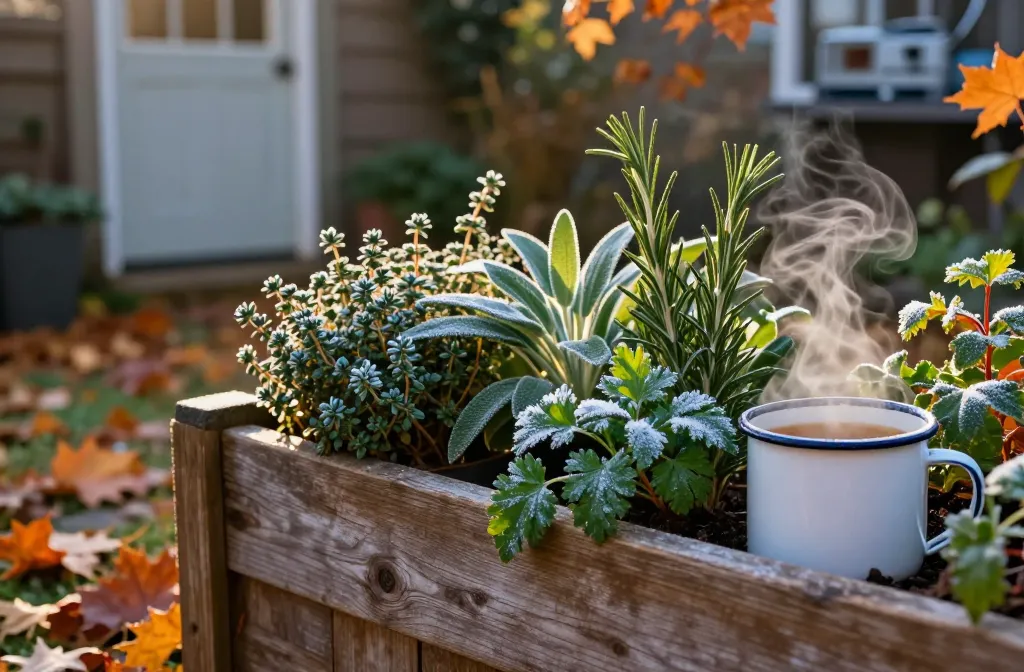
Cold nights, cozy meals, and fresh herbs… yes, even now. Your October herb garden can keep cranking out flavor long after summer bows out. These hardy picks laugh at frost, shrug at short days, and deliver fresh snips for soups, roasts, and tea all winter. Ready to plant smart and harvest happy?
1. Thyme: The Tiny Leaf With Big Cold-Weather Energy
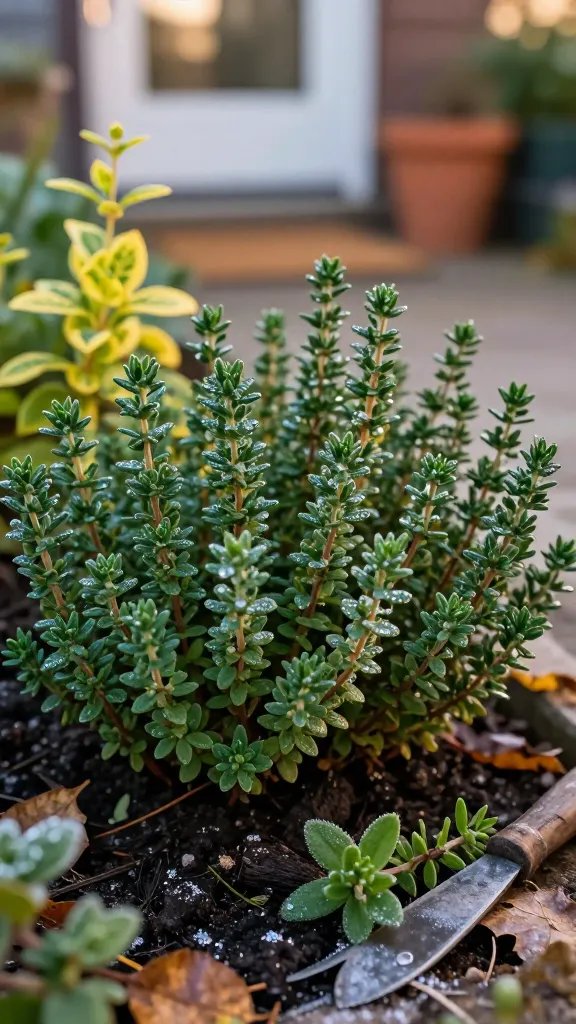
Thyme handles chill like a champ and keeps its flavor concentrated as temperatures drop. It’s compact, evergreen in many zones, and perfect for edging beds or stuffing into containers near your kitchen door.
Why It Wins In Fall
- Cold-hardy to about 0–10°F depending on variety
- Low maintenance once established
- Flavor intensifies in cool weather
Go for English thyme for classic savory dishes, or lemon thyme for that citrusy pop in roasted veggies and chicken. Clip stems in the afternoon when oils peak, and don’t be shy—thick growth bounces back fast.
Tips
- Soil: Fast-draining, sandy or gritty; hates wet feet
- Light: Full sun, or bright light indoors
- Pruning: Shear lightly after flowering; avoid cutting into woody base
Use fresh sprigs in braises or toss a handful on sheet-pan dinners. Bonus: thyme’s evergreen habit means a reliable winter garnish when everything else looks grumpy.
2. Sage: The Cozy Roast Whisperer
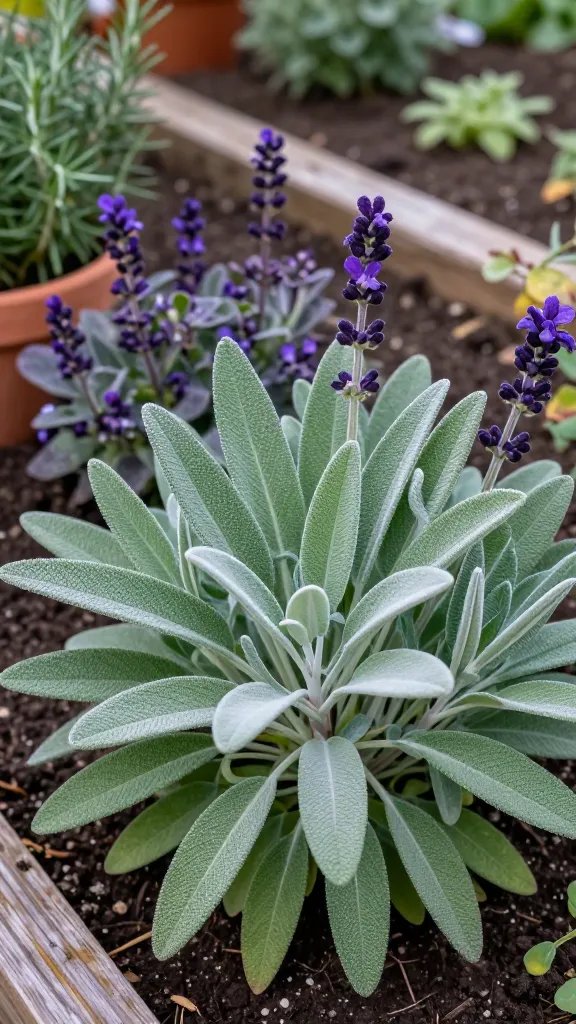
Sage brings that warm, earthy aroma that screams fall feasts. It’s sturdy, drought-tolerant, and looks gorgeous year-round with its silvery leaves.
Why It Wins In Fall
- Handles frost and rebounds quickly
- Woody perennial that gets better with age
- Versatile flavor for butter sauces, stuffings, and roasts
Plant common sage or try purple and tricolor cultivars if you like drama. As temps drop, the leaves hold their oils longer, so a few leaves go a long way in a pan sauce or skillet gnocchi (sage brown butter fans, you know).
Tips
- Soil: Well-drained; slightly alkaline is fine
- Light: Full sun outdoors; high light indoors
- Care: Cut back after flowering; avoid heavy winter pruning
Sage shines when you want rich, comforting dishes and crisped leaves as a garnish. FYI: a single plant can fuel your holiday cooking spree with ease.
3. Rosemary: The Evergreen Powerhouse (With Boundaries)
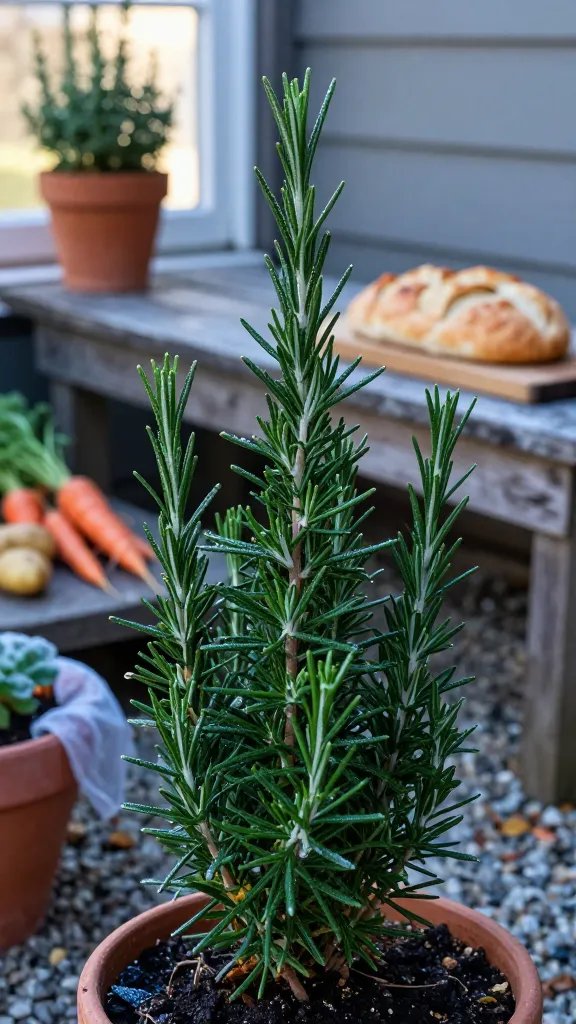
Rosemary brings piney perfume and needle-tough resilience. In mild climates, it thrives all winter; in colder zones, it needs a bit of coddling—but it’s worth it.
Why It Wins In Fall
- Evergreen beauty with architectural shape
- Intense flavor for stews, focaccia, and roasted roots
- Great in containers you can move as freezes threaten
Upright varieties like ‘Arp’ and ‘Hill Hardy’ handle colder snaps better than trailing types. Indoors, give it the sunniest window you own and don’t overwater—seriously, soggy rosemary equals drama.
Tips
- Soil: Sharp drainage, gritty mix; terracotta pots help
- Light: 6+ hours sun; supplemental grow light if needed
- Water: Let top inch dry between drinks
Use rosemary for sheet-pan meals and herbed salts. It doubles as winter decor—clip stems for wreaths and napkin rings, then sneak them into dinner.
4. Parsley: The Cold-Tolerant Workhorse You’re Underrating
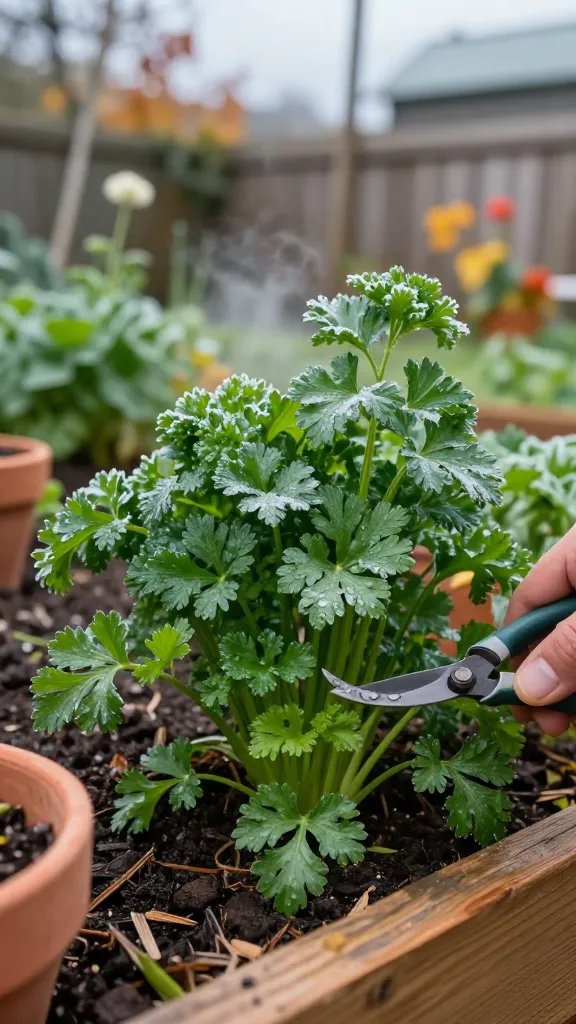
Flat-leaf or curly, parsley packs vitamins and brightness right when meals get heavy. It tolerates frost and often overwinters with a little protection.
Why It Wins In Fall
- Frost-hardy and sweetens slightly in cold
- Constant harvests from cut-and-come-again growth
- Flavor lifter for stews, grains, and salads
Grow it in raised beds or containers and snip outer stems first to keep it pumping. If you cook big batches on weekends, you’ll use parsley nonstop: gremolata, chimichurri, herby omelets—you name it.
Tips
- Soil: Rich, evenly moist; add compost at planting
- Light: Full sun to part shade
- Protection: Mulch with straw; use a cloche in deep freezes
Parsley shines as a finisher—toss at the end to wake up flavors. IMO, it’s the easiest way to make winter food taste fresher without trying too hard.
5. Mint & Friends: The Chill-Proof Tea Squad
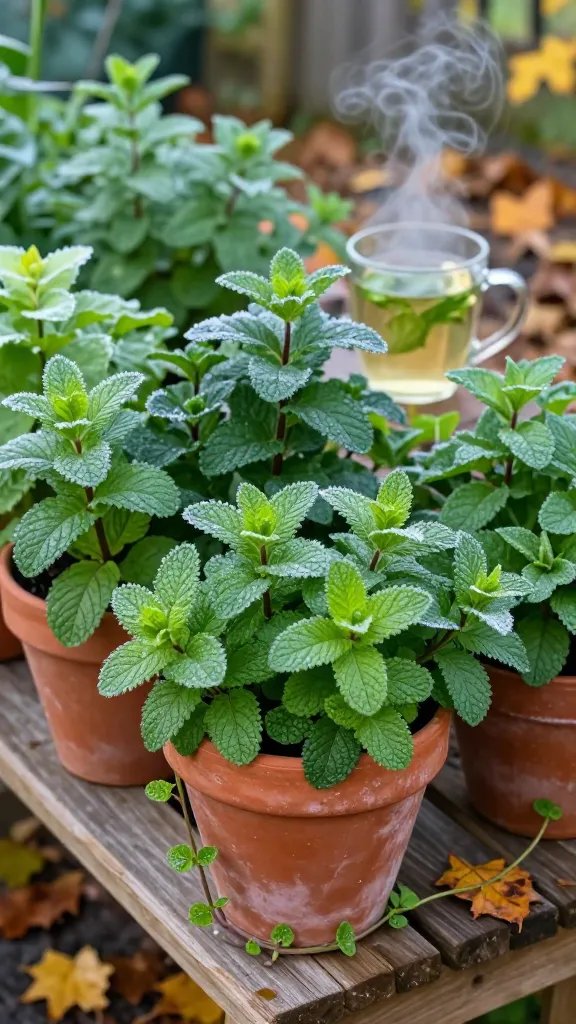
Mint laughs at cold and spreads like gossip. Spearmint, peppermint, and apple mint handle frosty nights and keep gifting stems for tea, desserts, and savory dishes.
Why They Win In Fall
- Extremely hardy in most climates
- Fast regrowth even after a hard cutback
- Versatile for sauces, teas, and cocktails
Plant mints in containers unless you like chaos, because they will run. Harvest on the regular to keep leaves tender and flavorful; cold air tightens the oils for extra zing in your mug.
Tips
- Soil: Moist but well-drained
- Light: Part sun to bright shade
- Containment: Bottomless pots sunk in beds, or standalone planters
Use mint for warming teas, yogurt sauces, and quick syrups for mocktails. Trust me, “fresh mint tea” beats any store-bought bag on a chilly night.
Bonus Hardy All-Stars To Tuck In
- Chives: Bounce back early; snip for eggs and potatoes
- Oregano: Woodier flavor in cold; awesome dried
- Winter Savory: Peppery and underrated; great with beans
These add diversity to your cold-season lineup and dry beautifully for spice blends.
Planting Game Plan For October
- Start with healthy transplants for woody herbs; direct-sow chives and parsley if needed
- Mulch smart: 1–2 inches of straw or shredded leaves to buffer temperature swings
- Use row covers or cloches during hard freezes for tender moments
- Containers near the door: Convenience = more harvests (and fewer frozen toes)
This setup maximizes your chances of snipping fresh herbs through winter, even if your weather throws tantrums.
Harvest & Storage Moves
- Frequent light cuts: Encourage new shoots without stressing plants
- Drying: Oregano, rosemary, thyme, and savory dry brilliantly
- Freezing: Chop parsley and mint; freeze in olive oil cubes
- Infuse: Make herb salts, vinegars, or honey for shelf-stable flavor
Keep a pair of snips by the door and make harvesting a quick habit. You’ll build a stash that crushes bland winter meals.
Indoors vs. Outdoors (Quick Reality Check)
- Outdoors: Better flavor concentration, sturdier plants
- Indoors: Convenience, but you need bright light and careful watering
- Hybrid plan: Containers you can shuffle during cold snaps = best of both worlds
Don’t overthink it. Put the sun-lovers by the brightest window and rotate weekly. Easy.
Soil, Fertilizer, and Water—The Cold-Season Rules
- Drainage matters more than ever—cold + wet = root rot
- Feed lightly: A balanced, slow-release fertilizer once in fall, then pause
- Water less often: But don’t let containers bone-dry; check weekly
These tweaks keep plants tough without forcing soft growth that hates frost. Your herbs will thank you by not dying, which feels like a win.
Pairing Herbs With Fall Dishes
- Thyme + Mushrooms: Sauté with garlic, finish with cream
- Sage + Squash: Brown butter drizzle over roasted slices
- Rosemary + Potatoes: Smash, oil, salt, bake, devour
- Parsley + Beans: Lemon-zinged gremolata on top
- Mint + Chocolate: Fresh leaves in hot cocoa—don’t knock it till you try
These combos give you maximum comfort with minimum effort. Your kitchen will smell like a cozy food magazine, in the best way.
Quick Troubleshooting
- Yellowing leaves? Likely overwatering or poor drainage
- Leggy indoor growth? Not enough light—add a grow bulb
- Frost-burn tips? Mulch, cover, and harvest slightly lower on the stem
- Flavor drop? Harvest later in the day; avoid heavy feeding
Small tweaks fix most herb drama fast. You’ve got this.
Ready to put your herb garden on cold-weather autopilot? Plant these hardy heroes, keep the snips handy, and cook like a cozy-season legend. Your future soups, roasts, and late-night teas will thank you—loudly.