
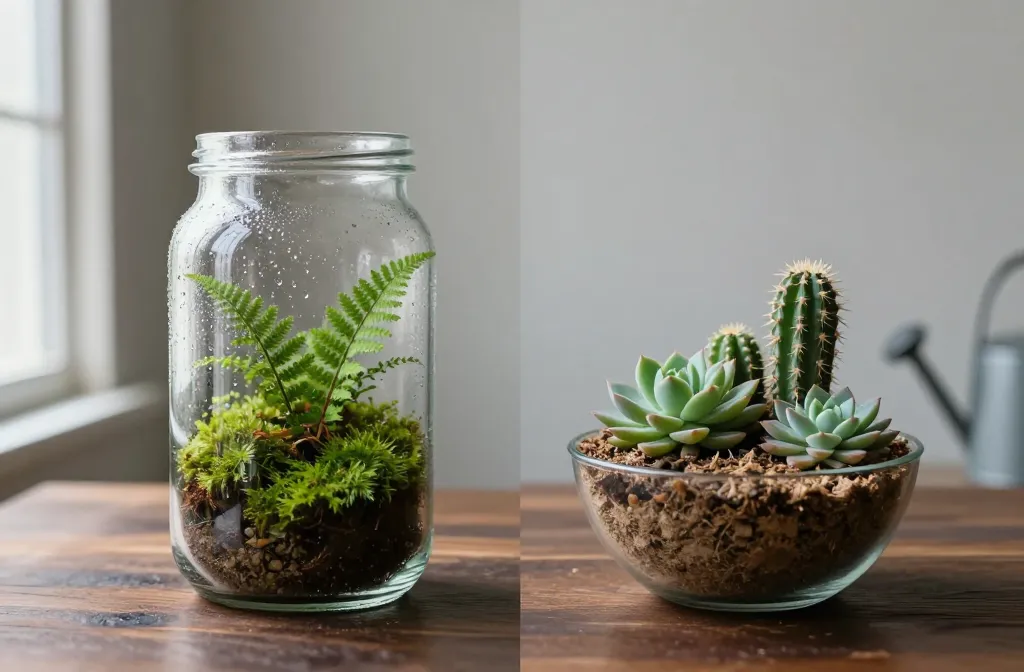
I learned the difference the hard way: I treated an open terrarium like a tiny greenhouse and it dried to dust, while my first closed build turned swampy in a week. Both failures traced back to one thing — I didn’t respect how the container’s structure controls water, air, and heat. In this guide I’ll show you exactly how closed and open systems behave, which plants actually thrive in each, and how to set them up with simple materials from any garden centre. You’ll leave knowing which structure to choose and how to keep it thriving for years.
The Core Structural Difference: Air Exchange Versus Sealed Microclimate
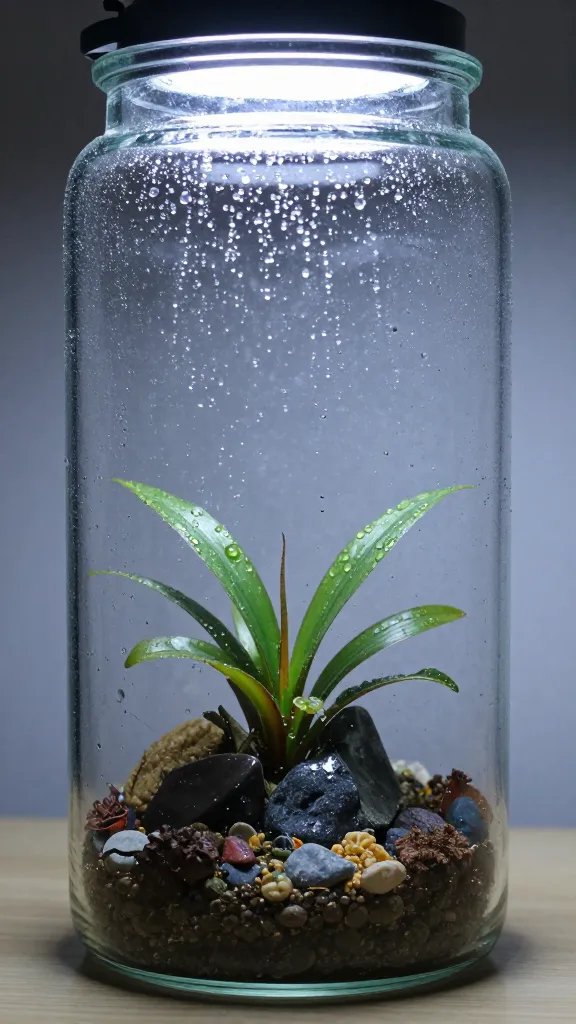
A closed terrarium seals moisture and air inside. Water evaporates, condenses on the glass, and returns to the substrate — a self-contained loop. Oxygen and carbon dioxide fluctuate slowly because outside air barely gets in.
An open terrarium vents freely to your room. Moist air escapes, fresh air enters, and you control the environment with your watering can and room conditions. It behaves like a shallow pot with fancy walls.
Takeaway: Decide first: do you want a self-regulating moisture loop (closed) or easy airflow and manual watering (open)? Pick the structure that matches your maintenance style.
How Structure Changes Watering: Recirculation Versus Evaporation
In a closed build, the lid turns every drop into a long-term resource. You pre-set moisture at assembly, then the system recycles it. Overwatering at the start floods roots and feeds fungus because excess has nowhere to escape.
In an open build, water leaves through the top. You’ll water more often, but mistakes drain away. The risk is the opposite: chronic dryness, especially near heaters or sunny windows.
Warning Signs
- Closed: Heavy midday condensation on more than half the glass and a swampy smell = too wet. Bone-dry glass for several days and drooping foliage = too dry.
- Open: Crispy leaf tips and shrinking moss = underwatered. Algae crust on soil and fungus gnats = overwatered.
Action: For closed builds, aim for light morning condensation that clears by afternoon. For open builds, water when the top 1 cm of substrate feels dry to your finger.
Substrate Engineering: Layering That Matches The Container
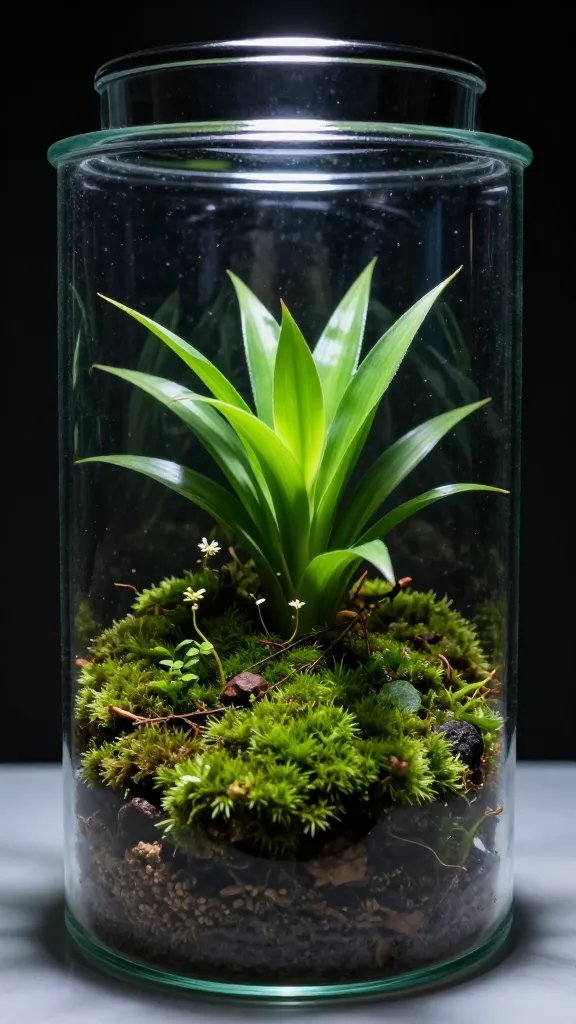
Closed terrariums demand a breathable yet moisture-retentive base. Use a drainage layer (pebbles or LECA), a barrier (mesh or coffee filter), and a terrarrium mix that resists compaction and mold.
Open terrariums handle simpler mixes because excess moisture can escape. You can skip deep drainage layers in shallow bowls, but you still need structure so roots don’t suffocate.
Material Recommendations
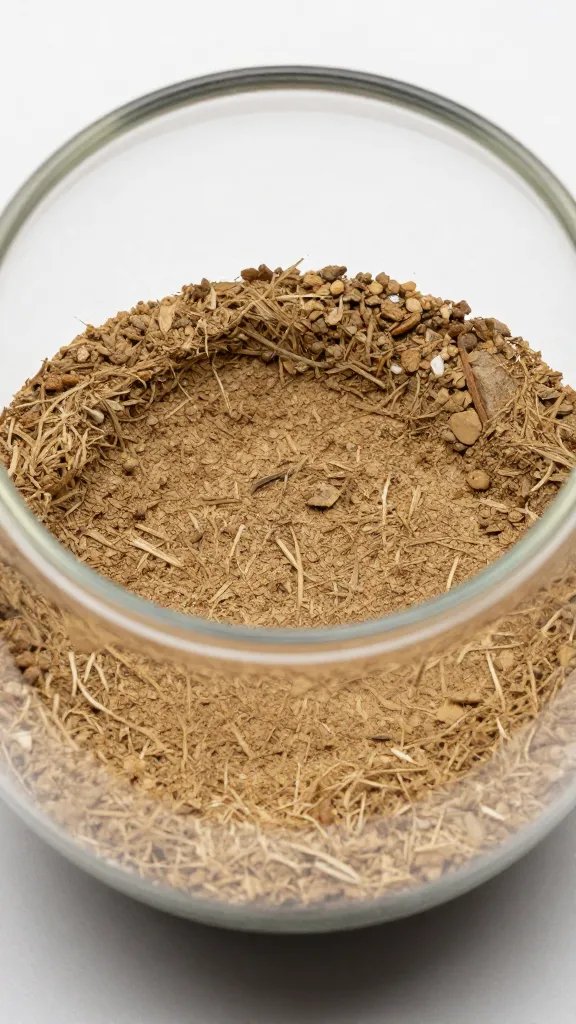
- Closed: Bottom 2–3 cm washed pebbles or LECA; mesh; 6–8 cm mix of good potting soil + fine orchid bark + horticultural charcoal (roughly 3:1:1). Optional top dressing of dried moss or small gravel to limit evaporation to the glass.
- Open: 6–10 cm of high-quality potting mix blended with perlite at 3:1 for airflow. Add a thin gravel base only if your container is deep and heavy.
Action: Build your substrate to match the structure today: closed = drainage layer + mesh + airy mix; open = airy potting mix with perlite, minimal extras.
Plant Physiology Fit: Humidity Lovers Versus Airy-Space Specialists
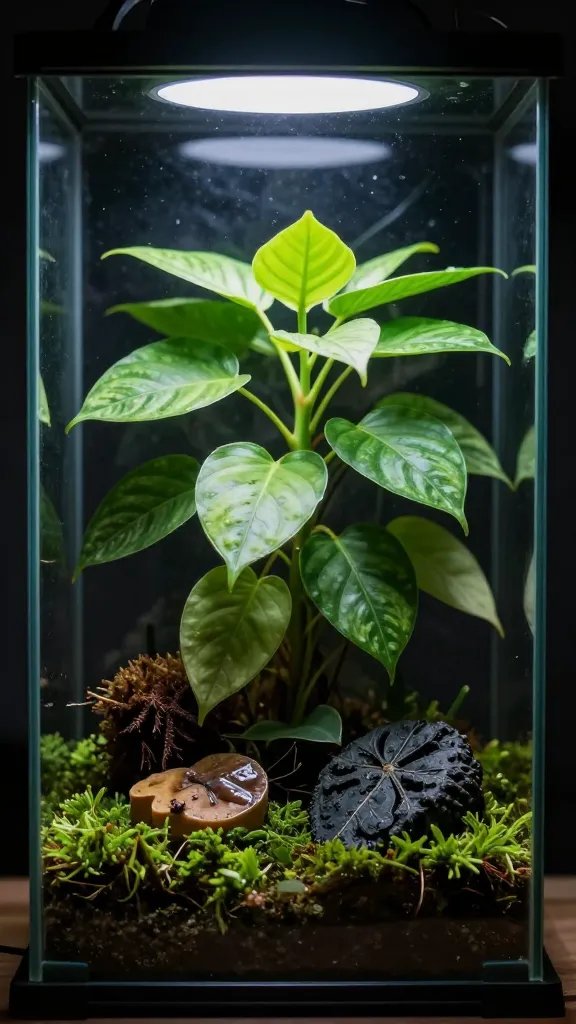
Closed systems favor plants that enjoy steady humidity and stable moisture. Think small, slow growers that won’t press hard against the glass.
Open systems suit plants that prefer drier air, brighter light, and quicker drying between waterings. Faster growers with good airflow fare better here.
Plant Lists That Actually Work
- Closed Terrarium Winners: Mosses (sheet, cushion), Fittonia (nerve plant), Pilea depressa, Pepperomia caperata, Selaginella, Anubias nana ‘Petite’ on wood, tiny ferns like Asplenium ‘Crispy Wave’ (juvenile).
- Open Terrarium Winners: Haworthia, Gasteria, small Aloe, Echeveria, Cacti (with gritty mix), Pepperomia obtusifolia, Pilea glauca.
- Red Flags: Do not put succulents in closed terrariums or high-humidity ferns in open bowls near heaters.
Action: Match plant to structure today: humidity lovers into closed; succulents and air-preferring plants into open.
Light And Heat: Glass Magnifies, Lids Trap
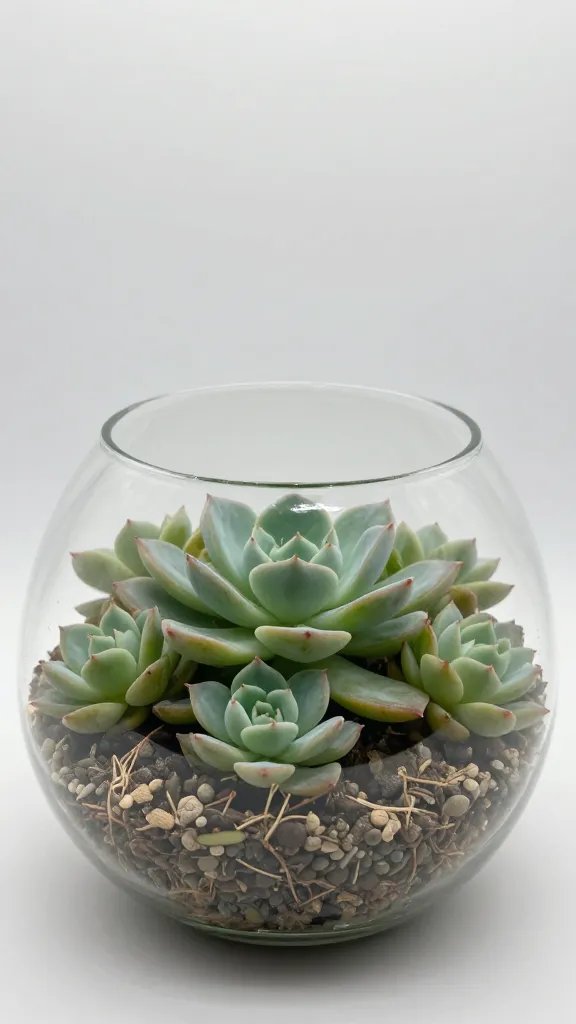
Glass focuses heat. A closed terrarium can overheat quickly on a sunny sill because the lid traps warmth and moisture. Direct sun cooks leaves against the glass.
Open terrariums tolerate brighter positions because heat can escape. Succulents in open bowls still burn in harsh midday sun behind glass; aim for bright but not scorching.
Placement Rules
- Closed: Bright indirect light 0.5–1.5 m from an east or north window, or next to a bright south window but out of the sunbeam.
- Open: Bright indirect to gentle morning sun on an east sill; rotate weekly for even growth.
Action: Move closed terrariums out of direct sun today; give open succulent bowls an east-facing spot with 2–3 hours of morning light.
Maintenance Cadence: Leave It Be Versus Light, Regular Tending
Closed builds want stability. You prune lightly, wipe condensation, and add tiny amounts of water only when the glass stays dry for days. Too much intervention causes swings.
Open builds want routine. You water on a schedule, remove dead leaves quickly, and refresh the top layer if algae or fungus gnats appear. Airflow is your friend.
Simple Routines
- Closed (Monthly): Check midday condensation, trim leaves off the glass, wipe inside glass with a long cotton swab, add 1–2 tablespoons of water if no condensation for 3 days.
- Open (Weekly): Finger-test the top 1 cm; water thoroughly until a little runoff appears, then stop. Turn the container for even light and remove any decaying bits.
Action: Put a 30-day reminder for closed terrarium checks, and a weekly reminder for open terrarium watering and rotation.
Set-Up Steps: Getting The First Week Right
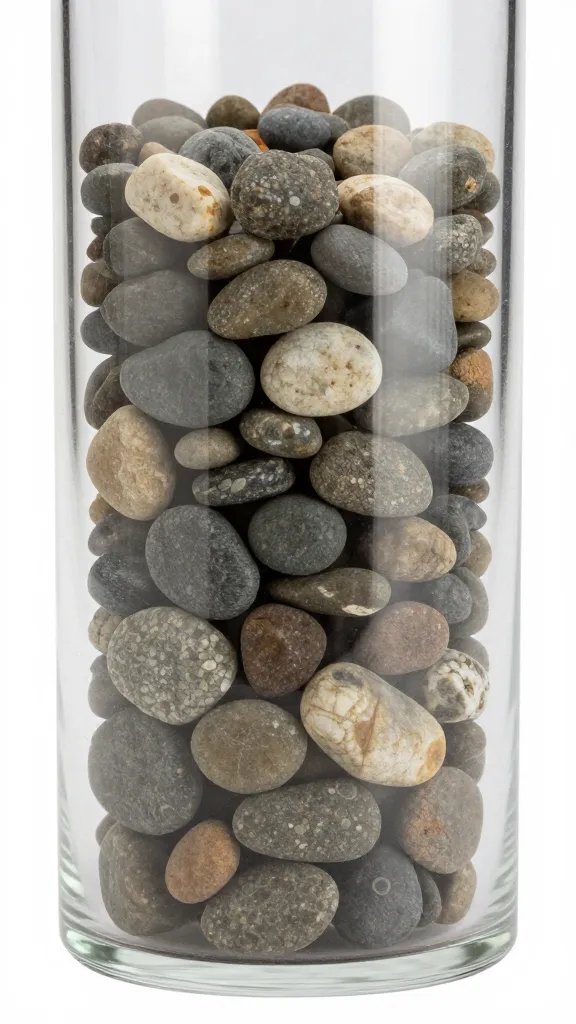
The first week locks in success. In closed builds, you calibrate moisture; in open builds, you establish a drying rhythm.
Closed Terrarium: First-Week Calibration
- Rinse pebbles/LECA and container. Add 2–3 cm drainage, then mesh.
- Add 6–8 cm airy mix. Pre-moisten: squeeze a handful — it should clump but not drip.
- Plant snugly. Mist leaves lightly. Seal the lid.
- Day 2–4: If more than half the glass fogs at midday, open the lid for 1–2 hours. Repeat daily until light morning condensation only.
Open Terrarium: First-Week Rhythm
- Fill with airy mix (3:1 potting soil:perlite). Plant with space for airflow.
- Water until the mix is evenly moist; stop at the first hint of pooling.
- Place in bright indirect light or gentle morning sun.
- Day 3–4: Finger-test. If the top 1 cm is dry, water lightly. If still damp, wait 24 hours.
Action: Run the four-day condensation check (closed) or finger-test (open) starting today to lock in a stable routine.
Troubleshooting By Structure: Solve The Right Problem First
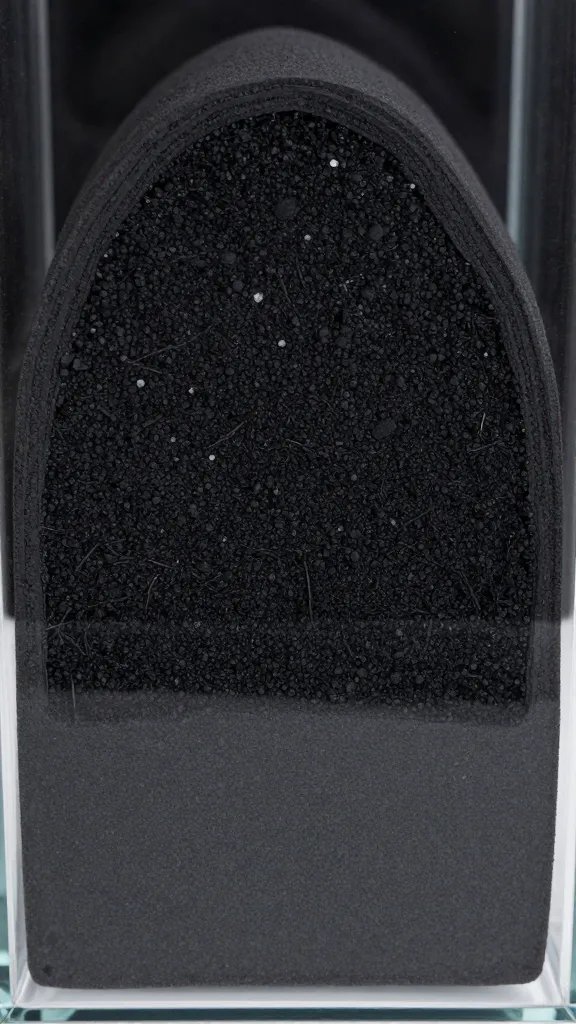
Don’t treat an airflow problem like a watering problem. Structure tells you the first lever to pull.
Fast Fixes
- Closed, foggy and smelly: Vent 2 hours daily for 3 days, remove any rotting leaf, and add a thin sprinkle of horticultural charcoal on exposed soil.
- Closed, no condensation for a week: Add 1 tablespoon of water along the glass, re-check next day, repeat if still dry.
- Open, gnats: Let the top 2 cm dry, top-dress with 1 cm gravel, and water from the edge only.
- Open, crispy tips: Move 30–60 cm closer to a bright window and water to full moisture once, then allow the top 1 cm to dry.
Action: Diagnose by structure first: closed = adjust condensation; open = adjust drying interval.
Frequently Asked Questions
How often do I water a closed terrarium?
Rarely. Add small amounts only when you see no condensation for three consecutive days. Start with 1–2 tablespoons along the glass, then reassess the next day. If you see steady morning condensation afterward, stop adding water.
Can I grow succulents in a closed terrarium?
No. Succulents need airflow and faster drying than a sealed lid allows. In a closed build they stretch, rot at the base, and attract fungus gnats. Use an open bowl, gritty mix with extra perlite, and bright morning sun instead.
Why is my closed terrarium always foggy?
It’s over-saturated or too warm for the moisture level. Open the lid for 1–2 hours midday for several days to vent, and move it out of direct sun. Remove any decaying leaves and wipe the glass so you can read condensation accurately.
My open terrarium dries out every two days. What should I change?
It sits in too much heat or airflow, or the mix is too light. Move it 30–60 cm away from a heater or sunny pane and blend in more potting soil to reduce perlite to a 4:1 soil:perlite ratio. Top-dress with gravel to slow surface evaporation.
Do I need a drainage layer in an open terrarium?
Only for deep containers where excess water could pool and stagnate. In shallow bowls, a well-aerated mix is enough because water can evaporate. If you add drainage, keep it thin (1–2 cm) and don’t overwater just because it’s there.
What’s the best light for a closed terrarium in winter?
Bright indirect light near a window where you can comfortably read without turning on a lamp. If your room is dim, use a small LED desk lamp set 30–40 cm above for 8–10 hours daily. Keep the lid on and watch for only light morning condensation.
Conclusion
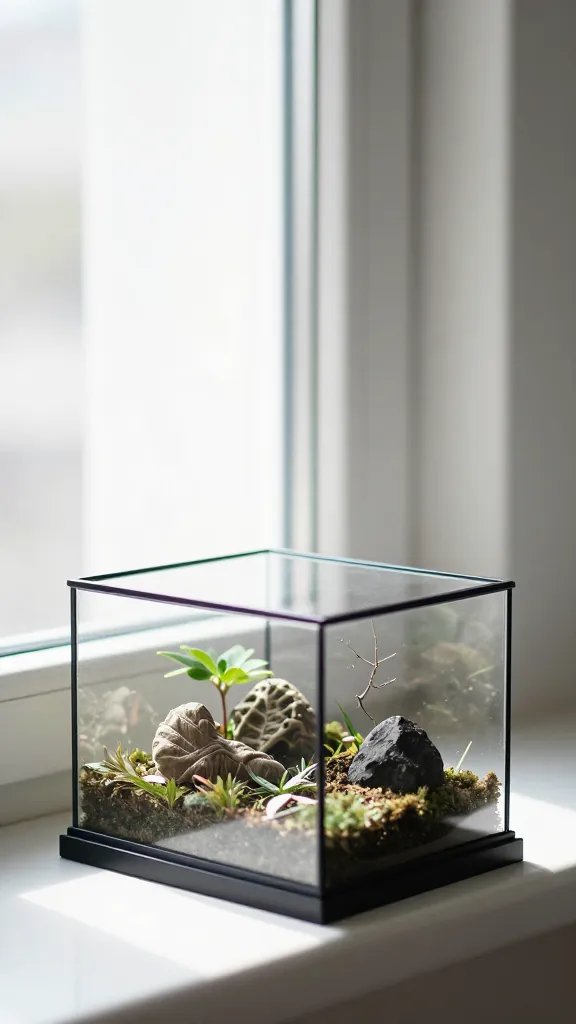
Your container decides the rules: a closed terrarium recycles moisture and demands restraint, while an open terrarium breathes and rewards steady care. Choose the structure that matches your plants and how you like to tend them, then follow the condensation check (closed) or finger-test (open) this week. Ready for the next step? Build one of each on a side table and practice the two routines — you’ll master the differences in a month.