
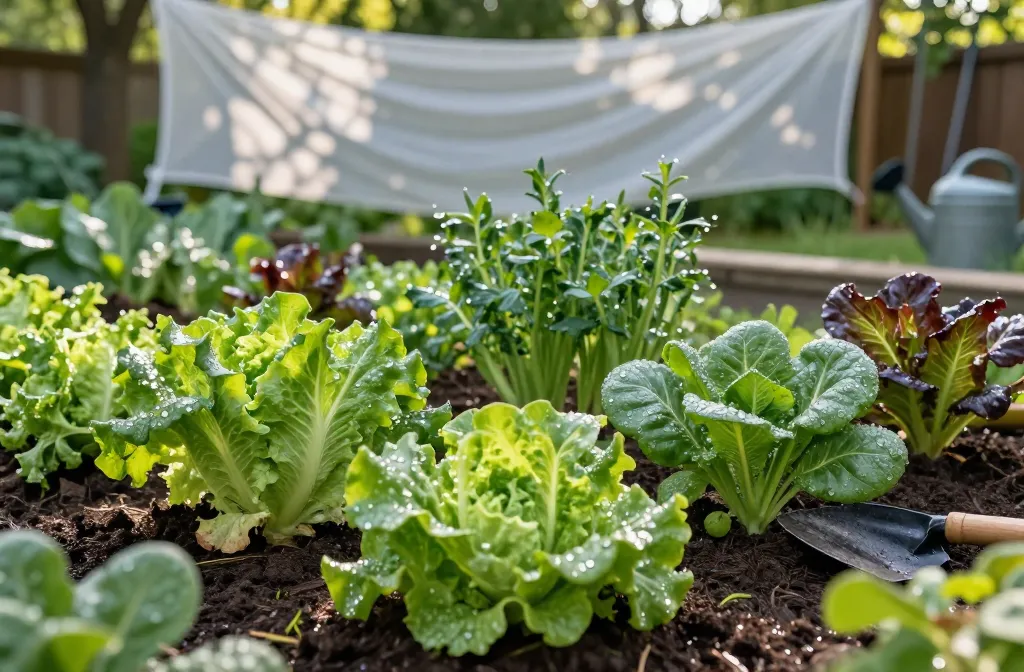
Scorching summer got your garden sulking? Good news: you can still plant delicious veggies in July that actually enjoy some shade. These heat-smart choices shrug off blazing afternoons and keep producing when the rest of the bed calls it quits. Grab a trowel, claim those dappled corners, and let’s turn “too hot” into “fresh harvests on repeat.”
1. Leafy Legends: Lettuce That Doesn’t Melt
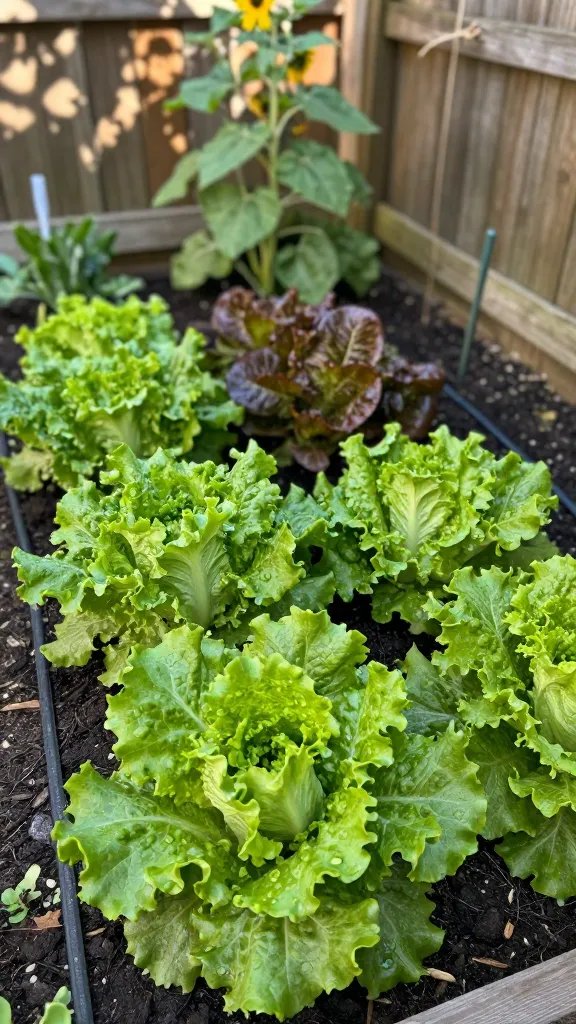
Lettuce in July? Yup—if you pick the right types and give them afternoon shade. Heat-tolerant romaines and loose-leaf varieties stay crisp when you tuck them behind taller plants or along a fence line.
Best Varieties To Try
- Romaine types: Jericho, Parris Island Cos
- Loose-leaf: Black Seeded Simpson, Red Sails
- Batavian (summer crisp): Nevada, Muir
Start with fresh seed and sow shallow—barely cover with soil. Keep the top inch of soil consistently moist so the seeds don’t cook before they sprout.
Pro Tips
- Time it right: Sow at dusk or early morning so seeds germinate in cooler temps.
- Use shade cloth: 30–40% shade cloth knocks down heat just enough.
- Bottom water: Water at soil level to avoid leaf scorch and bitterness.
Lettuce grows fast, so you’ll snag baby greens in 25–30 days and full heads in 45–55. That’s quick wins and crunchy salads without the grocery run.
2. Spinach’s Summer Cousins: Malabar And New Zealand Spinach
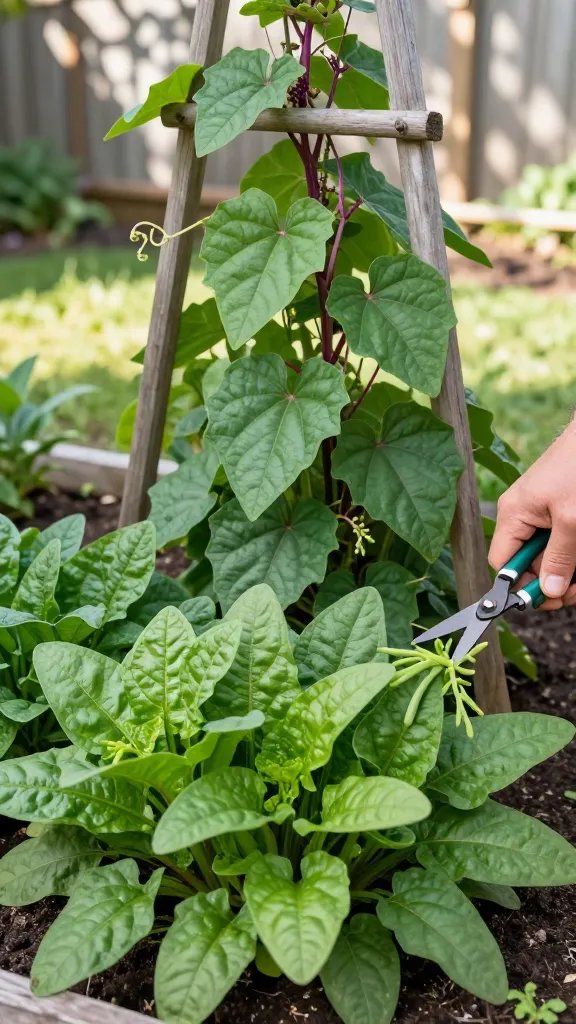
Regular spinach taps out in heat, but these two leafy champs say “hold my trellis.” Malabar spinach climbs, thrives in humidity, and tastes pleasantly mild. New Zealand spinach sprawls like a groundcover and pumps out tender shoots all season.
What Makes Them Awesome
- Heat-hardy: They love warm soil and partial shade.
- Cut-and-come-again: Snip shoots and leaves; they bounce back fast.
- Low drama: Fewer pest issues than true spinach in summer.
Direct sow once nights stay above 60°F. For Malabar, give a simple trellis, string, or a fence to climb. For New Zealand spinach, space plants 12–18 inches apart and let them form a living mulch that cools the soil.
Harvest & Use
- Harvest young: Tender leaves taste best in salads and sautés.
- Stay hydrated: Keep soil evenly moist for sweeter flavor.
- Quick blanch: If leaves feel thick, a 30-second blanch softens them.
Plant them once and enjoy greens for months—seriously, they’ll outlast your patience in the best way.
3. Crunch Time: Shade-Tolerant Greens—Kale, Swiss Chard, And Mustards
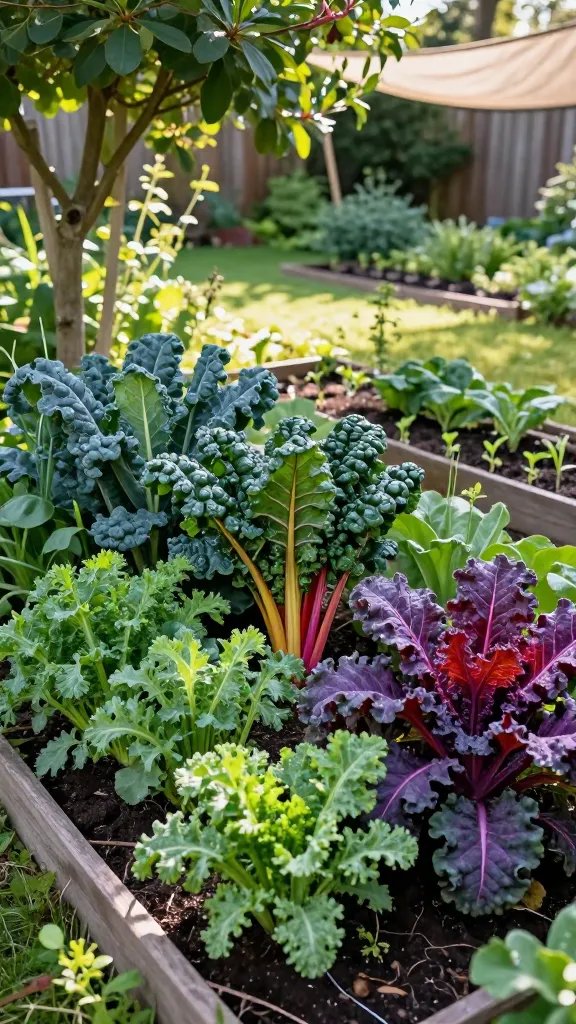
You want color, crunch, and nutrients without a sunburned garden? Kale, chard, and mustard greens handle bright shade like pros. They don’t love 12 hours of direct sun in July, but give them morning rays and afternoon shade and they’ll reward you with steady growth.
Standout Picks
- Kale: Lacinato (Dinosaur), Red Russian, Winterbor
- Swiss Chard: Bright Lights, Fordhook Giant
- Mustards: Green Wave, Mizuna, Giant Red
Direct sow or transplant sturdy starts. Shade reduces heat stress and bitterness. If you only have dappled light under a tree, aim for varieties labeled “bolt-resistant.”
Tips For July Planting
- Feed lightly: Mix compost into the top 2–3 inches for slow-release nutrients.
- Mulch: Two inches of straw or shredded leaves keep roots cool.
- Pest watch: Floating row cover stops flea beetles and cabbage worms—no drama, no holes.
These greens pull double duty: salads when young, sautés and soups as they mature. IMO, chard is your MVP for color and stamina in heat.
4. Herb Heroes: Shade-Savvy Workhorses You’ll Use Constantly
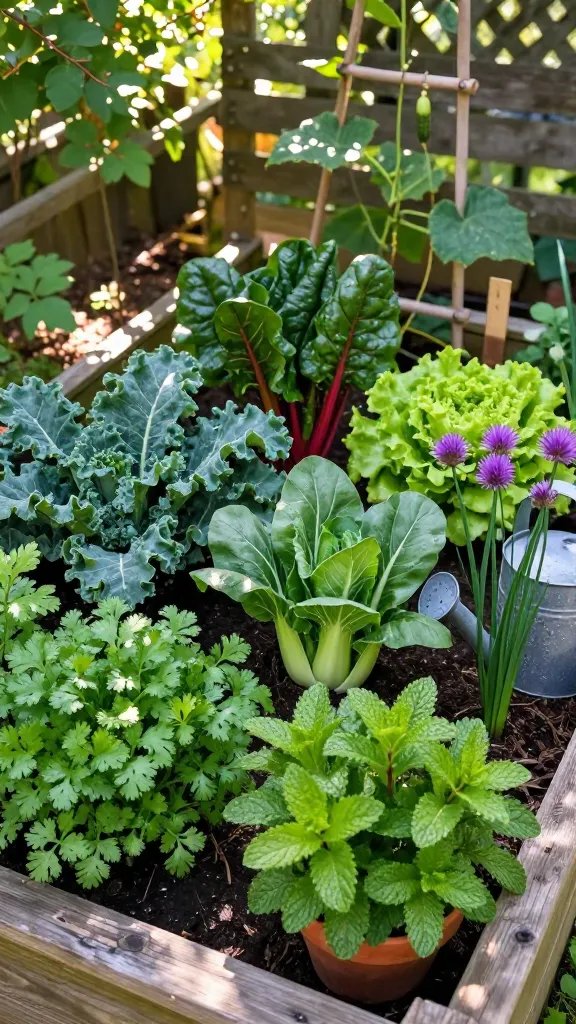
When it’s too hot to fuss, herbs deliver flavor without the meltdown. Many common herbs prefer partial shade in peak summer, which keeps their oils balanced and their leaves tender.
Top Shade-Tolerant Choices
- Parsley: Flat-leaf or curly—both handle bright shade and grow lush.
- Cilantro (for leaves) & Culantro: Cilantro bolts fast in heat, but partial shade buys you time; culantro laughs at heat.
- Mint: Loves morning sun, afternoon shade; keep it in a pot unless you like chaos.
- Chives: Mild onion kick, reliable regrowth.
- Lemon Balm: Fragrant, calm, and very forgiving.
Plant herbs near the kitchen door or in containers you can shift out of the inferno. Snip regularly to keep them compact and productive.
Care Basics
- Soil: Well-drained with a bit of compost; soggy roots = sad herbs.
- Water: Deep, infrequent watering beats daily sprinkles.
- Harvest smart: Never take more than one-third of the plant at once.
Herbs earn their keep in every meal, and you’ll love the instant “I’m a chef now” energy they add to summer dishes. FYI, mint iced tea on a sweltering day = happiness.
5. Cool-Headed Root Crops: Radishes And Baby Beets For Quick Wins
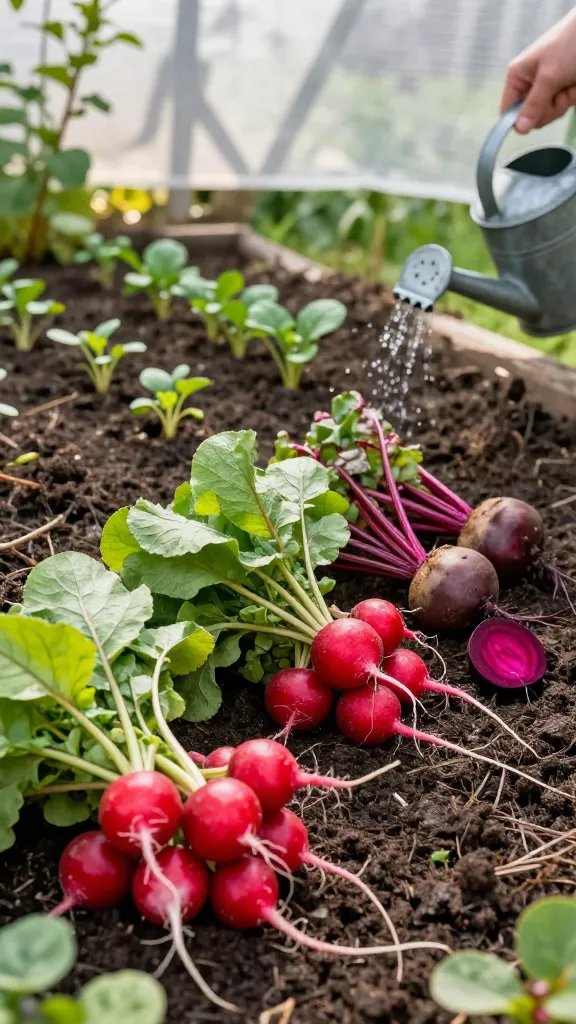
Root crops in July? If you pick fast, heat-tolerant types and use shade, you’ll pull crunchy radishes and tender baby beets before the next heatwave hits. They germinate fast when you keep the topsoil cool and moist.
Fast Varieties
- Radishes: Cherry Belle, French Breakfast, Easter Egg mix
- Beets (for baby roots and greens): Early Wonder, Detroit Dark Red, Chioggia
Sow seeds ½ inch deep in beds that get morning sun and afternoon shade. Water daily until germination, then switch to steady, deep watering. Thin ruthlessly—crowded roots stay puny and spicy in the wrong way.
Shade And Soil Tricks
- Pre-chill seedbed: Water the bed deeply the evening before sowing.
- Temporary shade: Drape 30% shade cloth or prop up a cardboard screen during midday.
- Even moisture: Mulch lightly with fine straw or compost to prevent cracking.
Radishes hit the plate in 22–30 days; baby beets land in 35–45. Harvest greens too—beet tops sauté like a dream. Quick, satisfying, and perfect for impatient gardeners (hi, it’s me).
Bonus Know-How For All Five
- Water timing: Early morning watering reduces evaporation and plant stress.
- Soil temps matter: If soil feels hot to the touch, cool it with a good soak before sowing.
- Companion shade: Tuck shade-lovers on the east side of tomatoes, peppers, or corn for built-in afternoon shade.
- Containers rule: In brutal heat, containers in bright shade are clutch—easy to move, easy to water.
- Fertilizer finesse: Use a gentle, balanced organic feed; too much nitrogen in heat = floppy, pest-magnet leaves.
Ready to outsmart the sun? Plant these shade-tolerant stars now and enjoy steady harvests while everyone else waits for fall. You’ve got this—seriously, your July garden can be cool, calm, and ridiculously tasty.