
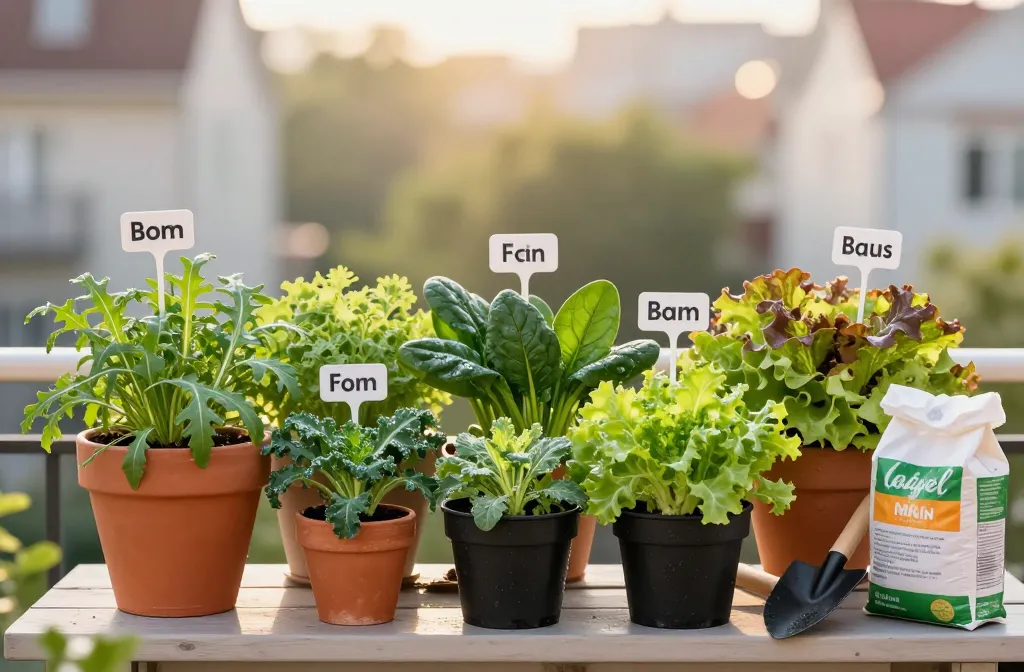
August isn’t garden “game over.” It’s your secret doorway to a killer fall harvest—especially in containers. Cooler nights mean sweeter greens, fewer pests, and shockingly quick turnarounds. Got a balcony, a patio, or a sunny stoop? Perfect. Let’s plant 20 hardworking vegetables now so you can brag about fresh salads, soups, and roasts all autumn.
We’ll keep it simple, container-friendly, and flavor-forward. Grab your pots, a quality potting mix, and a little hustle. By the time your friends start pumpkin-spicing everything, you’ll already be snacking on homegrown greens and roots.
1. Fast Greens & Baby Leaves You’ll Actually Eat
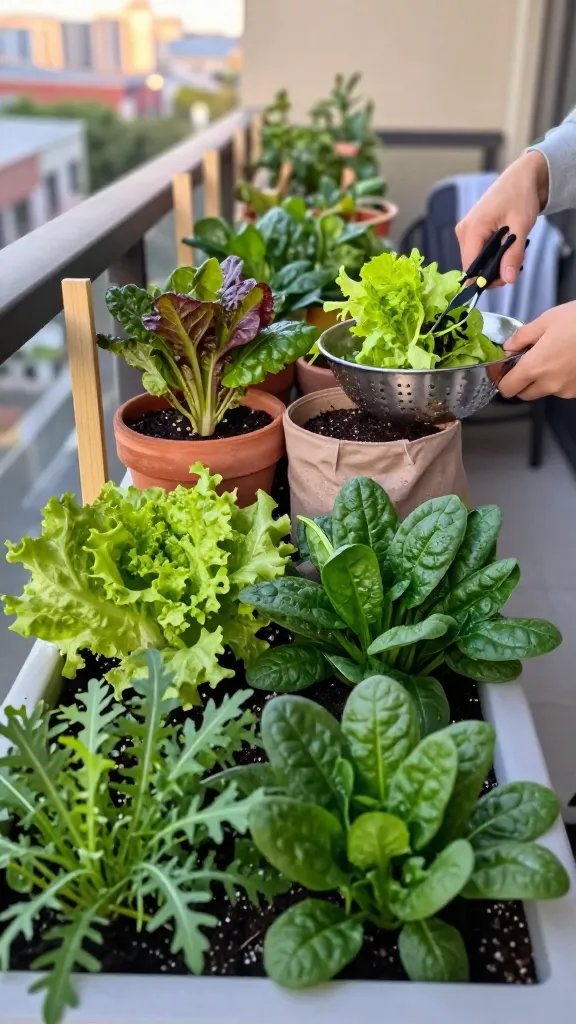
Want the quickest wins? Go with greens that germinate fast, thrive in cooler nights, and taste better as temps dip. These are the container MVPs—great for cut-and-come-again harvests so you get more food from less space.
Plant these now for September and October salads that don’t taste like store-bought sadness.
What To Plant (20–45 Days To Harvest):
- Arugula (peppery, grows like a weed—IMO in a good way)
- Leaf Lettuce Mix (mesclun, oak leaf, butter blends—high yield in shallow pots)
- Spinach (sweeter in cool weather; bolt-resistant varieties shine)
- Baby Kale (Red Russian, Lacinato baby leaves—tender and fast)
- Mizuna (mild mustard green with frilly leaves and big cut-and-come-again energy)
- Tatsoi (spoon-shaped, buttery texture, loves fall)
- Swiss Chard (colorful, forgiving, and keeps producing)
Container Setup Tips:
- Pot depth: 6–8 inches for baby greens, 10–12 inches for chard
- Spacing: Broadcast seeds thickly for baby leaves; thin to 3–4 inches
- Sun: 4–6 hours minimum; morning sun is gold
- Soil: Fluffy, well-drained potting mix + 10–20% compost
- Fertilizer: Balanced organic liquid feed every 10–14 days
Pro Moves:
- Sow every 10–14 days through early September for a rolling harvest.
- Harvest with scissors: take outer leaves, let centers keep growing.
- Shade cloth on hot afternoons = zero bitterness, less bolting.
Use these greens for weeknight salads, grain bowls, omelets—basically everything. And yes, you will feel smug about it.
2. Roots That Love Cool Nights (And Don’t Need A Farm)
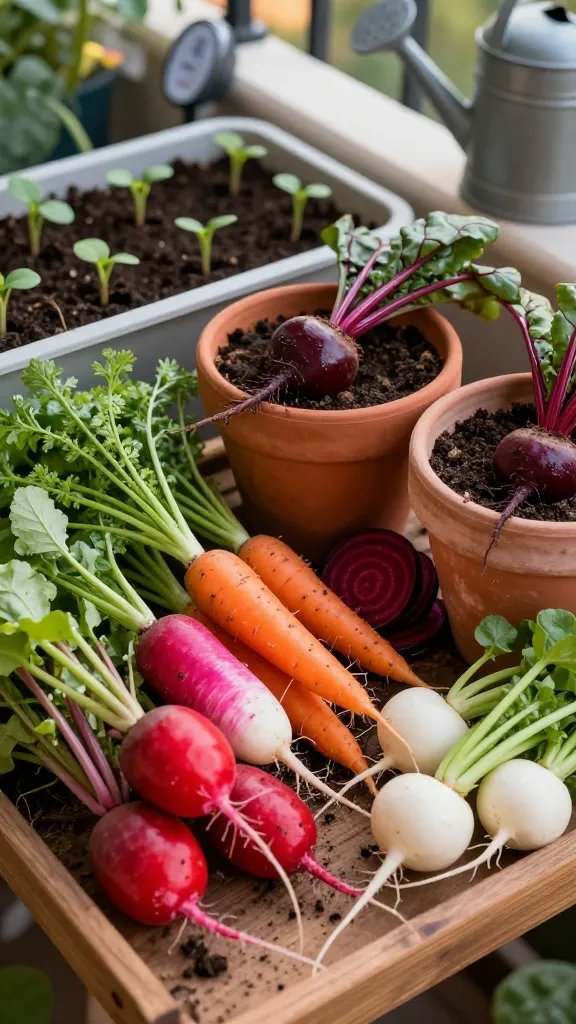
Roots in containers? Absolutely. Many fall roots mature fast and taste sweeter after a light chill. You just need deep-enough pots, steady moisture, and zero rock-hard soil clumps.
Plant once, harvest for weeks. Easy math.
What To Plant (30–75 Days To Harvest):
- Radishes (French Breakfast, Cherry Belle—ready in under a month)
- Carrots (Nantes, Parisian, Little Finger—short or round types shine in pots)
- Beets (Detroit Dark Red, Chioggia—eat greens and roots)
- Turnips (Hakurei salad turnips = crunchy, sweet, elite snack status)
- Kohlrabi (not a root, but bulbous and crunchy; does great in containers)
Container Setup Tips:
- Pot depth: 10–14 inches for carrots, beets, turnips; 8–10 inches for radishes
- Spacing: Thin ruthlessly—crowded roots stunt. Target 2–3 inches apart
- Soil: Fine-textured potting mix with perlite for drainage; avoid heavy garden soil
- Moisture: Keep consistently damp; uneven water splits roots
Timing & Tricks:
- Sow radishes every 7–10 days for a constant stream.
- Carrots need cool soil to germinate—keep seeds moist and shaded until sprout.
- Harvest beets small (golf-ball size) for tender texture and sweet flavor.
Perfect for roasting, pickling, and snacking straight from the pot. FYI: Hakurei turnips with butter and salt? Life-changing.
3. Brassica Baddies: Broccoli, Cabbage, And Friends
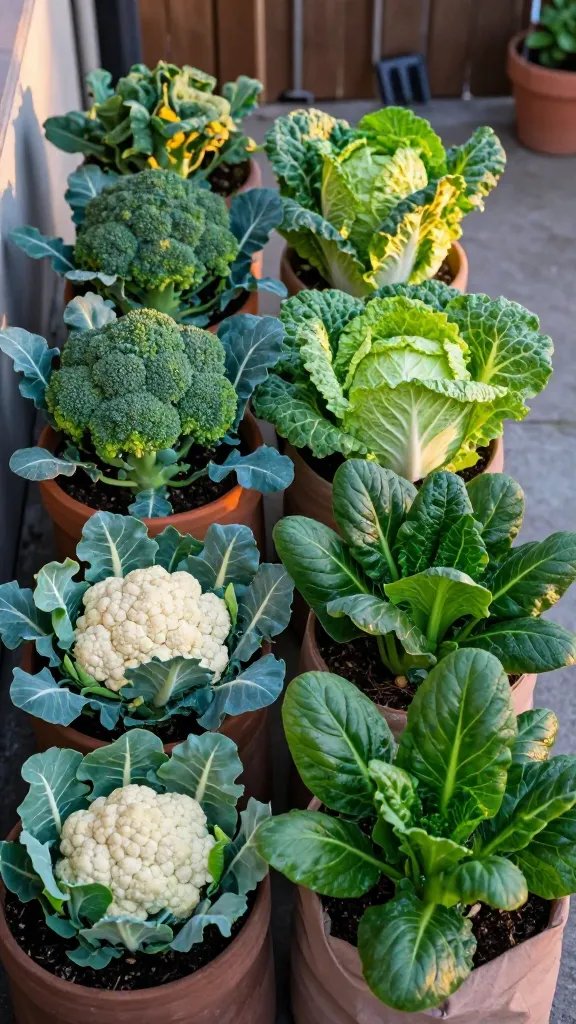
Brassicas adore fall, and containers keep pests manageable. Start with quick-maturing or compact varieties and you’ll crush it, even if you’re short on space.
They’ll power soups, stir-fries, and sheet-pan dinners through the chilly months.
What To Plant (45–85 Days To Harvest):
- Broccoli (compact or sprouting types; side shoots keep coming)
- Cauliflower (choose mini/early varieties for containers)
- Cabbage (small-headed or Napa types mature faster)
- Pak Choi/Bok Choy (ridiculously fast; great for succession sowing)
- Mustard Greens (spicy, frilly, cold-tolerant—awesome for quick sautés)
Container Setup Tips:
- Pot depth: 10–14 inches minimum; bigger roots = happier plants
- Spacing: One broccoli/cauli per 3–5 gallon pot; 2–3 pak choi per large window box
- Fertilizer: Heavy feeders—start with compost-rich mix, then feed every 10 days
- Pest Control: Use row cover or insect netting from day one to block cabbage worms
Smart Harvesting:
- Cut broccoli main head, then harvest side shoots for weeks.
- Pak choi: harvest whole heads at baby size or pick outer leaves.
- Mustards: snip young for salads, older leaves for stir-fries.
These veggies bring the “wow, you grew that?” energy to your patio. Plus, they freeze well for winter meals.
4. Cool-Season Flavor Bombs: Peas, Herbs, And Alliums
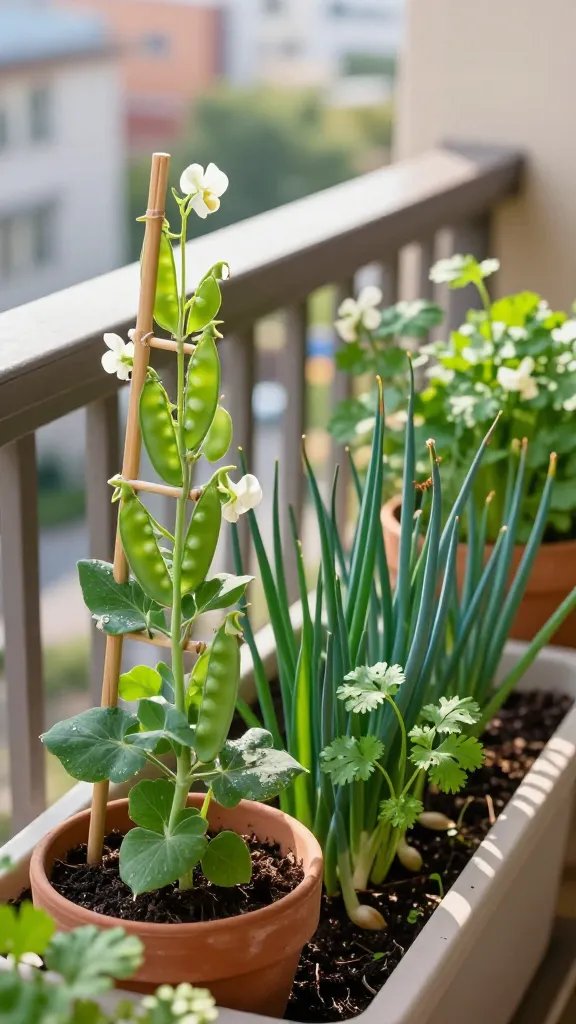
August gives you enough runway for cool-loving vines and bold aromatics. You’ll get sweet crunch from peas, zesty greens from herbs, and depth from green onions in almost every dish.
And yes, you can train peas up a mini trellis and feel like a gardening genius.
What To Plant (30–70 Days To Harvest):
- Sugar Snap Peas (cool nights = crispy pods; dwarf varieties rock containers)
- Snow Peas (fast, productive, space-efficient)
- Green Onions/Scallions (multiple sowings keep your kitchen happy)
- Cilantro (bolts less in fall; sow thick, harvest often)
- Dill (feathery, fragrant, great with beets and potatoes)
- Parsley (slow but steady; shrugs off cold and just keeps giving)
Container Setup Tips:
- Pot depth: 8–10 inches for herbs and scallions; 10–12 inches for peas
- Support: Add a mini trellis or bamboo teepee for peas immediately
- Soil & Feeding: Moderately rich mix; avoid overfeeding peas (they’ll grow leaves, not pods)
- Sun: 5–6 hours minimum; peas tolerate a bit of afternoon shade
Harvest Like A Pro:
- Pick peas daily once they start—more picking = more pods.
- Cut scallions at pencil-thick size; leave a couple to regrow if you like.
- Snip cilantro and dill often to delay flowering.
Use these to brighten soups, salads, and noodle bowls. Trust me, fresh herbs make everything taste like you tried way harder than you did.
5. The Container Game Plan: Timing, Care, And 20-Star Roster
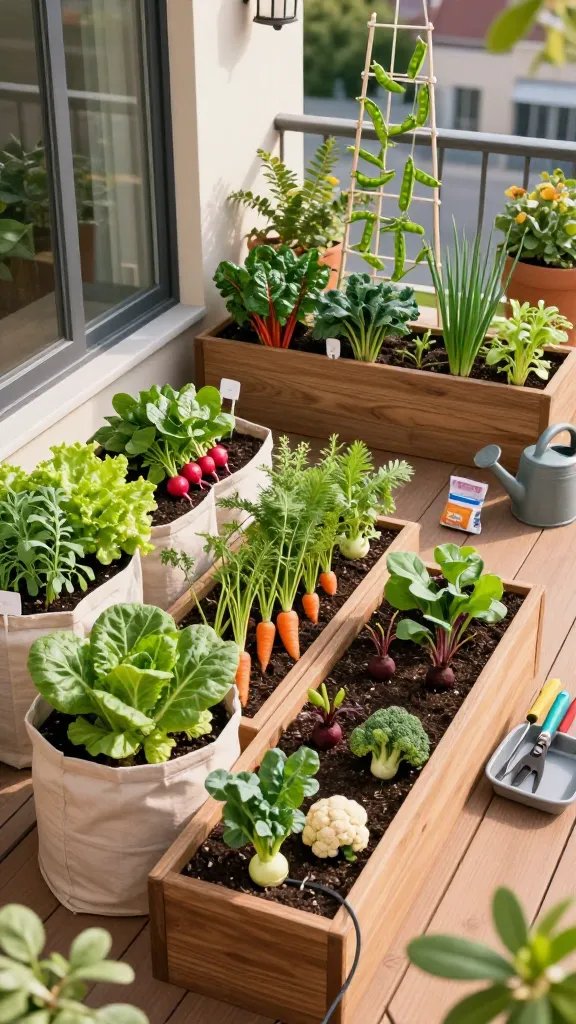
Now let’s stitch it all together. Success in August comes down to timing, smart container choices, and consistent care. Do that, and your patio turns into a snack bar by the end of September.
The 20 Fall Vegetables (Container-Friendly Lineup):
- Arugula
- Lettuce Mix
- Spinach
- Baby Kale
- Mizuna
- Tatsoi
- Swiss Chard
- Radishes
- Carrots
- Beets
- Turnips (Hakurei)
- Kohlrabi
- Broccoli (compact)
- Cauliflower (mini/early)
- Cabbage (small-head/Napa)
- Pak Choi/Bok Choy
- Mustard Greens
- Sugar Snap Peas
- Snow Peas
- Green Onions/Scallions
Timing By Climate (Rough Guide):
- Zones 3–5: Focus on fast greens, radishes, peas, scallions. Use row cover and cold frames by late September.
- Zones 6–7: You can plant the full roster. Start brassicas now; sow greens every 1–2 weeks through mid-September.
- Zones 8–9: Shade seedlings in hot spells; fall is your prime time. Keep sowing into October.
- Zone 10+: Wait until late September for greens if August heat is brutal; start peas when nights drop.
Container And Soil Essentials:
- Size matters: Go larger when in doubt. More soil = steadier moisture and fewer headaches.
- Drainage: Pots need multiple holes. Add pot feet to prevent soggy bottoms.
- Mix: High-quality potting mix with perlite or pumice. Blend in slow-release organic fertilizer + compost.
- Mulch: A thin layer of shredded leaves or straw keeps moisture even and roots happy.
Watering And Feeding Rhythm:
- Water daily in heat, then ease to every 2–3 days as nights cool. Aim for evenly moist, not swampy.
- Feed lightly but often: Liquid seaweed/fish emulsion every 10–14 days for leafy crops; skip heavy nitrogen for peas and root veg.
Heat And Cold Hacks:
- Shade cloth or an umbrella from 1–4 p.m. during hot spells prevents bolting.
- Row cover or frost cloth extends your season by weeks and blocks pests.
- Move pots against a wall for warmth at night; wheels or caddies make it easy.
Pest And Disease Control (Simple And Effective):
- Start clean: New potting mix each season reduces issues.
- Cover brassicas immediately with insect netting to stop cabbage loopers—seriously, don’t wait.
- Hand-pick caterpillars at dusk; use BT only if needed.
- Water at soil level to keep leaves dry and reduce mildew.
Succession Planting Blueprint (August Through October):
- Week 1–2: Sow radishes, arugula, lettuce, mustard, peas. Transplant brassica starts.
- Week 3–4: Sow spinach, tatsoi, mizuna, scallions. Second round of radishes and lettuce.
- September: Keep greens rolling; sow carrots and beets early in the month if nights cool.
- October: In mild climates, continue greens and scallions; add row cover as needed.
Harvest And Kitchen Wins:
- Mix-and-match salads: Arugula + mizuna + baby kale = flavor fireworks.
- Sheet-pan dinners: Broccoli, turnips, carrots, and beets with olive oil and garlic.
- Stir-fry heroes: Pak choi, tatsoi, mustard greens, snap peas—done in 7 minutes.
Dial in this routine once and your containers will crank out food every fall. Low commitment, high reward—my favorite combo.
Ready to turn your late summer into a delicious comeback? Plant a few pots this week, then add more next weekend. By the time sweaters show up, your container garden will be feeding you like a champ—no acreage required.