
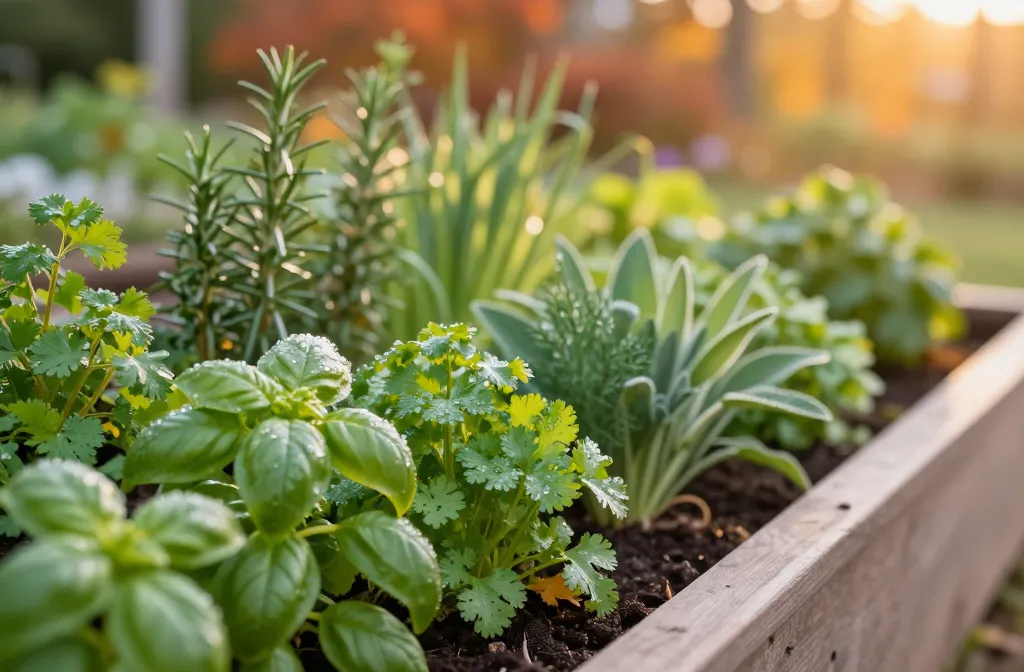
Summer heat got your garden wheezing? Good news: fall is herb season’s comeback tour. Cooler nights and softer sun set the stage for crisp flavors, fewer pests, and way less watering drama. We’re talking lush greens, punchy aromas, and kitchen magic just in time for cozy soups and roasts. Ready to plant today and harvest for months? Let’s do it.
1. Basil’s Autumn Encore (Yes, Really)
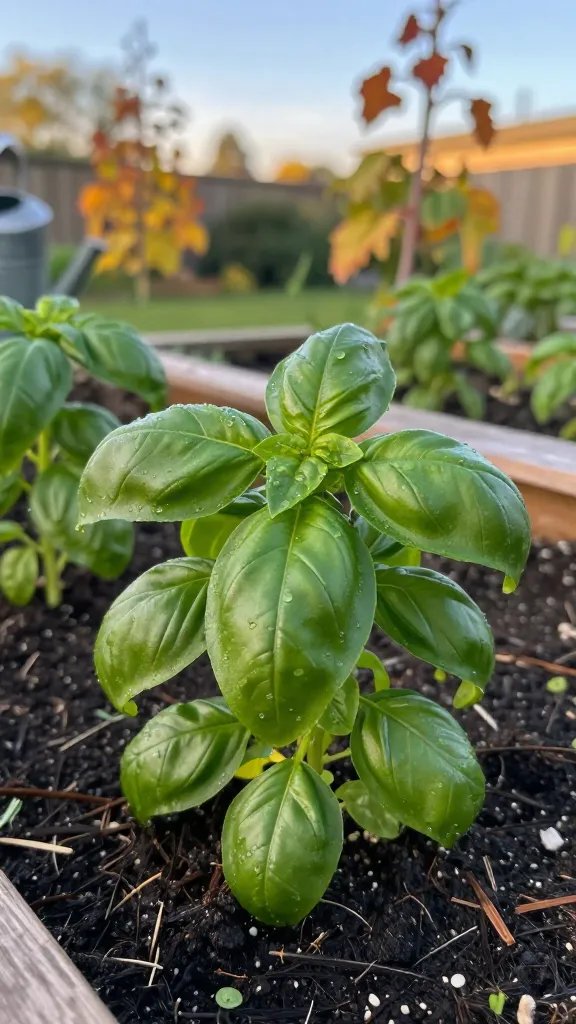
Everyone thinks basil bows out after July. Surprise: you can give it a second act in late August for a sweet, tender fall crop. Cooler temps tone down bitterness and help basil stay lush without bolting overnight.
How To Plant
- Sow seeds or set transplants in late August to early September, 6–12 inches apart.
- Pick a spot with 6+ hours of sun and well-drained soil rich in compost.
- Water consistently at the base; morning is best to keep leaves dry.
Choose compact, cool-friendly varieties like ‘Genovese’, ‘Dolly’, or ‘Spicy Globe’. In frost-prone zones, use a simple row cover on chilly nights to stretch the season.
Harvest + Use
- Pinch tops weekly to keep plants bushy and prevent flowering.
- Make small-batch pesto, toss into tomato soup, or layer into grilled cheese (trust me, elite move).
Why grow it now? Fall basil delivers softer texture and cleaner flavor—perfect for delicate dishes and last-chance caprese moments.
2. Cilantro That Doesn’t Bolt Every Ten Minutes
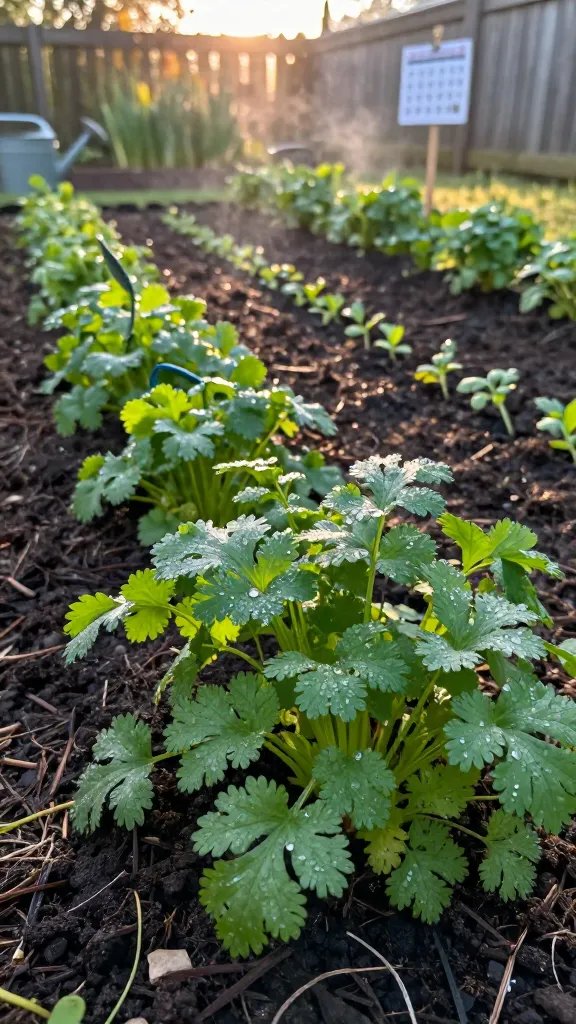
If summer cilantro ghosted you, fall cilantro sticks around. Cooler weather slows bolting, so you get full bunches instead of one sad sprig. It loves chilly mornings and forgiving irrigation schedules—finally.
How To Plant
- Direct-sow in late August through October, depending on your frost date.
- Plant seeds 1/4 inch deep, 2 inches apart; thin to 4–6 inches.
- Give it partial to full sun; afternoon shade helps in warm spells.
Succession sow every 2–3 weeks for a steady supply. For extra leaf production, look for slow-bolt types like ‘Calypso’ or ‘Santo’.
Harvest + Use
- Cut outer stems at the base; leave the center to keep growing.
- Use stems too—they pack flavor for salsas, soups, and curries.
- Let a patch flower late; the green seeds (fresh coriander) taste citrusy and bright.
Fall cilantro = taco night insurance and pho’s best friend. Cooler temps = bigger harvest window, period.
3. Parsley That Laughs At Frost
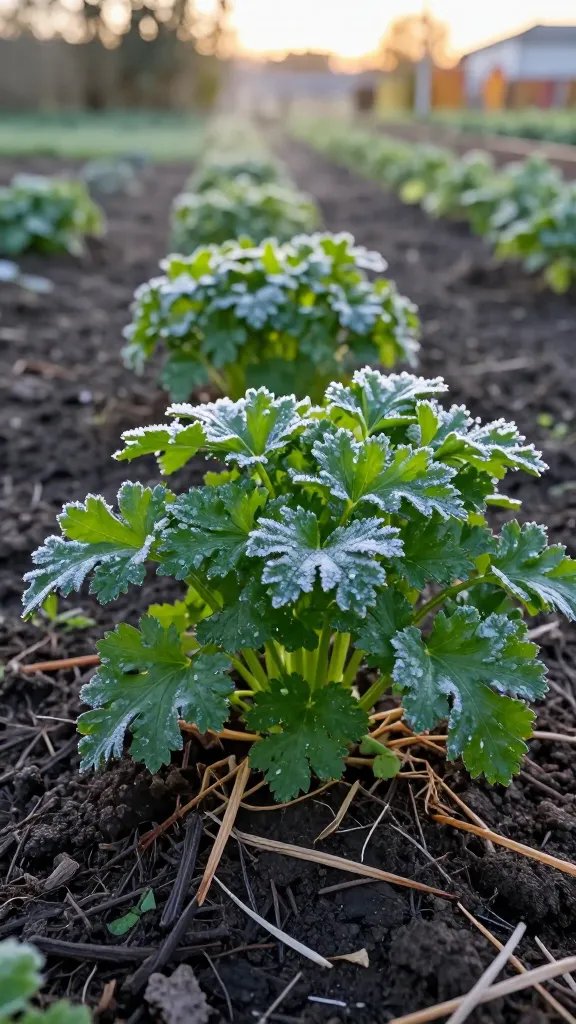
Flat-leaf parsley turns into a cold-hardy workhorse in fall. It shrugs at light frost, grows deep roots, and sends up glossy leaves you can harvest all winter in mild climates. IMO, it’s the most underrated flavor booster on this list.
How To Plant
- Start seeds indoors in August or direct-sow in early fall; germination can take 2–3 weeks.
- Space 8–10 inches apart in rich, moist soil with good drainage.
- Mulch with shredded leaves or straw to keep soil even and protect roots.
Pick ‘Gigante d’Italia’ for big leaves or curly parsley if you want fluff for garnish and tabbouleh. It handles part shade like a champ.
Harvest + Use
- Cut outer stems at the base; leave the crown.
- Chop into chimichurri, gremolata, soups, and roasted veg. It brightens everything.
- Dry or freeze in olive oil cubes for winter cooking.
Bonus: It overwinters in many regions and pops back early spring. Low effort, high payout.
4. Thyme: The Tiny Leaf With Big Cold-Weather Energy
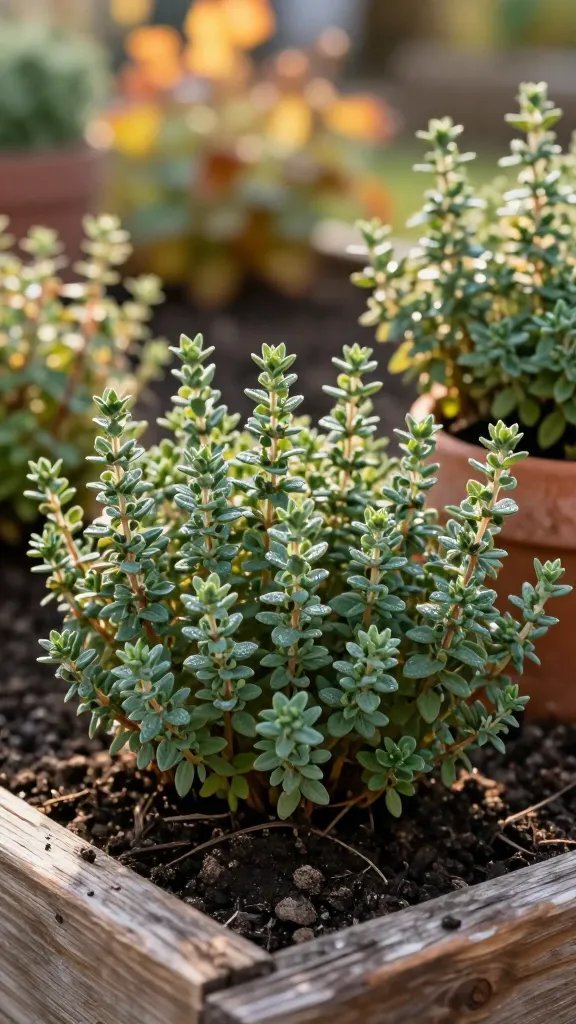
Thyme loves fall because it packs flavor as growth slows. Cooler temps concentrate its oils, which means deeper, woodsy notes that play perfectly with roasts, stews, and root veggies. It’s perennial in most zones—set it and forget it.
How To Plant
- Transplant nursery starts in late August–September for quick establishment.
- Give it full sun, gritty soil, and excellent drainage; raise beds or use containers if soil stays wet.
- Space 12–18 inches; it sprawls more than you expect.
Choose varieties like ‘English’ for classic flavor, ‘French’ for nuance, or lemon thyme for a citrus pop. Clip lightly to encourage branching.
Harvest + Use
- Snip tender sprigs anytime; flavor peaks right before flowering.
- Toss with mushrooms, rub onto chicken, or steep in honey for sore-throat tea.
- Drying concentrates it, so store a jar for winter. FYI, dried thyme stays potent.
Thyme offers relentless flavor with minimal fuss, especially once temps drop. It’s your cold-season MVP for savory cooking.
5. Mint Without The Mayhem
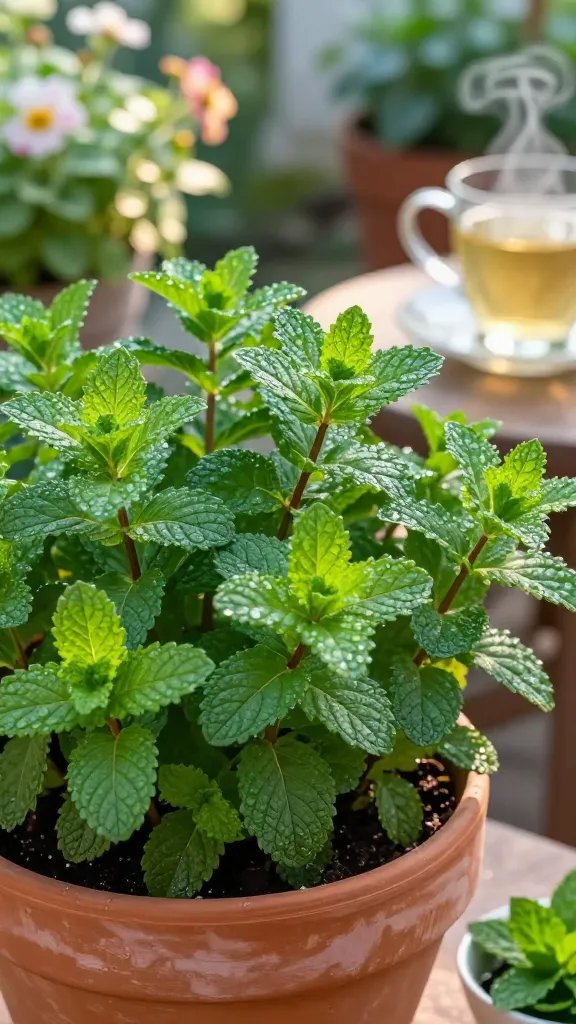
Mint grows like it has a gym membership, but fall helps you keep it civilized. Cooler days tame the spread and dial up essential oils for sharper flavor. You’ll get perky leaves for hot drinks and desserts right when you crave them most.
How To Plant
- Plant in containers in late summer or early fall to control runners.
- Use rich, consistently moist soil; mint likes moisture more than most herbs.
- Give morning sun and afternoon shade for tender, flavorful leaves.
Try peppermint for boldness, spearmint for classics like mojitos, or chocolate mint for a dessert twist. Clip frequently to keep it dense and happy.
Harvest + Use
- Cut stems just above a leaf node to encourage bushiness.
- Steep in tea, muddle into mocktails, swirl into yogurt, or chop for lamb and grain salads.
- Dry bundles upside down or freeze leaves flat between parchment for winter stash.
Mint in fall = fresh teas, cozy desserts, and a cooler-safe plant that behaves (mostly). Seriously, keep it potted.
Ready to turn your late-summer lull into a flavor party? These herbs love cool weather, shrug at early frosts, and make weeknight cooking way more interesting. Grab a few starters or seed packets this August and watch your garden—and your dinners—snap back to life.