
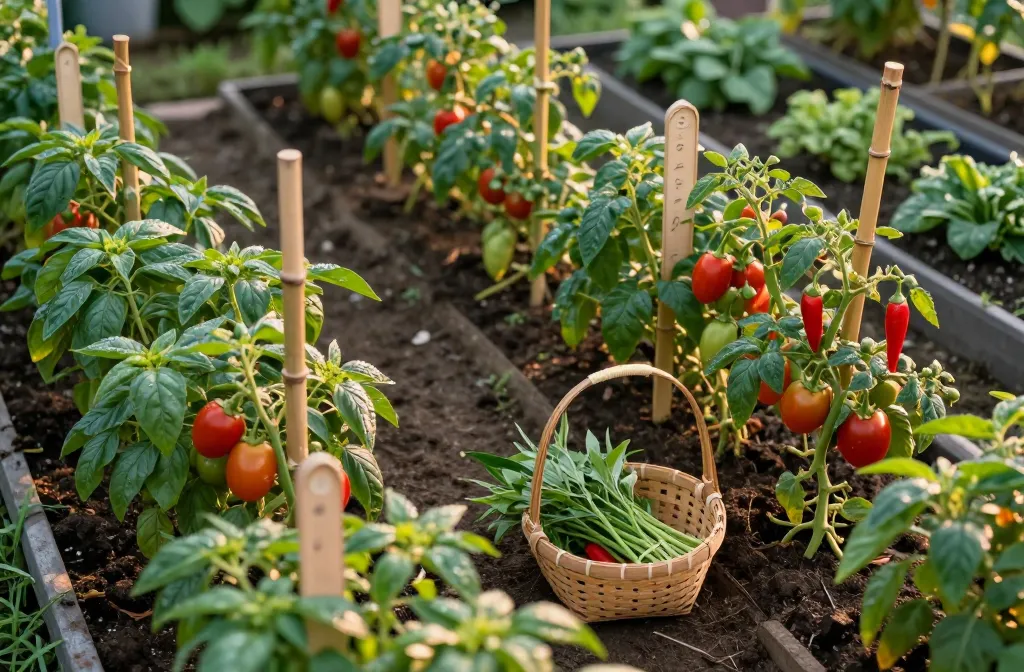
Craving bigger harvests and better-tasting dishes? Pair your plants like you pair ingredients—smartly—and watch your garden (and dinner) glow up. These combos boost flavor, deter pests, and save space, all while channeling your favorite Asian recipes. Ready for fragrant stir-fries and bountiful bowls straight from the backyard?
1. Basil + Tomatoes + Chiles: The Stir-Fry Dream Team
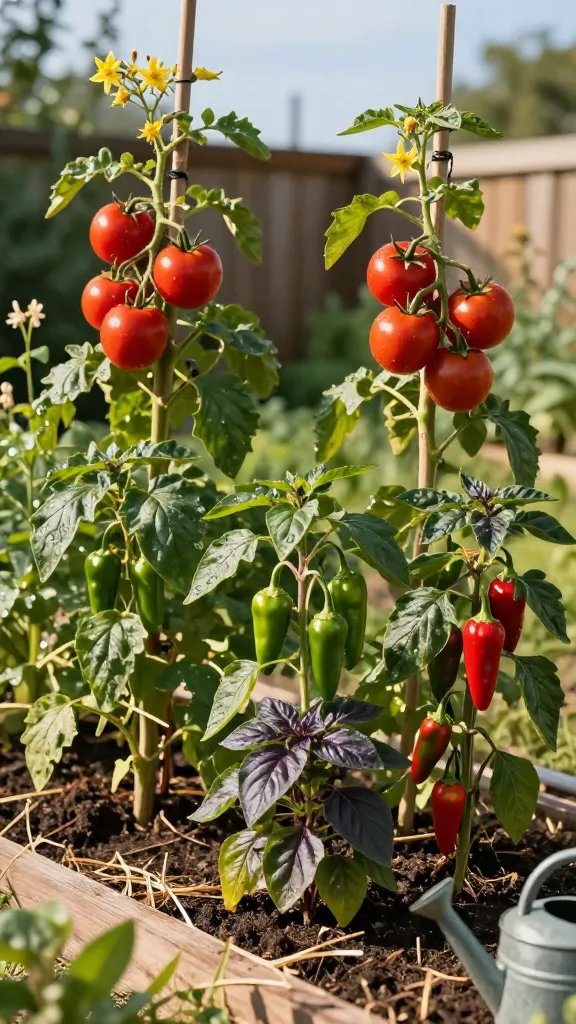
Think Thai basil chicken vibes, but in your garden. Basil amps up the sweetness of tomatoes, chiles bring the heat, and together they confuse pests that would otherwise munch your plants. You get faster growth, richer flavor, and the ultimate “pick-and-sizzle” trio for quick dinners.
How To Plant It
- Spacing: Tomatoes in the back, chiles 12–18 inches away, basil tucked between.
- Sun & Soil: Full sun and well-drained, compost-rich soil.
- Water: Keep consistent; mulch to reduce stress and bitterness in basil.
Harvest basil often to keep plants bushy. FYI, pinching flowers ramps up leaf production and flavor.
Why It Works
- Basil masks scent trails and deters whiteflies and aphids.
- Tomatoes provide light shade that keeps basil from bolting too fast in high heat.
- Chiles thrive in the same warm conditions and share pollinator traffic.
Use this trio for quick noodle bowls, basil fried rice, or spicy tomato sambals. Easy wins, big flavor.
2. Lemongrass + Ginger + Turmeric: Tropical Aromatics That Guard Your Garden
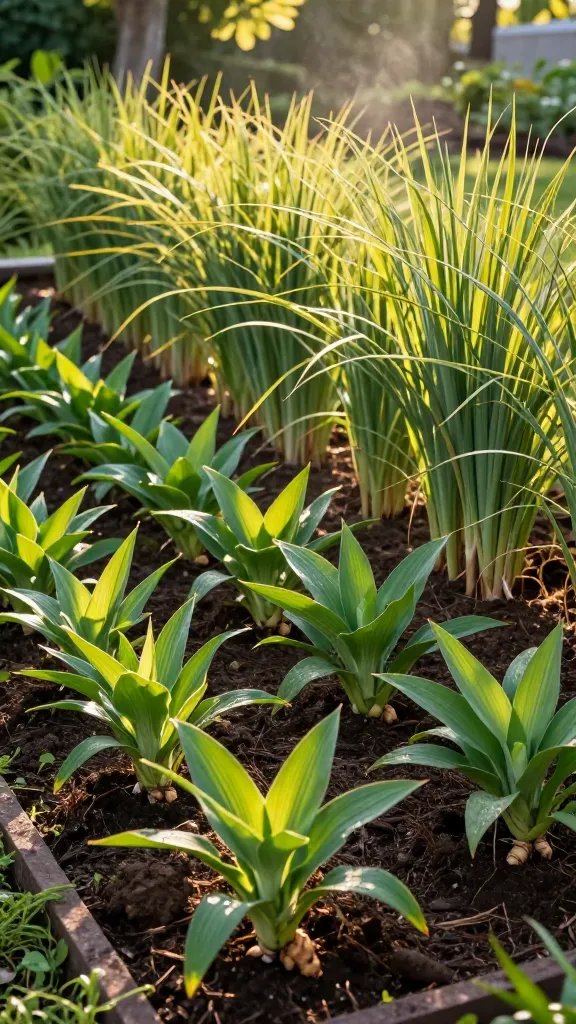
Grow your aromatics like a mini jungle and let them protect each other. Lemongrass forms a fragrant barrier, while ginger and turmeric spread quietly underneath. You’ll turn a corner of your garden into a spa that doubles as dinner prep.
Setup Tips
- Spacing: Lemongrass clumps every 2–3 feet; plant ginger and turmeric rhizomes 8–10 inches apart in front or around the base.
- Light: Morning sun, afternoon shade if you’re in a scorch zone.
- Soil: Loose, rich, slightly acidic soil; add plenty of compost.
Ginger and turmeric love moisture but hate soggy feet—mulch, yes; swamp, no.
Perks You’ll Notice
- Lemongrass scent discourages mosquitoes and some leaf-eating pests.
- Ginger/Turmeric broad leaves create a living mulch that keeps the soil cool.
- Fewer weeds thanks to dense planting and shade.
Perfect for soups, curries, and teas. Harvest outer lemongrass stalks and the older ginger rhizomes first—no need to pull the whole plant unless you want a big haul.
3. Scallions + Daikon + Shiso: Pickle Garden With Built-In Pest Patrol
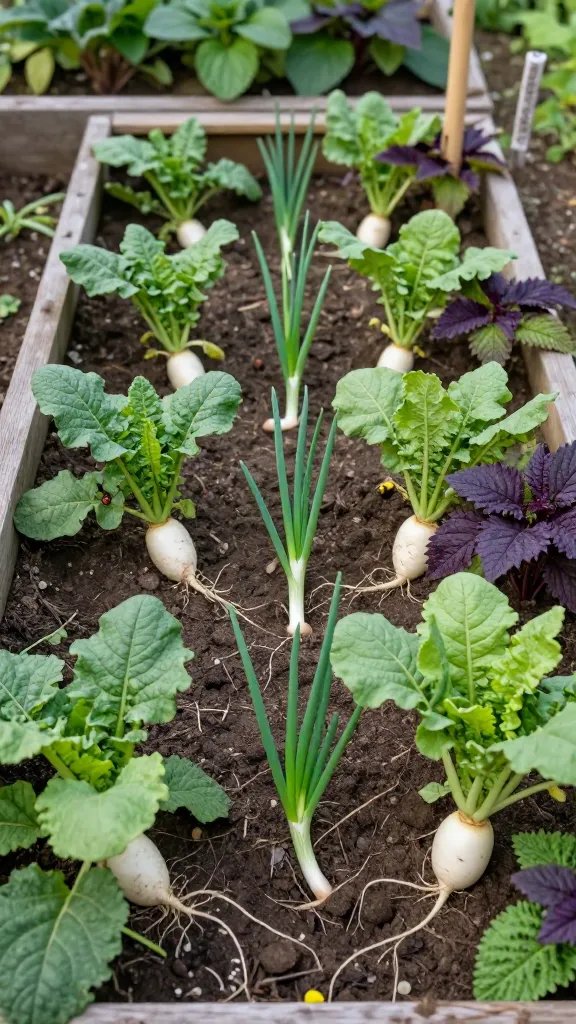
This trio screams crunchy pickles and zippy garnishes. Scallions keep soil life lively and deter pests, daikon plunges deep to break up compacted ground, and shiso brings fragrant leaves that confuse beetles. The flavors hit everything from Japanese tsukemono to Korean banchan.
Planting Game Plan
- Layout: Rows of daikon 8–10 inches apart; scallions interplanted between; shiso at the ends or corners.
- Sun: Full sun to light shade; shiso tolerates a bit more shade.
- Succession: Sow scallions every 2–3 weeks for constant supply.
Shiso can self-seed like it pays rent, so deadhead if you want control. IMO a few volunteers never hurt anyone.
Why It’s So Effective
- Daikon loosens soil and scavenges nutrients, improving beds for next crops.
- Scallions deter carrot flies and aphids; their roots play nice with others.
- Shiso aromatic oils help repel leaf-nibblers and attract beneficials.
You’ll get crisp daikon for kimchi and soups, scallions for everything, and shiso for wraps, tempura, and iced teas. Seriously, it’s a pantry row in plant form.
4. Cucumbers + Asian Long Beans + Dill: Trellis Tangle With Crunchy Rewards
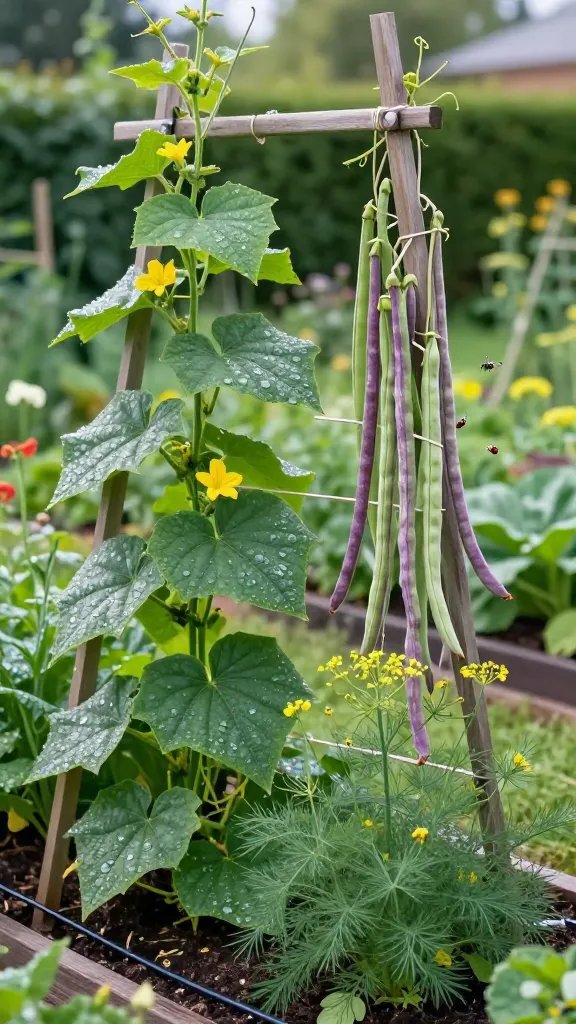
Climbing beans feed the soil with nitrogen, cucumbers thank them with juicy crunch, and dill lures beneficial insects that chow down on cucumber beetles. This vertical trio saves space and turns a simple trellis into a productive jungle.
Trellising & Timing
- Trellis: Grow cucumbers and long beans up the same structure; train vines in opposite directions.
- Dill Placement: Plant at the base and a little off to the sides for airflow.
- Timing: Start dill early; it bolts and blooms fast, which is great for beneficial insects.
Keep water steady to prevent bitter cukes. Harvest long beans often; they produce more when you pick consistently.
Companion Wins
- Long beans fix nitrogen, supporting cucumber growth.
- Dill flowers attract lacewings, ladybugs, and tiny wasps that target aphids and beetles.
- Shared heat love means everyone thrives mid-summer.
Use the haul for Thai cucumber salads, Sichuan-style smashed cucumbers, and garlicky long beans. Add dill to quick pickles for a bright twist—unexpected but delicious.
5. Chinese Cabbage + Garlic Chives + Chrysanthemum Greens: Cool-Season Power Pack
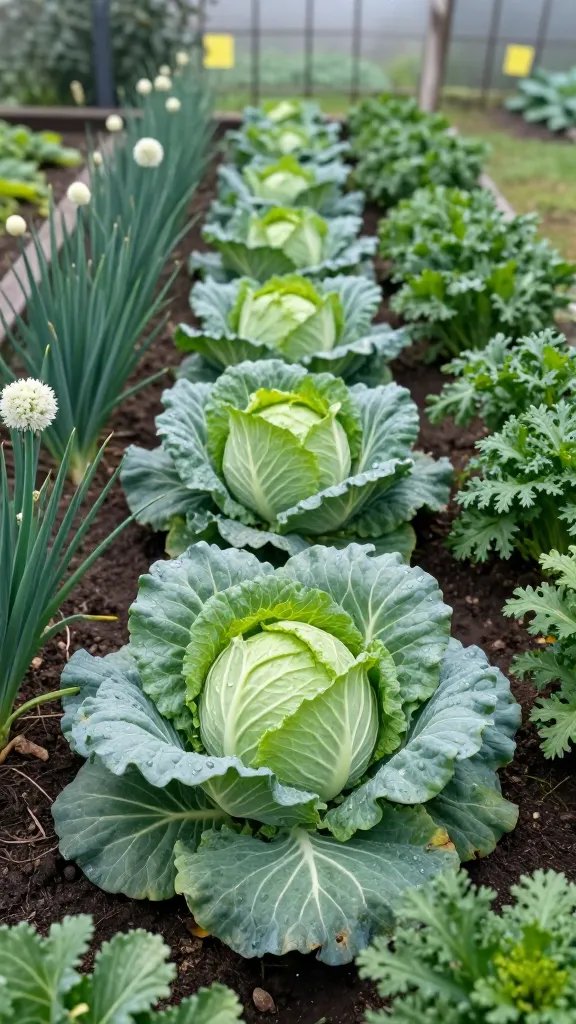
Asian brassicas need backup, and these two bodyguards deliver. Garlic chives deter pests with their oniony punch, while edible chrysanthemum greens bring bitterness and beauty that mess with flea beetles’ plans. The result: cleaner leaves and tastier hot pot nights.
How To Pull It Off
- Spacing: Chinese cabbage 12–18 inches apart; tuck garlic chives in clumps at corners; thread chrysanthemum greens between plants.
- Season: Early spring or late summer for fall harvest—avoid peak heat to prevent bolting.
- Protection: Use row cover at transplant to stop cabbage moths from laying eggs.
Water evenly to prevent tip burn and bitterness. A thin compost top-dress after two weeks keeps growth steady.
Mutual Benefits
- Garlic chives deter aphids and moths; they come back every year in many climates.
- Chrysanthemum greens attract beneficials, and you can snip leaves repeatedly.
- Chinese cabbage shades the soil, reducing weeds around the companion herbs.
Turn the trio into dumpling fillings, miso soups, or nabemono spreads. You’ll get tender heads, punchy herbs, and a steady supply of cut-and-come-again greens—win, win, win.
Ready to turn your garden into a flavor factory? Plant these combos, cook straight from the beds, and watch pests RSVP “no.” Start small, mix a few pairs, and tweak spacing as you learn—your harvest (and your dinner table) will thank you, trust me.