
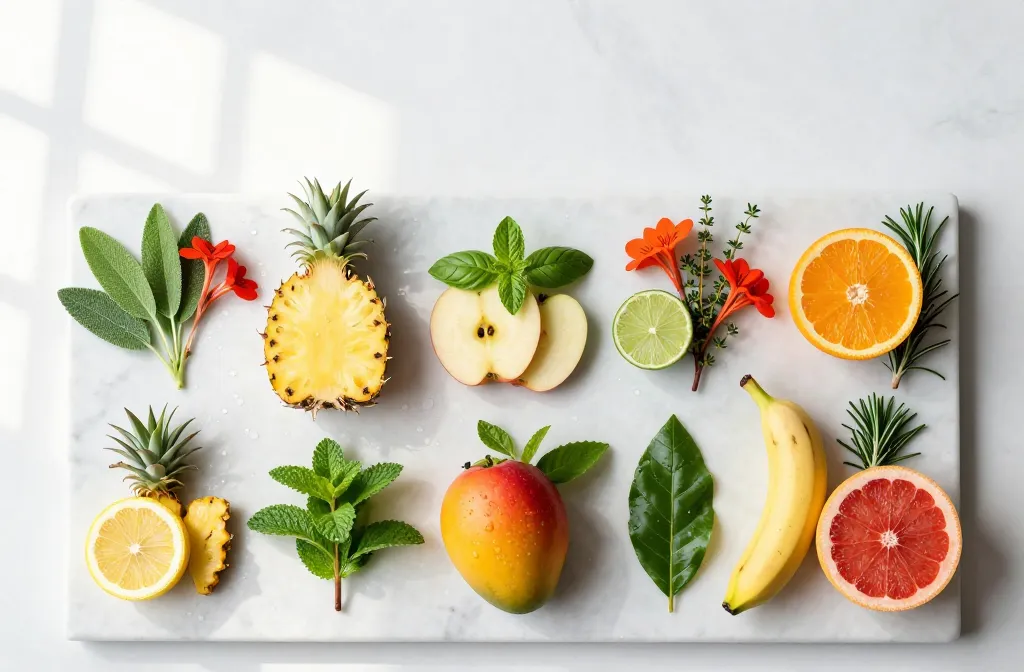
Think herbs all smell the same? Hard nope. Some green leaves hide wild aromatic twists that mimic lemons, pineapples, and even bananas. These fragrant imposters brighten recipes, perk up drinks, and turn a boring balcony into a sensory flex. Ready to meet the plant world’s best undercover fruit impersonators?
1. Lemon Verbena: Your Citrus Candle, But Make It Fresh
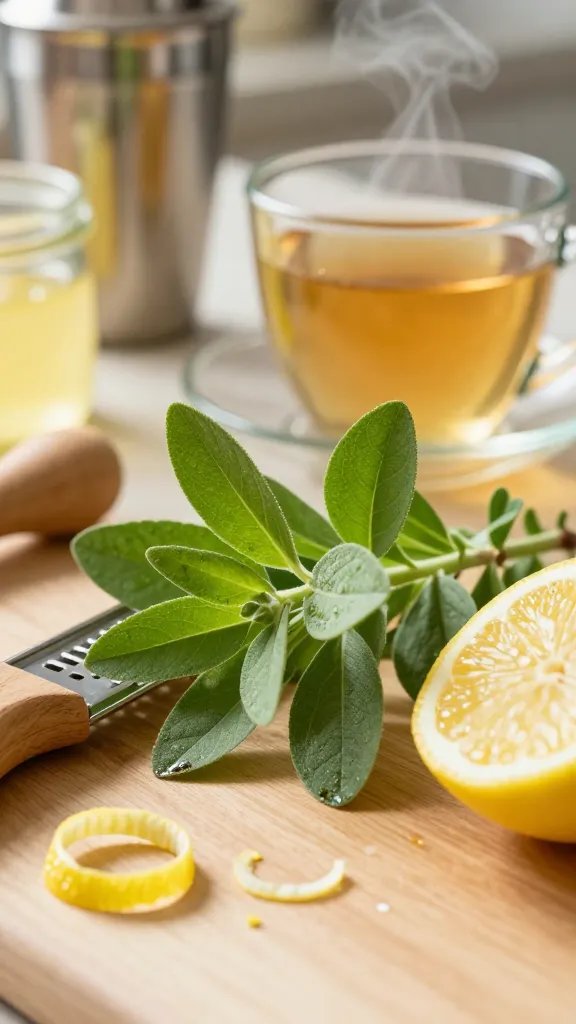
Lemon Verbena smells like you zested a lemon straight into the air. The leaves release a bright, clean, almost sparkling aroma that screams summer. It’s more intense and perfume-like than actual lemon peel, which makes it a flavor cheat code.
Why It Slaps
- Hyper-lemony without bitterness or pith
- Stays fragrant when dried for teas and sachets
- Makes simple syrups smell like a sunny vacation
Steep it in hot water for tea that tastes like warm lemonade. Or muddle leaves into cocktails for a citrus hit without souring the mix. FYI, a little goes a long way—this herb brings big lemon energy to desserts, glazes, and sorbets.
Best for: Iced teas, cocktails, lemony desserts, homemade cleaning sprays that don’t smell like a chemical lab.
2. Pineapple Sage: Tropical Vibes In Leaf Form
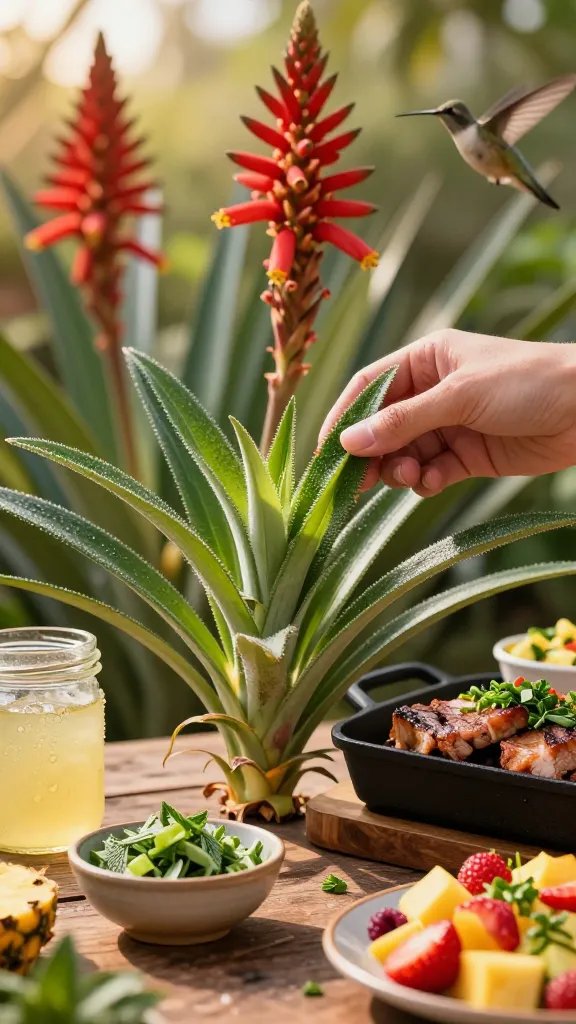
Crush a leaf and boom—pineapple. Pineapple Sage throws a sweet, fruity scent that feels like a tiki drink at sunset. It also blooms with bright red flowers that hummingbirds love, which is just showing off.
Tasty Uses
- Infused syrups for mocktails and margaritas
- Fruit salads with strawberry or mango
- Herbacious pineapple salsa (yep, it works)
Chop it fine and stir into yogurt or sprinkle over grilled pork. The aroma makes poultry less boring and fruit salads more memorable. Seriously, if your garden needs a tropical twist, plant this and prepare to sniff like a weirdo every time you walk by.
Best for: Drinks, fruit-forward salads, sweet-savory glazes, showy garden borders.
3. Lemon Basil: The Zesty Cousin You’ll Invite To Every Dinner
Lemon Basil blends that classic basil scent with a bright lemon backbone. It feels herbal and citrusy at the same time, which makes it ridiculously versatile. Think caprese salad that accidentally wandered into Amalfi.
Quick Wins
- Pesto with a citrus twist (use lemon zest too if you’re extra)
- Finishing herb for seafood and grilled veggies
- Thai-style soups where citrus and herbs team up
Toss it into pasta at the last minute so the aroma stays fresh. Or muddle it into lemonade for a grown-up, herby upgrade. IMO, it’s the easiest way to make Tuesday dinner feel intentional.
Best for: Seafood, salads, summer pasta, lemonade and gin drinks.
4. Apple Mint: Orchard Notes With A Cool Finish
Apple Mint smells like green apple skins kissed by mint. It’s softer than standard mint, with a round, fruity sweetness that’s surprisingly elegant. If “spa water” had a favorite herb, it’s this one.
How To Use It Without Overthinking
- Ice water with apple slices and cucumber
- Chopped into slaws and fruit salads
- Jelly and jam accents for apple or pear preserves
Layer leaves in a pitcher with lemon wheels for an instant refresher. Or mince it into a yogurt sauce for lamb or falafel—cool, fruity, and not overpowering. Trust me, your guests will ask, “What is that?” in the best way.
Best for: Drinks, light desserts, herby fruit condiments, low-key afternoon mocktails.
5. Orange Thyme: Tiny Leaves, Big Marmalade Energy
Orange Thyme smells like thyme that went on vacation with an orange peel. It keeps the savory, resinous thyme vibe but adds a sunny, sweet citrus top note. Perfect for dishes that want depth and brightness at the same time.
Chef-y Moves
- Roast chicken with orange thyme under the skin
- Compound butter for salmon or roasted carrots
- Shortbread cookies that smell like a citrus grove
Use it wherever you’d use regular thyme but want a little fruitiness. It shines in pan sauces and vegetable roasts, and it’s a stealth MVP in cookies and custards. Layer it with actual orange zest for a one-two punch.
Best for: Savory roasts, winter veg, buttery desserts, cocktail garnishes.
6. Lemon Balm: Comforting Citrus With A Calm Vibe
Lemon Balm gives off a gentle lemon scent with a soft herbal sweetness. It feels like lemonade made by a therapist—uplifting without being loud. It also grows like a champ, so prepare for a happy, leafy takeover.
Everyday Uses
- Nighttime tea for a mellow end-of-day ritual
- Cold-brewed lemonade with honey and lemon balm
- Chopped into fruit salads with berries and stone fruit
Use it fresh to keep the lemon aroma delicate. Add to smoothies, dressings, or sorbets where you want citrus without tartness. FYI: it bruises easily, so chop right before serving.
Best for: Calm teas, light desserts, salad dressings, kid-friendly drinks.
7. Lime Basil: Zingy Citrus With Peppery Swagger
Lime Basil smells like a lime twist dropped into a basil bouquet. It hits with zesty freshness, then finishes peppery and green. If you cook Southeast Asian or Caribbean dishes, this one earns permanent counter space.
Flavor Pairings
- Grilled shrimp with lime-basil chimichurri
- Rice bowls with mango, avocado, and chili
- Vietnamese-leaning salads and noodle dishes
Keep it raw or add it at the very end of cooking. Lime Basil bruises quickly but rewards you with bright top notes and complexity. Make a quick marinade with fish sauce, lime juice, and chopped leaves for weeknight magic.
Best for: Seafood, salads, rice dishes, tangy dressings, mojitos that don’t need actual limes.
8. Cucumber Mint (a.k.a. Borage Adjacent): That Fresh-Sliced Aroma Without A Cutting Board
Okay, curveball. While classic mint varieties sometimes read “cucumbery,” cucumbery herbs like certain mints and borage bring a cool, melon-cucumber scent that feels crisp and watery. Think spa water meets summer garden.
Use Cases That Just Make Sense
- Cooling tzatziki with cucumber-ish mint for extra freshness
- Highball cocktails and mocktails that want freshness without sweetness
- Salads with feta, watermelon, and a squeeze of lime
Snip leaves into yogurt sauces, limeade, and herby salads. The aroma reads cucumber first, mint second—ideal when you want refreshing without blasting peppermint. Bonus: the flowers from borage varieties look like tiny blue stars and taste cucumbery too.
Best for: Breezy drinks, mezze spreads, light summer salads, garnish game.
Growing Tips For Maximum Aroma
- Sun exposure: Most of these herbs want at least 6 hours of sun. Lemon balm and apple mint tolerate partial shade.
- Pinch often: Snip tips to encourage bushy growth and stronger scent. Flowers usually mute leaf aroma—keep them in check unless you want blooms.
- Water smart: Even moisture helps develop oils, but don’t drown them. Good drainage keeps flavors clean, not muddy.
- Harvest timing: Pick in the morning after dew dries for peak fragrance.
How To Capture The Fruitiness In The Kitchen
- Cold methods win: Muddling and cold infusions preserve delicate citrus/fruit notes.
- Add late: Stir into hot dishes right before serving to keep aromas alive.
- Syrup strategy: Warm, don’t boil, leaves in simple syrup; steep covered 20–30 minutes.
- Balance: Pair with acid (lemon, lime, vinegar) and a little fat (olive oil, dairy) to carry aroma.
Ready to turn your kitchen into a mini fruit stand without buying more fruit? Plant a few of these fragrant ringers, and you’ll upgrade drinks, dinners, and desserts with zero drama. Snip, sniff, taste—repeat. Your taste buds (and your patio) will thank you.