
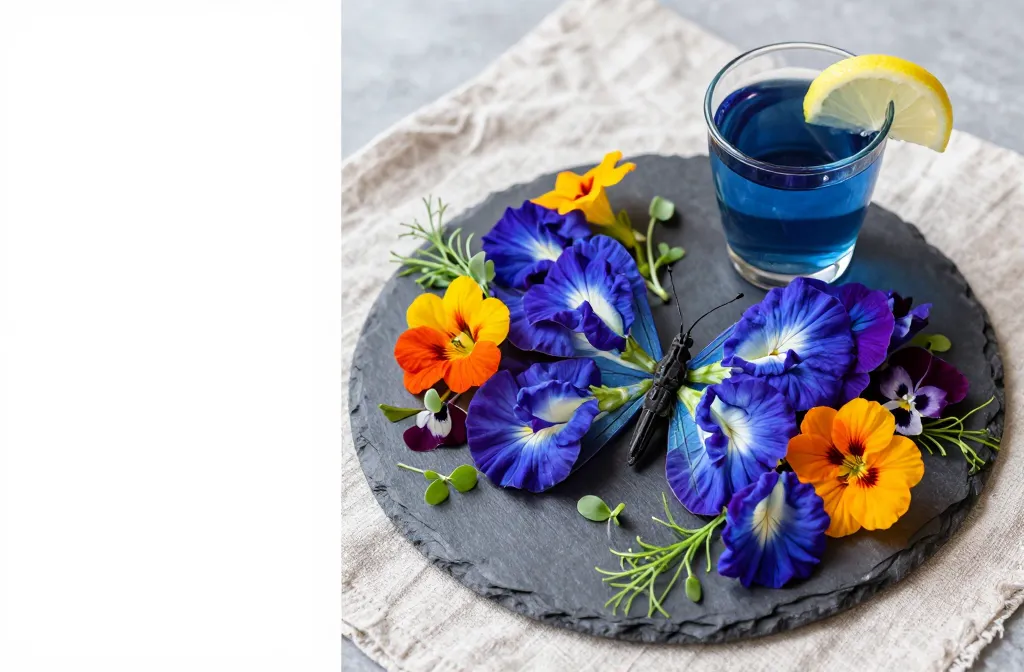
Think your garden can’t double as a salad bar and an art show? Watch me prove you wrong. These edible flowers flutter like butterflies, then land on your plate and taste amazing. We’re talking color, drama, and flavor—without the toxic guesswork. Let’s raid the garden and make your meals look like they learned choreography.
1. Butterfly Pea Blossoms That Actually Look Like Wings
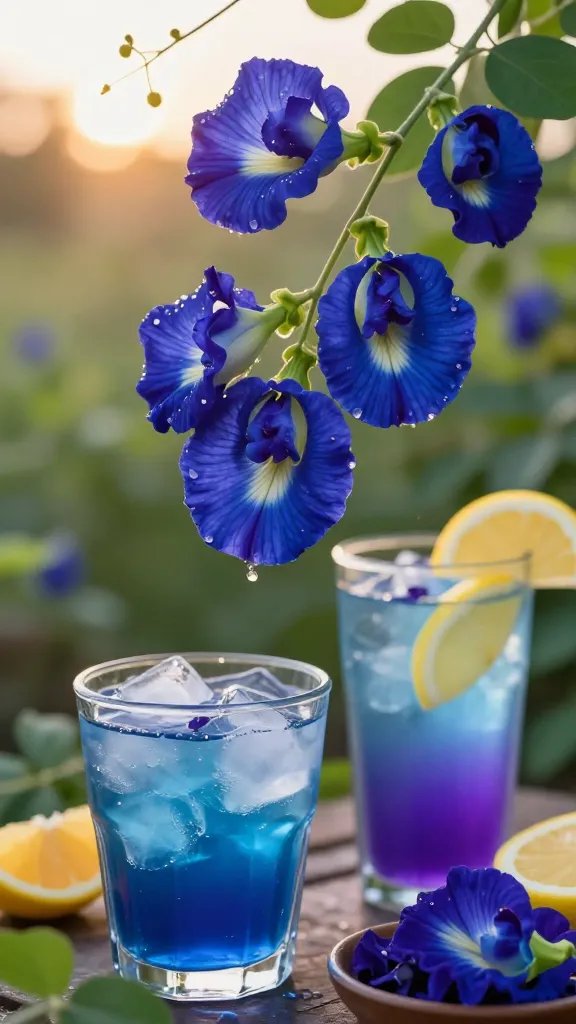
Let’s start with the show-off: butterfly pea (Clitoria ternatea). The velvety petals mimic small wings, and the deep cobalt color gives instant “butterfly at dusk” vibes. Bonus: it’s wildly edible and turns drinks a magical blue.
Why It’s Awesome
- Petals resemble folded wings, with a white “eye” that looks like a butterfly spot.
- Completely edible, with a light, green-pea flavor.
- Color-changing party trick when mixed with citrus—blue turns purple. Science meets sparkle.
Use fresh flowers in fruit salads, float them in lemonade, or brew a tea for natural food coloring. FYI: dry them for pantry magic any time.
Best for: Mocktails, tea lattes, sorbets, and dessert plating that begs for a close-up.
2. Nasturtiums Fluttering Like Mini Monarchs
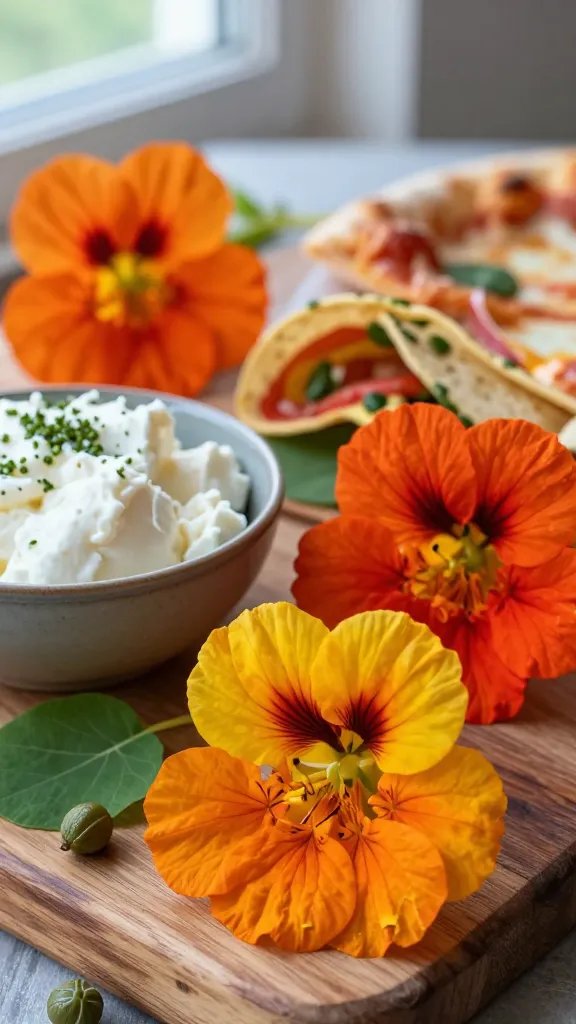
Nasturtiums (Tropaeolum majus) spread like confetti with flowers that flare and fold like fluttering wings. The shape screams butterfly, and the colors—sunset oranges, reds, and yellows—seal the deal.
Key Points
- Every part is edible: flowers, leaves, and even the seed “capers.”
- Peppery, watercress-like bite that perks up bland dishes.
- Petals curl and fan, giving that mid-flight look.
Toss the flowers onto tacos, pizzas, and salads. Stuff whole blooms with herbed ricotta for an instant appetizer that looks like it might fly away.
Best for: Spicy salads, colorful canapés, and garden-to-table drama.
3. Pansies That Flit Across Your Plate
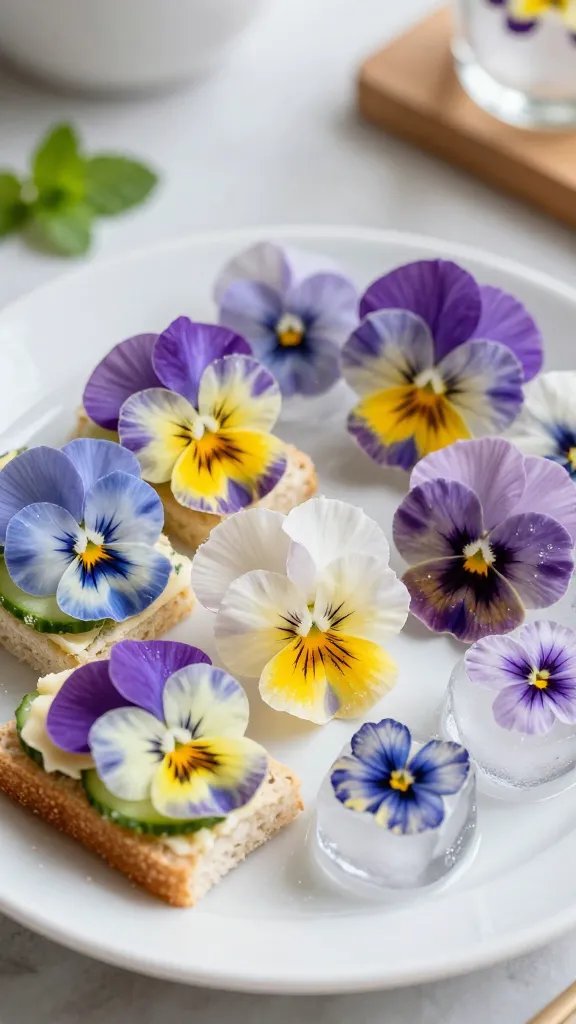
Pansies and violas look like butterflies that paused for a snack and forgot to leave. Their “faces” and rounded, layered petals mimic wing patterns with uncanny precision.
Tips
- Choose unsprayed blooms labeled edible (garden center pansies can be treated; grow your own!).
- Flavors range from mild lettuce to faintly sweet and grassy.
- Press between parchment and gently sugar them for crystalline cake toppers.
Layer pansy petals on tea sandwiches or freeze whole flowers into ice cubes for a cocktail moment. Trust me, people will ask how you did it.
Best for: Cupcakes, spring salads, and cocktails that need instant charm.
4. Dianthus Frills With Butterfly Energy
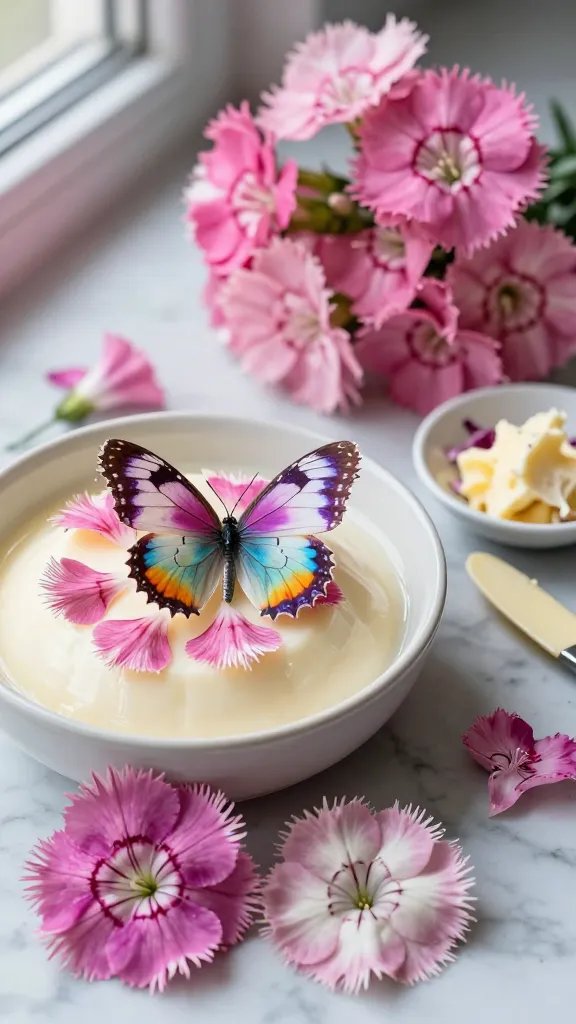
Dianthus (a.k.a. pinks) flaunt fringed, feathery petals that look like delicately tattered wings. The fluttery edges and multicolored centers could pass for butterfly markings from two feet away.
Good To Know
- Only the petals are edible—remove the bitter white base (calyx) first.
- Flavor leans clove-spicy, slightly sweet, and floral.
- So many varieties—“Rainbow Loveliness” and “Fringed” types give peak wing vibes.
Sprinkle petals over fruit, churn them into butter, or float them on panna cotta. A quick petal confetti turns plain dishes into butterfly season.
Best for: Compound butters, shortbread, and elegant salad sprinkles.
5. Hosta Blossoms That Hover Like Pale Moths
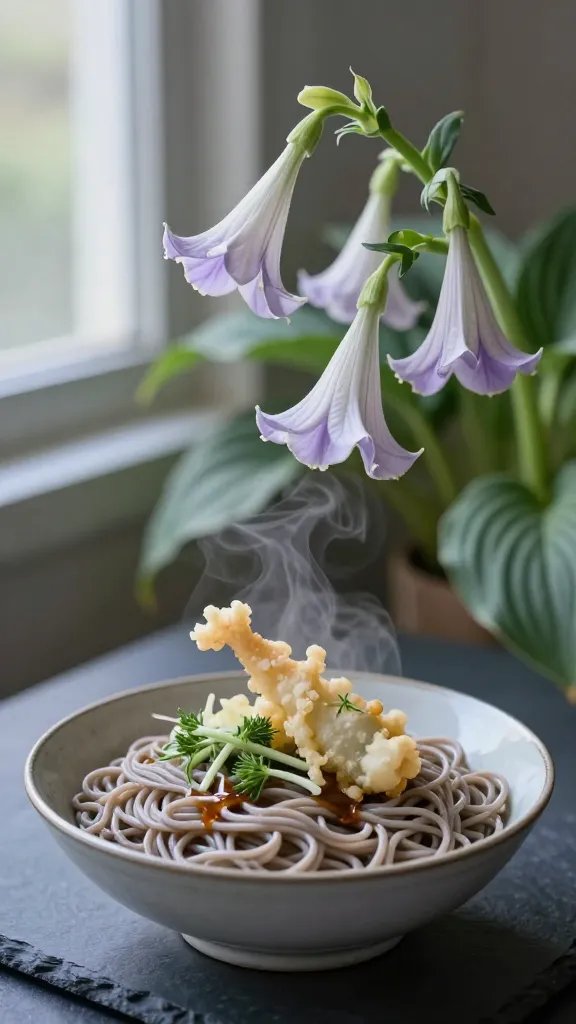
Hosta flowers hang like soft-winged moths and flutter in a breeze—same energy as a butterfly at twilight. Surprise: many hosta varieties have edible shoots and blossoms.
How To Use
- Pick fully opened blooms in the morning for a crisp texture.
- Flavor is mild, slightly sweet, almost like tender lettuce with a hint of green onion in some types.
- Use as edible “wings” in tempura or garnish noodle bowls for a floaty look.
Check variety if you can; all hostas are considered edible in many culinary traditions, but grow chemical-free. Fry lightly in a neutral oil, sprinkle with salt, and watch them disappear.
Best for: Tempura, summer salads, and delicate garnishes that feel ethereal.
6. Borage Blossoms That Could Be Blue Butterflies
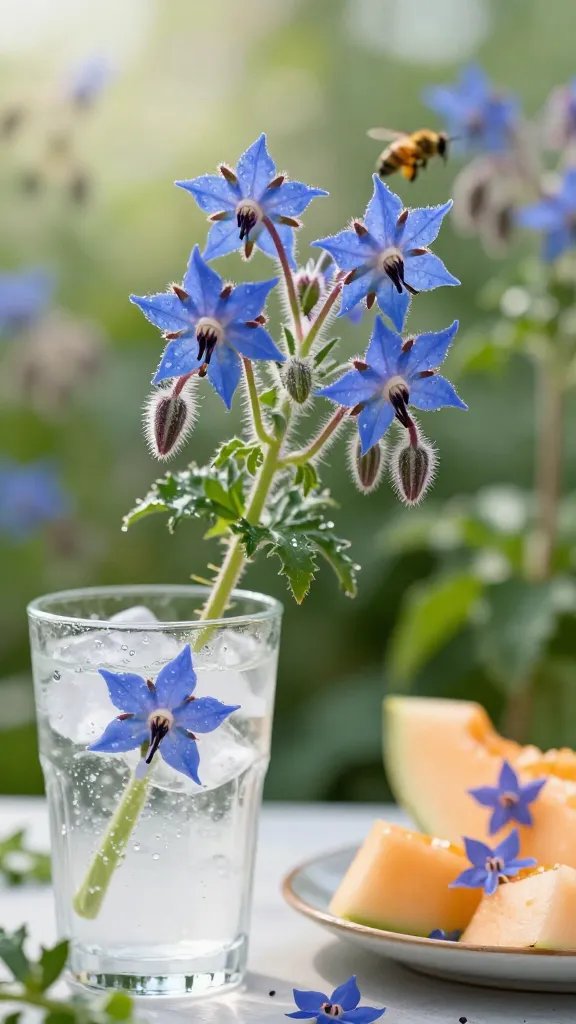
Borage flowers come star-shaped, but when they cluster and tilt, they look like tiny blue butterflies feeding. The vibrant sapphire petals and black anthers create that wing-and-body silhouette.
Key Points
- Edible flowers taste like cucumber—refreshing and crisp.
- Self-seeding and easy to grow; bees go wild for them.
- Best used fresh; they wilt fast once picked.
Pop them into gin and tonics, toss on melon salads, or freeze in ice for sparkling water. They read as “tiny butterflies drinking from your drink,” and yes, that’s a compliment.
Best for: Summer drinks, chilled soups, and anything cucumber-adjacent.
7. Chive Blossoms That Burst Like Butterfly Clusters
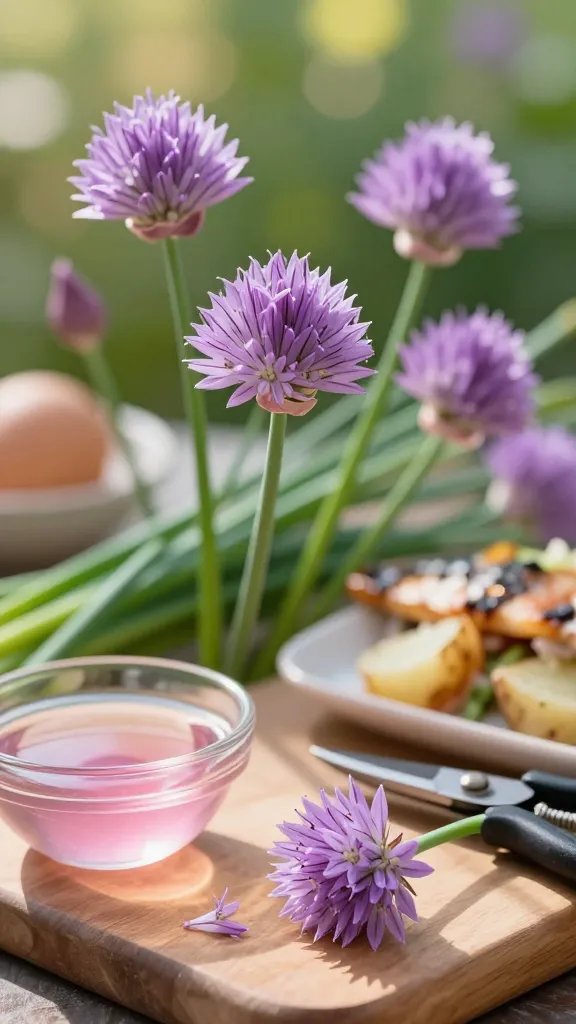
Chive flowers look like pom-poms at first glance, but zoom in and you’ll see dozens of tiny florets opening like pale-purple wings. Together, they give the illusion of a butterfly swarm mid-lift-off.
How To Use
- Break the globe into individual florets for a subtle onion kick.
- Infuse in vinegar for a blush-pink, savory splash.
- Snip straight from the garden at peak bloom for best flavor.
Sprinkle over eggs, grilled fish, or potato salads. IMO, they’re the easiest way to add delicate “wings” and umami punch at the same time.
Best for: Savory dishes, compound salts, and pretty pickling projects.
8. Daylilies That Unfurl Like Giant Butterfly Wings
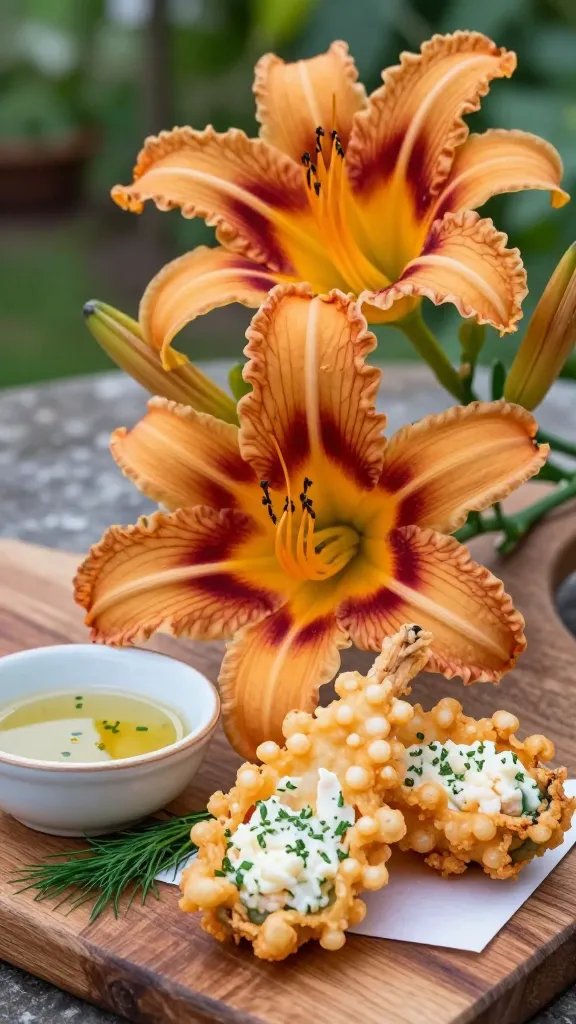
Daylily blossoms (Hemerocallis) open wide with vein patterns that mimic dramatic butterfly wings. When stuffed or tempura-fried, they look like something that might flutter away if you breathe too hard.
Important Notes
- Use only daylilies (Hemerocallis), not true lilies (Lilium)—true lilies are toxic. Big difference.
- Some people experience digestive sensitivity; try a small amount first.
- Flavor is lightly sweet and vegetal; buds taste green-bean-ish and work well sautéed.
Stuff whole blossoms with goat cheese and herbs, or batter-fry for a crispy, wing-like showstopper. Harvest in the morning and use the same day for freshness.
Best for: Showy starters, stir-fries with unopened buds, and dramatic plating.
Quick Safety and Sourcing Tips
- Grow your own or buy from edible-flower suppliers—never use florist or nursery flowers treated with pesticides.
- Introduce new flowers in small amounts to check for sensitivities.
- Rinse gently, pat dry, and use soon after picking for peak texture and color.
Ready to turn your kitchen into a butterfly garden you can eat? These flowers land softly on plates and bring major color, flavor, and bragging rights. Go plant a few, grab your favorite plate, and let your next meal take flight—seriously, your dinner just got wings.