
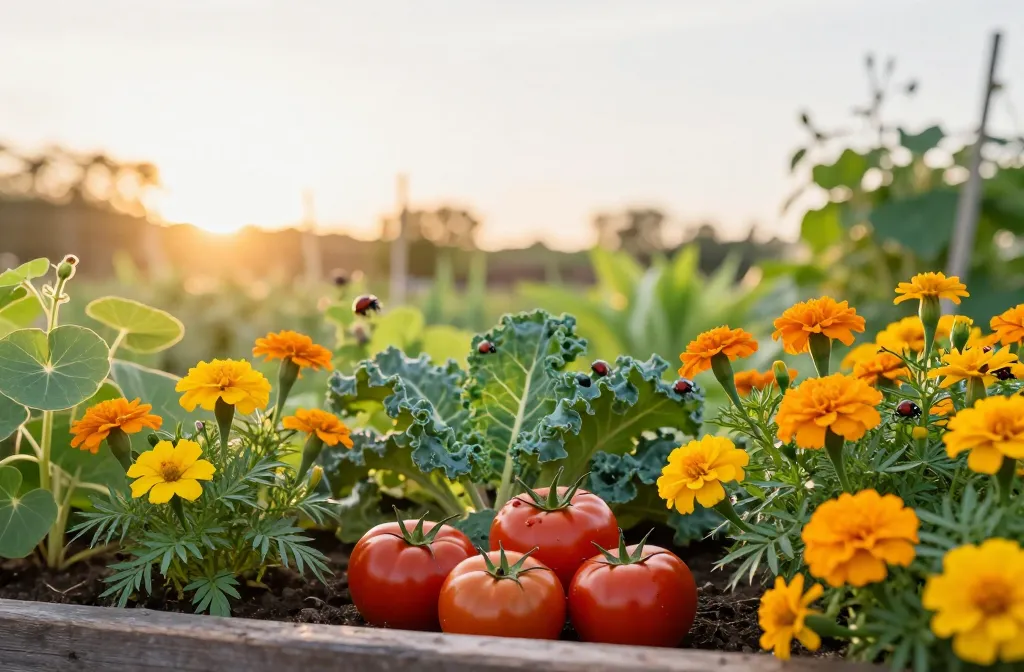
Sick of sharing your tomatoes with aphids and your kale with cabbage worms? You don’t need fancy sprays—just plant the right flowers and let nature do the heavy lifting. These eight companion blooms lure beneficial insects, confuse pests, and boost your harvest. Ready to turn your veggie patch into a pest-repelling paradise?
1. Marigolds: The Golden Bouncers At Your Garden Door
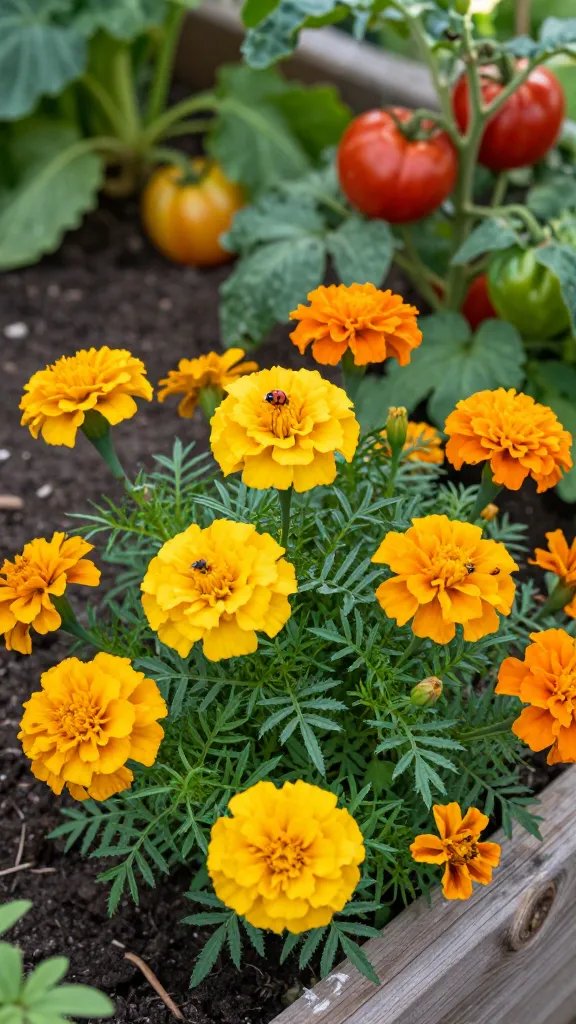
Marigolds show up like cheerful little bodyguards. Their strong scent helps confuse pests, and certain types release compounds that deter nasty soil-dwelling nematodes. They also attract pollinators and beneficial predators that snack on garden villains.
Why They Rock
- Pest control: Deter aphids, whiteflies, and some beetles.
- Nematode help: French marigolds (Tagetes patula) are famous for suppressing root-knot nematodes.
- Easy care: They thrive in heat and poor soil, and they bloom like champs.
Plant them along bed edges or between tomatoes, peppers, and beans. For a quick border that keeps pests guessing, stagger them every 8–12 inches. Bonus: your garden will look like summer exploded—in a good way.
2. Nasturtiums: The Tasty Trap Crop That Saves Your Greens
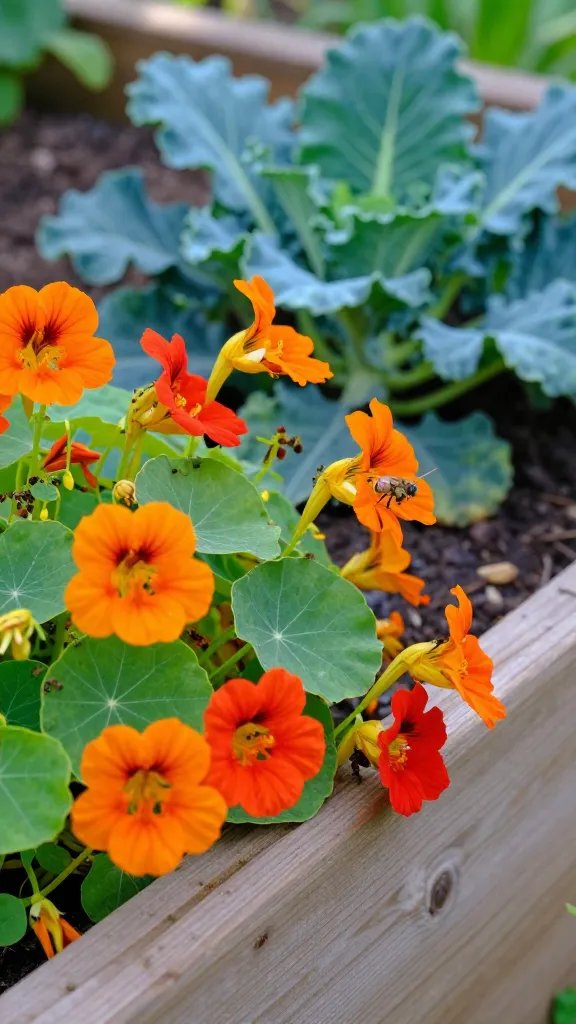
Nasturtiums are gorgeous, edible, and sneaky smart. They act as a trap crop, drawing aphids, flea beetles, and cabbage loopers away from your precious veggies. While pests party on nasturtiums, you win the harvest.
Pro Tips
- Placement: Plant at the ends of raised beds or around brassicas (kale, broccoli, cabbage).
- Spacing: Give them room to sprawl—12–18 inches apart.
- Maintenance: If aphids cluster, hose them off or pinch affected vines.
They also attract pollinators and hoverflies that munch aphids. FYI: the leaves and flowers taste peppery—throw them on a salad and feel smug about it.
3. Calendula: The Sticky-Flowered Healer Your Garden Needs
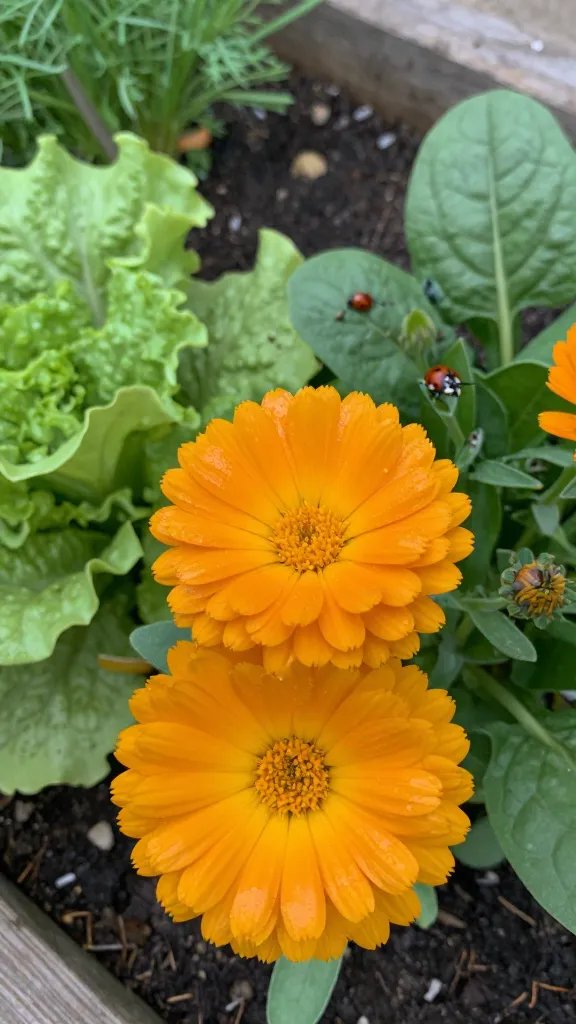
Calendula, also called pot marigold (different from Tagetes marigolds), draws in beneficial insects with its sticky, resinous blooms. It helps control aphids and whiteflies by attracting predators, and it blooms like crazy in cooler weather.
Best Uses
- Companions: Pair with lettuce, spinach, and carrots for fewer aphids.
- Cut-and-come-again: Deadhead for continuous color and pest support.
- Herbal bonus: Flowers are great for salves and teas.
It’s an all-season wingman for spring and fall beds. If you like low-maintenance flowers that earn their keep, calendula is your MVP.
4. Sweet Alyssum: The Tiny Flower With Big Predator Energy
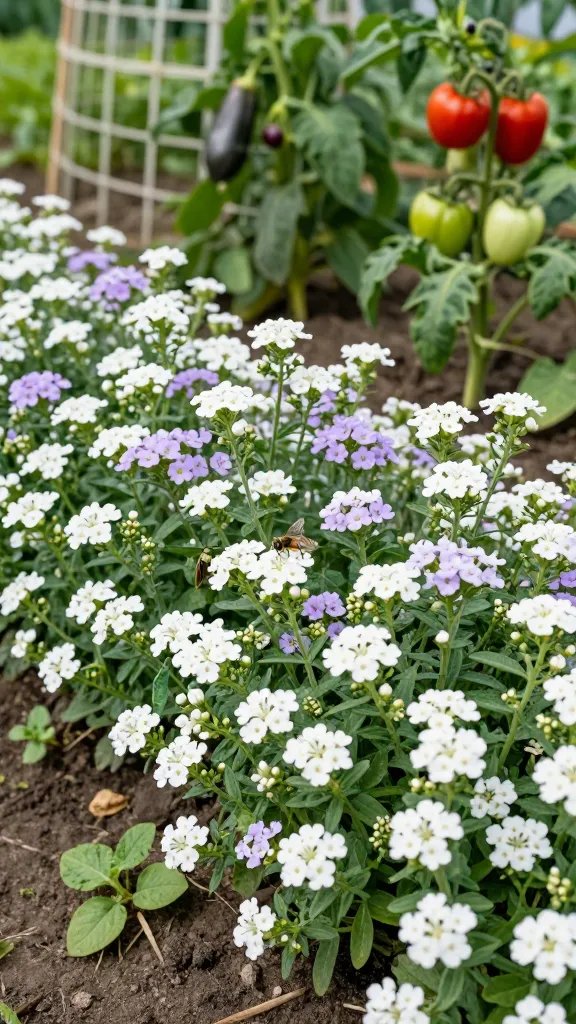
Sweet alyssum forms low, fragrant carpets that invite hoverflies, lacewings, and parasitic wasps—the tiny heroes that annihilate aphids and caterpillars. It fills gaps, covers soil, and never acts needy.
Key Points
- Groundcover magic: Suppresses weeds and keeps soil cool.
- Beneficial magnets: Tiny flowers feed tiny predators.
- Continuous bloom: Flowers for months with minimal effort.
Tuck alyssum at the feet of tomatoes, peppers, and eggplants. It creates a living mulch and an all-you-can-eat buffet for beneficial insects. Seriously, it’s small but mighty.
5. Borage: The Bee Buffet That Confuses Hornworms
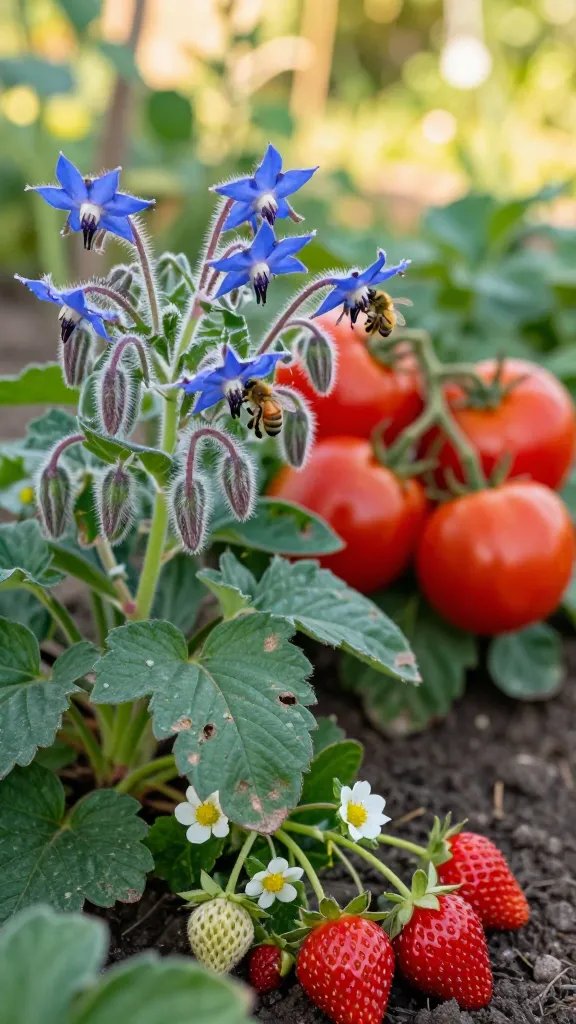
Borage grows fast, gets fluffy, and flaunts starry blue flowers that bees can’t resist. It’s rumored to help deter tomato hornworms and improve the flavor of strawberries (IMO, the real win is the pollinator traffic).
How To Use It
- Tomato ally: Plant near tomatoes to distract and confuse hornworms.
- Strawberry buddy: Improves pollination and fruit set.
- Edible bonus: Flowers taste like cucumber—garnish for days.
Borage self-seeds, so plant it where you don’t mind future volunteers. Use it as a tall accent between tomato cages and let the bees do their thing.
6. Dill: The Feathery Decoy With Superhero Sidekicks
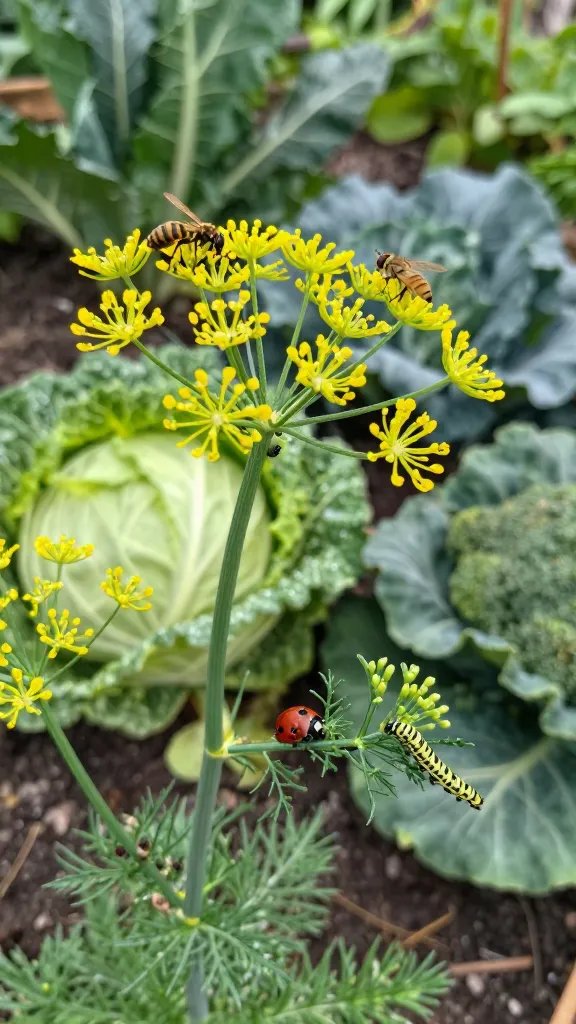
Dill smells incredible, and its umbrella-shaped blooms attract parasitic wasps, ladybugs, and hoverflies. These helpful predators keep aphids, caterpillars, and other soft-bodied pests in check.
Tips
- Placement: Plant near cabbage, broccoli, and kale to draw predators right where you need them.
- Timing: Let some dill bolt to flower—that’s when it’s most useful for pest control.
- Butterflies: It hosts swallowtail caterpillars—don’t panic if you see a few munching.
Dill also pairs beautifully with cucumbers in the kitchen, so you win twice. Plant in clusters for maximum bloom impact and let nature balance your bug drama.
7. Lavender: The Chic Shield Against Moths And Mosquitoes
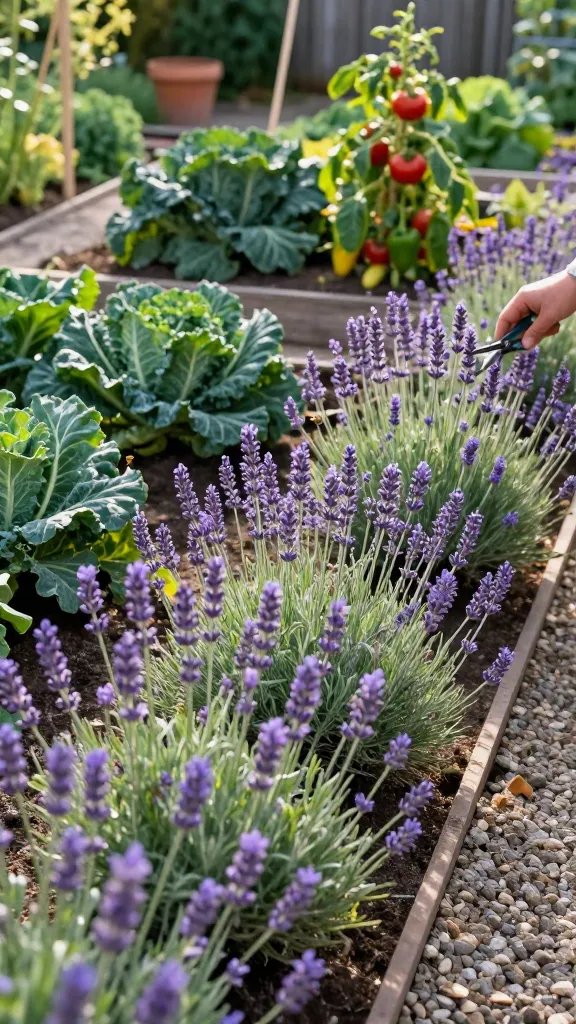
Lavender brings that spa scent and a surprising perk: it helps repel moths and certain beetles while drawing pollinators. Plant it along the borders to create a fragrant barrier that pests prefer to avoid.
Best Practices
- Sun + drainage: Lavender needs full sun and well-drained soil—no soggy roots.
- Border boss: Use as a hedge around beds with brassicas and nightshades.
- Low maintenance: Light pruning keeps it compact and blooming.
It’s not a miracle cure for every pest, but it reduces nibblers and makes the garden feel like a Provence vacation. Trust me, you’ll linger longer out there.
8. Zinnias: The Color Bomb That Brings In Bug Bodyguards
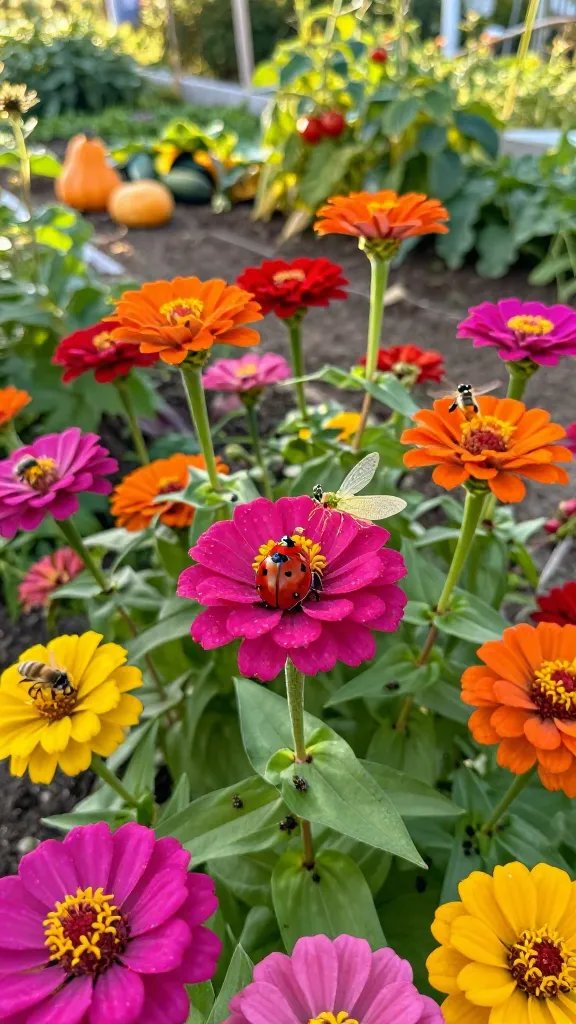
Zinnias explode with color and pull in a parade of beneficial insects—ladybugs, parasitic wasps, lacewings, and loads of pollinators. More beneficials means fewer pests, especially aphids and leaf-eating larvae.
Why Gardeners Swear By Them
- Long bloom window: Summer to frost with regular deadheading.
- Height variety: Dwarfs for edging, tall varieties for back-of-bed color.
- Cut flowers: Snip bouquets without hurting pest control.
Plant zinnias near squash, cucumbers, and tomatoes for pollination and protection. They make your garden look like a festival while quietly keeping the pest situation civil.
Quick Planting Guide For Success
- Diversity wins: Mix multiple flowers for layered pest control.
- Stagger blooms: Choose varieties that flower from spring through fall.
- Water wisely: Morning watering reduces fungal issues and keeps beneficials active.
- Avoid harsh sprays: Broad-spectrum insecticides wipe out the good guys too.
Smart Pairings Cheat Sheet
- Tomatoes: Marigold, basil (bonus), borage, sweet alyssum.
- Brassicas (kale, cabbage, broccoli): Nasturtium, dill, calendula.
- Cucumbers and squash: Zinnia, dill, nasturtium.
- Peppers and eggplants: Marigold, alyssum, lavender.
- Strawberries: Borage, calendula, lavender.
Ready to put pests on notice? Plant a few of these floral sidekicks and watch your veggies breathe a huge sigh of relief. Your garden will look better, buzz louder, and produce more—no chemical drama required. Now grab a trowel and let the flowers do the fighting.