
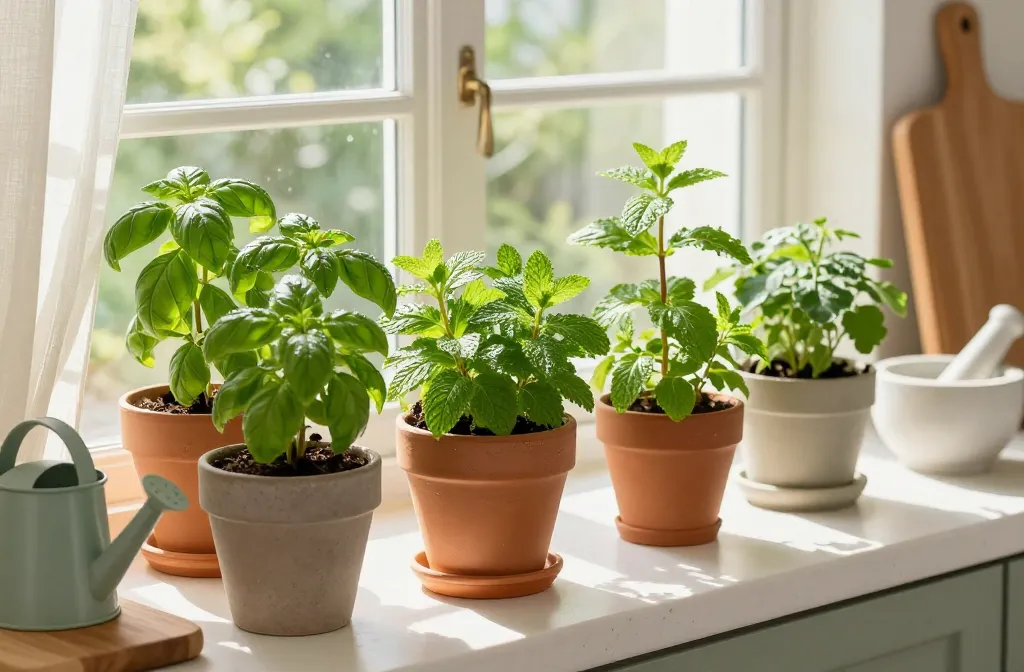
Your kitchen can smell like fresh pesto and filter funky air at the same time. Wild, right? These edible plants pull double duty: they add flavor to dinner and help scrub indoor air of nasties like VOCs and odors. Pick a few, cluster them near a sunny window, and boom—mini farm meets clean-air machine.
You don’t need a greenhouse or a green thumb. You just need bright light, decent pots, and a watering habit that’s not chaos. Ready to grow snacks that breathe with you? Let’s go.
1. Basil: The Pesto-Scented Freshener
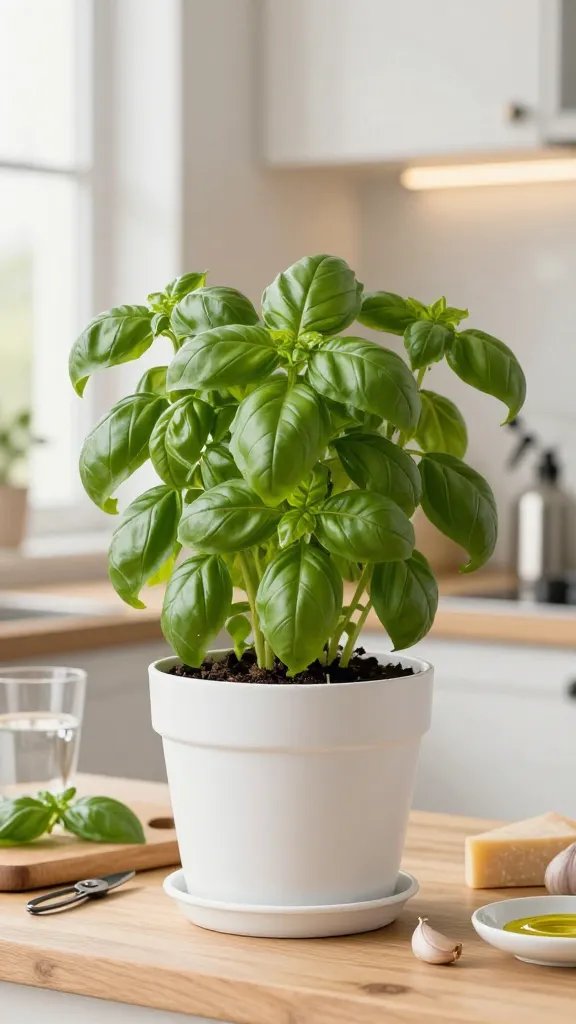
Basil doesn’t just smell like summer—it actually helps reduce indoor odors and can contribute to better indoor air quality. It thrives in bright light and rewards you fast with fragrant leaves you’ll toss on literally everything. Plus, basil gives you that “I’m a kitchen garden person now” energy.
Quick Wins
- Light: 6–8 hours of bright, indirect sun or a grow light
- Water: Keep soil slightly moist; never soggy
- Pot: 6–8 inches with strong drainage
Pinch stems above leaf pairs to encourage bushy growth and more leaves. FYI, once it flowers, flavor dips—snip buds early. Use it to freshen sauces and salads while keeping the air smelling clean and herbaceous.
2. Mint: The Odor Bouncer
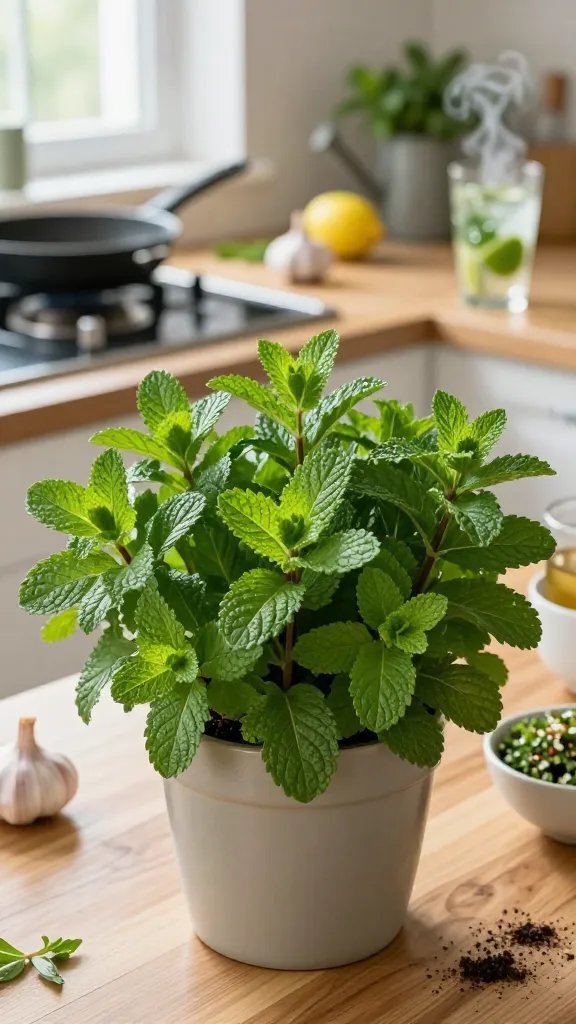
Mint behaves like that friend who shows up uninvited and steals the show—so keep it contained. It offers a cool, clean scent that helps combat kitchen smells from garlic to pan-seared fish. And you get mojitos, tea, and tabbouleh on demand. Everyone wins.
Care Notes
- Light: Bright, indirect light; tolerates partial shade
- Water: Likes consistent moisture; don’t let it dry out fully
- Pot: Wide container to manage runners
Cut sprigs from the top to keep it lush. It’s a rockstar at odor control and tastes amazing in drinks, desserts, and sauces. Use it when your fridge smells “mysterious,” and you need a fast, fragrant fix.
3. Rosemary: The Piney, Purifying Powerhouse
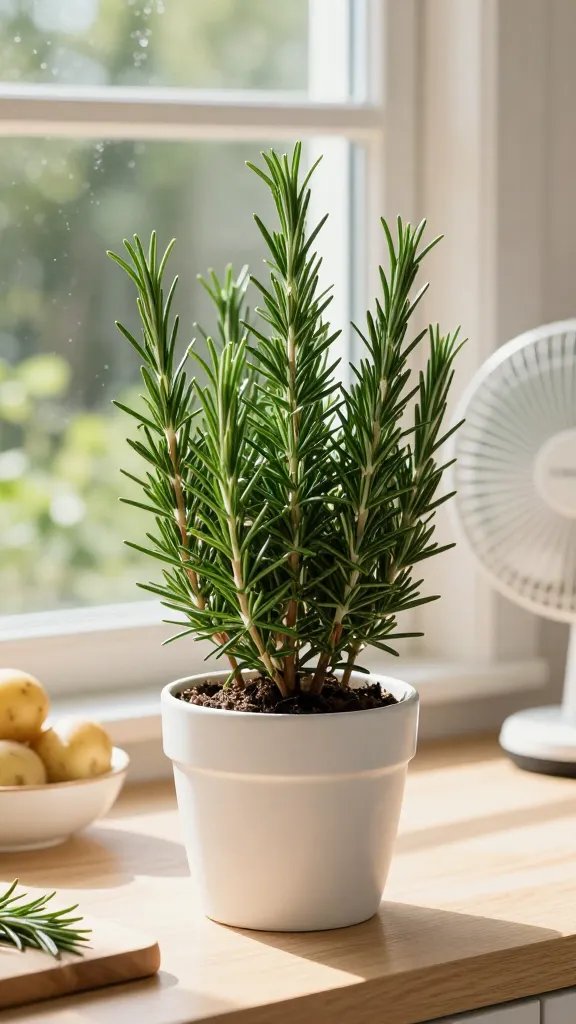
Rosemary brings that forest-fresh scent into your kitchen while helping reduce indoor pollutants and microbes. It’s tough, handsome, and surprisingly low-maintenance once established. Also, roasted potatoes called—they want their best friend back.
How To Keep It Happy
- Light: 6–8 hours of direct sun or a strong grow light
- Water: Let the top inch of soil dry between waterings
- Airflow: Loves good circulation; avoids mildew
Trim lightly to keep shape and prevent woody stems. Use fresh sprigs in marinades and breads, and enjoy its crisp, clean scent that makes your kitchen feel like a spa, but with snacks.
4. Parsley: The Clean-Air Garnish That’s Not Just a Garnish
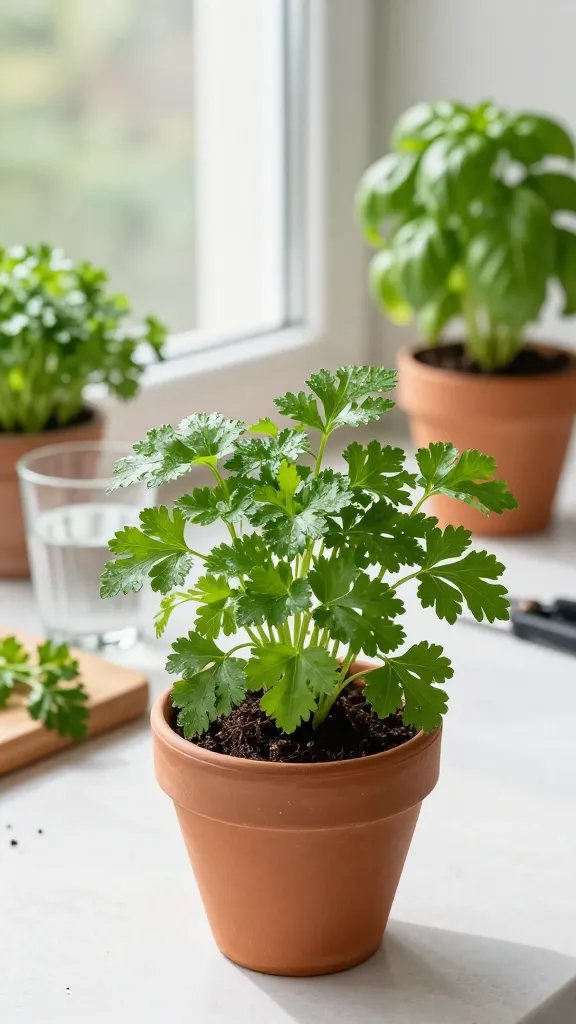
Parsley gets called “just a garnish,” which is rude. It pulls odors down a notch, offers vitamins galore, and grows reliably on a windowsill. The bright, green scent refreshes stale corners without overpowering the room.
Growth Basics
- Light: Bright, indirect sun; tolerates fewer hours than basil
- Water: Even moisture, well-drained soil
- Harvest: Snip outer stems first to keep it productive
Flat-leaf tastes bolder; curly looks fancy. Add to chimichurri, soups, and salads. It’s a steady contributor to kitchen freshness and a reliable flavor boost, IMO the sleeper hit of the bunch.
5. Lemongrass: The Zesty Air Zapper
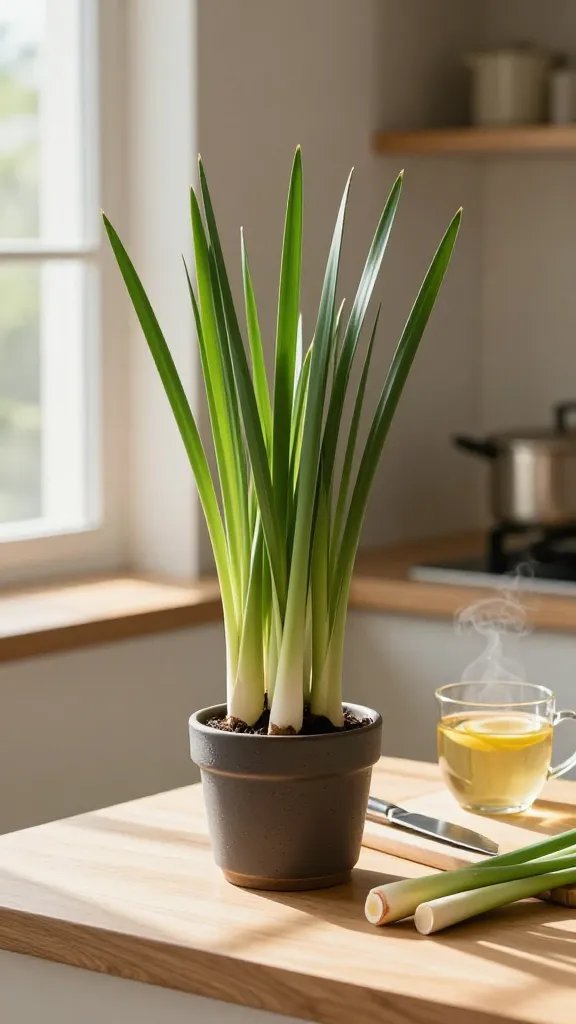
Lemongrass doubles as a culinary MVP and a natural deodorizer with bright citrus vibes. It craves sun and warmth, which makes it perfect for a sunny kitchen corner. Bonus: it grows tall and elegant, so your countertop looks intentional and chic, not “random plant chaos.”
What It Wants
- Light: 6+ hours of direct sun
- Water: Keep evenly moist; loves humidity
- Pot: Deep container to support clumping roots
Harvest by cutting thick stalks at the base and peeling outer layers. Toss it into broths, teas, and curries. You’ll get clean citrus fragrance and fewer lingering cooking smells—seriously, it’s a game-changer after frying.
6. Bay Laurel: The Slow-Burn Scent Machine
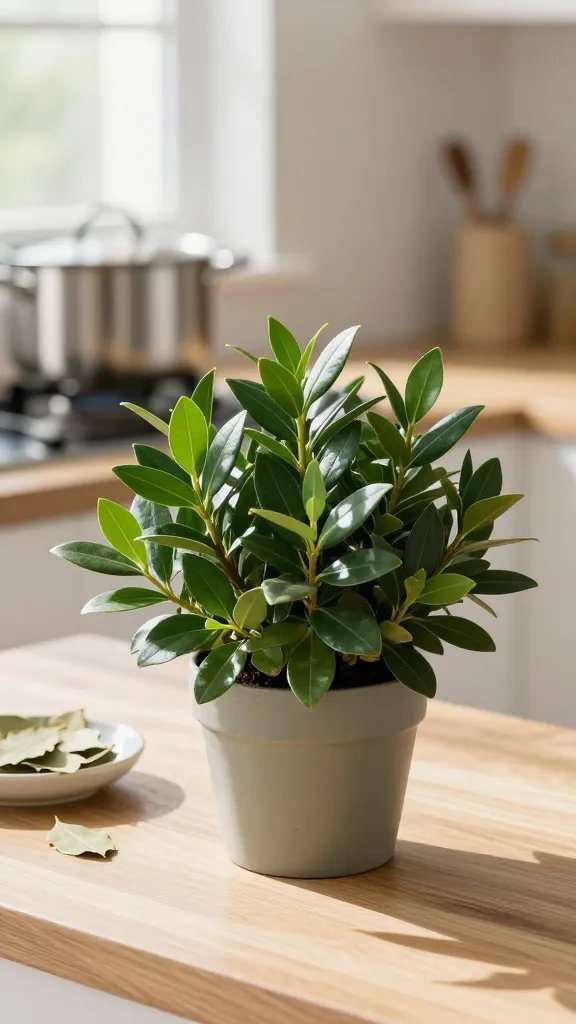
Bay leaves do more than flavor soups—they release a subtle, resinous aroma that gently clears the air. As a compact shrub, bay laurel adds structure and elegance to your kitchen garden. It’s patient and long-lived, like the wise friend who always knows what to add to the stew.
Care Essentials
- Light: Bright light to partial sun
- Water: Let the top 1–2 inches dry out between waterings
- Pruning: Trim lightly to maintain a tidy shape
Use fresh or dried leaves in stocks and sauces. It works quietly to keep the air smelling fresh without shouting for attention. Think of it as the slow-release, low-maintenance purifier with excellent culinary payoff.
7. Chives: The Oniony Freshener With Flair
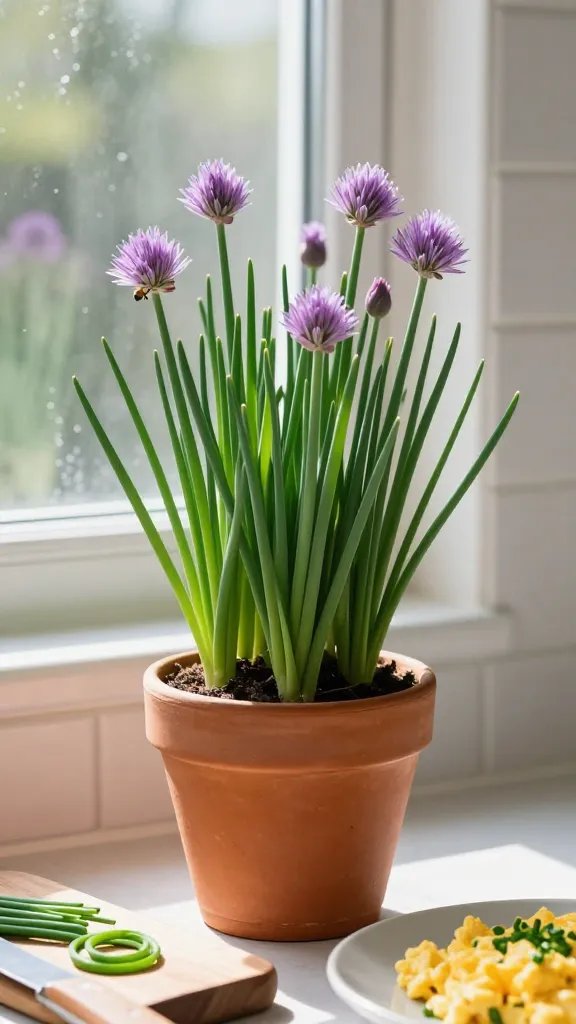
Chives bring mild onion flavor and a clean, green scent that perks up a space. They grow in tidy clumps, recover quickly from harvesting, and look adorable in a small pot. Sprinkle them on eggs, potatoes, and basically everything that begs for a little bite.
Keep It Thriving
- Light: 4–6 hours of sun; more is better
- Water: Consistent moisture without waterlogging
- Harvest: Snip leaves an inch above soil; avoid scalping the clump
Let a few blossoms form for edible purple flowers that attract pollinators if you move the pot outside. Indoors, chives help with freshness and flavor—especially handy when last night’s dinner still lingers.
8. Thyme: The Tiny-Leaved Air Tonic
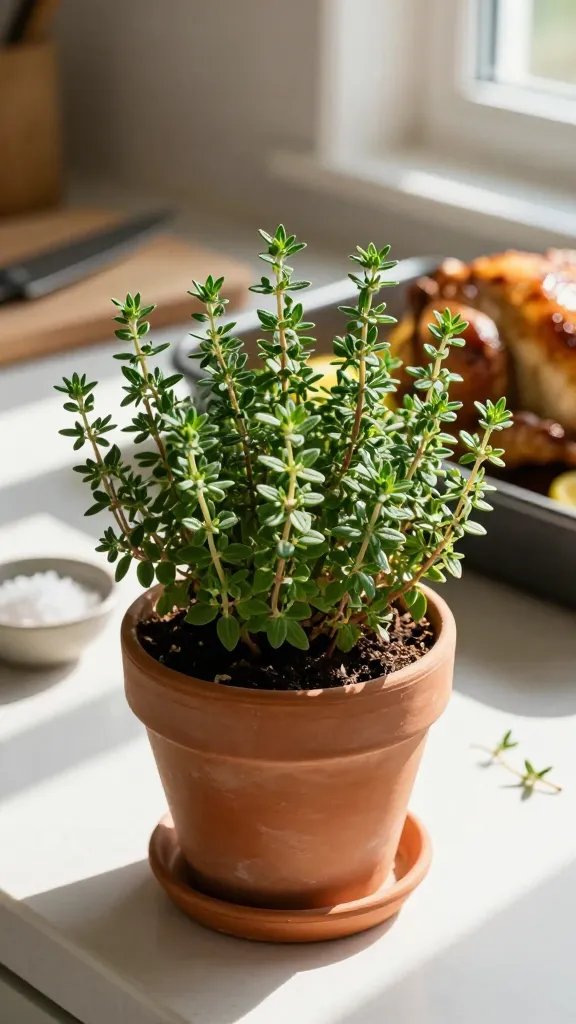
Thyme’s essential oils do some heavy lifting in the scent department—fresh, herbal, and quietly purifying. It stays compact, which makes it perfect for tight countertops or that little sunlit corner you haven’t figured out yet. Also, roasted chicken + thyme = instant dinner flex.
Care Like You Mean It
- Light: 6+ hours of bright light
- Water: Let soil dry slightly; hates wet feet
- Varieties: Lemon thyme adds a citrus twist and extra zing
Pinch new growth for bushiness and flavor. Use in rubs, soups, and sheet-pan meals. It’s a small-but-mighty purifier that keeps your kitchen smelling clean and your meals tasting like you tried really hard (even if you didn’t).
Placement and Setup Tips
- Cluster plants near a bright window for a mini “purification zone.”
- Use unglazed terracotta pots for airflow or self-watering planters if you forget watering (no judgment).
- Add a clip-on grow light if you don’t get enough sun—especially in winter.
- Snip regularly. Frequent harvesting boosts growth and fragrance.
- Rotate pots weekly so each side gets equal light and stays sturdy.
Simple Soil and Feeding
- Soil: Light, well-draining potting mix. Add perlite for airflow.
- Fertilizer: Half-strength liquid feed every 3–4 weeks during active growth.
- Drainage: Always use pots with holes. Soggy roots = sad herbs.
Housekeeping for Cleaner Air
- Wipe leaves gently every few weeks so plants can “breathe” better.
- Open a window occasionally to exchange air—plants love fresh CO2.
- Combine with a small HEPA purifier for the ultimate clean-kitchen combo.
One more thing: plants help, but they don’t replace good ventilation or cleaning. They’re like supportive sidekicks, not superheroes. Keep cooking smells in check with a range hood, and let your green team handle the finishing touch.
Ready to grow herbs that make your kitchen smell amazing and taste even better? Start with two or three from this list and build your green squad from there. Your future self (and your dinner guests) will thank you—trust me.