
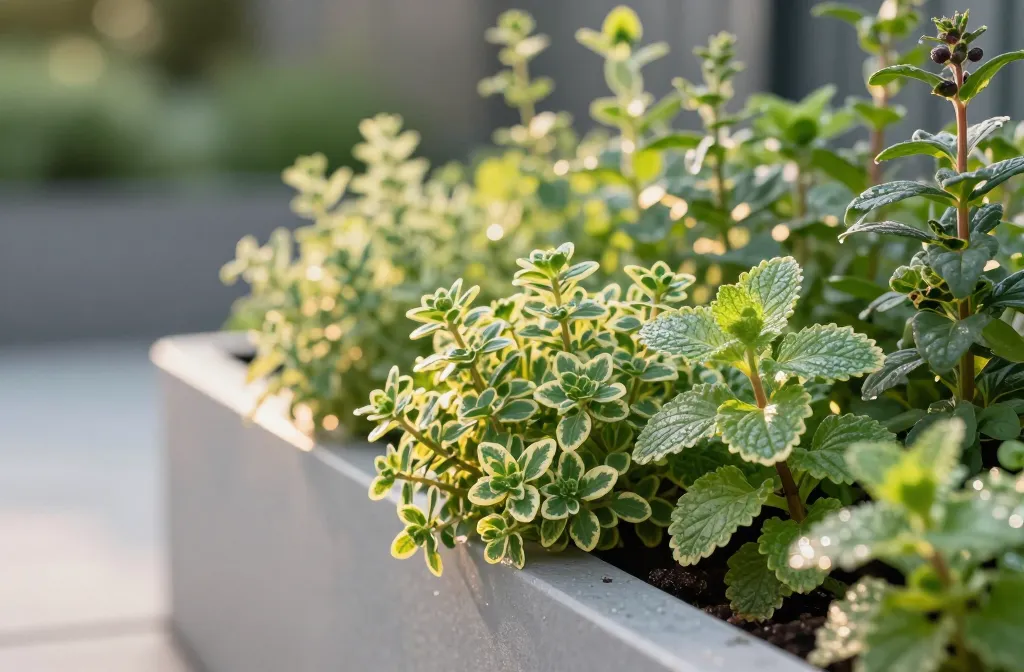
Want a garden that looks like it hired a stylist? Variegated herbs bring the flavor and the flair. These plants offer bold leaf patterns, creamy margins, and unexpected splashes of color—while still earning their keep in the kitchen. Ready to grow a herb garden that pulls double duty as decor?
1. Variegated Lemon Thyme: Sunshine In Leaf Form
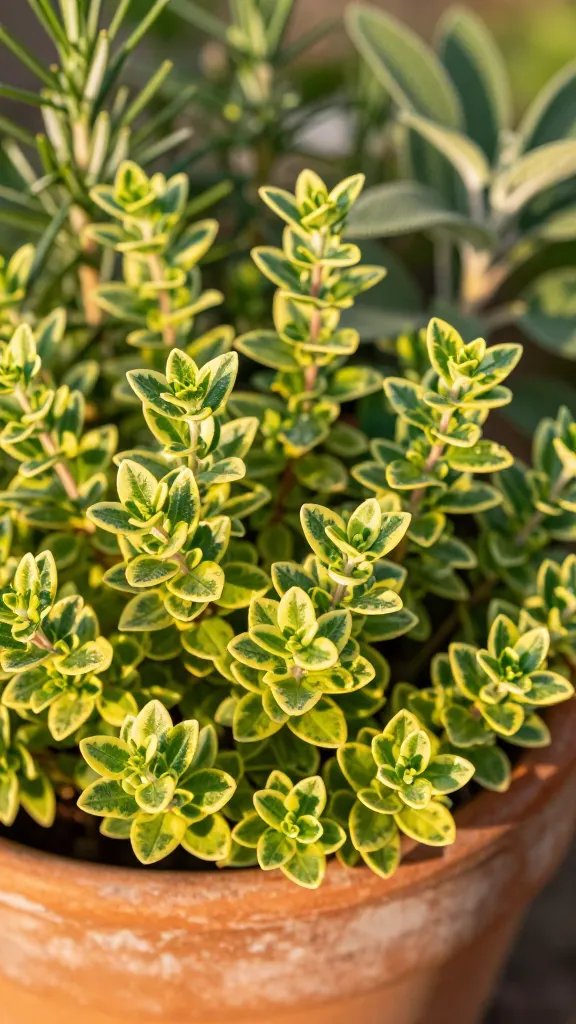
Variegated lemon thyme throws confetti with every leaf—green centers edged in creamy yellow. It smells like lemon zest met summer, and it makes borders glow. Plant it once and you’ll wonder how your herb bed ever looked interesting without it.
Why It’s Awesome
- Two-tone foliage brightens edges and containers.
- Lemon fragrance elevates chicken, seafood, and roast veggies.
- Heat and drought tolerant, because we all forget to water sometimes.
Give it full sun for the best color. Trim lightly to keep it dense and bushy, then toss the clippings into marinades or tea. FYI, it also attracts pollinators with tiny pinkish blooms in late spring.
Quick Tips
- Soil: Well-draining, lean; avoid overfeeding or you’ll mute the variegation.
- Habit: Low, mounded; perfect as a path edging or spillover in pots.
- Hardiness: USDA zones 5–9 with good drainage.
Use it when you want a bright border and a reliable culinary herb that never feels fussy.
2. Pineapple Mint: Mojito-Ready And Seriously Cute
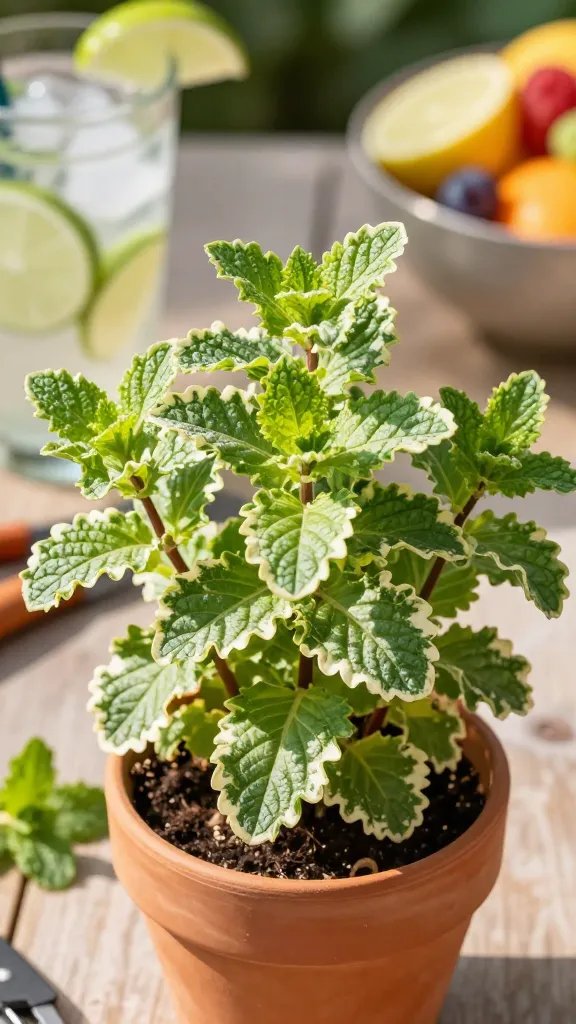
Pineapple mint is the fun cousin of regular mint—cream-splashed leaves, ruffled edges, and a fruity aroma. It looks like it belongs in a fancy mocktail, and frankly, it does. But it’s also a conversation starter in any pot or patio setup.
Why It’s Awesome
- Bold variegation with frosted, irregular margins—instant texture.
- Fruity scent works beautifully in fruit salads, iced tea, and cocktails.
- Easy to grow (borderline unstoppable, IMO).
Plant it in a container unless you want it to take the scenic route through your garden. Morning sun with afternoon shade keeps the leaves lush and prevents scorching. Snip often to encourage fresh growth and keep it tidy.
Care Notes
- Water: Even moisture; don’t let it bone-dry between drinks.
- Pruning: Pinch tips weekly for bushiness and better variegation.
- Hardiness: Zones 5–9; protect from deep freezes in pots.
Use it when you need a patio superstar that doubles as a garnish on literally everything.
3. Variegated Sage (Salvia officinalis ‘Icterina’): Old-Soul Herb With Fresh Style
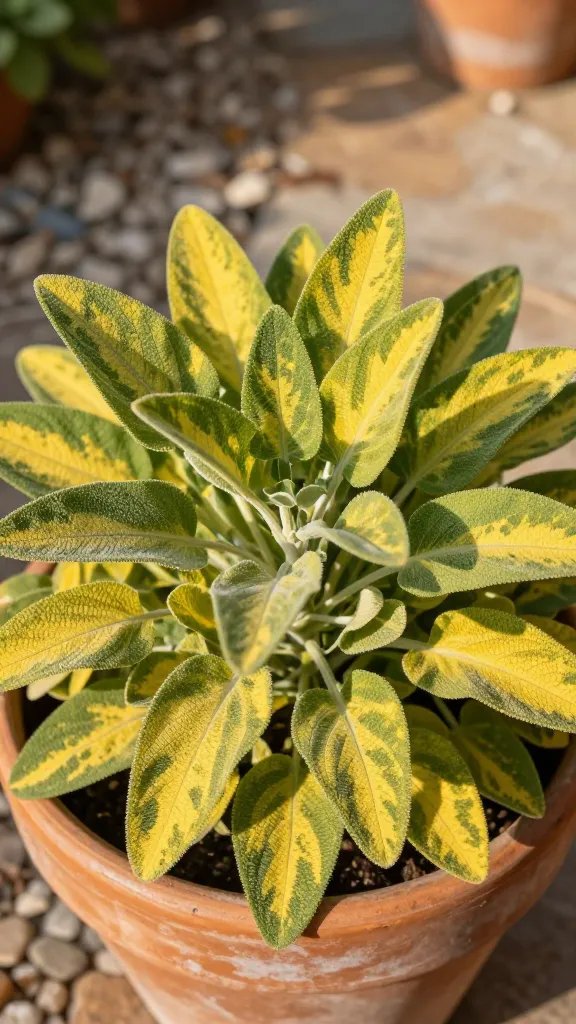
If sage went to fashion week, this would be its outfit: chartreuse-gold and green patchwork leaves with that classic savory aroma. It reads sophisticated but still plays nice in rustic containers and Mediterranean beds. Add it for both structure and culinary swagger.
Why It’s Awesome
- Chunky, patterned leaves that hold color year-round in mild climates.
- Earthy flavor for roasts, brown-butter sauces, and crispy leaf garnishes.
- Low maintenance once established.
Give it full sun and excellent drainage—soggy soil equals sad sage. Trim lightly after flowering to shape, and avoid heavy feeding. The more stress you avoid, the more that gold stays bold.
Key Points
- Soil: Sandy or gritty; raised beds and terracotta pots work great.
- Companions: Lavender, rosemary, and oregano for a cohesive Mediterranean look.
- Hardiness: Zones 6–9; protect from winter wet.
Use it when you want year-round foliage interest and a reliable flavor that screams cozy dinners.
4. Variegated Oregano (Origanum vulgare ‘Variegata’): The Pizza Herb, But Make It Fashion
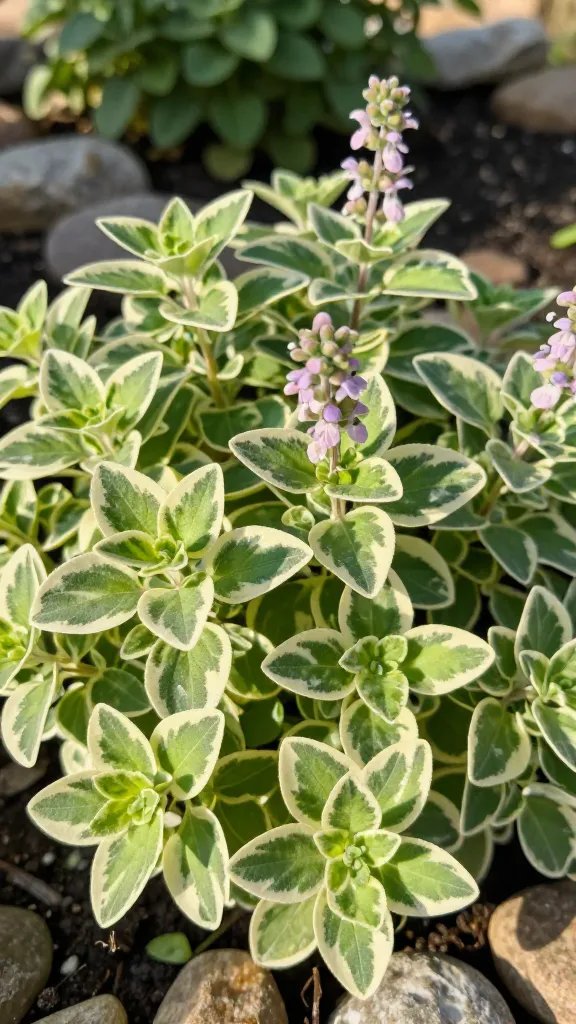
This is the oregano you plant for the aesthetic as much as the taste. Small leaves edged in creamy white create a fresh, mosaic effect that pops against darker greens. It softens rock gardens and brightens herb boxes with zero drama.
Why It’s Awesome
- Cream-rimmed foliage looks crisp and clean all season.
- Classic oregano flavor for sauces, dressings, and grilled veggies.
- Bee-friendly blooms in summer.
Full sun brings the best color and the strongest flavor. Keep soil on the dry side and trim often to prevent legginess. It creeps gently, so it makes a nice filler that won’t bully its neighbors.
Tips
- Spacing: 12–18 inches; give it air for healthy growth.
- Harvest: Morning snips preserve oils and flavor.
- Preserve: Dry sprigs upside down; the variegation even looks pretty while drying.
Use it when you want a bright, tidy edging herb that earns its keep in the kitchen—seriously, it’s a win-win.
5. Tricolor Sage (Salvia officinalis ‘Tricolor’): Painted Leaves, Zero Boredom
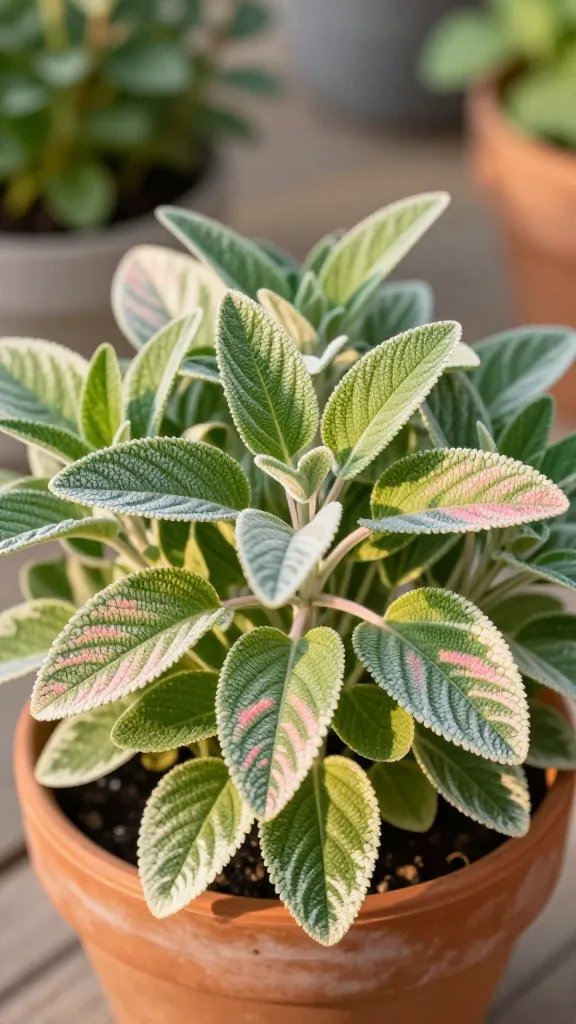
Tricolor sage is the peacock of the sage world—green centers with creamy margins and blush pink flashes. It looks hand-painted and instantly livens up neutral plantings. It’s edible, yep, but it also acts like a tiny ornamental shrub in containers.
Why It’s Awesome
- Three-toned foliage that shifts with temperature and light.
- Compact habit perfect for front-of-border drama.
- Fragrant and culinary, though a touch milder than common sage.
Give it bright sun and avoid overwatering. Trim just after bloom or mid-summer to keep the colors concentrated and the shape tight. Cooler nights often deepen the pink—like a built-in seasonal effect.
Care Essentials
- Drainage: Non-negotiable; use gritty potting mix in containers.
- Feeding: Light; too much nitrogen cancels the color party.
- Propagation: Semi-ripe cuttings root easily—share with friends, become a hero.
Use it when you want instant “wow” foliage in mixed pots or a statement plant near your entryway.
6. Variegated Sweet Marjoram (Origanum majorana ‘Variegata’): Delicate Pattern, Big Payoff
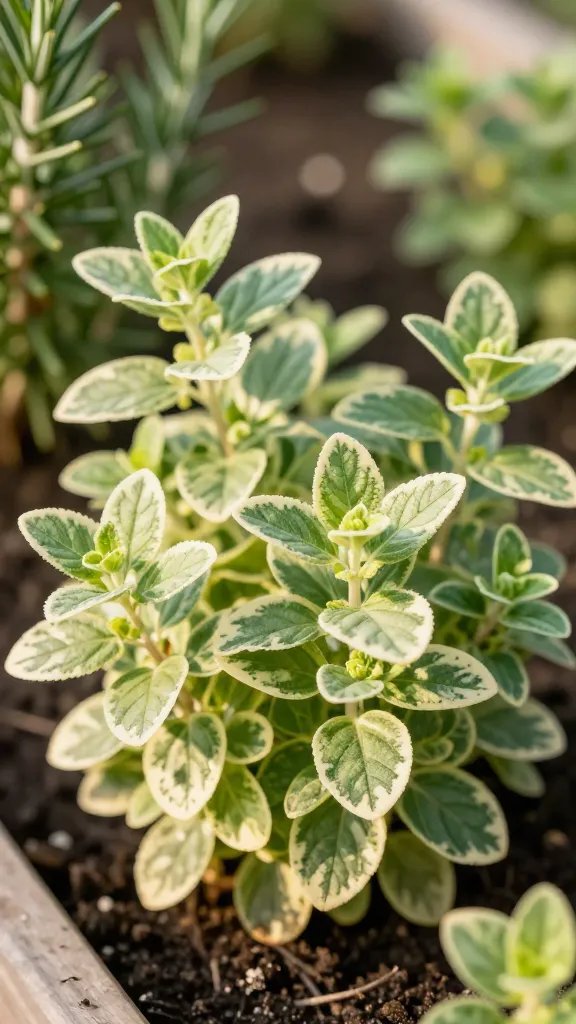
Sweet marjoram already tastes like a softer, more elegant oregano. Add pale cream variegation, and you get a refined plant that lights up the herb patch. It reads dainty, but it performs like a champ in warm, sunny spots.
Why It’s Awesome
- Fine-textured, variegated leaves that brighten mixed plantings without shouting.
- Sweet, floral flavor perfect for poultry, soups, and herbed oils.
- Compact and tidy—great for windowsills and balcony boxes.
It loves heat and good drainage, so think raised beds or containers. Regular trims keep it dense and push new growth, which tastes best anyway. In colder zones, bring a pot indoors for winter—it handles bright windows like a pro.
How To Use It
- Pair with: Variegated thyme or sage for a cohesive, patterned palette.
- Harvest: Snip often; fresh marjoram shines added at the end of cooking.
- Display: Place near darker greens (like rosemary) for high-contrast foliage.
Use it when you want subtle elegance and a flavor upgrade in delicate dishes—trust me, it’s dreamy in compound butter.
Ready to upgrade your herb game? Variegated varieties bring instant polish to beds, borders, and balcony gardens while still spicing up dinner. Pick one or plant all six, and watch your garden go from “nice” to “did you hire a designer?” in one season.