
If you are short on yard space but big on fresh food, a vertical edible garden is one of the most productive ways to grow. Vertical systems can yield up to 350 times more per acre than conventional farming, so choosing the right plants for those precious pockets of growing space really matters.
Key Takeaways
| Question | Quick Answer |
|---|---|
| What are the best plants for vertical edible gardens? | Compact herbs, leafy greens, strawberries, and vining crops like tomatoes and cucumbers that can be trained upward are ideal. For a full overview of plant types and systems, check our complete vertical plant guide . . |
| Which plants give the highest yield in small vertical gardens? | Lettuce and fast-growing salad greens, plus productive tomatoes, are top performers. Vertical tomato setups are covered in detail in our tomato vertical garden guide. |
| What grows best on a vertical balcony vegetable garden? | Look for sun-loving and compact plants like peppers, dwarf tomatoes, and trailing strawberries. We break this down in our balcony vegetable garden guide. |
| Can I grow herbs vertically outdoors and indoors? | Yes. Many herbs love vertical pockets and towers. For patios, see our vertical outdoor herb garden guide, and for soil-free setups see our hydroponic herb garden guide. |
| How do I pick plants for stacked or tower systems? | Choose shallow-rooted crops and trailing varieties that do not mind close spacing. For ideas that fit stackable planters and towers, start with our vertical stacking systems overview. |
| Are vertical edible gardens worth it in cities? | Yes. Urban vertical gardens can produce fresh food year-round and improve air quality. We go into the benefits in our urban vertical gardening benefits guide. |
1. How To Choose The Best Plants For Your Vertical Edible Garden
Before we talk specific crops, we like to match plants to the type of vertical system you have and the sun you actually get. That way you do not waste pockets on plants that will always struggle.
For vertical edible gardens, we usually bucket plants into four groups: leafy greens, herbs, fruiting vegetables, and compact fruits like strawberries. Each group has different needs and behaves differently when grown upright.
Key criteria for plant selection
- Root depth: shallow to medium roots fit pockets, towers, and panels best.
- Growth habit: trailing, climbing, or naturally compact plants use vertical space efficiently.
- Light needs: full sun crops high up, shade tolerant ones lower down.
- Speed and yield: fast growers like lettuce and basil keep your wall productive.
We also think about maintenance. Crops you harvest often, like salad greens and herbs, are perfect at arm height so you are not climbing a step stool every day.
2. Leafy Greens: High‑Yield Workhorses For Vertical Walls
Leafy greens are some of the best plants for vertical edible gardens because they grow fast, stay compact, and handle tight spacing. You can tuck them into pockets, stack them in towers, or run them in hydroponic channels.
Vertical farming lettuce yields commonly reach 60 to 105 kg of fresh weight per square meter per year in commercial systems, which shows how productive greens can be when grown upward. At home scale, that just means lots of salads from a very small footprint.
Best leafy greens for vertical gardens
- Lettuce: loose leaf and cut-and-come-again types are easiest.
- Spinach: prefers cooler weather and some shade in hot climates.
- Arugula and Asian greens: fast growing, great for succession planting.
- Chard and kale: deeper roots but still manageable in larger pockets or lower tiers.
We like to put quick crops like lettuce in upper pockets where they get plenty of light, and more shade tolerant greens lower down. Mix textures and colors to make the wall look as good as it tastes.
3. Herbs: The Easiest Plants For Vertical Outdoor Herb Walls
If you only grow one thing vertically, we would pick herbs. They stay small, tolerate pruning, and instantly upgrade your cooking.
Vertical herb gardens shine on fences, balconies, and patio walls where you can reach them easily from the kitchen door. They are also forgiving if you occasionally forget to water or harvest.
Top herbs for vertical edible gardens
- Perennial herbs: thyme, oregano, chives, and sage, great for sunny upper sections.
- Tender herbs: basil, cilantro, parsley, and dill, which love frequent harvesting.
- Moisture lovers: mint and lemon balm, best in their own containers so they do not take over.
We design vertical herb walls so the thirstier plants sit lower, where excess water from pockets above can drip down. That way, one watering pass handles the whole structure.
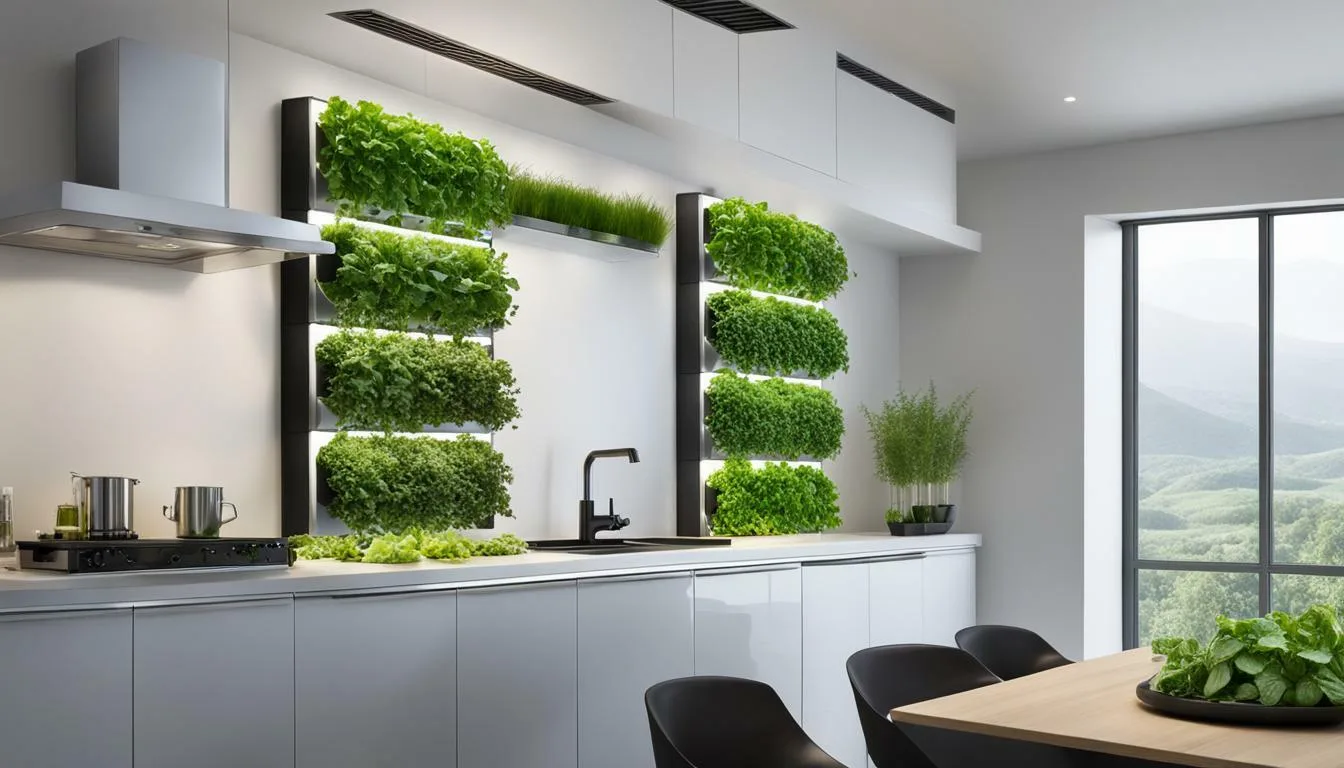
Top 5 edible plants for vertical gardens, showcased for space-saving growing. Learn which herbs and vegetables yield best in small spaces.
4. Hydroponic Vertical Herb Gardens: Best Plants For Soil‑Free Towers
Hydroponic vertical gardens let you grow herbs and greens without soil, which keeps things clean and incredibly productive indoors or on sheltered patios. These systems deliver nutrients directly in water, so plants grow faster and often taste more tender.
We typically recommend starting with herbs that do well in consistent moisture and bright light. Once your system is stable, you can branch out into leafy greens and even some compact fruiting crops.
Best hydroponic herbs for vertical systems
- Basil: thrives in nutrient-rich water and produces heavily with regular harvesting.
- Mint: loves moisture, just give it its own column or pocket.
- Chives and parsley: very reliable in hydroponic channels and towers.
- Cilantro: prefers cooler temperatures or morning sun only indoors.
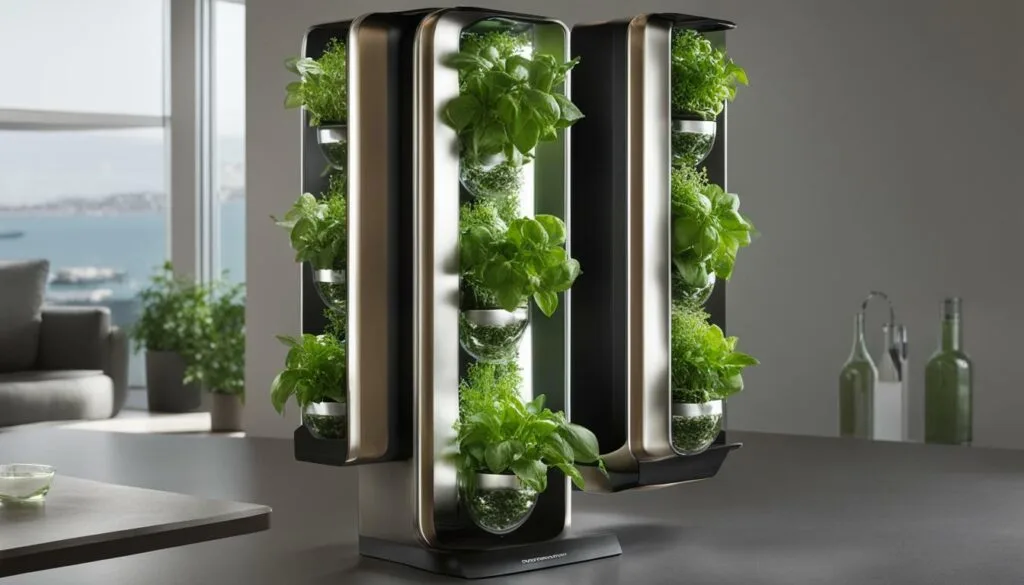
In narrow indoor spaces, a vertical hydroponic herb tower can replace several pots on a windowsill. It also cuts down on mess since there is no soil spilling every time you harvest.
Did You Know?
In the UK, vertical lettuce farming yielded about 97.3 kg per square meter per year, more than 20 times the field yield of roughly 3.3 kg per square meter.
Source: Anthropocene Magazine
5. Tomatoes: Star Performers In Vertical Edible Gardens
Tomatoes are one of the most requested plants when people set up a vertical edible garden. The good news is that they love growing upward on trellises, wires, or sturdy cages.
We focus on varieties that stay relatively narrow and respond well to pruning so they do not overwhelm your wall. Training them vertically keeps foliage dry, cuts disease issues, and makes picking fruit much easier.
Best tomato types for vertical systems
- Indeterminate tomatoes: like ‘Sungold’ and ‘Gardener’s Delight’ for tall trellises.
- Compact bush types: such as ‘Patio’ or ‘Tiny Tim’ for pockets and containers.
- Dwarf cherry tomatoes: ideal for balcony towers where space is tight.
In balcony gardens, a vertical tomato setup can share space with herbs and greens, giving you salads and sauce ingredients in the same footprint. Just anchor the support firmly so heavy fruiting vines do not pull things over.
6. Balcony‑Friendly Vegetables For Vertical Growing
Balcony vertical gardens need plants that can handle wind, reflected heat, and container life. We usually prioritize compact, heavy-yield crops that give you a lot of food in a small footprint.
Think of your balcony as a vertical “stack” of microclimates. The top tier is hottest and sunniest, while lower tiers and wall corners are cooler and slightly more sheltered.
Best balcony vegetables for vertical systems
- Peppers: dwarf or compact sweet and chili types in sunny upper pockets.
- Dwarf beans and peas: train them along netting or railing trellises.
- Radishes and baby carrots: in deeper pockets or box sections.
- Salad cucumbers: “mini” or pickling types that can climb supports.
We like to pair these with herbs and greens from earlier sections to keep your balcony harvest steady from spring into fall. Rotating quick crops like radishes through empty pockets also keeps the system producing.

7. Strawberries And Compact Fruit For Vertical Towers
Strawberries are almost purpose-built for vertical edible gardens. They have shallow roots, they trail beautifully, and fruit hangs where you can see and pick it.
We like to put strawberries along the outer edges of towers or in front-facing pockets on panels. That keeps berries away from damp soil and pests at ground level.
Best fruit for vertical setups
- Day-neutral strawberries: produce through the season in cool to mild climates.
- Alpine strawberries: smaller berries but very tolerant of containers and shade.
- Dwarf blueberries and raspberries: only in large, sturdy planters on lower tiers.
With fruit, we pay extra attention to watering and drainage because dry pockets mean small or cracked berries. A compost-rich mix, as we outline in our compost vertical garden guide, helps hold moisture without getting waterlogged.
Did You Know?
Approximately 90% of vertical farms focus on lettuce, with only about 10% growing other crops, which shows how central leafy greens are to vertical edible gardening.
Source: HortiDaily
8. Matching Plants To Vertical Garden Stacking Systems
Stacking systems, like tiered beds and vertical garden towers, work best when you match each level to plants that suit its depth and light. We design these setups almost like a layered cake of micro-environments.
Shallow trays and upper tiers are perfect for herbs and greens. Deeper lower tiers can host bulkier crops like bush beans, dwarf tomatoes, or root vegetables.
Suggested plant layout for a 4‑tier vertical bed
| Tier | Best plants |
|---|---|
| Top | Sun-loving herbs (basil, thyme), trailing strawberries |
| Upper middle | Lettuce, arugula, parsley, cilantro |
| Lower middle | Chard, kale, peppers, bush beans |
| Bottom | Root crops, larger herbs, dwarf tomatoes in deeper soil |
With stacking systems, we like to use compost-rich mixes so roots have a steady supply of nutrients. That reduces how often you need to fertilize and keeps plants steady through heat and wind.
9. Compost‑Powered Vertical Edible Gardens: Plants That Love Rich Soil
If you build your vertical garden around compost, you can support a wider range of edible plants. Compost improves water retention and nutrient levels, which is especially helpful in small pockets that dry out fast.
We focus compost-heavy sections on plants that are heavy feeders or appreciate consistent moisture. That way, your homemade or purchased compost delivers the biggest payoff.
Best plants for compost‑rich vertical pockets
- Tomatoes and peppers: heavy feeders that respond with bigger yields.
- Leafy greens: particularly chard, kale, and spinach.
- Strawberries: appreciate the steady nutrient supply.
- Herbs like basil and parsley: which grow lusher in rich mixes.
We usually blend compost with lighter materials like coco coir or perlite so pockets drain well. In tall walls, using straight compost can get too dense over time, which stresses roots.
10. Urban Vertical Edible Gardens: Picking Plants For City Conditions
Urban spaces introduce extra challenges like heat, shadows from buildings, and sometimes poor air quality. The right plant choices can handle those conditions and still give you a solid harvest.
We usually mix hardy, forgiving plants with a few “premium” crops you especially enjoy. That way your system stays productive even if weather, pests, or work schedules get in the way.
Best plants for urban vertical gardens
- Hardy herbs: thyme, oregano, chives, and mint for consistent growth.
- Cut-and-come-again greens: lettuce mixes, mustard greens, and Asian greens.
- Compact tomatoes and peppers: in the sunniest spots you can find.
- Fast crops: radishes and baby salad turnips to fill gaps between plantings.
In shaded courtyards, we shift the mix toward leafy greens and herbs since fruiting vegetables need more light. Vertical systems in cities also double as air filters, which is a nice side benefit when you pack them with vigorous foliage.
Conclusion
The best plants for vertical edible gardens are the ones that match your space, your light, and how much time you actually have. Herbs, leafy greens, strawberries, and carefully chosen tomatoes and peppers cover most people’s wish lists and perform reliably in pockets, towers, and panels.
As you get comfortable, you can experiment with new varieties and layouts, but starting with these proven vertical-friendly crops gives you a fast, satisfying harvest in even the tiniest spaces. If you keep roots shallow, growth habits compact or climbing, and pockets full of good compost-rich mix, your vertical edible garden will stay productive for years.